


The Complete Guide to Stem Cell Knee Cartilage Regeneration and ACL Repair in India
Living with chronic joint discomfort or a devastating sports injury can completely derail your active lifestyle and daily routine. For decades, patients facing severe osteoarthritis or torn ligaments were told that highly invasive joint replacement or ligament reconstruction surgery was their only path to relief.
Today, the landscape of orthopedic healing has shifted dramatically. Stem cell knee cartilage regeneration and ACL repair in India offer a groundbreaking, non-surgical alternative for those desperate to regain their mobility. By utilizing the body's natural cellular healing mechanisms, international patients are successfully repairing damaged tissue, avoiding lengthy surgical downtimes, and reclaiming their lives at world-class medical facilities.
Video Chapters & Quick Navigation
The Growing Epidemic of Knee Degeneration and Sports Injuries
Knee pain is no longer a condition that exclusively affects the elderly population. Modern sedentary lifestyles, combined with high-impact sports, have led to a massive surge in cartilage degradation and ligament tears among younger adults. As highlighted at in the video, millions of people globally suffer from osteoarthritis, a progressive disease that slowly wears away the protective cartilage in the knee joint.
When this vital cartilage breaks down, the bones begin to rub directly against one another. This bone-on-bone friction causes agonizing pain, severe inflammation, and a significant reduction in a patient's range of motion. Traditional medicine has historically offered a very linear and limited pathway for treating this type of joint destruction.
The Limitations of Traditional Knee Surgery
Historically, orthopedic doctors have relied on temporary fixes like corticosteroid injections to manage pain. When these eventually fail, the standard protocol dictates a total or partial knee replacement surgery. While knee arthroplasty can be effective, it involves amputating the natural joint, inserting metal and plastic prosthetics, and enduring months of grueling physical therapy.
Similarly, an Anterior Cruciate Ligament (ACL) tear traditionally means undergoing a massive reconstructive surgery. Surgeons harvest tendons from the patient's hamstring or utilize a donor graft to rebuild the ligament. This invasive approach carries risks of infection, graft failure, and nerve damage, prompting patients to seek non-surgical ACL repair treatment in India as a safer alternative.
How Stem Cell Therapy for Knee Cartilage Regeneration Works
Regenerative medicine focuses on repairing and restoring damaged tissues rather than simply masking pain or replacing body parts artificially. Stem cell therapy for knee cartilage regeneration is at the very forefront of this medical revolution. At , the discussion shifts to how these incredible master cells operate within the human body.
Stem cells are undifferentiated cells, meaning they have not yet been assigned a specific biological task. When introduced into a damaged knee joint, they have the profound ability to transform into chondrocytes, which are the specialized cells responsible for producing new, healthy cartilage. This biological transformation effectively reverses joint damage from the inside out.
The Power of Mesenchymal Stem Cells (MSCs)
The most effective type of cells used for orthopedic regeneration are known as Mesenchymal Stem Cells (MSCs). These powerful biological agents are typically harvested directly from the patient’s own bone marrow or adipose (fat) tissue. Because they are autologous (derived from the patient’s own body), there is virtually zero risk of allergic reaction or tissue rejection.
Once injected into the knee capsule, MSCs act as a biological contractor for your joint. They release essential growth factors, powerful anti-inflammatory cytokines, and proteins that signal the body’s natural immune system to halt cartilage destruction. Over several months, this process encourages the synthesis of new extracellular matrix, repairing the worn-out areas of the knee naturally.
Non-Surgical ACL Repair Treatment: A Paradigm Shift
An ACL tear is widely considered one of the most devastating injuries an athlete or active individual can suffer. For years, orthopedic dogma stated that a torn ACL could never heal on its own due to poor blood supply inside the joint fluid. As explained at , advanced regenerative protocols are completely dismantling this outdated belief.
Recovering from an ACL tear without surgery is now highly achievable for partial and even certain full-thickness tears. Orthopedic stem cell treatment hospitals in India utilize precise image-guided injections to deliver a highly concentrated dose of stem cells and Platelet-Rich Plasma (PRP) directly into the torn ligament fibers.
Healing the Ligament Naturally
This concentrated biological injection acts as a scaffold and a supercharged healing environment. The stem cells bridge the gap between the torn ligament fibers, promoting the regeneration of dense connective tissue. Instead of replacing the ACL with a weaker graft, the patient retains their original, natural anatomy.
The benefits of this non-surgical approach are life-changing for active individuals. Patients preserve the vital proprioceptive nerve fibers native to their original ACL, which are entirely lost during traditional reconstruction. This means better balance, a lower risk of re-injury, and a much faster return to high-impact sports and daily activities.
Why Choose India for Regenerative Orthopedics?
When seeking alternatives to knee replacement surgery, thousands of international patients are turning to India as their primary destination. India has aggressively positioned itself as a global leader in regenerative medicine and advanced biotechnology. The country offers a unique blend of highly regulated medical protocols and incredibly accessible healthcare pricing.
The best regenerative medicine clinics for sports injuries in India are frequently accredited by international governing bodies such as the Joint Commission International (JCI). This ensures that the safety, sterilization, and patient care protocols meet or exceed the standards found in the United States and the United Kingdom.
World-Class Medical Infrastructure
Major medical hubs like New Delhi, Mumbai, and Chennai boast state-of-the-art laboratory facilities where stem cells can be processed, isolated, and cultivated with flawless precision. As noted at , Indian orthopedic surgeons and cellular biologists often hold extensive fellowships from top-tier Western medical institutions.
These specialists bring global expertise back to India, allowing them to perform complex fluoroscopy-guided injections with pinpoint accuracy. The combination of elite medical talent and cutting-edge laboratory technology guarantees that patients receive the highest viable cell counts for their therapeutic injections.
Cost of Stem Cell Knee Therapy in India vs. The West
The financial burden of degenerative joint disease can be overwhelming, especially in countries with privatized or heavily inflated healthcare systems. The cost of stem cell knee therapy in India is one of the most compelling reasons medical tourists make the journey. In North America, regenerative joint injections are rarely covered by insurance.
Patients in the US can expect to pay exorbitant out-of-pocket fees for cellular therapies that are readily available overseas for a fraction of the price. Indian clinics offer these life-changing treatments at a transparent, all-inclusive price point without compromising on medical excellence or patient safety.
| Treatment Type | Estimated Cost (USA/UK) | Estimated Cost (India) |
|---|---|---|
| Stem Cell Knee Cartilage Regeneration | $8,000 - $15,000 | $2,500 - $4,500 |
| Non-Surgical ACL Stem Cell Repair | $10,000 - $18,000 | $3,000 - $5,000 |
| Total Knee Replacement Surgery | $30,000 - $50,000+ | $5,500 - $8,000 |
These figures demonstrate a staggering savings of up to 70%. Furthermore, medical tourism facilitators often provide all-inclusive packages that cover the extraction, cellular processing, injection, hospital stays, VIP airport transfers, and post-procedure physical therapy consultations.
What to Expect During Your Stem Cell Procedure
Traveling abroad for a medical procedure can feel daunting, but top orthopedic stem cell treatment hospitals in India have streamlined the process for international patients. The journey begins well before you board a flight, starting with a comprehensive telemedicine consultation. At , the video outlines the meticulous pre-treatment planning involved.
During this remote phase, Indian orthopedic specialists will carefully review your MRI scans, X-rays, and medical history. This ensures that you are an ideal candidate for cartilage repair using stem cell injections before you ever make financial or travel commitments.
The Extraction and Injection Process
Once you arrive in India, the actual procedure is minimally invasive and typically performed on an outpatient basis. The physician will use local anesthesia to comfortably extract a small sample of bone marrow from the iliac crest (pelvis) or harvest adipose tissue from the abdominal area. This extraction takes only a few minutes and involves minimal discomfort.
The harvested tissue is immediately transported to the clinic's specialized on-site laboratory. Here, advanced centrifuges spin the sample at high speeds to isolate the concentrated Mesenchymal Stem Cells and growth factors. Finally, using real-time ultrasound or fluoroscopic guidance, the physician meticulously injects the concentrated regenerative serum precisely into the damaged knee cartilage or torn ACL tissue.
Recovery Timeline and Rehabilitation
One of the most attractive aspects of pursuing stem cell therapy for knee cartilage regeneration is the vastly accelerated recovery timeline. Traditional knee replacement or ACL reconstruction requires patients to endure months of painful immobilization, crutches, and aggressive physical therapy just to walk normally again.
In stark contrast, patients undergoing non-surgical cellular therapies in India typically walk out of the clinic on the very same day of the procedure. While patients are advised to rest and use a supportive brace for the first few days, the immediate postoperative pain is significantly lower than surgical intervention.
Post-Procedure Care and Progression
During the first two to four weeks post-injection, the stem cells are actively engrafting into the joint tissue and beginning the cellular repair process. Patients are given customized physical therapy protocols designed to stimulate blood flow and gently encourage joint mobility without overloading the healing ligament or cartilage.
By weeks six through eight, patients typically experience a dramatic reduction in baseline joint pain and a noticeable improvement in knee stability. As the new extracellular matrix matures over the subsequent three to six months, individuals can progressively return to higher-impact activities, sports, and a fully active, pain-free lifestyle.
Success Rates and Long-Term Joint Health
Clinical data surrounding cartilage repair using stem cell injections continues to show overwhelmingly positive outcomes. Patients suffering from mild to moderate osteoarthritis (Grades 1 through 3) report the highest success rates, often experiencing complete pain relief and documented increases in cartilage volume on follow-up MRI scans.
For those seeking alternatives to knee replacement surgery, regenerative orthopedics in India offers a chance to pause joint degeneration and naturally restore what was lost. By choosing this advanced biotechnology, patients are actively investing in the long-term preservation of their original, biological joints.
Ready to Heal Your Knee Without Surgery in India?
PlacidWay Medical Tourism connects you with India's top-rated regenerative medicine hospitals. Discover world-class stem cell therapy for knee cartilage regeneration and ACL repair at a fraction of the cost. Let us help you take the first step toward a pain-free life today.
GET A FREE QUOTE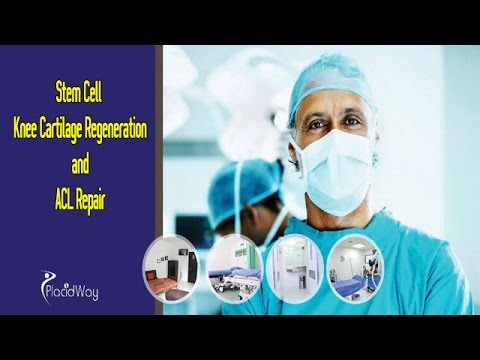







.png)










Share this listing