
-in-India.png)
Failed Back Surgery Syndrome (FBSS) leaves patients trapped in a cycle of chronic pain, often feeling that conventional medicine has run out of options. For those seeking lasting pain relief after unsuccessful spinal procedures, regenerative medicine offers a powerful, non-surgical alternative. India, specifically Mumbai and New Delhi, has rapidly become a global epicenter for this advanced treatment, combining cutting-edge stem cell protocols with vastly affordable healthcare costs.
This comprehensive guide explores how stem cell therapy targets the underlying causes of FBSS—such as epidural fibrosis and disc degeneration—and why international patients are choosing JCI-accredited hospitals across India for this complex and highly specialized regenerative procedure.
Key Takeaways: FBSS Stem Cell Treatment
Choosing India for stem cell treatment for Failed Back Surgery Syndrome provides an unparalleled advantage in both cost savings and access to high-volume regenerative specialists. This complex procedure targets the root cause of chronic pain, moving beyond temporary symptom management.
PlacidWay partners with leading Indian regenerative facilities to deliver predictable and comprehensive care packages, ensuring seamless medical travel for international patients.
- Cost Savings: Patients realize average savings of 50% to 75% compared to similar FBSS regenerative protocols in the USA or Western Europe.
- Comprehensive Packages: Treatment includes autologous stem cell harvesting (from fat or bone marrow), lab processing and expansion, precision-guided injection (often fluoroscopic or CT-guided), and initial post-treatment rehabilitation support.
- Leading Destinations: Top-tier stem cell centers are predominantly located in metropolitan areas like Gurugram, New Delhi, and Mumbai, which host numerous JCI-accredited hospitals.
- Average Cost Breakdown (Stem Cell Therapy for Complex Spine Conditions):
- India (New Delhi, Mumbai): $6,000–$14,000 USD
- Turkey (Istanbul, Ankara): $8,000–$18,000 USD (Varies by cell count and complexity)
- Mexico (Cancun, Tijuana): $7,500–$16,000 USD
Understanding Failed Back Surgery Syndrome (FBSS): Causes, Symptoms, and Statistics
Failed Back Surgery Syndrome (FBSS) is defined as persistent or recurrent chronic pain three months after a spinal procedure, affecting up to 40% of post-operative patients. The condition is complex, often caused by nerve root irritation, scar tissue formation, or biomechanical instability.
The term Failed Back Surgery Syndrome is an umbrella diagnosis for persistent pain following one or more spinal operations. Despite technical success in surgery, the pain pathway remains active. This persistent condition can be just as debilitating as the original ailment, severely impacting the quality of life and ability to maintain employment. The high incidence rate—with conservative estimates suggesting 15-40% of patients experience chronic pain—highlights the need for advanced, non-surgical treatment options.
The causes of FBSS are multi-factorial and often subtle. They include new-onset spinal stenosis, recurrent disc herniation, pseudarthrosis (failed fusion), and perhaps the most common contributor, epidural fibrosis (scar tissue formation around the nerve roots). Stem cell therapy, particularly in leading facilities in Mumbai and Bangalore, targets the underlying inflammation and tissue damage that perpetuates this pain cycle, offering a pathway toward regenerative healing.
What Makes Traditional Re-Surgery Risky?
Revision surgery often carries higher risks and diminishing returns compared to the initial procedure, with success rates decreasing significantly after the second or third intervention. This makes non-invasive regenerative solutions critical.
For decades, the primary recourse for FBSS was further surgery. However, studies show that the cumulative incidence of reoperation for lumbar stenosis can reach nearly 18.4% at 10 years, and subsequent surgical attempts are less likely to resolve the pain. Each additional surgery increases the risk of complications, including further scar tissue (fibrosis), which ironically contributes to the very syndrome the surgeon is attempting to fix. This is why non-surgical, minimally invasive procedures, like those practiced by spine specialists in Delhi NCR and Chennai, are preferred for mitigating chronic post-surgical spinal pain.
The World Health Organization (WHO) identifies India as a major hub for medical tourism due to its combination of advanced technology and low operational costs. This competitive environment ensures that regenerative medicine protocols—including autologous stem cell treatments for FBSS—are performed using high-grade technology (like specialized centrifuges and clean-room labs) at a fraction of the price found in countries like the UK or Canada.
The Regenerative Leap: Stem Cell Therapy for FBSS in India
Stem cell therapy provides a paradigm shift by addressing the cellular and inflammatory components of FBSS rather than simply correcting structural mechanics. It utilizes the body’s own healing potential to regenerate tissue and modulate chronic nerve signaling.
Stem cell therapy represents the future of spine care. Unlike pain medications or steroid injections, which only mask symptoms, regenerative treatments aim to promote actual tissue repair and regeneration. For FBSS patients, the goal is twofold: reduce inflammation around irritated nerve roots and stimulate healing in degenerated discs or weakened spinal segments.
India’s regenerative medicine centers are adopting advanced international protocols, focusing on safety and efficacy. These treatments typically involve a minimally invasive procedure where concentrated, high-quality Mesenchymal Stem Cells (MSCs) are administered directly into the damaged area—such as an intervertebral disc (intradiscal injection), or the epidural space where scar tissue is prevalent (epidural injection). The process, guided by precise fluoroscopic or CT imaging, ensures maximum cell delivery to the pain source, a crucial factor for the success of FBSS stem cell protocols in Indian hospitals.
Mesenchymal Stem Cells (MSCs): The Healing Architects
MSCs are multipotent cells typically derived from bone marrow or fat tissue, chosen for their ability to differentiate into cartilage, bone, and fat cells, and their potent immunomodulatory and anti-inflammatory effects essential for soothing neuropathic pain.
MSCs are the workhorses of regenerative medicine. When treating Failed Back Surgery Syndrome, these cells perform two primary functions. First, they release growth factors and anti-inflammatory molecules that actively suppress the pain signals and chronic inflammatory environment created by the original surgery and subsequent fibrosis. Second, for cases involving degenerative disc disease that may have led to the initial surgery, MSCs have the potential to stimulate the native cells within the disc to repair the damaged nucleus pulposus, potentially reversing some level of disc degeneration.
The selection between Bone Marrow-Derived MSCs (BM-MSCs) and Adipose-Derived MSCs (AD-MSCs) is determined by the specialist based on the specific patient pathology and the target tissue. Facilities in Mumbai and Gurugram specializing in spine care are equipped with the necessary expertise and laboratory infrastructure to handle either type of cell with high viability.
"Stem cell research consistently shows that successful treatment for FBSS is heavily reliant on reducing the intense neuro-inflammation that defines chronic pain. The unique anti-inflammatory action of MSCs, delivered via precision-guided injection in a clean-room setting, is fundamentally different from simple steroid use, offering a biological chance for long-term nerve pain modulation."
Step-by-Step Treatment Journey: Stem Cell Protocol in Mumbai and New Delhi
The journey begins with comprehensive diagnostics, followed by safe cell harvesting, laboratory processing under strict quality control, and ends with the precision-guided injection of the concentrated cells, typically completed over a 3-5 day period.
Undergoing regenerative therapy in India is a streamlined process designed for the medical traveler. The process is meticulously planned to ensure safety, efficacy, and comfort. The standard FBSS stem cell protocol in leading Indian medical centers follows these key phases:
Harvesting and Preparation (Autologous Sources)
Stem cells are sourced primarily from the patient's own bone marrow (iliac crest) or adipose tissue (mini-liposuction), processed immediately using centrifugation or specialized lab culture to concentrate the highest viable cell count.
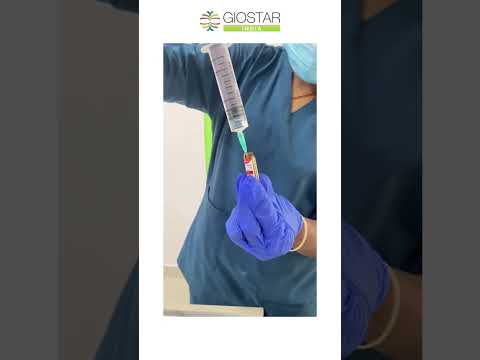
The procedure usually starts with Cell Harvesting. For BM-MSCs, a small amount of bone marrow is extracted from the hip bone (iliac crest) under local anesthesia. For AD-MSCs, fat tissue is collected via a minor mini-liposuction procedure. These are both low-risk, minimally invasive procedures. Following collection, the tissue is immediately transported to the hospital's specialized laboratory. Here, the cells undergo centrifugation and often expansion (culturing) to isolate and maximize the concentration of the Mesenchymal Stem Cells. High cell viability and count are key performance indicators for top regenerative clinics in India.
Precision Guided Administration (Intradiscal or Epidural)
The concentrated stem cell suspension is injected directly into the damaged area, such as the degenerated disc or the fibrotic epidural space, utilizing advanced imaging techniques like fluoroscopy or CT scans for pinpoint accuracy.
This phase is critical for the success of the treatment. The regenerative specialist uses real-time imaging (e.g., C-Arm Fluoroscopy) to navigate a thin needle to the exact location of the spinal pathology—the irritated nerve root, the affected facet joint, or the degenerated disc. This precision-guided injection ensures that the maximum therapeutic dose of stem cells for FBSS reaches the area of chronic inflammation or tissue damage. The entire injection procedure is quick, typically lasting under an hour, and patients are monitored for a short period before being discharged to recover in their local accommodation in Mumbai or New Delhi.
India’s regulatory framework for regenerative therapies, while cautious, permits the use of autologous (patient's own) stem cell therapies under certain ethical guidelines. This enables leading JCI-accredited facilities in cities like Gurugram and Bangalore to implement protocols that would be restricted or prohibitively expensive in jurisdictions with highly restrictive regulatory landscapes, providing patients with access to advanced care.
Why Choose India for FBSS Stem Cell Treatment? Cost & Quality Advantage
India offers a unique confluence of highly specialized, high-volume regenerative specialists, internationally recognized JCI-accredited hospitals, and dramatically lower operational costs, making it the most cost-effective and high-quality choice for international patients.
The choice of India for advanced spine treatments is driven by three primary factors: expertise, accreditation, and cost. Indian hospitals, especially in major metro areas like Mumbai, Delhi NCR, and Chennai, treat a massive volume of international patients, leading to a high level of specialist experience in complex procedures like regenerative spine injections for FBSS. This experience translates directly into improved patient safety and outcomes.
Furthermore, the high concentration of JCI-accredited and ISO-certified medical facilities ensures that patients receive care compliant with the highest global standards, encompassing infection control, patient safety protocols, and ethical treatment guidelines. This combination of world-class standards and an overall economic environment that reduces overhead costs allows for the exceptional affordability of stem cell therapy compared to Western counterparts.
Comparative Cost Analysis: India vs. the West
The difference in pricing for complex stem cell treatments can exceed $30,000 USD, with India providing superior value by including services like diagnostic tests and transfers that are often billed separately elsewhere.
The pricing structure for FBSS stem cell treatment in the United States or Western Europe can soar well above $30,000, often excluding necessary diagnostics, post-treatment care, and accommodation. In contrast, comprehensive packages offered by Indian medical tourism providers often range from $6,000 to $14,000 USD. This incredible value proposition includes the sophisticated laboratory work and the expertise of regenerative specialists, ensuring that international patients receive affordable, high-quality care without compromising on safety or technology.
"When assessing the value of medical tourism for FBSS, patients must look beyond the base price. In India, the highly skilled regenerative doctors work within systems backed by JCI accreditation, meaning the entire care continuum—from initial diagnostic imaging to the cell processing lab—adheres to strict quality control. This level of comprehensive, certified care is what truly defines the value proposition of choosing India for spine treatment."
Detailed Stem Cell Therapy Cost Comparison for Chronic Spinal Pain
| Procedure | Country | Price Range (USD) | Typical Inclusions | Total Stay Time (Approx.) |
|---|---|---|---|---|
| FBSS Stem Cell Protocol | India (Mumbai/Delhi) | $6,000 - $14,000 | Diagnostics, Cell Harvesting, Lab Processing, Precision Injection, Medications, Transfers. | 5 - 7 Days |
| FBSS Stem Cell Protocol | Turkey (Istanbul) | $8,000 - $18,000 | Consultations, Cell Harvesting, Treatment, Accommodation (Often Optional). | 7 - 10 Days |
| FBSS Stem Cell Protocol | Mexico (Cancun) | $7,500 - $16,000 | Treatment Sessions, Medical Consults, Initial Follow-up. | 4 - 6 Days |
| FBSS Stem Cell Protocol | USA/Canada | $20,000 - $50,000+ | Procedure Fee Only; Diagnostics and Follow-ups Billed Separately. | 1 - 3 Days (Outpatient) |
Safety Profile and Expected Outcomes of Stem Cell Therapy
Autologous stem cell therapy boasts a favorable safety profile, minimizing the risk of rejection or immune reactions. Patients typically experience substantial pain reduction (70-80% reported success in some studies) and improved functional capacity over 3-12 months.
The safety of regenerative medicine for the spine is paramount. By using autologous stem cells—cells harvested from the patient's own body—the risk of rejection or severe immune reaction is virtually eliminated. Side effects are usually minimal, often limited to temporary soreness or stiffness at the harvest or injection site, which resolves quickly. This is a significant advantage over revision surgery, which carries risks of infection, nerve damage, and further scarring.
The expected outcomes for FBSS patients are focused on long-term pain modulation and functional improvement. While the procedure itself is quick, the biological process of regeneration takes time. Studies indicate that patients with chronic back pain can achieve a 70-80% reduction in discomfort and experience enhanced functionality, allowing them to resume previously impossible activities. Full regenerative results are typically measurable between six to twelve months post-treatment, making patience and adherence to the post-treatment regimen essential for maximizing the success of stem cell therapy in India.
"The true measure of success in treating Failed Back Surgery Syndrome is not just pain reduction but the restoration of life quality. Stem cell therapy addresses the root inflammation and cellular degradation that traditional treatments miss. For medical travelers to India, the durability of the outcome—potentially years of reduced pain due to biological repair—is the compelling advantage over short-term interventions like radiofrequency neurotomy."
Frequently Asked Questions (FAQ) about FBSS and Stem Cell Therapy
These are common queries from patients considering FBSS treatment packages in Delhi and Mumbai.
What is Failed Back Surgery Syndrome (FBSS)?
Failed Back Surgery Syndrome (FBSS) is a complex medical condition defined by chronic pain that persists or develops after spinal surgery, typically lasting for more than three months. It affects a significant percentage of patients, with causes ranging from residual mechanical issues and nerve damage to the formation of scar tissue, known as epidural fibrosis.
How does stem cell therapy treat FBSS, and is it a safe option?
Stem cell therapy for FBSS utilizes the regenerative power of Mesenchymal Stem Cells (MSCs), usually harvested from the patient's own body (autologous), to reduce inflammation, repair damaged disc tissue, and modulate chronic pain signaling. The procedure is minimally invasive and generally considered safe, with risks significantly lower than traditional revision surgery.
What is the typical cost range for FBSS stem cell treatment in India?
The typical cost for advanced stem cell therapy for Failed Back Surgery Syndrome in India, covering the necessary cellular processing and administration, generally ranges from $6,000 to $14,000 USD. This provides massive savings compared to the same advanced treatment protocols in North America or Western Europe.
How long does it take to see results after receiving stem cell therapy for chronic back pain?
Since stem cell therapy is a regenerative process that involves tissue repair, immediate relief is uncommon. Most patients begin reporting noticeable improvements, such as reduced pain and increased mobility, within 3 to 6 months post-treatment, with full regenerative effects developing over the course of a year.
What are the main causes of pain in FBSS that stem cells target?
The primary causes targeted include epidural fibrosis (scar tissue compressing nerves), adjacent segment disease (degeneration next to a fusion), and persistent discogenic pain. MSCs help by reducing the inflammation surrounding nerve structures and promoting cellular healing in degenerative tissues.
What kinds of stem cells are used for spine pain and FBSS?
The primary cells used are Mesenchymal Stem Cells (MSCs), derived either from the patient's own bone marrow (BM-MSCs) or adipose (fat) tissue (AD-MSCs). These cells are preferred for their ability to differentiate into various tissue types and their potent anti-inflammatory properties crucial for treating chronic spinal pain.
Are the medical facilities in India accredited for stem cell treatments?
Yes, many of the premier hospitals and specialized centers in major Indian cities like Mumbai and New Delhi hold international accreditations, such as Joint Commission International (JCI). These accreditations ensure that the regenerative medicine protocols and facility standards meet the highest global benchmarks for safety and quality.
What is the recovery period after the regenerative injection?
The physical recovery period is minimal, often allowing patients to resume light, daily activities within 24 to 48 hours. However, the biological regeneration requires adherence to specific post-treatment physical therapy and activity restrictions for several weeks to maximize the healing effect of the injected cells.
What percentage of patients experience significant improvement with this treatment?
Clinical research focused on chronic back pain and disc degeneration indicates promising results, with many patient-reported outcome studies showing a substantial reduction in pain (often 70% or more) and functional improvement. Individual results vary based on the severity of the original FBSS condition.
Is it possible to combine stem cell therapy with other rehabilitation treatments?
Yes, combining regenerative treatments with structured physical therapy and targeted rehabilitation programs is highly recommended. The stem cells reduce inflammation and promote tissue health, making subsequent physical therapy much more effective in restoring muscle strength and stability around the spine.
Ready to Move Beyond Failed Back Surgery Pain?
Don't let chronic pain from Failed Back Surgery Syndrome define your future. PlacidWay partners with the top JCI-accredited hospitals in India to connect you with world-class regenerative specialists offering advanced stem cell protocols.
We facilitate your entire medical journey, from diagnostics to post-treatment care, ensuring a seamless experience for your FBSS stem cell treatment in New Delhi or Mumbai.
Get a Free Quote for Regenerative Spine Therapy in India



-(6).png)
-(9).png)
.png)


.jpg)
.jpg)
.jpg)
.jpg)









Share this listing