


Type 2 Diabetes Recovery: How Regenerative Therapy Reverses Eye and Leg Complications
For millions of individuals, living with the progressive deterioration of metabolic syndrome feels like an unavoidable life sentence. Traditional medical approaches often focus entirely on symptom management, leaving patients vulnerable to the devastating long-term effects of chronic high blood sugar. As glucose levels fluctuate, the delicate blood vessels in the extremities and the retinas undergo severe, microscopic damage over time.
Today, a groundbreaking paradigm shift is occurring in the medical field. Through advanced Type 2 Diabetes recovery regenerative therapy, patients are experiencing profound healing at a cellular level. Watch to discover how one patient achieved a staggering 50% resolution of severe eye and leg problems with only half of their regenerative treatment completed, proving that true cellular repair is possible.
Video Chapters & Quick Navigation
The Systemic Burden of Elevated Blood Glucose
To fully grasp the magnitude of treating this metabolic disorder, we must first understand how chronically elevated blood sugar destroys the human body over time. When glucose levels remain unmanaged, the sugar essentially acts as a toxic agent within the bloodstream. It causes a dangerous chemical reaction known as glycation, which stiffens the blood vessels and restricts vital oxygen flow.
As noted at in the video, this constant state of vascular inflammation prevents essential nutrients from reaching the body's furthest extremities. The tiny capillaries responsible for nourishing the eyes, toes, and lower legs become completely blocked or severely damaged. This microvascular destruction is the primary root cause behind the most terrifying complications associated with this disease.
Patients are often told that these complications are an inevitable part of aging with a metabolic condition. However, modern medical science is beginning to challenge this outdated narrative. By targeting the systemic inflammation directly, doctors are finding new pathways to halt the progression of the disease.
Decoding Diabetic Neuropathy and Vascular Atrophy
One of the most debilitating manifestations of this circulatory failure is peripheral neuropathy. When the microscopic blood vessels in the lower legs and feet die off, the surrounding nerve endings are starved of oxygen. This leads to a terrifying progression of symptoms ranging from painful burning sensations to complete and total numbness.
When numbness sets in, patients lose the ability to feel minor cuts, blisters, or abrasions on their lower extremities. Due to the compromised immune response and poor blood flow, these tiny wounds quickly escalate into massive, non-healing ulcers. This dangerous cascade of events is the leading cause of non-traumatic lower limb amputations globally.
Finding an effective treatment for diabetic neuropathy in legs has historically been considered impossible by mainstream medicine. Traditional doctors typically prescribe heavy pain medications that merely mask the neurological distress without actually repairing the dying nerve tissues. This leaves patients trapped in a cycle of dependency while the underlying tissue destruction quietly continues.
The Science of Regenerative Medicine for Metabolic Repair
Regenerative therapy represents a monumental leap forward in how we approach chronic metabolic disorders. Instead of forcing the body to process synthetic drugs, this advanced medical protocol uses biological elements to trigger the body's innate healing mechanisms. At the core of this approach are mesenchymal stem cells and targeted cellular biologics.
These specialized cells are often referred to as the master coordinators of the human healing response. When introduced into a body suffering from systemic glucose damage, they immediately seek out areas of high inflammation. The physician in the video explains this homing mechanism clearly at , detailing how the cells migrate directly to the damaged pancreatic beta cells and peripheral tissues.
Once they arrive at the site of the damage, these regenerative cells release powerful growth factors and exosomes. These biological signals essentially reprogram the surrounding damaged cells, instructing them to reduce inflammation and begin the tissue repair process. This immunomodulatory effect is critical for patients whose bodies have been trapped in a chronic inflammatory state for decades.
Promoting Angiogenesis: Building New Blood Vessels
The true magic of regenerative therapy for type 2 diabetes lies in a biological process known as angiogenesis. This is the physiological process through which new blood vessels form from pre-existing ones. When growth factors are introduced into the damaged legs and eyes, they stimulate the dormant vascular network to begin branching out.
As new, healthy capillaries form, fresh, oxygen-rich blood is finally able to return to the oxygen-starved tissues. This sudden influx of blood flow is what allows dying nerve endings to regenerate and chronic ulcers to finally close. It is a biological rebuilding process that tackles the disease from the foundation up, rather than just suppressing the symptoms.
This vascular regeneration is why patients report a return of sensation in their feet and improved visual clarity. By restoring the physical infrastructure of the circulatory system, regenerative medicine offers a sustainable, long-term pathway to health restoration.
The 50% Recovery Milestone: Healing in Record Time
One of the most compelling aspects of the clinical case presented in the video is the speed of the patient's recovery. As highlighted at , the patient experienced a full 50% resolution of their severe leg and eye symptoms having only completed half of the prescribed treatment protocol. This rapid turnaround is practically unheard of in traditional endocrinology.
This rapid healing timeline occurs because regenerative therapies bypass the slow digestive and metabolic pathways required by oral medications. By delivering concentrated cellular healing factors directly into the patient's system, the biological repair mechanisms are activated almost instantly. The immediate reduction in systemic inflammation provides rapid relief from nerve pain and visual disturbances.
Achieving a 50% recovery halfway through the treatment provides immense psychological relief to the patient. It proves that the body is responding positively to the cellular intervention and motivates them to complete the therapeutic protocol. This milestone is a powerful testament to the efficacy of advanced biologics in reversing severe metabolic complications.
Why Timeline Matters in Severe Diabetic Cases
When dealing with aggressive vascular complications, time is the absolute most critical factor. Every single day that a patient's leg ulcer goes unhealed, their risk of developing a bone infection (osteomyelitis) skyrockets. Similarly, every week that retinal bleeding goes unchecked brings the patient closer to irreversible blindness.
Therefore, a treatment that can halt tissue degradation and reverse damage by 50% in just a few weeks is a literal lifesaver. It buys the patient's immune system the vital time it needs to recover and reorganize. This accelerated healing timeline is precisely why advanced treatments for diabetic nerve pain are becoming the new gold standard for severe cases.
Once the initial 50% threshold of healing is crossed, the body often creates a snowball effect of positive momentum. With reduced pain, patients can begin moving and exercising again, which further naturally lowers blood sugar. This creates a positive feedback loop that accelerates the remaining half of their recovery journey.
Reversing Vision Loss and Diabetic Retinopathy
Diabetic retinopathy is a terrifying complication that occurs when high blood sugar damages the delicate blood vessels in the retina. Initially, these tiny vessels begin to swell and leak fluid into the back of the eye, causing blurred and distorted vision. As the disease progresses, the eye attempts to grow new, abnormal blood vessels, which frequently rupture and bleed into the vitreous fluid.
Traditional treatments for these eye problems usually involve painful laser surgery to physically burn and seal the bleeding vessels. While this can stop the immediate bleeding, it permanently destroys portions of the patient's peripheral vision. Furthermore, it does absolutely nothing to heal the underlying vascular weakness that caused the bleeding in the first place.
Through the targeted application of stem cell treatment for diabetic retinopathy, doctors can address the ocular damage without destructive lasers. The regenerative biologics help to strengthen the capillary walls, preventing future leaks while reabsorbing the accumulated fluid. At , the patient details how the persistent cloudiness and dark floaters in their vision began to clear dramatically.
Protecting the Macula from Fluid Buildup
Another major ocular threat is macular edema, where fluid buildup specifically targets the exact center of the retina. This causes a devastating loss of central vision, making it impossible to read, drive, or recognize faces. Reversing this specific type of localized swelling requires incredibly precise cellular signaling.
Regenerative therapies introduce specialized anti-inflammatory proteins that command the ocular tissues to purge the excess fluid. As the swelling subsides, the pressure on the optic nerve is dramatically reduced. This allows the damaged photoreceptor cells to heal and resume sending clear visual signals to the brain.
Patients who underwent cellular therapy frequently report that colors appear brighter and the hazy edges of their vision sharpen. Restoring this visual acuity gives patients their independence back, profoundly improving their overall quality of life and mental health.
Healing Leg Ulcers and Restoring Peripheral Circulation
The progression of lower limb complications is perhaps the most physically visible and dangerous aspect of advanced metabolic disease. When peripheral artery disease (PAD) combines with severe nerve damage, the legs become incredibly vulnerable to catastrophic infection. A simple shoe blister can easily transform into a deep, necrotic wound that refuses to close.
Preventing diabetic leg amputation requires aggressive, immediate intervention to restore blood flow to the dying tissue beds. Traditional wound care often falls short because it only treats the surface of the skin. Dressings and topical ointments cannot force the body to grow the new arteries required to feed the starving flesh underneath the ulcer.
This is where regenerative medicine truly shines in a clinical setting. By injecting concentrated growth factors near the site of the wound, doctors can drastically reduce the diabetic leg ulcer healing time. The patient's testimony at confirms how the dark, discolored skin on their lower legs began returning to a healthy pink hue within weeks.
Reversing the Pain of Neuropathy
As the new blood vessels form and flush the lower extremities with oxygen, the damaged peripheral nerves slowly begin to regenerate. This neurological repair process is complex, but it is entirely possible with the right biological support. As the myelin sheath surrounding the nerves is rebuilt, the chaotic misfiring that causes burning pain stops.
Initially, patients may experience a tingling sensation as the numb areas of their feet begin to "wake up." Over the course of the treatment, this tingling gives way to restored, normal tactile sensation. Patients regain their balance, their ability to walk comfortably, and their confidence in physical mobility.
By resolving 50% of the leg complications in a matter of weeks, regenerative therapy allows patients to completely avoid the trauma of surgical amputation. It is a biological rescue mission that saves limbs, restores function, and drastically extends the patient's lifespan.
Comparing Traditional Care vs. Regenerative Treatment
To truly appreciate the value of advanced cellular therapies, it is helpful to compare them directly with the traditional standard of care. For decades, the medical establishment has relied heavily on synthetic pharmaceuticals to forcefully alter blood chemistry. While these medications are essential for acute crisis management, they fall woefully short when it comes to long-term tissue repair.
The fundamental difference lies in the objective of the treatment. Traditional medicine asks, "How can we artificially force the blood sugar down today?" Regenerative medicine asks, "How can we repair the damaged pancreatic cells so the body can regulate its own blood sugar tomorrow?" This shift in medical philosophy is changing the entire landscape of endocrinology.
| Treatment Aspect | Traditional Medicine | Regenerative Therapy |
|---|---|---|
| Primary Goal | Symptom suppression and glucose management. | Cellular repair and root-cause tissue regeneration. |
| Neuropathy Approach | Prescribe heavy nerve pain medications (Gabapentin). | Stimulate angiogenesis to repair dying nerve endings. |
| Vision Preservation | Destructive laser surgery to burn bleeding vessels. | Strengthen vascular walls and reduce macular fluid. |
| Duration of Care | Lifelong daily dependency on oral drugs and insulin. | Targeted, finite treatment protocols with lasting repair. |
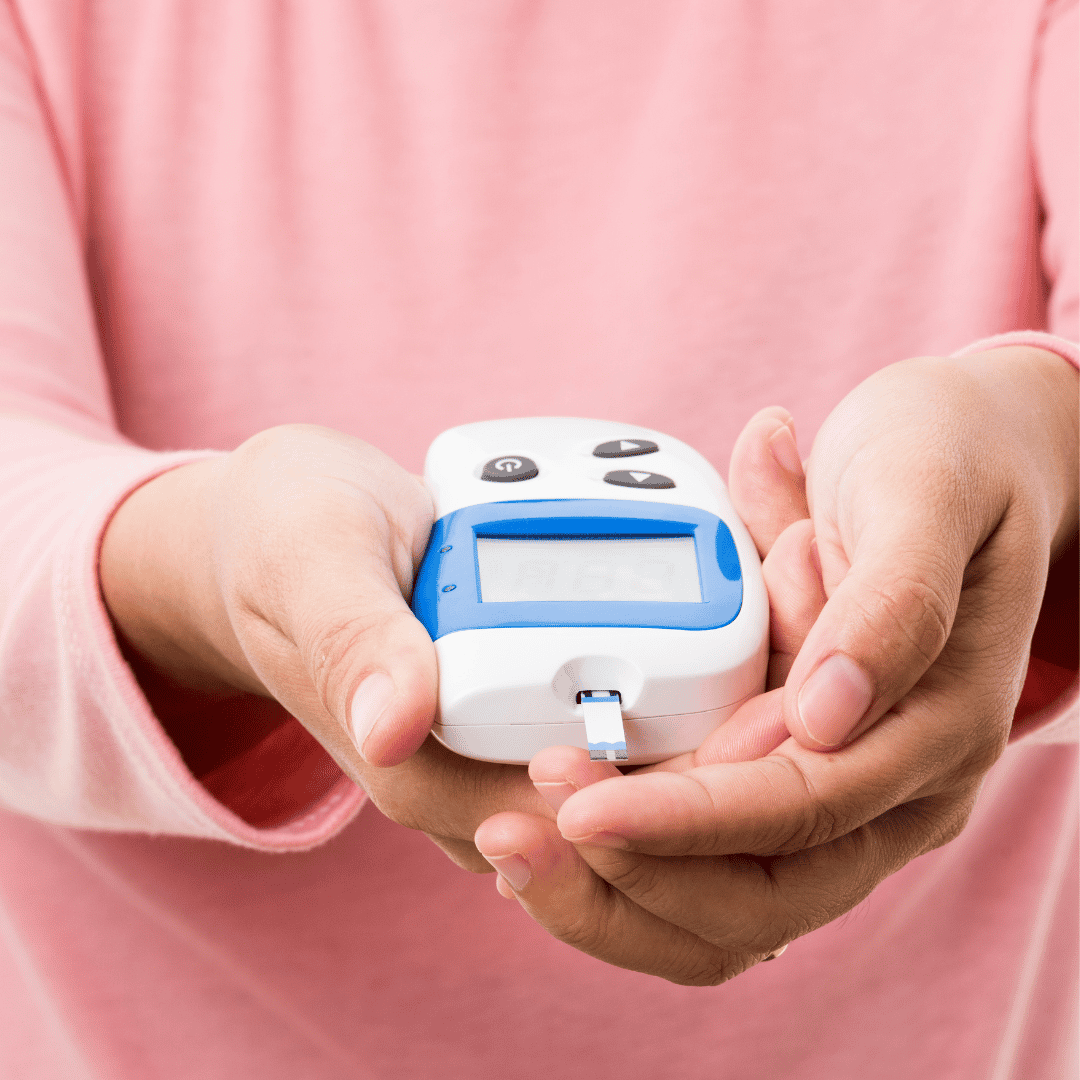
This comparison clearly illustrates why so many patients are actively seeking out ways to reverse type 2 diabetes naturally through advanced biologics. They are exhausted by the daily routine of finger pricks, insulin injections, and the constant fear of their next amputation or vision loss.
By investing in a protocol that actively rebuilds the body's internal infrastructure, patients are reclaiming their independence. The ability to dramatically reduce or eliminate the need for daily synthetic medications is a massive financial and psychological victory for these individuals.
Global Access: Why Patients Travel for Advanced Care
Despite the overwhelming clinical evidence supporting cellular repair, access to these cutting-edge therapies remains highly restricted in many Western nations. Strict regulatory frameworks and slow-moving bureaucratic approvals often prevent local clinics from utilizing the most potent and effective biological compounds available.
This regulatory bottleneck has led to a massive surge in medical tourism, as patients realize they do not have to wait decades for regulatory approval to save their own limbs. Specialized regenerative centers in Latin America, Europe, and Asia are operating under different, yet highly advanced, medical frameworks. These global clinics often have access to superior, ethically sourced mesenchymal cells that are simply unavailable domestically.
Furthermore, the stem cell therapy for diabetes type 2 cost is frequently much more affordable when pursued at a leading international medical center. Organizations like PlacidWay are instrumental in bridging this gap, helping patients safely navigate international borders to connect with world-renowned, board-certified regenerative specialists.
Are You a Candidate for Regenerative Healing?
Determining your eligibility for this advanced level of care requires a comprehensive medical evaluation. Doctors must review your current HbA1c levels, your history of vascular complications, and the exact severity of your neuropathy or retinopathy. Not every single patient will achieve a 50% recovery halfway through treatment, as results are highly dependent on individual biology and disease progression.
However, for those who qualify, the potential benefits far outweigh the risks of continuing on the path of traditional, degenerative decline. Patients who undergo these therapies are carefully monitored via advanced vascular doppler ultrasounds and specialized ophthalmic imaging to track their physical progress.
The journey to reclaiming your health from severe metabolic complications begins with education and proactive decision-making. By exploring global medical options, you unlock access to the very forefront of medical science. The opportunity to stop the damage, heal your legs, clear your vision, and dramatically improve your quality of life is well within your grasp.
Take the First Step Toward True Cellular Healing
Stop settling for treatments that only manage your symptoms while your condition silently worsens. PlacidWay connects you with the world's leading regenerative medicine clinics. Discover if you are a candidate to heal your eyes, save your legs, and reclaim your life.
REQUEST YOUR FREE MEDICAL CONSULTATION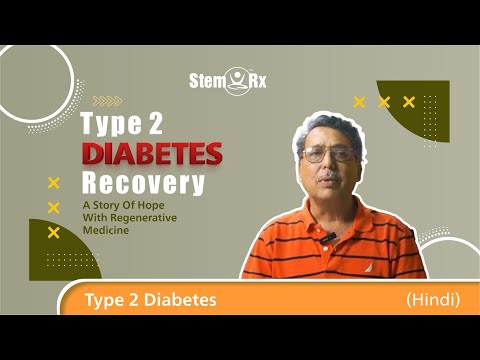



.png)

.png)
.png)
.png)


-(6).png)









Share this listing