
For families exploring regenerative care options for cerebral palsy, understanding what stem cell treatment in India involves, what medical qualifications to verify, and what costs may include is an important first step. Many international patients consider India because of its expanding regenerative medicine sector, availability of specialized neurological care, and differences in healthcare costs compared with countries such as the United States, Canada, the United Kingdom, and Australia. Before choosing a provider, you should review facility licensing, physician registration with the National Medical Commission (NMC), laboratory standards, treatment protocols, and the evidence available for your specific cerebral palsy condition.
Stem cell treatment for cerebral palsy is an area of ongoing clinical research. Some studies are investigating whether stem cells may influence inflammation, tissue repair mechanisms, or neurological recovery pathways, but outcomes can vary significantly depending on the type of cerebral palsy, age, severity, existing disabilities, and the treatment approach used.
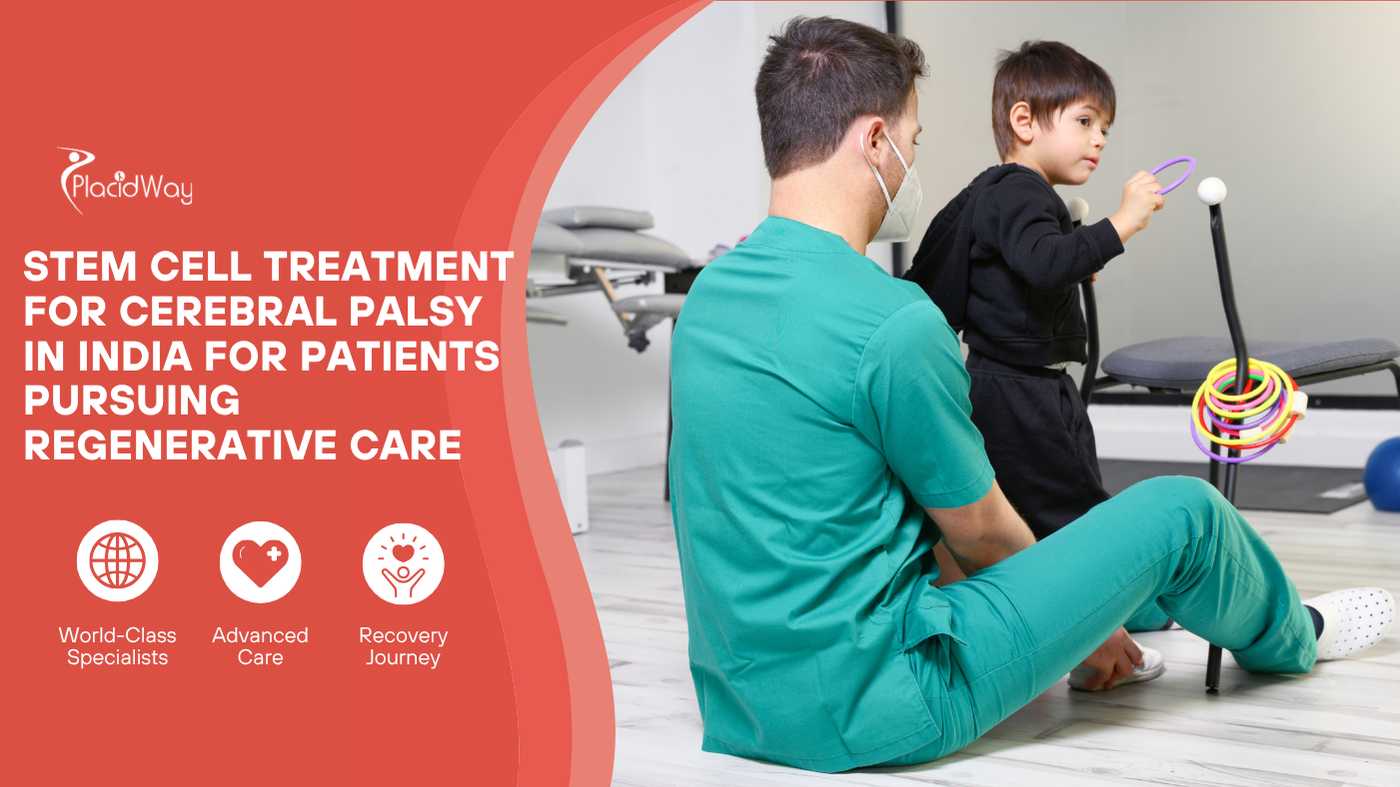
Quick Summary: Stem Cell Treatment for Cerebral Palsy in India
- Estimated cost: Stem cell treatment costs in India vary widely depending on the patient's condition, cell type used, medical evaluation, rehabilitation requirements, hospital facilities, and treatment plan. A precise cost should come from a licensed provider after assessment.
- Safety overview: Stem cell therapy for cerebral palsy remains an emerging treatment area. Patients should review clinical evidence, possible risks, and regulatory compliance before considering treatment.
- Potential candidates: Children and adults with cerebral palsy may be evaluated individually. Suitability depends on diagnosis, functional limitations, overall health, and medical history.
- Provider credentials: Verify that facilities are licensed by appropriate Indian health authorities, doctors are registered with the National Medical Commission (NMC), and laboratories follow recognized quality standards.
- Recovery expectations: Recovery and rehabilitation needs vary. Stem cell procedures, when offered, are often considered alongside supportive therapies such as physiotherapy, occupational therapy, and speech therapy.
- Why patients consider India: International families often compare India because of healthcare cost differences, availability of specialists, and access to multidisciplinary rehabilitation services.
- Important caution: No stem cell treatment should be considered guaranteed or a replacement for established cerebral palsy management approaches.
Understanding Stem Cell Treatment for Cerebral Palsy in India
Cerebral palsy is a group of neurological disorders caused by damage or abnormal development in the developing brain, affecting movement, muscle tone, posture, and coordination. Stem cell treatment for cerebral palsy in India is being explored as a regenerative approach that aims to understand whether certain types of cells may support repair processes within the nervous system.
Unlike conventional cerebral palsy management, which focuses mainly on improving function through rehabilitation, medications, assistive devices, and surgical procedures when needed, stem cell therapy investigates biological mechanisms such as cell signaling, immune response, and tissue support. Current scientific evidence does not establish stem cells as a universally proven cure for cerebral palsy.
Stem cell therapy for cerebral palsy is still being studied. Families should discuss available evidence, possible benefits, limitations, and risks with qualified neurologists or rehabilitation specialists before making treatment decisions.
Why International Patients Explore Cerebral Palsy Care in India
Families from different countries may consider India when searching for regenerative medicine options because treatment costs, healthcare availability, and access to multidisciplinary specialists can differ from their home healthcare systems.
- Families from the United States may compare treatment expenses and availability of regenerative medicine programs.
- Patients from Canada may explore international options when seeking additional consultations or treatment evaluations.
- Patients from the Middle East and neighboring Asian countries may consider India because of geographic accessibility.
- Families often look for combined neurological evaluation and rehabilitation support.
- Some patients seek additional opinions about emerging therapies while continuing standard cerebral palsy care.
| Patient Origin Region | Common Reason for Exploring India | Important Consideration |
|---|---|---|
| United States | Cost comparison and access to regenerative medicine evaluations | Review evidence and provider credentials carefully |
| Canada | Seeking additional treatment opinions | Plan travel around medical follow-up needs |
| Middle East and Asia | Regional accessibility and healthcare comparisons | Confirm language, documentation, and continuity of care |
Estimated Cost Distribution of Stem Cell Treatment Components in India
Evaluation Stem Cell
Procedure Hospital
Services Rehabilitation Travel
Illustrative Recovery Monitoring Timeline After Stem Cell Treatment
How Stem Cell Therapy for Cerebral Palsy Works in India
Stem cells are cells that have the ability to develop into different specialized cell types or influence surrounding biological processes. In cerebral palsy research, scientists are studying whether certain stem cell types may affect inflammation, support damaged areas, or encourage communication between cells.
The treatment pathway can differ between providers and research protocols. A typical medical evaluation may include reviewing previous diagnoses, imaging reports, developmental history, functional abilities, and current therapies before discussing possible options.
| Stage | What Happens | Patient Consideration |
|---|---|---|
| Medical Evaluation | Review of diagnosis, health history, and treatment goals | Ask how eligibility is determined |
| Treatment Discussion | Explanation of available options and evidence | Understand expected outcomes and limitations |
| Follow-up Planning | Rehabilitation and monitoring plans may be discussed | Confirm long-term care arrangements |
Ask providers whether the proposed stem cell treatment is part of a registered clinical study, an approved medical service, or another category under applicable Indian regulations.
Stem Cell Treatment Approaches Studied for Cerebral Palsy in India
Stem cell treatment for cerebral palsy in India may involve different research approaches depending on the type of cells being studied, the medical institution involved, and applicable regulatory requirements. Patients should understand that not every stem cell approach has the same scientific evidence or regulatory status.
Researchers are investigating whether certain stem cell-based approaches may influence biological processes involved in neurological injury. However, cerebral palsy is a complex condition involving permanent changes in brain development, and stem cells cannot currently be considered a guaranteed method to reverse these changes.
| Stem Cell Approach | What Researchers Study | Patient Consideration |
|---|---|---|
| Mesenchymal Stem Cells (MSCs) | Researchers study their potential role in immune response, inflammation, and tissue-supporting signals. | Discuss available clinical evidence and regulatory status before treatment. |
| Bone Marrow-Derived Cells | Some studies investigate whether these cells may influence repair mechanisms. | The suitability depends on individual diagnosis and medical assessment. |
| Umbilical Cord-Derived Cells | Research explores their biological properties and possible neurological applications. | Patients should ask about cell source, processing, and oversight. |
Be cautious of providers claiming stem cells can cure cerebral palsy, restore normal brain function, or guarantee recovery. Current evidence does not support guaranteed outcomes.
Who May Be Evaluated for Stem Cell Treatment for Cerebral Palsy in India
There is no single profile that automatically qualifies someone for stem cell treatment evaluation. Doctors usually consider multiple factors, including cerebral palsy type, severity, age, medical history, current abilities, and previous treatments.
A medical evaluation may include neurological assessment, review of imaging reports, developmental history, functional limitations, and rehabilitation progress. The purpose is to determine whether an emerging therapy is appropriate to discuss alongside established care options.
| Evaluation Factor | Why It Matters |
|---|---|
| Type of Cerebral Palsy | Different forms such as spastic, dyskinetic, or ataxic cerebral palsy affect movement differently. |
| Age and Development Stage | Age may influence treatment goals and rehabilitation planning. |
| Current Functional Ability | Doctors evaluate mobility, communication, feeding, and daily activities. |
| Overall Health | Other medical conditions may influence treatment decisions. |
Patient Demographics for Cerebral Palsy Regenerative Care in India
International patients considering cerebral palsy treatment in India often come from countries where families are seeking additional consultations, rehabilitation options, or access to emerging regenerative medicine programs. Patient demographics can vary because cerebral palsy affects people across childhood and adulthood.
Families usually travel with a child or adult patient accompanied by caregivers. Travel decisions are often influenced by healthcare costs, availability of specialists, rehabilitation support, and the ability to obtain a detailed medical evaluation.
| Patient Group | Common Travel Motivation | Important Medical Focus |
|---|---|---|
| Children with Cerebral Palsy | Families may seek additional opinions about emerging therapies. | Development, mobility, communication, and rehabilitation goals. |
| Young Adults | Seeking long-term management options. | Independence, mobility, and quality-of-life goals. |
| Adult Patients | Exploring additional neurological consultations. | Functional improvement and symptom management. |
Understanding Stem Cell Therapy Regulations and Patient Protection in India
India has developed regulatory frameworks to monitor stem cell research and prevent misleading claims. The Indian Council of Medical Research (ICMR), National Medical Commission (NMC), Department of Biotechnology (DBT), and Central Drugs Standard Control Organization (CDSCO) play important roles in establishing oversight standards. :contentReference[oaicite:0]{index=0}
For cerebral palsy and many other neurological conditions, patients should carefully confirm whether a proposed stem cell intervention is an approved medical application, part of a registered clinical research pathway, or an investigational approach requiring additional oversight. :contentReference[oaicite:1]{index=1}
| Organization | Role |
|---|---|
| Indian Council of Medical Research (ICMR) | Develops ethical guidance and frameworks for biomedical research. |
| National Medical Commission (NMC) | Regulates medical professionals and professional standards. |
| Central Drugs Standard Control Organization (CDSCO) | Provides regulatory oversight for drugs, biological products, and clinical research pathways. |
| Institutional Ethics Committees | Review research ethics, patient consent, and safety considerations. |
- Is this treatment approved for cerebral palsy or being offered under research?
- What regulatory approvals apply to this specific protocol?
- Who supervises the medical procedure?
- What evidence supports this approach?
- What risks and follow-up requirements should patients expect?
Cost of Stem Cell Treatment for Cerebral Palsy in India
The cost of stem cell treatment for cerebral palsy in India varies significantly because each patient's medical needs are different. Factors that influence pricing include the type of stem cell approach considered, diagnostic evaluations, hospital facilities, specialist involvement, rehabilitation requirements, length of stay, and follow-up care.
International patients should request an itemized cost estimate before traveling. A quoted amount may include medical consultations and procedures, but some expenses such as flights, accommodation, additional rehabilitation sessions, medications, diagnostic tests, or extended stays may be separate.
There is no universal price for cerebral palsy stem cell treatment. A responsible provider should evaluate medical records before discussing expected costs.
Estimated Cost Components for Cerebral Palsy Stem Cell Care in India
| Cost Component | What It May Include | Cost Variation Factors |
|---|---|---|
| Medical Evaluation | Neurological consultation, medical history review, diagnostic assessment | Specialist fees and required investigations |
| Stem Cell Procedure | Cell processing, administration, medical monitoring | Cell type, protocol, facility requirements |
| Hospital Services | Facility charges, nursing support, observation | Hospital category and duration of care |
| Rehabilitation | Physiotherapy, occupational therapy, supportive therapies | Frequency and duration of sessions |
| Travel Expenses | Flights, accommodation, local transportation | Country of origin and length of stay |
Comparing Cerebral Palsy Treatment Costs Between India and Other Countries
Families often compare healthcare expenses internationally when exploring cerebral palsy treatment options. However, direct comparisons can be difficult because healthcare systems, insurance coverage, regulations, and treatment availability differ between countries. The table below provides general cost considerations rather than fixed prices. Actual costs depend on the patient's evaluation and the services included.
| Country | General Cost Environment | Patient Considerations |
|---|---|---|
| United States | Medical care costs are generally higher due to healthcare system expenses. | Insurance coverage and clinical trial availability vary. |
| Canada | Public healthcare covers many services, but access to specific emerging treatments may differ. | Patients should evaluate travel benefits carefully. |
| United Kingdom | Healthcare access depends on NHS pathways and private options. | Discuss evidence and alternatives with specialists. |
| India | Healthcare costs are often lower compared with many Western countries. | Verify provider qualifications and regulatory compliance. |
Choosing Hospitals for Stem Cell Treatment for Cerebral Palsy in India
Selecting a hospital or medical center requires more than comparing prices. Patients should verify whether the facility operates under appropriate Indian healthcare regulations and whether qualified specialists manage neurological assessments and treatment decisions.
India has several healthcare accreditation and regulatory systems that patients can review. National accreditation is not a guarantee of treatment outcomes, but it can provide information about healthcare quality systems and institutional standards.
| Credential or Certification | Why Patients Should Review It |
|---|---|
| State Healthcare Registration | Confirms the facility operates according to applicable local requirements. |
| National Accreditation Board for Hospitals & Healthcare Providers (NABH) | Indicates adherence to recognized healthcare quality standards. |
| Laboratory Quality Standards | Important when biological products or cell processing are involved. |
| Ethics Committee Oversight | Important for research-related treatments. |
- Confirm facility registration and licensing information.
- Ask which regulatory body oversees the treatment.
- Review the qualifications of neurologists and specialists involved.
- Request written information about treatment risks and follow-up care.
- Confirm emergency support and hospital transfer arrangements.
- Ask whether rehabilitation services are available.
Choosing Doctors for Cerebral Palsy Stem Cell Treatment in India
The doctor leading your evaluation should have appropriate medical training, registration, and experience relevant to cerebral palsy management. Stem cell treatment decisions often involve multiple specialties, including neurology, rehabilitation medicine, pediatrics, and other relevant fields.
| Credential to Verify | Why It Matters |
|---|---|
| National Medical Commission Registration | Confirms medical registration status in India. |
| Specialty Training | Shows relevant education in neurology, pediatrics, or rehabilitation. |
| Experience With Cerebral Palsy Patients | Helps ensure understanding of complex neurological needs. |
| Research Experience | Useful when discussing emerging therapies. |
- What evidence supports this treatment approach?
- What outcomes are realistic for this diagnosis?
- What risks should families understand?
- What rehabilitation support is recommended?
- How will progress be monitored after treatment?
Risks and Limitations of Stem Cell Treatment for Cerebral Palsy in India
Stem cell treatment for cerebral palsy in India should be approached with realistic expectations. While researchers continue studying regenerative medicine approaches, current evidence does not confirm that stem cells can reverse cerebral palsy or restore normal neurological function in every patient.
Like any medical procedure, stem cell interventions may involve risks. The possible risks depend on the cell source, administration method, patient health, and medical setting. A qualified healthcare professional should explain potential complications before treatment.
| Possible Concern | Explanation | Patient Action |
|---|---|---|
| Infection Risk | Medical procedures involving cell administration may carry infection-related risks. | Confirm sterile procedures and facility standards. |
| Uncertain Outcomes | Results can vary depending on diagnosis, age, and individual factors. | Avoid providers promising guaranteed improvements. |
| Financial Cost | Treatment expenses may include additional travel and rehabilitation costs. | Request complete written cost information. |
| Delayed Standard Care | Patients should not replace established therapies without medical guidance. | Continue recommended neurological and rehabilitation care. |
Recovery Timeline After Stem Cell Treatment for Cerebral Palsy
Recovery after stem cell treatment varies between patients. Some individuals may require observation immediately after the procedure, while longer-term progress assessment may involve rehabilitation and follow-up appointments.
Families should understand that neurological changes usually cannot be evaluated immediately. Doctors may monitor functional abilities, movement patterns, communication skills, and other patient-specific goals over time.
| Timeframe | Clinical Process | Patient Experience | Recommended Action |
|---|---|---|---|
| First Days | Medical monitoring and recovery from the procedure. | Some patients may experience temporary discomfort. | Follow medical instructions and attend check-ups. |
| First Weeks | Follow-up evaluation and rehabilitation planning. | Daily abilities continue to be monitored. | Maintain communication with the care team. |
| Following Months | Long-term assessment of functional goals. | Progress varies between individuals. | Continue recommended rehabilitation programs. |
Rehabilitation Support After Cerebral Palsy Stem Cell Treatment in India
Rehabilitation remains an important part of cerebral palsy management. Even when families explore regenerative medicine, therapies such as physiotherapy, occupational therapy, speech therapy, and assistive support may continue to play a role in maintaining and improving function.
- What rehabilitation program is recommended after treatment?
- How frequently should therapy sessions occur?
- Can rehabilitation continue after returning home?
- How will progress be measured?
Travel Planning for International Patients Seeking Cerebral Palsy Treatment in India
Families traveling internationally for cerebral palsy treatment should plan medical, logistical, and follow-up arrangements before departure. A complete medical review should happen before booking travel.
| Travel Stage | Patient Preparation | Important Questions |
|---|---|---|
| Before Travel | Collect medical records, scans, therapy history, and reports. | Does the doctor review records before arrival? |
| During Treatment | Coordinate accommodation, transportation, and appointments. | Who provides emergency assistance? |
| After Returning Home | Arrange continued medical communication. | How will follow-up evaluations occur? |
Comparing Stem Cell Treatment With Traditional Cerebral Palsy Management
Traditional cerebral palsy care focuses on improving function, independence, and quality of life through established approaches. Stem cell therapy is considered an emerging area being investigated alongside these methods rather than a replacement for them.
| Approach | Main Goal | Current Status |
|---|---|---|
| Physical Therapy | Improve mobility, strength, and daily function. | Established component of cerebral palsy care. |
| Occupational Therapy | Support independence in daily activities. | Common rehabilitation approach. |
| Stem Cell Research Approaches | Investigate biological repair mechanisms. | Research area requiring careful evaluation. |
Frequently Asked Questions About Stem Cell Treatment for Cerebral Palsy in India
Is stem cell treatment for cerebral palsy available in India?
Yes, some medical centers in India offer stem cell-related treatments or evaluations for cerebral palsy. Patients should verify regulatory status, evidence, and physician qualifications before proceeding.
Can stem cells cure cerebral palsy permanently?
No. Current medical evidence does not support claims that stem cells permanently cure cerebral palsy. Outcomes vary between patients.
How much does cerebral palsy stem cell treatment cost in India?
Costs vary depending on medical evaluation, treatment approach, hospital services, rehabilitation, and travel requirements. Patients should request personalized estimates.
What documents should international patients bring?
Patients should bring medical records, imaging reports, previous treatment history, therapy notes, and relevant diagnostic information.
Which certifications should I check before choosing an Indian stem cell clinic?
Patients should review facility licensing, physician registration with the National Medical Commission, applicable accreditation, and regulatory oversight.
How long should patients stay in India for treatment?
The required stay depends on the evaluation process, procedure type, monitoring needs, and rehabilitation plan.
Is stem cell therapy safe for children with cerebral palsy?
Safety depends on individual health factors, treatment methods, and medical supervision. Families should discuss risks with qualified specialists.
Should rehabilitation continue after stem cell treatment?
Many patients continue rehabilitation because therapy remains important for functional goals and long-term support.
Explore Cerebral Palsy Treatment Options With PlacidWay
Choosing an international medical treatment requires careful comparison and informed decisions. PlacidWay helps patients compare providers, understand treatment costs, prepare important questions, and explore available medical options based on individual needs.
Disclaimer
This information is for educational purposes only and does not replace professional medical advice. Always consult a qualified healthcare provider before making medical decisions.
References
- National Guidelines for Stem Cell Research – Indian Council of Medical Research
- Cerebral Palsy Information – Centers for Disease Control and Prevention
- Cerebral Palsy Overview – National Institute of Neurological Disorders and Stroke
- Rehabilitation Fact Sheet – World Health Organization
- National Medical Commission – India




.png)



-(5).png)




.jpg)
.jpg)
.jpg)
.jpg)








Share this listing