


The Ultimate Guide: Top 10 Questions You Should Ask a Knee Replacement Surgeon in Warsaw, Poland
Suffering from chronic joint pain can severely limit your mobility, independence, and overall quality of life. If you are considering traveling overseas to reclaim your active lifestyle, knowing the exact Top 10 Questions You Should Ask a Knee Replacement Surgeon in Warsaw, Poland is absolutely critical. Warsaw has rapidly emerged as a premier destination for affordable orthopaedic surgery in Europe.
This dynamic city offers world-class medical facilities and board-certified specialists who utilize the latest surgical advancements. However, before booking your flight for a medical tourism journey, you must thoroughly evaluate your prospective orthopedic specialist. Watch the video to understand how to ensure optimal safety, superior surgical results, and total peace of mind during your procedure abroad.
Video Chapters & Quick Navigation
- 1. Surgeon's Specific Experience
- 2. Prosthesis and Implant Selection
- 3. Minimally Invasive & Robotic Surgery
- 4. Clinic Success and Complication Rates
- 5. Understanding Package Costs
- 6. Post-Operative Pain Management
- 7. Rehabilitation Timelines in Poland
- 8. Safe Air Travel After Surgery
- 9. International Continuity of Care
- 10. Verifying Patient Testimonials
Making the decision to undergo joint arthroplasty is a major life event. When you add international travel to the equation, the need for rigorous research becomes even more paramount. Poland has established itself as a globally recognized hub for orthopedic excellence, drawing thousands of international patients annually.
However, the success of your procedure relies heavily on the expertise of the medical professionals managing your case. At in our video guide, we highlight that asking the right questions not only builds trust but ensures you are matched with a surgeon capable of addressing your unique anatomical needs.
1. What is Your Specific Experience with Total and Partial Knee Replacement Surgeries?
The field of orthopedics is vast, and many surgeons divide their time between sports injuries, trauma, and joint replacement. You do not want a general orthopedic surgeon; you want a dedicated joint replacement specialist. It is vital to ask about their annual surgical volume.
Medical studies consistently show that high-volume surgeons—those performing more than 100 knee replacements annually—have significantly lower complication rates. Furthermore, you must clarify if they specialize in both Total Knee Arthroplasty (TKA) and Unicompartmental (Partial) Knee Arthroplasty (UKA).
If your arthritis is isolated to just one compartment of the knee, a partial replacement offers a faster recovery time and preserves more of your natural bone and ligaments. The best knee surgeons in Poland will always evaluate you for the least invasive option first rather than applying a one-size-fits-all approach.
2. What Type of Knee Prosthesis Do You Recommend for My Specific Lifestyle?
Not all artificial knees are created equal. As discussed at , the longevity and functionality of your new joint depend heavily on the quality of the materials used. Premium clinics in Warsaw exclusively utilize FDA-approved and CE-marked implants from globally recognized manufacturers.
Understanding Implant Materials and Brands
Top-tier brands like Zimmer Biomet, Stryker, and Smith & Nephew are the gold standard in joint replacement. You should ask your surgeon which brand they prefer and why it suits your anatomy.
Additionally, discuss the bearing surfaces. Modern implants often feature highly cross-linked polyethylene paired with cobalt-chromium or titanium components, drastically reducing the wear rate. If you have metal allergies, this is the exact moment to ask about hypoallergenic ceramic or oxidized zirconium implant options.
3. Do You Utilize Minimally Invasive Surgery (MIS) or Robotic-Assisted Techniques?
The surgical technique utilized will dictate the trajectory of your recovery. Traditional knee replacement requires a long incision and significant disruption to the quadriceps muscle. Conversely, minimally invasive joint replacement in Warsaw utilizes specialized instruments to access the joint through a much smaller incision.
The Advantage of Robotic-Assisted Knee Arthroplasty
Many elite private hospitals in Warsaw now feature state-of-the-art robotic systems, such as the Mako Robotic-Arm Assisted Surgery or the NAVIO system. You must ask if your surgeon is certified to use these technologies.
Robotic-assisted knee arthroplasty allows the surgeon to create a 3D virtual model of your unique anatomy prior to making a single incision. This results in sub-millimeter precision when aligning the implant, which is crucial for the long-term survivorship of the prosthesis and provides a more natural-feeling knee.
4. What is the Precise Success Rate and Complication Rate for This Clinic?
Transparency is the hallmark of a world-class medical institution. A reputable surgeon will never hesitate to share their clinical outcomes. As we note at , you should specifically ask about their rates of deep vein thrombosis (DVT), joint infection, and early implant failure.
In top Polish orthopedic centers, infection rates hover well below the global average of 1%. You should also inquire if the clinic reports their data to a national or international joint registry. Clinics that undergo this level of rigorous peer review hold themselves to the highest standards of European medical care.
5. What Does the Comprehensive Knee Replacement Package Cost in Warsaw Include?
One of the primary drivers for medical tourism is the significant financial savings. However, a low initial quote can sometimes be misleading if it does not cover all aspects of your care. You must ask for an itemized breakdown of the total knee replacement cost in Poland.
A truly comprehensive medical tourism package should include the surgeon's fee, the anesthesiologist's fee, the cost of the premium prosthetic implant, all pre-operative diagnostic tests (X-rays, ECG, blood work), the hospital stay, and post-operative medications. Reputable facilitators like PlacidWay ensure that there are no hidden fees upon your arrival.
Cost Comparison Breakdown
| Country | Estimated Cost (USD) | Wait Time |
|---|---|---|
| United States | $35,000 - $50,000+ | 1 - 3 Months |
| United Kingdom (Private) | $15,000 - $20,000 | 6 - 18 Months (NHS) |
| Warsaw, Poland | $6,500 - $8,500 | Immediate / No Wait |
6. How Will My Pain Management Protocol Be Handled Post-Surgery?
Fear of post-operative pain is a major barrier for many patients considering joint replacement. Modern orthopedic protocols have vastly improved in this area. You should ask your surgeon if they employ a multi-modal pain management strategy.
Instead of relying heavily on systemic narcotics, which can cause severe nausea and grogginess, leading clinics in Warsaw utilize targeted regional anesthesia. As mentioned at , techniques such as spinal blocks combined with peripheral nerve blocks (like the adductor canal block) numb the surgical site directly.
This localized approach allows patients to remain alert, experience minimal discomfort, and dramatically accelerates the ability to participate in immediate physical therapy sessions.
7. What is the Expected Timeline for Physical Therapy and Rehabilitation in Poland?
The surgery itself is only half of the journey; aggressive, consistent rehabilitation is what guarantees a successful outcome. Ask your surgeon exactly when your physical therapy will commence. The modern European standard of care dictates "day-zero mobilization."
This means you will likely be assisted out of bed to stand or take a few steps with a walker on the very same day as your surgery. Early mobilization is highly effective at preventing blood clots and combating joint stiffness.
Furthermore, inquire if the hospital provides in-house physiotherapy or if you will be transferred to a dedicated rehabilitation center within Warsaw for the remainder of your stay. Knowing the partial knee replacement recovery time compared to a total replacement will help you set realistic mobility goals.
8. How Long Will I Need to Stay in Warsaw Before Flying Home Safely?
International medical travel requires careful logistical planning, particularly regarding deep vein thrombosis (DVT) risks associated with flying after major lower-limb surgery. You cannot simply have a knee replaced and board a transatlantic flight the next day.
Ask your surgeon for a strict timeline. Generally, patients are advised to remain in Warsaw for a minimum of 10 to 14 days post-operation. This crucial window allows the medical team to monitor your initial healing phase, manage any immediate post-surgical swelling, and safely remove your surgical staples or sutures.
Before you depart, your surgeon must provide official medical clearance indicating that you are stable enough to endure cabin pressure changes and prolonged sitting. They will also prescribe specific blood-thinning medications for your journey home.
9. What Happens If I Experience a Complication After Returning to My Home Country?
Continuity of care is the most critical aspect of cross-border healthcare. It is imperative that you ask how the Warsaw clinic handles long-term patient follow-up once you cross international borders. At , our video explains the importance of robust documentation.
A premier clinic will supply you with a comprehensive discharge summary translated into English. This dossier must include high-resolution post-operative X-rays, detailed operative notes, and the official manufacturer identification stickers for your specific knee implant.
Additionally, ask if the surgeon offers telemedicine consultations. The ability to schedule secure video calls to review your physical therapy progress or assess your incision site gives patients immense peace of mind during their domestic recovery phase.
10. Can You Provide Patient Testimonials or Case Studies from International Patients?
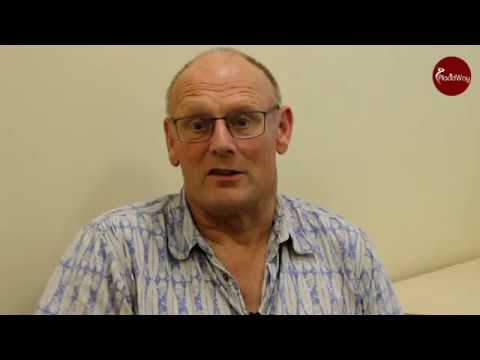
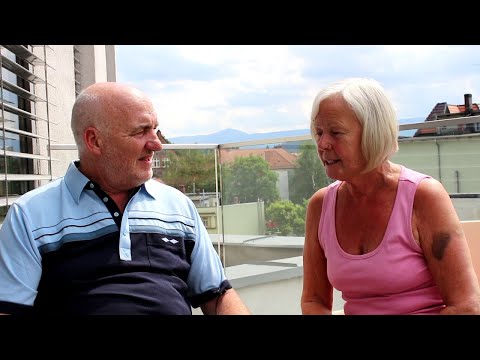
While looking at clinical credentials and complication rates is analytical, hearing about the actual patient experience provides emotional reassurance. You should always ask the international patient coordinator to share reviews, video testimonials, or case studies from people who traveled from your specific country.
Understanding how the hospital handles language barriers, cultural differences, and travel logistics is just as important as the surgery itself. A clinic that routinely caters to international medical tourists will have a dedicated English-speaking liaison to guide you through admission, surgical prep, and discharge seamlessly.
By asking these ten comprehensive questions, you transition from being a passive participant in your healthcare to an empowered, highly educated medical tourist. Warsaw, Poland offers elite orthopedic solutions that can restore your joint function, but taking the time to vet your surgeon ensures your investment yields a lifetime of pain-free movement.
Ready to Walk Pain-Free Again?
PlacidWay Medical Tourism connects you with board-certified orthopedic surgeons and premium, globally accredited clinics in Warsaw, Poland. Let us handle the complex logistics while you focus entirely on your recovery and reclaiming your active lifestyle.
GET A FREE ORTHOPEDIC QUOTE

















Share this listing