

What Should You Know Before Planning Hip Replacement in Poland?
- Purpose: Total hip replacement replaces damaged joint surfaces with prosthetic components to reduce pain and support useful movement.
- Price: The package starts at $6,500; confirm the implant, anesthesia, tests, hospital nights, medicines, therapy, transfers, and follow-up.
- Suitability: Diagnosis, X-rays, bone quality, general health, medication use, and ability to complete rehabilitation affect candidacy.
- Poland verification: Request the surgeon’s registration and experience, facility authorization, emergency capability, infection-control details, and implant documentation.
- Recovery: Walking often begins with a walker or crutches, while strength, comfort, balance, and wound healing develop gradually.
- Travel: The treating physician must clear your flight. Plan a companion, accessible transport, insurance, clot prevention, and home follow-up.
How Much Does Hip Replacement Cost in Jelenia Góra, Poland?
The starting price for this package is $6,500. Use it for early planning, not as a guaranteed final fee. The quote may change after review of your X-rays, diagnosis, implant requirements, anesthesia, medical conditions, hospital stay, rehabilitation, and any additional treatment.
Illustrative Private-Pay Comparison by Destination
| Destination | Indicative Planning Range | Important Comparison Point |
|---|---|---|
| Jelenia Góra, Poland | From $6,500 | Confirm implant, nights, therapy, medicines, taxes, and follow-up. |
| Germany | Often €15,000–€25,000+ | Hospital, surgeon, implant, and rehabilitation fees differ. |
| United Kingdom | Often £12,000–£20,000+ | Compare consultant, facility, implant, and aftercare. |
| United States | Often $30,000–$60,000+ | Insurance and facility billing vary widely. |
| Canada | Often CAD $20,000–$35,000+ | Access, province, implant, and private-care fees differ. |
These broad private-pay ranges are illustrative planning figures, not provider quotations. Currency, taxes, insurance, complexity, travel, and package scope can change the comparison.
Estimated Cost Breakdown for the $6,500 Planning Model
The hip replacement cost in Jelenia Gora, Poland can vary depending on the implant, surgical approach, hospital stay, rehabilitation, and individual medical needs. Ask for an itemized quote to confirm what is included in the package and which services may require additional payment.
| Procedure Item | Estimated Cost | Short Description |
|---|---|---|
| Orthopedic consultation and planning | $400 | Review of symptoms, imaging, health, and treatment plan. |
| Pre-operative tests and anesthesia assessment | $700 | Checks needed for surgical and anesthesia planning. |
| Surgeon and operating-room services | $2,200 | Primary hip replacement and operating-room care. |
| Hip implant components | $1,700 | Prosthetic components; confirm manufacturer and model. |
| Hospital stay and nursing care | $900 | Agreed inpatient monitoring and early recovery. |
| Early physiotherapy and discharge planning | $600 | Mobility guidance, therapy, and follow-up planning. |
| Estimated Total | $6,500 | Estimated only; final pricing follows medical assessment. |
What May Be Included in a Poland Hip Replacement Package?
Package scope must be confirmed in an itemized written quote. It may include:
- Orthopedic consultation, imaging review, treatment planning, and pre-operative assessment.
- Total hip replacement surgery and operating-room services.
- Specified implant components, with manufacturer and model documented.
- Anesthesia assessment and services when listed.
- Hospital accommodation for the agreed nights and routine nursing observation.
- Discharge instructions, early mobility guidance, initial physiotherapy, and follow-up when stated.
- Language support or local coordination only when expressly confirmed.
Which Expenses May Be Excluded From the Hip Replacement Package?
- Flights, visa or border costs, travel insurance, airport transfers, hotels outside the medical stay, meals, and companion expenses.
- Additional scans, specialist clearances, unrelated treatment, or tests repeated at home.
- Extended hospitalization, intensive care, emergencies, complications, or revision surgery.
- Extra physiotherapy, walking aids, home nursing, prescription medicines, or rehabilitation after leaving Poland.
- Emergency care and orthopedic follow-up in your home country.
- Implant upgrades or treatment for complex deformity unless specifically included.
Who May Be Suitable for Hip Replacement in Jelenia Góra?
Hip replacement is considered when joint damage causes ongoing pain and loss of function despite suitable non-surgical care. Suitability depends on diagnosis, medical fitness, and your ability to complete recovery away from home.
- Advanced osteoarthritis, inflammatory arthritis, avascular necrosis, fracture damage, or another destructive hip condition.
- Pain affecting walking, sleep, work, stairs, or personal care despite appropriate treatment.
- Medical fitness for anesthesia, with diabetes, heart, kidney, weight, or smoking risks reviewed and managed.
- Ability to use walking support, complete physiotherapy, take medicines, and attend follow-up.
- A safe home-care plan and a companion or caregiver for the early recovery period.
What Medical Records Are Needed for a Hip Replacement Quote?
- Recent standing hip and pelvis X-rays; CT or MRI if requested.
- Orthopedic reports, diagnosis, previous operations, and treatment history.
- Medicines, allergies, supplements, blood-thinner use, and relevant conditions.
- Recent blood tests, ECG, chest imaging, or specialist clearance when required.
- Walking ability, pain pattern, mobility aids, weight, smoking status, recent infections, and recovery support.
- Dental or urinary infection history and recent hospital admissions.
How Is Total Hip Replacement Performed in Poland?
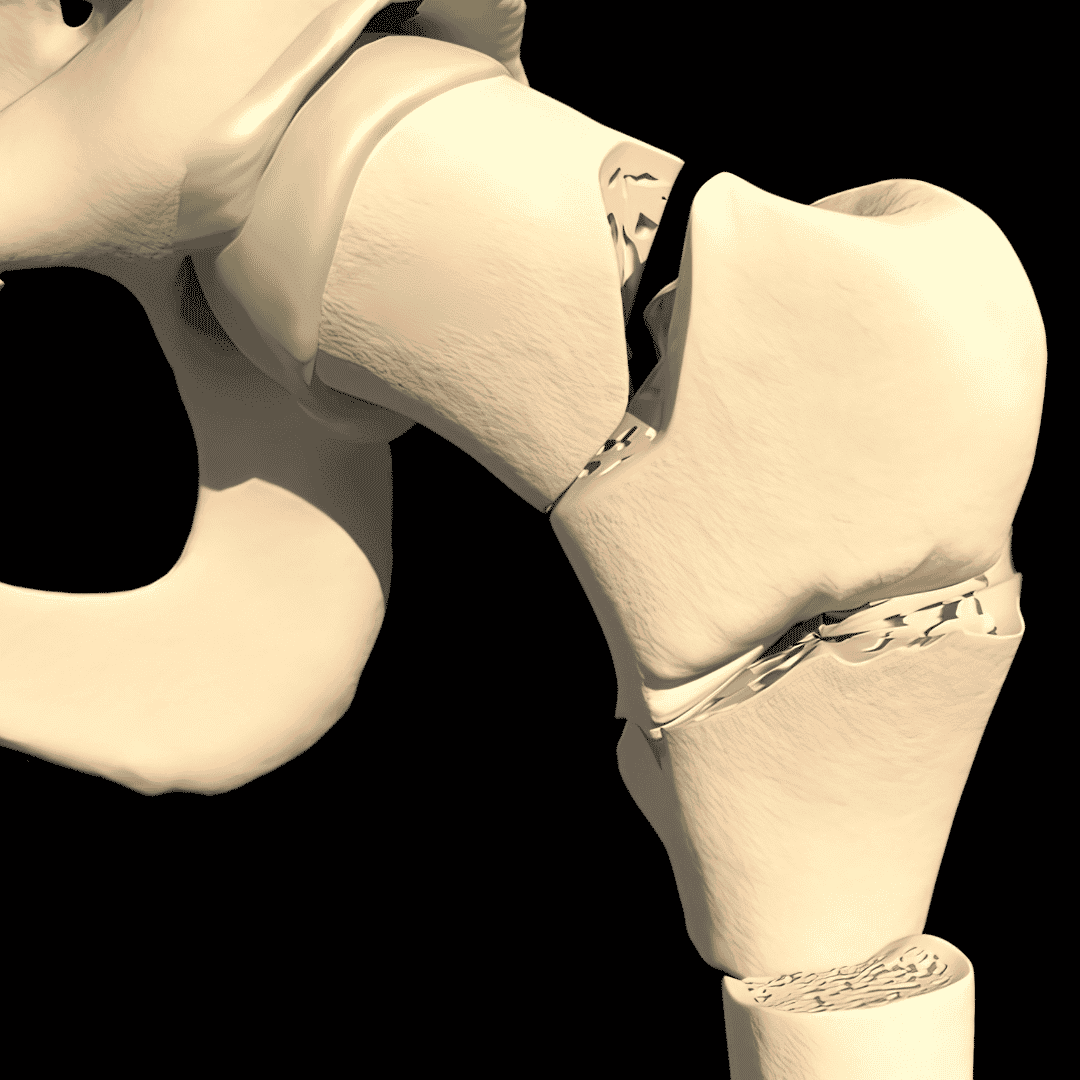
Total hip replacement removes damaged bone and cartilage and replaces the ball-and-socket surfaces with prosthetic components. Materials and design depend on anatomy, bone quality, activity, and clinical need.
- Review: The team confirms diagnosis, imaging, medicines, consent, and anesthesia fitness.
- Anesthesia: General or regional anesthesia is provided as recommended.
- Access: The surgeon reaches the hip through an approach suited to your anatomy.
- Replace surfaces: The femoral head is removed, the socket prepared, and components placed.
- Test and close: Movement, stability, and leg length are checked before closure and monitoring.
- Mobilize: Staff help you sit, stand, and walk with support when safe.
What Is the Treatment Timeline for Hip Replacement in Poland?
How Long Should You Stay in Jelenia Góra After Surgery?
Hospital recovery may take around 2–4 days, followed by local time for wound review, mobility checks, and travel planning. Many international patients should budget approximately 10–14 days in Poland, but this is not a guaranteed flight date.
- Allow extra days for swelling, pain, delayed mobility, wound concerns, or tests.
- Book the return flight only after surgeon clearance.
- Ask about blood thinners, compression, hydration, ankle exercises, and movement during the flight.
- Arrange a companion, accessible transport, suitable accommodation, and home clinician.
- Carry operative, implant, medicine, and emergency contact details.
Travel note: Long-distance travel after surgery can involve prolonged immobility. Your treating physician should determine when travel is medically appropriate based on your recovery and individual blood-clot risk.
Recovery and Aftercare After Hip Replacement
Recovery is gradual. Many patients walk with a walker or crutches early on, while pain, swelling, strength, and confidence improve over weeks. Exercises and precautions should be individualized.
- First days: Pain control, ankle exercises, safe transfers, wound care, and short assisted walks.
- First 2–6 weeks: Increase walking, complete exercises, protect the incision, and follow hip precautions.
- Weeks 6–12: Activity often increases, but driving, work, sport, and long travel require medical advice.
- Later months: Full recovery may take several months and varies with health, strength, implant, and complications.
- Long term: Maintain strength, avoid falls, attend reviews, and tell clinicians about the implant.
Risks and Possible Complications of Hip Replacement
This list is not exhaustive. Your orthopedic surgeon and anesthetist should explain risks related to your health, implant, operation, and travel.
- Infection in the wound or around the implant, sometimes requiring antibiotics or further surgery.
- Blood clots in the leg or pelvis, with possible pulmonary embolism.
- Bleeding, anemia, transfusion, or reaction to anesthesia.
- Damage to nerves or blood vessels, fracture, wound-healing problems, or stiffness.
- Dislocation, leg-length difference, instability, or persistent pain.
- Implant wear, loosening, or failure over time, sometimes requiring revision surgery.
- Heart, lung, kidney, or other medical complications.
- Travel-related swelling, discomfort, or clot risk if flying too soon.
Seek urgent medical advice for sudden breathlessness, chest pain, a painful swollen calf, fever or chills, increasing wound redness, wound drainage, sudden worsening pain, or inability to bear weight.
What Results Can You Reasonably Expect?
- Goals include reducing pain, improving walking and daily function, and restoring useful movement.
- Improvement varies with diagnosis, health, muscle condition, rehabilitation, and complications.
- Temporary pain, weakness, stiffness, numbness, or altered movement can occur during healing.
- Hip replacement does not guarantee pain-free movement, equal leg length, unrestricted sport, or permanent implant performance.
- Your surgeon should explain realistic improvement for your X-rays, goals, bone quality, and health.
- No numerical success rate is quoted here because outcomes depend on population, follow-up period, implant, and the definition of success.
How Should You Verify the Polish Facility and Surgeon?
No doctor or medical center was named, so no provider credentials, accreditation, certification, or outcome claims are made. Before paying, request:
- Surgeon’s name, orthopedic specialty, medical registration, and primary hip-replacement experience.
- Facility legal name, authorization for surgery, emergency capability, infection-control processes, and after-hours contact.
- Implant manufacturer, model, materials, traceability, and warranty terms.
- Written details of hospital nights, anesthesia, physiotherapy, medicines, transfers, and follow-up.
- Complication, revision, cancellation, extra-night, refund, and home-care policies.
Hip Replacement in Jelenia Góra: Patient FAQs
Is $6,500 the final hip replacement price?
Does the Poland package include the hip implant?
Who may be a suitable candidate for hip replacement?
Why do some patients consider hip replacement in Poland?
How long should I stay in Jelenia Góra after surgery?
When can I fly home after hip replacement?
What records are needed for a hip replacement quote?
How long does recovery after hip replacement take?
Are physiotherapy and medicines included?
What warning signs need urgent medical advice?
Trusted Medical and Travel References
- American Academy of Orthopaedic Surgeons: Total Hip Replacement
- American Academy of Orthopaedic Surgeons: Activities After Total Hip Replacement
- CDC Yellow Book: Medical Tourism
- World Health Organization: Safe Surgery
- NHS: Recovering from a Hip Replacement
Disclaimer: This page is for general informational and educational purposes only and is not medical advice. A qualified healthcare professional must assess your condition, treatment options, risks, travel fitness, and final cost.


























Share this listing