Orthopedic Surgery in Poland

Publish date: Modified date: Medically reviewed by: Dr. Raul Valenzano on Mar 30, 2026 Author: Aamina Bibi

Experience Price

$4,807 Price starting from
Orthopedic Surgery in Poland

Contents

Poland has rapidly become a premier destination for orthopedic surgery in Europe, attracting thousands of patients from the UK, Ireland, and Scandinavia who face long waiting lists or high costs at home. The country is renowned for its specialized private hospitals, such as the Carolina Medical Center in Warsaw (a FIFA Medical Centre of Excellence) and KCM Clinic in Jelenia Góra, which offer cutting-edge care for joint replacements, sports injuries, and spinal conditions.

Polish orthopedic surgeons are highly regarded for their expertise. Many have trained in the US or UK and are registered with the General Medical Council (GMC), ensuring communication is seamless and standards are equivalent to Western Europe. They utilize advanced techniques like minimally invasive arthroscopy, computer-navigated joint replacement, and custom 3D-printed implants.

A key advantage of choosing Poland is the emphasis on comprehensive rehabilitation. Unlike many systems that discharge patients quickly, Polish packages often include a dedicated inpatient rehabilitation stay immediately following surgery. This intensive physiotherapy ensures patients regain mobility faster and safer before returning home.

With strict EU safety regulations, zero waiting times, and costs up to 60% lower than in the UK, Poland offers a smart, high-quality solution for restoring your quality of life.

!

Did You Know?

Poland is a hub for "Sports Medicine." Due to its advanced facilities, many professional athletes from across Europe travel to Poland for ACL reconstruction, meniscus repair, and cartilage regeneration treatments. You get access to the same elite-level care used to treat top footballers and Olympians.

Key Insights at a Glance

1
Zero Wait Times:

Bypass the 18+ month waiting lists of the NHS or other national systems. Surgery can be scheduled within weeks.

2
Cost Savings:

Save 50-70% compared to private care in the UK or Germany. Knee replacement starts around €6,000.

3
EU Standards:

Hospitals strictly adhere to European Union regulations for hygiene, safety, and patient rights.

4
Integrated Rehab:

Packages uniquely include 1-2 weeks of intensive inpatient rehabilitation for optimal recovery.

5
Premium Implants:

Clinics use top global brands like Zimmer Biomet, Stryker, and Smith+Nephew with full warranties.

6
Accessibility:

Short, affordable flights from all major European cities make travel quick and convenient.

Finding the right package can simplify your medical journey significantly. In the section below, we have curated a list of top-rated hospitals in Warsaw, Krakow, and Jelenia Góra offering comprehensive orthopedic packages. These bundles typically include the pre-op consultations, surgery, implant costs, anesthesia, hospital stay (3-7 days), and a crucial post-op rehabilitation phase. Browse the options to find a package that offers the comprehensive support you need for a new start.

Note: Most packages also include airport transfers and a personal coordinator to assist you throughout your stay.

`

Understanding the financial commitment is a crucial part of your decision-making process. The table below provides a transparent breakdown of average costs for procedures like hip replacement, knee replacement, and ACL reconstruction in Poland compared to UK and German prices. While these figures are estimates, they highlight the substantial savings available. Use this data to plan your budget effectively, knowing that high quality is accessible.

Tip: A Total Knee or Hip Replacement typically ranges from €6,000 to €7,500, including rehabilitation.

Orthopedic/Knee Surgery Centers Cost Comparison in Poland

Provider Procedure Price
KCM Clinic - Multispecialty Center in Jelenia Gora, Poland Hip Replacement Surgery Partial or Total, Orthopedic/Knee Surgery $5488
KCM Clinic - Multispecialty Center in Jelenia Gora, Poland Knee Replacement Total or Partial, Orthopedic/Knee Surgery $5461
KCM Clinic - Multispecialty Center in Jelenia Gora, Poland Spinal Fusion, Orthopedic/Knee Surgery $4807

Orthopedic/Knee Surgery Cost Comparison in Poland

Country Procedure Price
United States Knee Replacement Total or Partial, Orthopedic/Knee Surgery $40000
United States Hip Replacement Surgery Partial or Total, Orthopedic/Knee Surgery $45000
Canada Hip Arthroscopy, Orthopedic/Knee Surgery $35000

Your mobility depends on the facility you choose. We have selected a list of premier orthopedic centers in Poland known for their specialization in joint and spine surgery. These hospitals are vetted for their ISO accreditation, modern operating theaters (Class 100 laminar flow), and dedicated rehabilitation departments. Explore the profiles below to learn more about their specific centers of excellence and patient amenities.

Standard: Look for clinics that are certified by international sports organizations (like FIFA) or have GCR (Global Clinic Rating) accreditation.

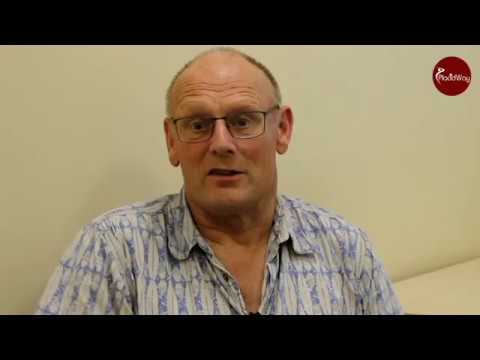
Hearing directly from past patients can offer invaluable reassurance. The video testimonials featured below showcase real stories from individuals who have traveled to Poland to restore their mobility. Watch these videos to hear about their journey, from the ease of travel and communication to the quality of the rehabilitation and their successful return to an active life.

Insight: Patients often emphasize the cleanliness of the hospitals and the intensity of the physiotherapy as standout features.

Patient reviews provide an honest look at the quality of care. In this section, you will find verified reviews and ratings from patients who have entrusted their joints to Polish specialists. Read through their feedback regarding the surgeon's expertise, the hospital staff's attentiveness, and the overall value to help guide your own choice of provider.

Review Tip: Look for reviews that mention the "Cross-Border Healthcare Directive" reimbursement process if you are an EU citizen.

1 Is orthopedic surgery safe in Poland?

Yes. As a member of the European Union, Poland adheres to strict EU healthcare directives regarding hygiene, safety, and patient rights. Private hospitals are modern, well-equipped, and often ISO certified. Surgeons are highly trained, with many holding international memberships.

2 How much can I save?

You can expect to save between 50% and 70% compared to private healthcare costs in the UK, Germany, or Scandinavia. A total hip replacement in the UK can cost £12,000 - £15,000 privately, while in Poland it is typically around £5,500 - £6,500 (€6,500 - €7,500).

3 What implants are used?

Polish clinics use premium, globally recognized implant brands such as Zimmer Biomet, Stryker, Smith+Nephew, and Aesculap. You should always ask which specific brand and model will be used during your consultation. You will receive an implant passport after surgery.

4 How long do I need to stay?

For major joint replacement, plan to stay for 10 to 14 days. This includes surgery, a 3-5 day hospital stay, and a week of rehabilitation. For arthroscopic procedures (like ACL repair), a stay of 5-7 days is usually sufficient.

5 Is rehabilitation included?

Yes. A unique feature of Polish orthopedic packages is the inclusion of intensive rehabilitation. You will start physiotherapy the day after surgery and continue daily sessions in the hospital or a specialized rehab center to ensure you are mobile and confident before flying home.

6 Can I get reimbursed by the NHS/HSE?

Under the EU Cross-Border Healthcare Directive, citizens of the EU/EEA (and in some cases the UK) may be entitled to reimbursement for treatment abroad if they face undue delay at home. PlacidWay can help you understand the documentation required for this process, but approval must often be sought beforehand.

7 Do the doctors speak English?

Yes. English is widely spoken in the private medical sector in Poland. Many surgeons have worked in the UK or US and are fluent. Hospitals catering to medical tourists have English-speaking nursing staff and coordinators to assist you.

8 What about DVT risks when flying?

Doctors take this seriously. You will be prescribed blood thinners (anticoagulants) to take after surgery and for your flight home. You will also be advised to wear compression stockings and perform leg exercises. Waiting the recommended 10-14 days before flying minimizes this risk.

9 Can I bring a companion?

Yes. It is highly recommended. Many hospitals offer private rooms that can accommodate a companion for a small extra fee, or help with booking nearby hotels. Having support for travel logistics and emotional wellbeing is invaluable.

10 Do I need a visa?

Poland is in the Schengen Area. Citizens of the EU, UK, US, Canada, and Australia do not typically need a visa for short medical stays (under 90 days). Always check the current requirements for your specific nationality.

Are There All-Inclusive Medical Tourism Packages for Hip Replacement in Jelenia Gora, Poland?

Yes, all-inclusive packages for hip replacement are available in Jelenia Gora, Poland. These generally cover the surgery, surgeon fees, prosthetic implants, anesthesia, hospital stay, and basic medical testing into one estimated price. If you are experiencing severe joint pain and limited mobility, you might be exploring options for hip replacement in Poland. As healthcare expenses continue to rise in many Western countries, patients are increasingly looking abroad for elective orthopedic procedures. Jelenia Gora, a picturesque city in southwestern Poland, has emerged as a destination offering specialized medical facilities alongside a calm environment for postoperative recovery. Understanding exactly what is included in these medical travel packages is crucial before making any commitments. Evaluating the medical facilities, estimating costs, and weighing the potential risks of traveling for surgery are all necessary steps to ensure a safe and organized healthcare journey. Key Takeaways Package bundles in Jelenia Gora often combine surgical fees, hospital stays, and standard implants. Patients must undergo thorough medical evaluations to determine their eligibility for surgery. Long-distance travel after major orthopedic surgery carries specific risks, such as blood clots, requiring careful medical management. Pre-arranging local aftercare and physical therapy in your home country is a necessary step before traveling. Prices vary depending on the chosen implant materials and the complexity of the individual case. What Does a Typical Hip Replacement Package in Jelenia Gora Cover? Most packages combine your surgical costs, hospital stay, and basic medical care into one fee. This simplifies financial planning for international patients traveling for orthopedic surgery. When facilities offer bundled pricing, the goal is to provide transparency so patients understand their financial commitment upfront. While every clinic structures its offerings differently, you can typically expect certain standard inclusions. It is important to carefully review the itemized list provided by your chosen facility, as unexpected medical needs can incur additional charges. Often Included in Packages Typically Excluded (Out-of-Pocket) Surgeon and anesthesiologist fees International airfare Standard prosthetic implants Long-term outpatient physical therapy Inpatient hospital stay (e.g., 3-5 days) Treatment for unforeseen complications Basic pre-operative blood tests and X-rays Extended hotel stays for recovery Local airport transfers Companion travel and lodging Always ask for a written, detailed quote. If you have pre-existing health conditions, you may require additional cardiovascular or pulmonary testing before surgery, which may not be covered under a standard package rate. How Do Costs Compare for International Patients? The hip replacement cost in Poland is generally lower than typical out-of-pocket expenses found in the United States or the United Kingdom. However, final prices depend on the implant materials and hospital amenities. Many patients investigate healthcare abroad due to prohibitive costs or long public healthcare wait times in their home countries. In regions like Western Europe and North America, orthopedic surgery can be exceptionally expensive if a patient is uninsured or underinsured. Poland's lower overall cost of living and operational overhead allow private clinics to offer the same standard of medical materials at a reduced total cost. Despite the lower base price for surgery, patients must factor in the total cost of their journey. This includes flights, travel insurance, medical complication insurance, passport fees, and the cost of taking time off work. It is also important to remember that estimates are just that—estimates. Complex cases, the need for specialized revision implants, or an extended hospital stay will increase the final bill. Why Do Patients Choose Jelenia Gora for Orthopedics? Jelenia Gora combines modern medical facilities with a peaceful environment suitable for postoperative rest. The established sector of medical tourism in Poland means local teams are accustomed to assisting international travelers. Located near the Karkonosze Mountains, Jelenia Gora offers a quiet alternative to major bustling cities like Warsaw or Krakow. Many patients recovering from orthopedic surgery prefer a calm location away from heavy traffic and noise while they focus on their initial healing and physical therapy. Additionally, the region has a history of health resorts and rehabilitation centers. Some clinics partner with local wellness hotels to provide a structured environment for the weeks following surgery. Poland's integration into the European Union also ensures that medical facilities operate under European health and safety directives, providing a familiar regulatory framework for international patients. How Can I Identify a Reliable Clinic in Poland? Selecting a hip replacement clinic in Poland requires careful research into the facility's credentials, the surgeon's experience, and the hospital's infection control protocols. Verify surgeon qualifications: Ensure your orthopedic surgeon is registered with the Polish Chamber of Physicians and Dentists and has specific, ongoing experience in joint replacement. Look for accreditations: Clinics with international accreditations or ISO certifications demonstrate a commitment to maintaining established quality and safety standards. Ask about surgical volume: Studies often suggest that facilities and surgeons performing a higher volume of joint replacements may have lower complication rates. Review infection rates: Do not hesitate to ask the clinic directly about their hospital-acquired infection rates and sterilization procedures. Evaluate communication: A reliable clinic should respond clearly to your questions, provide transparent estimates, and arrange direct consultations with the medical team before you travel. What Types of Hip Implants Are Used in Jelenia Gora? Clinics in Poland generally utilize internationally recognized prosthetic implants made from titanium, ceramic, or specialized medical-grade plastics. The specific materials recommended will depend on your bone health and activity level. Total hip arthroplasty involves replacing the damaged bone and cartilage with prosthetic components. The choices usually involve combinations such as ceramic-on-polyethylene, ceramic-on-ceramic, or metal-on-polyethylene. Reputable clinics source these components from established global medical device manufacturers, meaning the hardware you receive in Poland is often identical to what you would receive in the US or UK. Your orthopedic surgeon will evaluate your X-rays, age, weight, and lifestyle to suggest the most appropriate implant type. Fixation methods also vary; implants can be cemented into place, or they can be "press-fit" (uncemented) to allow your natural bone to grow into the porous surface of the implant over time. Discussing these options with your doctor ensures the surgical plan aligns with your anatomical needs. How Long Should I Plan to Stay in Poland? Patients are usually advised to remain in Poland for 10 to 14 days following their surgery. This timeframe allows for the initial hospital recovery, physical therapy commencement, and medical clearance for travel. Hip replacement is a major procedure. The first few days are spent in the hospital under close medical observation to monitor for infection and ensure your pain is adequately managed. During this time, physical therapists will assist you out of bed to begin gentle movements, which is vital for preventing blood clots and restoring joint function. After discharge from the hospital, patients typically transition to a local hotel or recovery center. You will need to attend follow-up appointments so the surgeon can inspect the incision site and remove sutures if necessary. Flying too soon after orthopedic surgery significantly increases the risk of deep vein thrombosis (DVT), so you must wait until your surgeon provides explicit medical clearance to board a plane. Is It Safe to Travel for Major Orthopedic Surgery? Traveling for surgery can be reasonably safe for suitable candidates who undergo thorough evaluation. However, long-distance flights introduce specific risks, such as blood clots, that must be carefully managed. Fitness to travel: Not everyone is a candidate for medical travel. Patients with severe cardiovascular issues, uncontrolled diabetes, or obesity may face unacceptable risks when flying for surgery. DVT prevention: Sitting in confined spaces during air travel slows blood flow. Your medical team may prescribe blood-thinning medication or require you to wear compression stockings for your journey home. Mobility challenges: Navigating airports with crutches or a walker can be physically exhausting. Arrange for wheelchair assistance with your airline well in advance. Medical records: Always travel with physical and digital copies of your complete medical history, surgical reports, and implant details. Travel insurance: Standard travel insurance rarely covers complications arising from planned medical procedures. Consider specialized medical tourism insurance policies. What Are the General Medical Risks of Hip Replacement? Like any major surgery, hip replacement carries inherent risks, including infection, blood clots, implant dislocation, and changes in leg length. Your medical team will discuss these risks and implement protocols to help minimize them. While hip replacement is considered one of the most successful procedures in modern medicine, outcomes are never guaranteed. Complications can occur during or after the procedure. Blood clots in the leg veins (DVT) or lungs (pulmonary embolism) are serious potential risks, which is why early mobilization and blood thinners are commonly utilized. Infections can occur at the incision site or deeper around the new joint. If a deep infection develops, it may require additional surgery to clean or even remove the implant. Other risks include nerve or blood vessel damage, the ball coming out of the socket (dislocation), or the implant loosening over years of use. Discussing your personal medical history with your surgeon is essential to understand your individual risk profile. How Should I Prepare for Aftercare Once I Return Home? You will need a plan for local follow-up care in your home country before you travel to Poland. If complications arise after returning, you should immediately consult your primary care physician or a local orthopedic specialist. Your recovery does not end when you leave the clinic in Jelenia Gora. Rehabilitation is an ongoing process that dictates the long-term success of your new joint. Before traveling abroad, establish a relationship with a local physical therapist who can take over your rehabilitation plan once you return. Additionally, inform your primary healthcare provider of your plans. If you develop a fever, excessive redness around the wound, or sudden shortness of breath after returning home, you must seek immediate local emergency medical care. Ensure you bring back a comprehensive surgical report detailing the exact procedure performed and the specifications of the implanted hardware. Why Choose PlacidWay for Your Medical Journey? Planning healthcare abroad requires access to organized information and clear communication. PlacidWay is a medical tourism platform designed to help patients navigate their international treatment options. Global Network: Connects patients with a wide directory of healthcare providers and clinics across multiple countries, including Poland. Clinic Information: Provides access to facility profiles, allowing you to review hospital backgrounds and available services. Cost Comparison: Offers a platform to request and compare estimated cost quotes from different international medical centers. Direct Communication: Facilitates initial contact between patients and international clinics to ask specific medical questions. Educational Resources: Supplies informational guides and articles to help patients understand the logistics of medical travel. Frequently Asked Questions Can I get bilateral hip replacement in Jelenia Gora? Bilateral hip replacement (replacing both hips during one operation) is generally rarely performed due to the increased stress on the body and higher risk of complications. Surgeons in Poland typically recommend spacing the procedures several months apart, though this depends entirely on an individualized medical assessment. Will staff at Polish orthopedic clinics speak English? Many private clinics catering to international patients employ English-speaking medical staff, including surgeons and nurses. Some facilities also provide dedicated patient coordinators or translators to ensure clear communication regarding your treatment and aftercare. Do all-inclusive packages cover flights to Poland? Medical tourism packages typically do not include international airfare. Patients are usually responsible for booking and paying for their own flights, though the package may cover local airport transfers once you arrive in Poland. How soon can I walk after hip surgery in Poland? Physical therapy usually begins very quickly, often within 24 hours of surgery. You will likely be assisted to stand and take initial steps using a walker or crutches while still in the hospital, as early mobilization helps reduce the risk of blood clots. Are physical therapy sessions included in Jelenia Gora packages? Basic inpatient physical therapy is generally included during your hospital stay. Extended outpatient rehabilitation programs may be offered as an add-on or a separate package, depending on the clinic's specific offerings. What happens if I am not deemed a suitable candidate upon arrival? If preoperative tests in Poland reveal a medical condition that makes surgery unsafe, the procedure may be postponed or canceled. To minimize this risk, patients must provide comprehensive medical records, X-rays, and MRI scans for preliminary evaluation before traveling. How do I arrange a medical visa for Poland if needed? Citizens of many countries, including the US, UK, and Canada, do not need a visa for short medical stays under 90 days in the Schengen area. If you require a visa, your chosen clinic can often provide a formal letter confirming your scheduled treatment to support your application. Can a companion stay with me in the hospital? Policies vary by facility. Some clinics allow a companion to stay in a private hospital room for an additional fee, while others require companions to stay in a nearby hotel. Many packages can be adjusted to include local accommodation for a traveling partner. Are the hip implants used in Poland approved by major health bodies? Reputable orthopedic clinics in Poland utilize standard prosthetic implants manufactured by globally recognized companies. These implants typically hold CE marking for the European Union and are often approved by other major international regulatory bodies. Will my domestic health insurance cover surgery in Jelenia Gora? Most domestic health insurance plans (such as US Medicare or standard private plans) do not cover elective treatment abroad. You should verify your specific policy terms, as patients typically pay out-of-pocket for medical tourism procedures. Compare Treatment Options for Orthopedic Surgery Gathering accurate information is the first step in your medical journey. Request facility details, compare estimated costs, and learn more about potential treatment plans in Jelenia Gora. Request Treatment Information References Hip Replacement Risks and Preparation – Mayo Clinic Total Hip Replacement Overview – American Academy of Orthopaedic Surgeons Travelers' Health: Medical Tourism Guidelines – Centers for Disease Control and Prevention (CDC) Hip Replacement Recovery Guidelines – National Health Service (NHS) Global Patient Safety Standards – World Health Organization (WHO) Choosing Joint Replacement Surgery – Arthritis Foundation Medical Disclaimer: The information provided in this article is for educational and informational purposes only and does not constitute medical advice, diagnosis, or treatment recommendations. Suitability for orthopedic surgery and specific recovery protocols vary significantly based on individual health conditions. Always consult with a qualified, board-certified healthcare professional or orthopedic surgeon before making any decisions regarding medical procedures or international medical travel. Outcomes, costs, and risks vary by patient and facility.

Your mobility is in the hands of experts. We have compiled a list of top-tier orthopedic surgeons in Poland who possess extensive experience in joint and spine surgery. These profiles highlight their international training, sports medicine background, and dedication to patient safety.

1

GMC Registered Surgeons

Experience in the UK & Ireland

Many leading Polish surgeons have worked as consultants in the UK or Ireland and maintain registration with the General Medical Council (GMC). This means they are familiar with the expectations of British and Irish patients and follow the same clinical protocols.

2

Sports Medicine Experts

Treating Elite Athletes

Our specialists include doctors who serve as official physicians for national sports teams and Olympic committees. They apply the same advanced, minimally invasive techniques used to return athletes to peak performance to help you regain your daily mobility.

3

High-Volume Joint Surgeons

Hundreds of Replacements Yearly

We partner with surgeons who perform high volumes of hip and knee replacements annually. This extensive experience allows them to master complex cases and revision surgeries, leading to lower infection rates and better long-term implant survival.

1

Value and Quality

Poland offers premium European healthcare at a fraction of Western prices. Patients can save thousands of euros while receiving treatment in facilities that often surpass the standards of older NHS hospitals.

This value proposition is unbeatable for self-pay patients.

2

Accessibility

Poland is easily accessible from all major European cities via low-cost airlines. The short flight times (usually under 2.5 hours from the UK) make it a convenient option for surgery, minimizing travel stress.

Cities like Warsaw and Krakow are well-connected hubs.

3

Advanced Rehabilitation

The availability of intensive, inpatient rehabilitation is a major draw. Patients appreciate the structured support to get them walking again before they go home.

This focus on the complete recovery journey sets Poland apart from many other destinations.

How Can PlacidWay Assist With My Orthopedic Surgery in Poland?

Navigating cross-border healthcare can be complex. PlacidWay acts as your trusted guide to Poland's top orthopedic clinics. We handle the vetting, communication, and logistics, ensuring a safe and seamless experience for your return to mobility.

Clinic Verification

We partner only with accredited hospitals and ISO-certified clinics that meet strict European safety standards and have a track record of success with international patients.

MRI Review

We facilitate a free preliminary review of your X-rays and MRI scans by Polish orthopedic specialists to provide a treatment plan and confirmation of candidacy before you travel.

Transparent Quotes

We provide clear, fixed-price packages that bundle surgery, implants, hospital stay, and rehabilitation, ensuring you know exactly what you are paying for.

Rehab Coordination

We help arrange your stay at specialized rehabilitation centers or extended hospital wards, ensuring continuity of care from the operating table to full mobilization.

Travel Logistics

From arranging airport pickups to recommending patient-friendly hotels for your companion, we help manage the practical details of your trip.

Patient Advocacy

Our team is available to support you throughout your entire journey, acting as a liaison between you and the hospital to ensure your needs are met.

Don't let pain hold you back. Contact PlacidWay today for a free quote and start planning your orthopedic journey in Poland.

Get Your Free Personalized Quote

Orthopedic Surgery in Poland thumbnail

About Experience

  • Translations: EN AR
  • Price Range: $4,807 - $5,461
  • Treatment: Orthopedic/Knee Surgery
  • Location: Poland
  • Clinics: KCM Clinic - Multispecialty Center in Jelenia Gora, Poland, Medi Horizon Clinic - Orthopedic Surgery in Poland, Warsaw Rehabilitation Clinic - Anti Aging Treatment in Poland,
  • Packages Knee Joint Replacement Package in Jelenia Gora, Poland by KCM Clinic, Affordable Spine Surgery Package in Jelenia Gora, Poland by KCM Hospital,
  • Overview Regain Mobility and Quality of Life with Orthopedic Surgery in Poland

Trusted Medical Tourism Platform Since 2007

60+
Countries
2k+
Clinics
19.5k+
Reviews
2.5k+
Qualified Doctors
1.1M+
Patients Served Since 2007