


Innovative Bilateral Sensorineural Hearing Loss Treatment at Unique Cell Treatment Clinic
Living with profound auditory decline can feel incredibly isolating, severing your connection to the vibrant sounds of everyday life. For years, patients have been told that their nerve deafness is permanent and that traditional amplification devices are their only recourse. Watch this detailed breakdown to explore a revolutionary alternative approach.
By exploring the treatment experience of bilateral sensorineural hearing loss in UNIQUE CELL TREATMENT CLINIC, you will discover how advanced regenerative medicine is actively challenging the boundaries of modern otolaryngology. Discover how fetal stem cell therapy is helping patients restore their auditory function naturally, bypassing the limitations of conventional hearing aids.
Video Chapters & Quick Navigation
When individuals first notice a decline in their hearing, they often attribute it to natural aging or prolonged exposure to loud environments. However, bilateral sensorineural hearing loss represents a complex neurological and structural deterioration within the inner ear that requires highly specialized medical intervention. Exploring the advanced stem cell treatments for auditory nerve damage offers a beacon of hope for thousands of affected patients.
Understanding the Mechanisms of Bilateral Sensorineural Hearing Loss
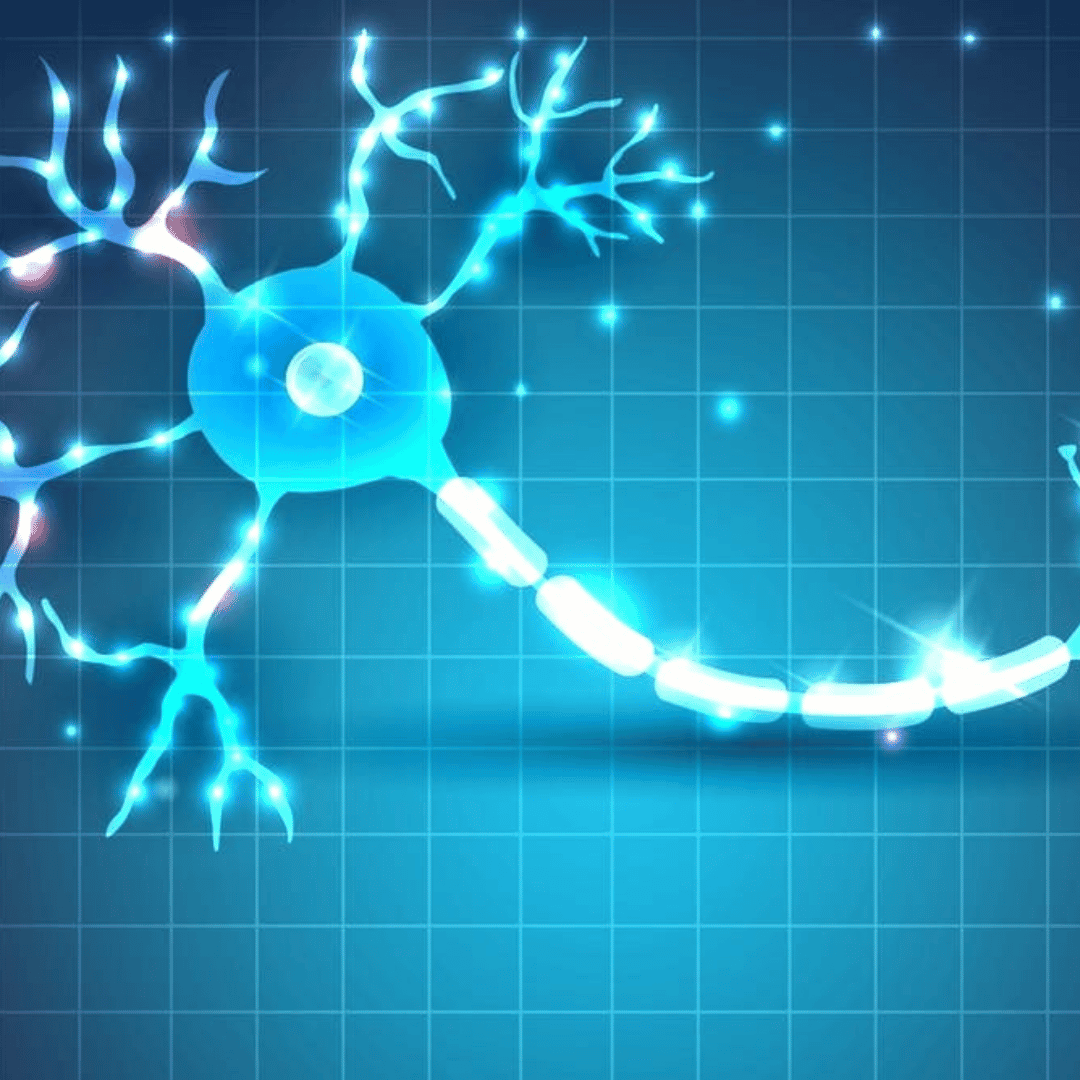
To truly grasp the significance of the treatments offered at the Unique Cell Treatment Clinic, it is imperative to understand the underlying pathology of the condition itself. Bilateral sensorineural hearing loss occurs when there is sustained damage to the tiny hair cells within the cochlea or the auditory nerve pathways that transmit sound signals directly to the brain. Unlike conductive hearing loss, which simply involves a physical blockage in the middle or outer ear, sensorineural damage strikes at the neurological processing center of auditory input.
The human cochlea is lined with thousands of microscopic stereocilia, which are responsible for converting mechanical sound waves into electrical impulses. As highlighted at in the patient experience video, once these delicate hair cells are damaged by ototoxic medications, acoustic trauma, or genetic predispositions, the human body lacks the natural biological mechanism to regenerate them. Consequently, the brain receives scrambled, muted, or incomplete auditory signals.
The Impact on Daily Life and Cognitive Health
The deterioration of auditory nerve function extends far beyond simply asking people to repeat themselves. Patients suffering from this condition frequently experience extreme auditory fatigue, as their brains must work overtime to decode fragmented conversations in noisy environments. Over time, this constant cognitive strain can lead to severe social withdrawal, depression, and generalized anxiety.
Furthermore, contemporary medical studies have established a profound link between untreated sensorineural hearing impairment therapies and early-onset cognitive decline. When the auditory cortex of the brain is deprived of stimulation, it begins to atrophy. This highlights why finding a structural, cellular solution to nerve deafness is not just about improving lifestyle, but protecting overall neurological longevity.
The Severe Limitations of Conventional Hearing Devices
For decades, the standard medical protocol for treating bilateral sensorineural hearing loss has remained rigidly stagnant. Ear, nose, and throat specialists typically prescribe powerful digital hearing aids or, in profound cases, invasive cochlear implant surgeries. While these devices provide necessary acoustic support, they fundamentally fail to address the root biological cause of the deterioration.
Hearing aids act as sophisticated amplifiers; they increase the volume of incoming sounds but cannot repair the damaged cochlear hair cells responsible for sound clarity. Many patients report that while sounds are certainly louder, human speech remains muffled and indistinguishable, particularly in crowded restaurants or busy streets. This phenomenon is often discussed by patients seeking how to treat bilateral sensorineural hearing loss without hearing aids.
Why Amplification is Not Regeneration
Cochlear implants bypass the damaged inner ear entirely to directly stimulate the auditory nerve using electrical currents. While life-changing for some, this highly invasive surgical procedure carries significant risks, requires extensive post-operative auditory rehabilitation, and destroys any residual natural hearing the patient may have retained. It produces a robotic, synthesized version of sound that takes the brain months or even years to fully interpret.
| Treatment Method | Mechanism of Action | Biological Repair |
|---|---|---|
| Digital Hearing Aids | Acoustic amplification of specific frequencies. | None. Degeneration often continues. |
| Cochlear Implants | Electronic bypass of the cochlea. | None. Destroys residual natural hearing. |
| Fetal Stem Cell Therapy | Cellular regeneration and neurogenesis. | Yes. Targets damaged tissues at a cellular level. |
The Groundbreaking Science of Fetal Stem Cell Therapy
The paradigm shift in treating auditory nerve damage lies within the field of advanced regenerative medicine. Fetal stem cell therapy for hearing loss utilizes the body’s fundamental building blocks to target and repair degraded biological tissues. Unlike adult stem cells, which have limited differentiation capabilities and have already undergone significant biological aging, fetal stem cells possess an extraordinary capacity for multipotent differentiation.
When introduced into a patient's system, these potent cells exhibit a remarkable phenomenon known as "homing." They naturally migrate toward areas of severe inflammation, tissue damage, and neurological distress. As noted at , once they reach the damaged auditory pathways, they begin the intricate process of neurogenesis and cellular repair. They can differentiate into the specialized cells required by the inner ear and secrete powerful neurotrophic factors that stimulate the patient's existing dormant cells.
Immunomodulation and Paracrine Effects
Beyond direct tissue replacement, these advanced stem cell treatments for auditory nerve damage provide incredible paracrine effects. They release cytokines and growth factors that radically reduce chronic neuroinflammation—a primary driver of continued hearing loss and severe tinnitus. This immunomodulatory capability ensures that the surrounding auditory environment is optimized for long-term healing, preventing further cellular apoptosis (programmed cell death) within the cochlea.
Pioneering Care at the Unique Cell Treatment Clinic
Not all regenerative medical facilities operate with the same level of scientific rigor or historical expertise. The unique cell treatment clinic review of methodologies reveals a facility deeply rooted in decades of specialized biotechnological research. Their proprietary techniques for the extraction, cultivation, and administration of fetal stem cells have garnered international attention from patients desperate to restore hearing loss naturally.
The clinic utilizes patented stem cell suspensions that are meticulously matched to the patient's specific neurological deficits. Their specialized medical team comprises leading neurobiologists, otolaryngologists, and regenerative specialists who collaborate to design a deeply personalized treatment protocol. They do not view sensorineural hearing loss as merely an ear problem, but rather as a systemic neurological challenge requiring comprehensive cellular intervention.
Stringent Safety and Quality Protocols
Patient safety and ethical medical practices form the cornerstone of the clinic's philosophy. Every cellular suspension undergoes rigorous virological, bacteriological, and genetic testing before being approved for clinical use. Patients traveling internationally for these innovative treatments for nerve deafness can rest assured that they are receiving biologics prepared in state-of-the-art, sterile laboratory environments that exceed standard medical regulations.
The Patient Evaluation and Diagnostic Phase
A crucial component of the successful treatment experience of bilateral sensorineural hearing loss in UNIQUE CELL TREATMENT CLINIC is the exhaustive pre-treatment diagnostic phase. Before any cellular therapies are administered, the medical team conducts a deep-dive analysis into the patient's specific auditory pathology. This ensures that the stem cell protocol is perfectly calibrated for maximum neuro-regenerative impact.
The diagnostic regimen typically includes high-frequency pure tone audiometry, tympanometry, and speech discrimination testing to map the exact frequencies where the hearing loss is most profound. Additionally, Auditory Brainstem Response (ABR) testing may be utilized to evaluate the integrity of the neural pathways traveling from the inner ear directly to the brainstem. These baseline metrics are vital, as they provide the objective data necessary to track the patient's cellular recovery over the coming months.
- Pure Tone Audiometry: Establishes the exact decibel threshold across various pitches.
- Speech Recognition Testing: Measures the brain's ability to decode human language, not just volume.
- Neurological Assessments: Evaluates concurrent symptoms like vestibular imbalance or tinnitus.
The Minimally Invasive Cell Administration Procedure
Many patients are surprised to learn that receiving advanced stem cell treatments for auditory nerve damage is a minimally invasive process. Unlike the heavy surgical requirements of cochlear implantation, the fetal stem cell therapy is typically administered through a carefully calculated combination of intravenous (IV) infusions and localized subcutaneous injections. This systemic approach ensures that the powerful regenerative cells are widely distributed while still targeting the central nervous system.
As described in the video testimonial at , the actual administration is practically painless and requires no general anesthesia. Patients remain fully conscious and comfortable throughout the brief procedure. The intravenous infusion introduces millions of viable, highly active progenitor cells into the bloodstream, where they immediately begin circulating and crossing the blood-brain barrier to initiate the healing cascade within the auditory cortex.
The Immediate Post-Treatment Experience
Following the cellular infusion, patients require only minimal downtime. Most are able to return to their hotel or home accommodation the very same day. Some patients report a mild sense of fatigue or a slight, temporary increase in body temperature. These are considered highly positive clinical signs, indicating that the newly introduced stem cells are actively engaging with the patient's immune system and beginning the complex process of cellular engraftment.
Tracking Measurable Auditory Recovery and Timeline
The timeline for restoring hearing loss naturally through cellular medicine requires patience, as biological regeneration is a progressive phenomenon. Unlike putting on a hearing aid for instantaneous, artificial amplification, fetal stem cells work meticulously over several months to reconstruct damaged neural pathways and reactivate dormant cochlear tissues.
During the first three to four weeks post-treatment, patients often experience subtle, subjective shifts in their auditory perception. They might notice that environmental sounds—like running water or the rustling of leaves—appear slightly crisper. By the three-month mark, the engrafted cells have typically multiplied and differentiated sufficiently to produce clinically measurable improvements on follow-up audiograms. Patients frequently demonstrate a broader range of frequency detection and, most importantly, vastly improved speech discrimination scores.
Real-World Benefits for the Patient
The most profound transformations are often noted in the patient's quality of life. As the auditory nerve regains its capacity to transmit clean signals to the brain, patients find themselves participating more actively in group conversations. The exhausting cognitive load required to read lips and decipher muffled speech begins to lift. For many, this marks the end of their reliance on maximum-volume amplification devices.
Secondary Benefits: Tinnitus Relief and Cognitive Function
One of the most debilitating co-morbidities associated with bilateral sensorineural hearing loss is severe, intractable tinnitus. This persistent ringing, buzzing, or hissing in the ears is often generated by a misfiring auditory nerve attempting to compensate for the lack of external sound input. Traditional medicine offers virtually no structural cure for tinnitus, relying instead on psychological coping mechanisms or masking therapies.
A remarkable aspect of the treatment experience of bilateral sensorineural hearing loss in UNIQUE CELL TREATMENT CLINIC is the significant reduction in tinnitus volume and frequency reported by patients. As the fetal stem cells repair the damaged stereocilia and calm the hyperactive, inflamed neuro-pathways, the brain no longer needs to generate phantom noises. This cessation of tinnitus allows patients to achieve deep, restorative sleep for the first time in years.
Neurological Rejuvenation
Because the stem cells provide systemic neuro-support, patients frequently report a clearing of "brain fog" and an improvement in overall cognitive sharpness. The massive influx of growth factors stimulates neuroplasticity across the entire brain, not just the auditory cortex. This comprehensive neurological rejuvenation underscores why sensorineural hearing impairment therapies utilizing regenerative medicine are considered the gold standard of modern anti-aging science.
Preparing for Your Medical Journey
Deciding to pursue advanced regenerative medicine is a profound step toward reclaiming your health and auditory independence. For patients exploring how to treat bilateral sensorineural hearing loss without hearing aids, careful preparation is essential. The medical team will require comprehensive health records, recent audiograms, and a detailed history of any ototoxic medications previously taken.
During the weeks following the treatment, patients are advised to protect their regenerating auditory system. This involves strictly avoiding exposure to acoustic trauma, such as heavy machinery or loud concerts, and maintaining a nutrient-dense diet to support cellular proliferation. By fostering an optimal internal environment, patients maximize the efficacy of the stem cell engraftment and secure their pathway to long-lasting auditory restoration.
The Future of Auditory Medicine is Cellular
We are standing at the precipice of a new era in otolaryngology. The days of accepting irreversible nerve damage and relying solely on external electronic devices are rapidly drawing to a close. The profound successes documented at the Unique Cell Treatment Clinic provide undeniable evidence that the human body, when equipped with the right biological tools, possesses an incredible capacity for self-repair.
For individuals suffering from the daily frustrations of muted conversations and social isolation, fetal stem cell therapy offers much more than just a medical procedure. It offers a tangible opportunity to reconnect with the acoustic beauty of the world. Embracing this cutting-edge science means choosing active biological healing over passive symptom management.
Ready to Reclaim Your Hearing and Quality of Life?
Take the first step toward advanced cellular healing. Discover how the pioneering specialists at the Unique Cell Treatment Clinic can customize a stem cell protocol for your specific auditory needs.
REQUEST YOUR FREE CONSULTATION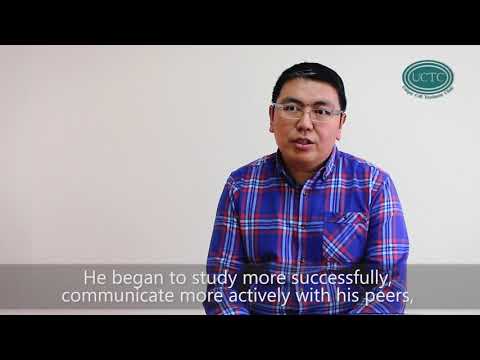











Share this listing