


Transformative Stem Cell Treatment Results for Multiple Injuries at Unique Cell Treatment Clinic
Sustaining severe, compounding physical traumas can instantly derail your life, leaving you trapped in an exhausting cycle of chronic pain and profoundly limited mobility. For years, patients have relied solely on invasive reconstructive surgeries and heavy pharmaceutical interventions just to manage their daily discomfort. Today, analyzing the latest stem cell treatment results for multiple injuries reveals a groundbreaking shift in how we approach comprehensive tissue repair and whole-body healing.
Advanced regenerative medicine provides a powerful, non-surgical alternative to traditional orthopedic interventions. Watch the compelling journey of comprehensive trauma recovery, and discover how the Unique Cell Treatment Clinic leverages cutting-edge fetal stem cell therapy to accelerate natural healing, reduce systemic inflammation, and restore total joint and muscle function.
Video Chapters & Quick Navigation
The Overwhelming Burden of Compounding Traumas
Experiencing a singular injury, such as a torn ligament or a fractured bone, is a massive physical challenge on its own. However, when a patient suffers from multiple injuries simultaneously, the body's natural healing mechanisms are quickly pushed beyond their limits. Systemic inflammation takes over, causing localized pain to radiate throughout the musculoskeletal system and dramatically slowing down the natural recovery process.
This biological overload makes holistic healing nearly impossible without advanced medical intervention. As discussed at , patients dealing with overlapping traumatic injuries often find themselves locked in a state of chronic discomfort. The immune system remains in a hyperactive defensive state, which prevents tissues from transitioning into the crucial regenerative phase.
The Psychological Toll of Chronic Pain
The consequences of compounding traumas extend far beyond the physical degradation of joints and tissues. Dealing with chronic pain on a daily basis inevitably leads to severe psychological fatigue, sleep deprivation, and a diminished quality of life. Patients frequently report feeling entirely disconnected from their former active lifestyles.
When the body cannot effectively repair muscular tears, nerve damage, and bone fractures simultaneously, patients lose their independence. This constant battle against pain underscores exactly why finding effective, non-invasive regenerative medicine for severe injuries is so critical for modern rehabilitation.
The Inherent Limitations of Traditional Orthopedic Surgery
For decades, the standard protocol for treating multiple severe injuries has been a grueling sequence of invasive orthopedic surgeries. A patient might undergo a knee reconstruction, followed months later by spinal fusion, and eventually a rotator cuff repair. This staggered approach to surgical intervention forces the patient to endure multiple rounds of general anesthesia and prolonged hospital stays.
Furthermore, surgical interventions primarily focus on structural mechanical fixes rather than addressing cellular health and tissue vitality. While pins and plates can stabilize a fractured bone, they cannot regenerate the degraded cartilage or heal the micro-tears in the surrounding soft tissues. This often leaves patients with stabilized joints that remain chronically stiff, painful, and prone to advanced osteoarthritis.
The Danger of Prolonged Rehabilitation and Pharmaceuticals
Recovering from consecutive invasive surgeries requires years of intense, often painful physical therapy. During this extended rehabilitation window, muscle atrophy becomes a significant concern, as immobilized limbs rapidly lose their strength and flexibility. The mechanical fix provided by the surgeon is only as successful as the surrounding musculature's ability to support it.
To cope with the persistent pain of multiple surgical recoveries, patients are frequently prescribed high doses of opioid analgesics and anti-inflammatory medications. As highlighted at , this chemical dependency masks the symptoms without actually promoting biological healing. Over time, heavy pharmaceutical reliance can lead to severe gastrointestinal issues, organ stress, and chemical dependence.
How Unique Cell Treatment Clinic Redefines Injury Recovery
Recognizing the massive gaps in traditional surgical care, the Unique Cell Treatment Clinic emerged as a global pioneer in regenerative medicine. Rather than treating multiple injuries as isolated mechanical failures, the clinic views the traumatized body as a complete, interconnected biological ecosystem. Their core philosophy revolves around empowering the body's innate ability to heal itself through targeted cellular therapy.
The facility is globally renowned for its proprietary methods of cultivating and administering advanced fetal stem cells. By utilizing cells that are at their absolute peak of vitality and proliferative capacity, the clinic bypasses the limitations of using a patient's own aged or damaged adult stem cells. This allows for a much more aggressive and successful regenerative response in severely traumatized tissues.
Decades of Patented Regenerative Protocols
The protocols utilized by the Unique Cell Treatment Clinic are not experimental afterthoughts; they are the result of decades of rigorous clinical research and patented medical advancements. The clinic’s medical team has successfully administered thousands of stem cell therapies, refining their approach to maximize patient safety and clinical efficacy.
Their proprietary method ensures high cell viability upon administration, meaning that the maximum number of stem cells survive the transfer process to actively begin repairing tissue. This strict adherence to scientific excellence is why international patients frequently travel to the clinic after traditional local doctors tell them their condition is permanent.
The Science of Fetal Stem Cell Therapy for Complex Traumas
To truly appreciate the incredible stem cell treatment results for multiple injuries, one must understand the unique biological power of fetal stem cells. Unlike adult mesenchymal stem cells—which are typically harvested from a patient’s own bone marrow or adipose fat—fetal stem cells possess an unparalleled ability to multiply and differentiate. They are entirely unburdened by the environmental toxins, aging, and disease that compromise adult cells.
When these potent cells are introduced into a traumatized patient's system, they act as cellular architects. They aggressively secrete growth factors, cytokines, and essential proteins that instruct surrounding damaged cells to begin the repair process. As shown at , this massive influx of regenerative energy is precisely what is needed to overcome the healing plateau that plagues multiple-injury patients.
Unmatched Angiogenesis and Blood Flow Restoration
One of the primary reasons multiple injuries fail to heal is a severe lack of localized blood flow, particularly in avascular areas like the meniscus or spinal discs. Fetal stem cells are incredibly efficient at promoting angiogenesis—the formation of brand new blood vessels. By rebuilding the microvascular network around the trauma site, the cells ensure a steady delivery of oxygen and vital nutrients to starving tissues.
This revascularization process is essential for long-term recovery and the prevention of future tissue necrosis. As the new blood vessels integrate into the injured joint or torn muscle, patients experience a rapid decrease in stiffness and a noticeable return of natural warmth and flexibility to the affected limbs.
Documenting Stem Cell Treatment Results for Multiple Injuries
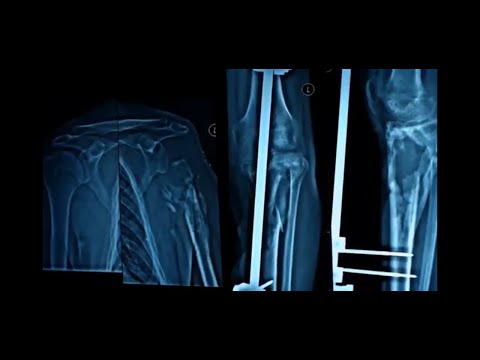
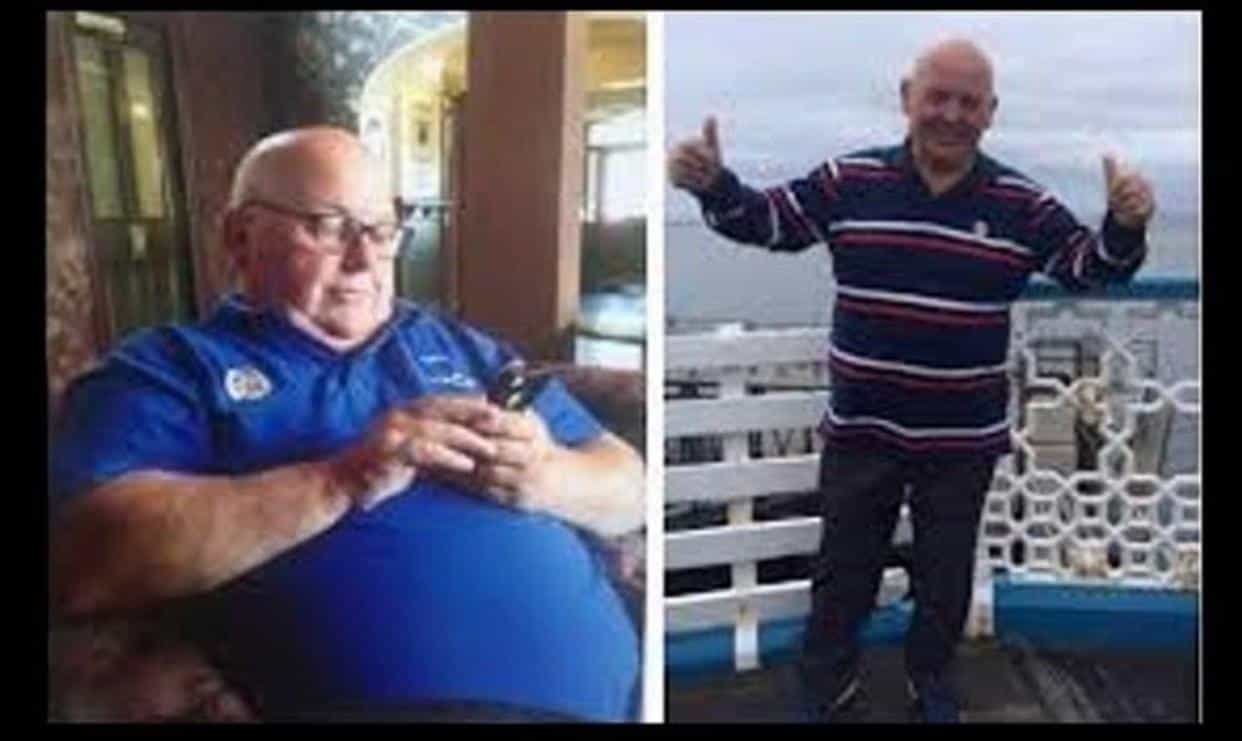
The clinical outcomes associated with fetal stem cell therapy are fundamentally changing the expectations for trauma recovery. Patients who were previously wheelchair-bound or dependent on crutches due to overlapping orthopedic failures are demonstrating remarkable improvements in a fraction of the time required by traditional surgery. These results are visible not only in subjective pain reduction but in objective diagnostic imaging.
Post-treatment MRI scans frequently reveal distinct increases in cartilage thickness, successful bridging of non-union bone fractures, and the robust healing of previously shredded ligaments. The stem cells successfully differentiate into chondrocytes (cartilage cells), osteoblasts (bone cells), and fibroblasts (connective tissue cells), comprehensively rebuilding the patient from the inside out.
Common Multiple Traumas Effectively Treated
The versatility of fetal stem cell therapy allows the Unique Cell Treatment Clinic to address a wide spectrum of severe orthopedic and neurological conditions simultaneously. Some of the most frequently and successfully treated complex injuries include:
- Complex Joint Degradation: Simultaneous severe osteoarthritis or traumatic cartilage loss in both knees and hips.
- Spinal Cord and Disc Injuries: Herniated discs combined with localized nerve damage and severe sciatica.
- Extensive Soft Tissue Tears: Overlapping rotator cuff ruptures, Achilles tendon tears, and severe muscular lacerations.
- Non-Healing Bone Fractures: Fractures that have failed to fuse correctly despite previous surgical interventions and hardware placement.
The Homing Mechanism: How Cells Find the Damage
A frequent question from prospective patients is how an intravenous or localized injection of stem cells knows exactly where to go in a body riddled with multiple injuries. The answer lies in a brilliant biological process known as the "homing mechanism." When tissues are damaged, they release specific chemical distress signals into the bloodstream, creating an inflammatory gradient.
Fetal stem cells are naturally equipped with specialized surface receptors that detect these distress signals. Once administered, the stem cells act like biological paramedics, navigating the bloodstream and actively migrating toward the areas with the highest concentration of inflammation. As detailed at , this ensures that the therapy automatically prioritizes the most critically damaged tissues in the patient's body.
Systemic Immunomodulation
Beyond simply replacing damaged cells, the fetal stem cells exert a profound immunomodulatory effect on the patient's overall system. In severe trauma cases, the immune system often attacks the damaged tissues, creating chronic swelling that prevents healing. Stem cells recalibrate this hyperactive immune response, commanding the body to lower inflammation and transition into a restorative state.
This massive reduction in systemic inflammation provides almost immediate pain relief for the patient. By shutting down the chronic inflammatory cascade, the body’s energy is finally redirected toward cellular synthesis, collagen production, and true structural healing across all affected injury sites.
The Comprehensive Patient Journey at Unique Cell Treatment Clinic
Traveling for regenerative medicine requires complete confidence in the medical facility, and the Unique Cell Treatment Clinic goes above and beyond to provide a seamless, highly monitored patient experience. The journey does not begin with an immediate injection; it starts with an exhaustive diagnostic evaluation to map the exact extent of the patient's multiple traumas.
The medical team utilizes advanced imaging, comprehensive blood panels, and neurological assessments to create a highly individualized treatment blueprint. This customized approach guarantees that the precise dosage, cell concentration, and administration methods are perfectly tailored to address the patient's unique combination of injuries.
The Administration Process and Safety Protocols
The actual administration of the fetal stem cells is remarkably straightforward and minimally invasive, standing in stark contrast to the trauma of orthopedic surgery. Depending on the specific injuries, patients may receive the cells through a simple intravenous drip to promote whole-body healing, or via targeted intra-articular injections directly into the damaged joints or spinal spaces.
The entire procedure is performed under strict, globally recognized clinical safety protocols to ensure absolute sterility and patient comfort. As noted at , most patients report zero discomfort during the administration process, allowing them to remain completely relaxed while the regenerative foundation is laid.
Cost and Recovery Analysis: Stem Cells vs. Surgery
When evaluating the cost of stem cell therapy for severe injuries, patients must look beyond the initial price tag and consider the holistic economic impact of their recovery. Traditional surgery often incurs immense hidden costs, including prolonged hospital stays, years of copays for physical therapy, lost wages due to extended immobility, and expensive daily pharmaceuticals.
Fetal stem cell therapy at the Unique Cell Treatment Clinic offers a streamlined, highly effective alternative. Because the procedure is outpatient and non-surgical, patients completely avoid the massive facility fees associated with hospital operating rooms and anesthesiology. Furthermore, the accelerated healing timeline allows patients to return to their careers and active lives months, or even years, earlier than surgical patients.
| Comparison Factor | Fetal Stem Cell Therapy | Traditional Orthopedic Surgery |
|---|---|---|
| Primary Mechanism | Biological tissue regeneration and immunomodulation. | Mechanical alteration, hardware insertion, or tissue removal. |
| Recovery Timeline | Progressive healing over 3-6 months; immediate inflammation reduction. | 6-12 months of painful rehabilitation per isolated surgery. |
| Procedure Invasiveness | Minimally invasive IV drips or precise local injections. | Highly invasive; requires severe tissue cutting and bone drilling. |
| Hospital Stay | Outpatient procedure; no overnight hospital admission required. | Days to weeks depending on the severity of the multiple surgeries. |
Sustained Healing and Future Mobility
The ultimate goal of seeking treatment for multiple traumas is not just temporary pain relief, but the permanent restoration of functional mobility. The regenerative cells administered at the clinic continue working long after the patient has returned home. They lay down new collagen scaffolding, thicken degraded cartilage, and continuously stabilize the micro-environment of the joints.
As this biological framework matures, patients consistently report reaching new milestones in their recovery. What begins as the simple ability to walk without a cane soon evolves into returning to the golf course, hiking with family, and living entirely free from the shadows of their past injuries. The profound stem cell treatment results for multiple injuries definitively prove that the body holds the key to its own salvation, provided it is given the right cellular tools to unlock it.
Ready to Reclaim Your Mobility and Live Pain-Free?
Stop letting multiple injuries dictate your life. Connect with the leading specialists at the Unique Cell Treatment Clinic through PlacidWay and discover how customized fetal stem cell therapy can accelerate your holistic healing journey.
REQUEST YOUR FREE MEDICAL CONSULTATION










Share this listing