


Stem Cell Treatment for Multiple Sclerosis in Tijuana: Rochelle Clemens's Inspiring Journey
Living with multiple sclerosis often feels like fighting an invisible, relentless battle against your own nervous system. For many patients facing dwindling options and escalating medical costs, looking beyond local borders becomes a vital beacon of hope. This is exactly what led to the inspiring journey of Rochelle Clemens, who actively sought out advanced stem cell treatment for multiple sclerosis in Tijuana, Mexico.
Her powerful story sheds critical light on why thousands of individuals are turning to regenerative medicine abroad. Watch to discover how this innovative therapeutic approach offers new possibilities for managing debilitating MS symptoms, potentially restoring lost quality of life, and accessing world-class medical care at a fraction of standard domestic prices.
Video Chapters & Quick Navigation
The Relentless Progression of Multiple Sclerosis
Multiple sclerosis is a profoundly complex and highly unpredictable autoimmune disease that targets the central nervous system. In patients suffering from this condition, the immune system mistakenly attacks the protective myelin sheath that covers nerve fibers. This destructive demyelination process disrupts the crucial communication pathways between the brain and the rest of the body.
As the disease progresses, individuals frequently experience a cascade of debilitating symptoms that severely impact their daily lives. These can range from profound, unmanageable chronic fatigue and severe muscle spasms to devastating mobility loss and debilitating neuropathic pain. For many, traditional pharmaceutical interventions, known as disease-modifying therapies (DMTs), offer only temporary relief or slowed progression.
Unfortunately, these conventional medications often come accompanied by a host of harsh side effects that can further diminish a patient's quality of life. As the video details, when standard treatments fail to halt the progressive decline, patients are left searching for viable medical alternatives. This desperate need for effective intervention drives the growing interest in regenerative medicine for autoimmune diseases.
Rochelle Clemens's Search for Alternative MS Therapies
Rochelle Clemens's journey with multiple sclerosis is a powerful testament to the resilience of patients fighting autoimmune conditions. Like thousands of others diagnosed with MS, Rochelle initially followed the standard protocols prescribed by her local neurologists. She endured countless rounds of immunosuppressants and steroid treatments designed to mitigate her painful flare-ups.
However, over time, the efficacy of these conventional treatments began to wane rapidly, leaving her with increasing neurological deficits and mounting frustration. The turning point in Rochelle's medical journey occurred when she began researching MS stem cell therapy abroad. She discovered a wealth of patient testimonials and emerging clinical data pointing toward the efficacy of cellular medicine.
Her intensive research eventually pointed her toward the highly specialized medical infrastructure available just across the United States border. At , Rochelle explains her profound realization that taking control of her health meant exploring internationally recognized treatments that were heavily restricted in her home country. Her decision to seek out affordable stem cell clinics in Tijuana marked the beginning of a life-altering chapter.
Why Tijuana is a Global Hub for Regenerative Medicine
Tijuana has rapidly transformed from a bustling border town into one of the world's most prominent destinations for advanced medical tourism. The city boasts state-of-the-art medical plazas and specialized biotherapy clinics that rival top-tier hospitals in North America and Europe. This impressive medical evolution is heavily supported by rigorous investments in cutting-edge biotechnology and international medical certifications.
One of the primary reasons patients seek stem cell treatment for multiple sclerosis in Tijuana Mexico is the progressive regulatory environment. Under the strict but adaptable oversight of COFEPRIS (the Mexican equivalent of the FDA), licensed clinics are legally permitted to cultivate and administer high-dose expanded mesenchymal stem cells. This allows doctors to utilize therapeutic cellular quantities that are currently restricted by bureaucratic red tape in the United States.
Furthermore, the geographic convenience of Tijuana cannot be overstated for North American patients. Located just minutes from the San Diego international airport, medical tourists can easily access these world-class facilities without enduring exhausting transcontinental flights. Facilities often provide seamless, VIP border-crossing services, ensuring that the patient's journey is stress-free and entirely focused on medical recovery.
Key Benefits of Choosing Tijuana for Cellular Therapy
- Expanded Cellular Protocols: Access to millions of ethically sourced, laboratory-expanded stem cells that are vital for systemic immune modulation.
- Board-Certified Specialists: Treatments are administered by internationally trained immunologists, neurologists, and specialized hematologists.
- State-of-the-Art Laboratories: Clinics utilize ISO-certified clean rooms to ensure the highest standards of cellular viability and sterility.
- Comprehensive Care Models: Facilities offer holistic integration of physical therapy, nutritional counseling, and post-infusion observation.
The Science: How Stem Cell Therapy Targets Multiple Sclerosis
To truly understand Rochelle's clinical success, one must delve into the fascinating biological mechanisms of regenerative medicine. Stem cells are unique in their extraordinary ability to differentiate into various cell types and secrete powerful healing factors. When introduced into a body battling multiple sclerosis, these cells act as intelligent biological repair agents.
Their primary function in treating autoimmune diseases is known as profound immunomodulation. Rather than simply suppressing the entire immune system like traditional MS drugs, stem cells actively work to reprogram the faulty immune response. As discussed at in the video, they calm the aggressive T-cells that are responsible for attacking the central nervous system.
In addition to calming the immune storm, these cells secrete neurotrophic factors that stimulate the body's natural healing processes. This paracrine effect encourages the potential remyelination of damaged nerve fibers and significantly reduces central nervous system inflammation. Over time, this dual-action approach can lead to a drastic reduction in relapse rates and a noticeable improvement in overall neurological function.
Understanding Mesenchymal vs. Hematopoietic Stem Cell Therapies
When researching alternative treatments for multiple sclerosis, patients will frequently encounter two primary protocols: MSCs and HSCT. Hematopoietic Stem Cell Transplantation (HSCT) is an aggressive procedure designed to completely reboot the patient's immune system. It involves harvesting the patient's own bone marrow cells, administering heavy chemotherapy to wipe out the diseased immune system, and reintroducing the cells to build a new, healthy immune defense.
Conversely, Mesenchymal Stem Cell (MSC) therapy relies on utilizing adult stem cells sourced from Wharton's Jelly in ethically donated umbilical cords. These allogeneic cells are highly potent, immune-privileged, and do not require the patient to undergo harsh chemotherapy beforehand. MSC therapy focuses heavily on reducing neuroinflammation and promoting tissue repair through non-invasive intravenous and intrathecal infusions.
Many specialized stem cell clinics in Tijuana Mexico prefer utilizing high-dose Wharton's Jelly MSCs due to their exceptional safety profile and minimal patient downtime. For patients like Rochelle, who may not be ideal candidates for the intense physical toll of HSCT chemotherapy, MSCs offer a highly effective, gentle, and outpatient-friendly alternative.
| Feature | Mesenchymal Stem Cells (MSCs) | Hematopoietic Stem Cells (HSCT) |
|---|---|---|
| Primary Source | Umbilical cord tissue (Wharton's Jelly) or autologous fat. | Patient's own bone marrow or peripheral blood. |
| Procedure Type | Non-invasive IV drips and targeted intrathecal injections. | Intensive; requires aggressive chemotherapy first. |
| Main Goal | Modulate immune response and repair neuroinflammation. | Completely destroy and rebuild the immune system. |
| Recovery Time | Minimal to none; outpatient procedure. | Months of isolation due to compromised immunity. |
Analyzing the Cost of Stem Cell Therapy in Mexico vs. North America
The financial burden of chronic illnesses in the United States is often just as crippling as the physical symptoms themselves. For patients exploring advanced regenerative options domestically, the price tags can be utterly prohibitive. Experimental cellular protocols and HSCT treatments in the US or Canada can easily exceed $100,000, and they are rarely covered by standard private health insurance policies.
This staggering price discrepancy is a major factor driving patients toward medical tourism. The cost of stem cell therapy in Mexico is dramatically lower, often ranging between $6,000 and $25,000 depending on the specific protocol and required cellular dosage. This allows patients to access premium, high-dose biological treatments without facing absolute financial ruin.
These comprehensive international packages are incredibly robust, frequently including extensive pre-treatment diagnostic testing, specialized specialist consultations, the cellular product itself, and localized transportation. As highlighted at in the video, the affordability in Tijuana does not equate to a sacrifice in medical quality, but rather reflects the different macroeconomic structures of the respective healthcare systems.
The Comprehensive Clinic Experience in Tijuana
For individuals anxious about receiving medical care in a foreign country, Rochelle's documented experience offers profound reassurance. The standard protocol for top-tier stem cell clinics in Tijuana begins long before the patient ever crosses the border. Comprehensive telemedicine consultations are conducted to meticulously review the patient's neurological history and MRI scans.
Upon arrival at the San Diego airport, medical tourists are typically greeted by bilingual clinical concierges who facilitate a swift and private border crossing. The clinical environment itself is often described as resembling a luxury wellness retreat rather than a sterile hospital ward. Patients undergo rigorous same-day blood panels and physical evaluations to ensure they are primed for cellular integration.
The actual administration of the stem cells is remarkably straightforward and generally painless. For multiple sclerosis patients, doctors commonly utilize a combination of systemic intravenous (IV) drips to address overall body inflammation, alongside intrathecal administration. This specialized spinal injection ensures that the therapeutic cells bypass the blood-brain barrier to directly target the central nervous system lesions.
Questions to Ask Your Regenerative Medicine Provider
Before committing to any international treatment plan, thorough patient vetting is absolutely essential. PlacidWay highly recommends asking prospective clinics a series of critical regulatory and operational questions:
- What is your cellular source? Ensure they utilize ethically derived, virologically screened Wharton's Jelly or autologous tissues.
- Can you provide cell viability reports? Top clinics should provide documentation proving that over 90% of the administered cells are live and active.
- Are your laboratories certified? Confirm the presence of ISO-certified clean rooms to guarantee absolute sterility and safety.
- Who performs the intrathecal injections? Ensure that spinal administration is strictly performed by a board-certified anesthesiologist or neurologist.
Integrating Regenerative Medicine into a Long-Term MS Care Plan
It is vital for patients to understand that managing MS symptoms with stem cells is not an overnight magical cure. The regenerative process is highly complex and unfolds gradually over the course of several months. Following her treatment in Tijuana, Rochelle entered a crucial phase of biological integration, where the new cells began their intricate work of modulating her immune system.
Post-treatment care is arguably just as critical as the infusion process itself. Leading medical professionals urge patients to adopt strict anti-inflammatory diets, engage in tailored neuro-physical therapy, and maintain low-stress environments. These holistic lifestyle modifications create the optimal biological environment for the stem cells to thrive, multiply, and repair damaged tissues.
Many patients report experiencing subtle improvements within the first few weeks, such as a noticeable reduction in brain fog and a decrease in chronic fatigue. Over the following three to six months, more profound neurological stabilizations can occur, potentially halting the progression of the disease. Through realistic expectations, rigorous aftercare, and advanced medical intervention, patients can reclaim the autonomy that multiple sclerosis has attempted to steal.
Explore Your Stem Cell Treatment Options Today
Are you ready to take control of your multiple sclerosis journey? PlacidWay Medical Tourism connects you with fully vetted, world-class regenerative clinics in Tijuana, Mexico. Experience premium cellular care at a fraction of US costs.
REQUEST YOUR FREE CONSULTATION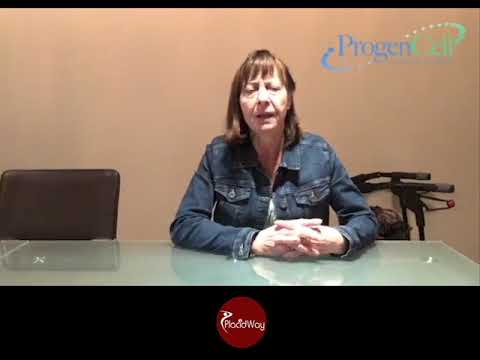


















Share this listing