


The Complete Guide to Spinal Cord Injury Recovery: How Stem Cell Treatment is Restoring Mobility
For decades, a severe spinal cord trauma meant a lifetime confined to a wheelchair. Today, seeing an SCI patient can stand up again after stem cell treatment represents a monumental shift in regenerative medicine. This revolutionary therapy offers profound hope for individuals battling paraplegia and quadriplegia. By harnessing the body’s innate regenerative capabilities, specialized cellular therapies are actively repairing damaged neural pathways, reducing chronic neuroinflammation, and restoring lost motor functions. Explore how this innovative biological treatment is reshaping neurological rehabilitation, defying traditional medical limitations, and giving severely injured patients a second chance at independent mobility.
Video Chapters & Quick Navigation
Understanding the Devastating Impact of Spinal Cord Injuries
The central nervous system is a highly complex and delicate communication network. When a spinal cord injury occurs, this vital communication superhighway between the brain and the rest of the body is suddenly and violently interrupted. Traditional medicine has historically viewed these interruptions as permanent and irreversible damage.
Standard protocols immediately following a spinal trauma focus purely on damage control rather than cellular restoration. Surgeons utilize spinal fusion hardware to stabilize fractured vertebrae and administer high doses of corticosteroids to minimize acute swelling. While these initial emergency interventions are critical for saving a patient's life, they do virtually nothing to repair the severed or bruised nerve fibers.
This historical limitation has forced countless patients to accept a life of paralysis, relying on physical therapy merely to prevent muscle atrophy rather than to regain lost function. The inability of the central nervous system to regenerate its own tissue effectively creates a dense scar tissue known as a glial scar. This scar acts as an impenetrable physical and chemical barrier that stops any natural neuronal regrowth in its tracks, cementing the long-term disabilities associated with paraplegia and quadriplegia.
The Science of Neural Regeneration: How Stem Cells Bypass Traditional Limits
Regenerative medicine introduces a completely different paradigm to neurological recovery. Instead of simply managing the symptoms of paralysis, stem cell therapy for spinal cord injuries targets the root cause of the disconnection. By introducing potent, undifferentiated biological cells into the patient's system, medical professionals can trigger a cascade of healing mechanisms that were previously thought impossible in human neurobiology.
The Paracrine Effect and Immunomodulation
One of the most powerful mechanisms of action is known as the paracrine effect. When high-quality mesenchymal stem cells (MSCs) are introduced to the site of the spinal lesion, they act as cellular factories. They secrete a rich soup of growth factors, cytokines, and neurotrophic factors directly into the spinal fluid.
These biochemical signals aggressively combat the hostile environment created by the initial injury. They actively reduce the chronic neuroinflammation that persists for years after the initial trauma. Furthermore, stem cells possess profound immunomodulatory properties, meaning they can calm an overactive immune system that mistakenly attacks surviving nerve cells.
Angiogenesis and Axonal Sprouting
For damaged nerves to heal, they require a massive influx of oxygen and nutrients. Stem cell injections promote angiogenesis, which is the formation of entirely new blood vessels within the damaged spinal tissue. This restored blood flow is a prerequisite for any meaningful neurological recovery.
As the microenvironment becomes hospitable again, the stem cells encourage what is known as axonal sprouting. Surviving nerve cells are stimulated to grow new extensions, effectively building chemical bridges around the glial scar tissue. This rerouting of neural signals is the exact physiological process that allows voluntary motor function and sensory perception to slowly return to paralyzed limbs.
Analyzing the Breakthrough: Patient Success Video Breakdown
To truly grasp the magnitude of this medical advancement, we must examine real-world clinical outcomes. The documented journey of an individual who thought they would never walk again provides invaluable insight into the regenerative process. As seen in the provided clinical documentation, the transition from complete immobility to assisted standing is a multi-phased journey of cellular repair.
At , the footage highlights the patient's initial state post-injury. The complete lack of motor function below the level of the spinal lesion is a stark reminder of the devastating nature of the trauma. The complete loss of independence and the physical toll of muscle wasting are clearly evident, illustrating the baseline from which the regenerative therapy must work.
The turning point in the clinical narrative occurs around , where the detailed stem cell infusion process is outlined. Administered via intrathecal injection directly into the spinal canal, millions of potent stem cells are delivered straight to the cerebrospinal fluid. This delivery method ensures that the regenerative cells bypass the blood-brain barrier and arrive exactly where the neuroinflammation is most severe.
The most profound moment of the recovery timeline is captured at . After months of intensive cellular integration and aggressive physiotherapy, the patient begins to engage major muscle groups in the lower extremities. The sheer willpower required to harness these newly formed neural pathways culminates in the patient supporting their own body weight. Standing upright is not merely a physical triumph; it is irrefutable visual proof of active neuroplasticity and spinal cord tissue repair.
Types of Stem Cells Utilized for Spinal Nerve Repair
Not all stem cells are created equal, especially when it comes to the intricate demands of the human nervous system. Global regenerative clinics utilize highly specific cell lines depending on the severity of the injury, the patient's age, and the precise location of the spinal lesion. Understanding these cellular differences is vital for any patient researching affordable stem cell treatment for spinal cord injury.
| Stem Cell Type | Source Material | Primary Neurological Benefits |
|---|---|---|
| Umbilical Cord Wharton's Jelly (UC-MSC) | Donated umbilical cords post-healthy birth | Highest proliferation rate. Exceptional at reducing neuroinflammation and secreting nerve growth factors. Completely avoids immune rejection. |
| Bone Marrow-Derived (BM-MSC) | Patient's own hip bone (Autologous) | Excellent for localized tissue repair and bone density support. Safest profile as it uses the patient's own biological material. |
| Adipose-Derived (AD-MSC) | Patient's own abdominal fat tissue | Yields massive quantities of cells quickly. Highly effective for systemic inflammation reduction and supporting general vascular health. |
For severe spinal cord injuries, Umbilical Cord Mesenchymal Stem Cells (UC-MSCs) are rapidly becoming the global gold standard. Because these cells are day-zero young, they have not been exposed to environmental toxins, aging, or disease. They possess a robust capacity to transform and adapt, making them uniquely suited to tackle the stubborn barrier of the spinal glial scar.
The Global Landscape of Stem Cell Clinics for Neurological Disorders
A significant challenge facing SCI patients in the United States, Canada, and the United Kingdom is regulatory restriction. The FDA and equivalent medical boards currently classify expanded stem cell treatments as experimental for spinal cord injuries. This forces patients to rely solely on palliative care or wait indefinitely to be accepted into incredibly limited, highly restrictive clinical trials.
As a result, an expansive and highly regulated medical tourism industry has emerged. Forward-thinking nations have established clear legal frameworks that allow top-tier research hospitals to provide expanded cellular therapies legally and safely. Countries like Mexico, Colombia, Thailand, and Germany have become major international hubs for regenerative medicine.
These international medical centers are not makeshift clinics; they are multi-million dollar facilities that operate strict ISO-certified clean rooms. They are staffed by internationally board-certified neurologists and hematologists who have dedicated their entire careers to adult stem cell research. By traveling abroad, patients gain access to cellular expansion techniques that allow for the infusion of hundreds of millions of viable stem cells—doses that are currently unavailable in domestic markets.
Evaluating Patient Eligibility for Spinal Cord Stem Cell Injections
While the prospect of regaining mobility is thrilling, ethical medical boards stress that stem cell therapy is not a magic cure-all that works identically for everyone. Patient selection is a rigorous process. Neurologists utilize a comprehensive battery of tests to determine if a patient has a realistic chance of benefiting from an international stem cell protocol.
Complete vs. Incomplete Injuries
The distinction between a complete and incomplete spinal cord injury plays a massive role in projected outcomes. An incomplete injury means that the spinal cord is only partially severed, leaving some neural pathways intact. These patients typically respond much faster and more robustly to regenerative therapies because the stem cells can optimize and strengthen the surviving connections.
Patients with complete SCI—where the cord is fully severed and no motor or sensory function exists below the injury site—face a steeper climb. However, recent advancements in high-dose intrathecal cellular delivery have shown that even complete SCI patients can experience incredible improvements in autonomic functions, such as restored bowel control, bladder management, and the normalization of blood pressure.
The Window of Opportunity
Timing is a critical variable in regenerative neurology. Medical consensus suggests that the optimal window for administering stem cell treatment for spinal cord injury is within the first twelve to twenty-four months post-injury. During this sub-acute phase, the dense glial scar has not fully calcified, allowing the infused MSCs to penetrate the damaged area more effectively.
However, this does not mean chronic SCI patients are disqualified. Many individuals who suffered their injuries over a decade ago have still reported dramatic improvements in nerve pain reduction, increased muscle mass, and the return of deep tissue sensation after undergoing comprehensive cellular protocols.
Cost Analysis: Affordable Stem Cell Treatment for Paraplegia Globally
Navigating the financial realities of a catastrophic neurological injury is overwhelming. Traditional lifetime care for a paraplegic or quadriplegic patient can easily exceed millions of dollars in the United States, factoring in home modifications, ongoing physical therapy, medications, and specialized mobility equipment.
In contrast, international stem cell therapy for paraplegia represents a consolidated investment in long-term functional recovery. Because insurance providers typically do not cover experimental regenerative medicine, understanding the global pricing landscape is vital for families seeking treatment.
- United States/Canada: Access is generally restricted to unpaid clinical trials. Cash-pay boutique clinics offering unapproved, low-dose treatments often charge between $15,000 and $25,000 for basic joint injections, which are wildly insufficient for spinal cord trauma.
- Latin America (Mexico, Colombia): Highly regulated, state-of-the-art facilities offer comprehensive high-dose protocols ranging from $18,000 to $30,000. These packages often include hospitalization, extensive diagnostics, localized spinal injections, and systemic IV drips.
- Asia (Thailand, India): Known for luxurious medical tourism packages, these destinations offer multi-week comprehensive programs that combine massive stem cell dosing with intensive daily rehabilitation. Costs typically range from $25,000 to $40,000.
When selecting a destination, patients must prioritize clinical transparency over the lowest price tag. Legitimate facilities will always provide a detailed certificate of analysis from a third-party laboratory, verifying the exact cell count, viability percentage, and absolute sterility of the biologic product being injected.
The Crucial Synergy of Stem Cells and Intensive Neurological Rehabilitation
A common misconception is that stem cells work independently to magically restore movement while the patient remains passive. In reality, regenerative medicine is only half of the equation. To witness an SCI patient stand up again after stem cell treatment requires an immense dedication to intensive neurological rehabilitation.
Think of stem cells as the raw building materials delivered to a construction site. Without a blueprint and an active workforce, the materials simply sit there. Physical therapy provides that blueprint. By forcing paralyzed limbs through repetitive motion exercises, electrical stimulation, and robotic exoskeleton walking, the patient forces their central nervous system to fire signals.
This aggressive physical demand tells the newly infused stem cells exactly where they are needed and what type of tissue they need to become. This concept, known as activity-dependent neuroplasticity, ensures that the newly sprouting axons form functional connections rather than random, useless networks. Top global clinics integrate daily occupational therapy, hyperbaric oxygen therapy, and transcranial magnetic stimulation alongside the cellular injections to maximize this synergistic healing effect.
The journey from trauma to triumph is fraught with medical complexities, but the biological barriers of the past are actively being dismantled. As cellular expansion technology improves and high-dose intravenous protocols become more refined, the medical community is moving closer to making paralysis a reversible condition. For patients and their families, the focus must remain on early intervention, rigorous clinical research, and an unwavering commitment to post-therapy rehabilitation.
Ready to Explore Stem Cell Treatment for Spinal Cord Injuries?
Don't let traditional medical limitations dictate your future. PlacidWay connects you with globally accredited, state-of-the-art regenerative clinics offering cutting-edge stem cell therapies for neurological recovery. Let our experts help you find a safe, verified, and affordable path to reclaiming your independence.
GET A FREE CLINICAL EVALUATION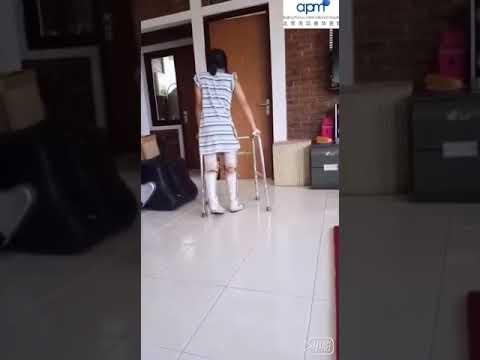


















Share this listing