


Beijing Puhua International Hospital: A Global Leader in Neurological and Regenerative Medicine
Searching for life-changing medical care often requires looking beyond domestic borders. For patients seeking unparalleled expertise in neurology, oncology, and regenerative medicine, Beijing Puhua International Hospital stands out as a beacon of hope and innovation. Located in the bustling heart of China’s capital, this institution has revolutionized the way we approach complex medical conditions by seamlessly blending cutting-edge Western medical technology with holistic healing philosophies.
Medical tourism for severe neurological and oncological conditions is no longer a last resort; it is a strategic choice for high-quality, targeted care. From pioneering stem cell therapy in Beijing, China, to executing highly complex robotic brain surgeries, this hospital attracts thousands of international patients annually. Watch to discover how state-of-the-art facilities and top-tier specialists are reshaping the future of global healthcare.
Video Chapters & Quick Navigation
The Evolution of High-Acuity Medical Care in Asia
The landscape of global healthcare has shifted dramatically over the past two decades. Historically, patients in developing nations or even industrialized countries with heavily burdened healthcare systems would travel to the United States or Western Europe for complex procedures. Today, top international hospitals in China for expats and medical tourists have reversed that flow. Beijing Puhua International Hospital stands at the very center of this paradigm shift.
Established in 1995, the facility was designed from the ground up to serve as a bridge between Eastern and Western medical practices. As highlighted at in the video, the hospital’s founding mission was to deliver uncompromising, world-class neurological care to both the domestic population and the growing expatriate community. Over the years, this mission has expanded aggressively into the realms of regenerative medicine, oncology, and comprehensive rehabilitation.
What truly sets this institution apart is its multidisciplinary approach to patient care. Rather than isolating specialists in different departments, the hospital operates on a collaborative model. Neurosurgeons, oncologists, stem cell researchers, and traditional medicine practitioners conduct joint case reviews. This ensures that every patient receives a holistic, individualized treatment plan that maximizes the potential for recovery.
Pioneering Breakthroughs in Stem Cell Therapy in Beijing China
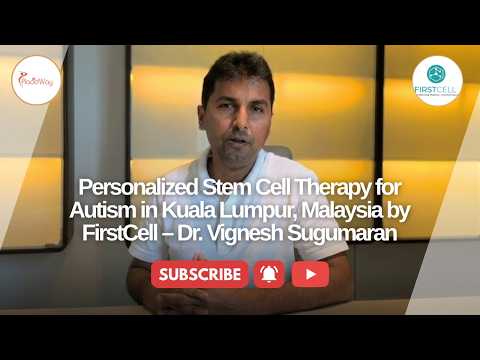
One of the most compelling reasons international patients seek out Beijing Puhua International Hospital is its unparalleled expertise in regenerative medicine. The application of stem cell therapy in Beijing, China, has reached a level of clinical maturity that is often hindered by regulatory red tape in Western nations. Here, state-of-the-art laboratories operate under strict international safety protocols to culture and deploy high-vitality stem cells.
Regenerative medicine focuses on repairing, replacing, or regenerating damaged cells and tissues. At the hospital, specialists predominantly utilize Mesenchymal Stem Cells (MSCs) and Neural Stem Cells (NSCs). As explained at , these cells are highly adaptable and possess potent anti-inflammatory properties. When introduced into a patient's body, they migrate to areas of injury and begin the complex process of tissue repair and immunomodulation.
Targeted Conditions for Regenerative Protocols
The clinical application of these cellular therapies is vast, but the hospital has garnered global acclaim for treating specific, highly challenging neurological and autoimmune disorders. The targeted therapies include:
- Parkinson's Disease: Utilizing stem cells to help regenerate dopamine-producing neurons and slow the progression of motor tremors.
- Spinal Cord Injuries (SCI): Applying localized cellular therapies to reduce scar tissue in the spinal cord and promote nerve regeneration.
- Cerebral Palsy: Intervening with neuro-regenerative treatments to improve motor function, muscle tone, and cognitive development in affected children.
- Multiple Sclerosis: Leveraging the immunomodulatory effects of MSCs to halt autoimmune attacks on the central nervous system.
These protocols are not presented as magic cures, but rather as scientifically backed interventions designed to significantly improve the quality of life for patients who have exhausted conventional medical options.
Advanced Neurosurgery Treatments and Stereotactic Technologies
The neurosurgical department at Beijing Puhua International Hospital is widely considered one of the top neurology clinics in Asia. Brain and spinal cord surgeries require an extraordinary level of precision, and the facility has heavily invested in the most advanced surgical technologies available globally. The integration of robotic-assisted platforms and intraoperative imaging has dramatically reduced complication rates.
A cornerstone of their surgical success is the use of stereotactic neurosurgery. As detailed at , this minimally invasive technique utilizes a three-dimensional coordinate system to locate small targets inside the brain. This allows surgeons to perform procedures such as biopsies, ablation, or deep brain stimulation (DBS) implantation with sub-millimeter accuracy. This precise targeting minimizes damage to surrounding healthy brain tissue, leading to faster recovery times and better cognitive preservation.
Deep Brain Stimulation (DBS) for Movement Disorders
For patients suffering from severe Parkinson's disease, essential tremor, or dystonia, Deep Brain Stimulation has proven to be a life-altering intervention. The procedure involves implanting a neurostimulator—often referred to as a "brain pacemaker"—which sends electrical impulses to specific areas of the brain. The neurosurgeons in Beijing have performed thousands of these procedures, refining their techniques to ensure optimal electrode placement.
The cost-effectiveness of this procedure in China compared to Western nations has made the hospital a primary hub for international movement disorder patients. They receive the exact same FDA-approved implantable devices (such as those manufactured by Medtronic or Abbott) but benefit from significantly lower surgical and hospitalization fees.
Integrative Oncology: Redefining Cancer Treatment Centers in Beijing
Facing a cancer diagnosis is one of the most daunting challenges a person can experience. Traditional treatments like chemotherapy and radiation, while effective, often bring severe systemic side effects that degrade a patient's physical and mental well-being. Recognizing this, Beijing Puhua International Hospital has developed one of the most progressive cancer treatment centers in Beijing, focusing on targeted, integrative therapies.
The oncology department champions the use of precision medicine. As discussed at , tumors are genetically sequenced to identify specific mutations. This allows oncologists to deploy highly targeted biological therapies that attack only the malignant cells, sparing the healthy tissue. This approach is particularly effective for complex brain tumors, such as glioblastomas, which are notoriously difficult to treat with conventional methods.
Immunotherapy and DC-CIK Treatments
Beyond targeted drugs, the hospital is at the forefront of cancer immunotherapy. Dendritic Cell and Cytokine-Induced Killer (DC-CIK) cell therapy represents a major leap forward in oncological care. This process involves extracting a patient's own immune cells, culturing them in a laboratory to multiply and become hyper-aggressive against cancer markers, and then reintroducing them into the patient's bloodstream.
This customized biological weapon effectively trains the patient's own immune system to hunt down and destroy cancer cells. When combined with customized low-dose chemotherapy and traditional Chinese medicine to support the immune system, patients often experience prolonged remission rates with drastically fewer side effects than traditional blanket chemotherapy protocols.
Cutting-Edge Diagnostic Imaging and Neurological Assessments
Accurate treatment is entirely dependent on accurate diagnosis. Medical tourists frequently arrive at Beijing Puhua International Hospital with misdiagnoses or incomplete medical imaging from their home countries. To combat this, the hospital has built a diagnostic imaging center that rivals the top research universities in the world.
The facility is equipped with state-of-the-art 3.0T MRI machines, which provide incredibly high-resolution images of brain and spinal cord structures. These advanced scanners are capable of functional MRI (fMRI) and Diffusion Tensor Imaging (DTI), allowing specialists to map the brain's white matter tracts and functional centers. This is absolutely critical for pre-surgical planning, ensuring that vital areas controlling speech, movement, and vision are completely avoided during tumor resections.
Additionally, the hospital utilizes advanced PET-CT scanning to detect cellular metabolic changes before anatomical changes are visible on a standard CT scan. As noted at , this early detection capability is a game-changer for oncology patients, allowing doctors to precisely monitor how a tumor is responding to targeted therapies in real-time, week by week.
The Comprehensive International Patient Experience
Traveling across the world for a major medical procedure is incredibly stressful. Recognizing the unique anxieties of medical tourists, the administration has meticulously crafted an international patient services department that handles every logistical detail. The goal is to allow the patient and their family to focus entirely on healing and recovery.
From the moment an inquiry is made, patients are assigned a dedicated medical coordinator. This coordinator assists with securing medical visas, organizing airport transfers with medical escorts if necessary, and arranging accommodations for accompanying family members. The hospital itself is designed to feel less like a clinical institution and more like a premium care facility, offering private VIP suites equipped with high-speed internet, international television, and comfortable spaces for loved ones.
Overcoming the Language Barrier
One of the primary concerns for anyone considering medical tourism in Asia is the language barrier. Beijing Puhua International Hospital completely eliminates this friction. The facility employs a full-time staff of multilingual medical interpreters who are fluent in English, Russian, Arabic, Spanish, and French.
These are not standard translators; they are medically trained professionals who understand complex anatomical terminology and treatment protocols. They accompany the patient to every single consultation, diagnostic test, and therapy session, ensuring that informed consent is clear and that the patient feels completely understood and empowered throughout their healthcare journey.
Medical Tourism Cost Comparison: Beijing vs. Western Healthcare
The financial burden of complex medical care in the West can be catastrophic, even for those with comprehensive health insurance. High deductibles, out-of-network specialty fees, and denied coverage for experimental or cutting-edge treatments leave many families with no options. The cost of advanced neurosurgery and stem cell protocols at Beijing Puhua International Hospital is highly competitive, without sacrificing an ounce of quality.
As seen at , the favorable economic conditions in China, combined with heavy governmental investment in medical infrastructure, allow these hospitals to offer premium services at a fraction of Western prices. The table below illustrates a general comparison of common highly specialized treatments.
| Medical Procedure | Estimated Cost (USA) | Estimated Cost (UK - Private) | Estimated Cost (Beijing Puhua) |
|---|---|---|---|
| Deep Brain Stimulation (DBS) | $70,000 - $100,000 | £45,000 - £60,000 | $25,000 - $35,000 |
| Comprehensive Stem Cell Protocol (Neuro) | $25,000 - $40,000* | £20,000 - £35,000* | $12,000 - $20,000 |
| Robotic Brain Tumor Resection | $80,000 - $150,000 | £50,000 - £80,000 | $30,000 - $45,000 |
| DC-CIK Immunotherapy (per cycle) | $15,000 - $25,000 | £10,000 - £18,000 | $6,000 - $10,000 |
*Note: Many advanced stem cell protocols are restricted or not fully approved for certain neurological conditions in the US and UK, making true cost comparison difficult. Prices are estimates and vary based on patient acuity.
Multidisciplinary Rehabilitation and Long-Term Wellness
A successful surgery or cellular therapy injection is only the first step in the healing process. True recovery is forged in rehabilitation. Beijing Puhua International Hospital distinguishes itself by refusing to discharge patients before they undergo intensive, customized post-operative rehabilitation programs.
The rehabilitation center integrates the best of modern physical therapy with the ancient wisdom of Traditional Chinese Medicine (TCM). As shown at , patients recovering from spinal cord injuries or strokes undergo rigorous physical and occupational therapy utilizing robotic gait-training exoskeletons. These devices help retrain the brain's neuroplasticity, reminding the nervous system how to execute complex motor functions.
The Role of Traditional Chinese Medicine (TCM)
Simultaneously, Western protocols are augmented with targeted TCM practices. Clinical acupuncture is frequently used to manage post-operative pain without the need for heavy, addictive opioid medications. It is also utilized to stimulate nerve regeneration and improve local blood flow to surgical sites or paralyzed limbs.
Furthermore, patients are often prescribed Hyperbaric Oxygen Therapy (HBOT). Breathing 100% pure oxygen in a pressurized chamber exponentially increases the amount of oxygen carried by the blood plasma. This floods damaged neurological tissues with the fuel they need to heal rapidly, drastically reducing inflammation and edema in the brain following neurosurgery.
A Global Hub for Medical Excellence
The decision to travel abroad for medical care is profound, requiring trust in both the institution and the medical professionals. Beijing Puhua International Hospital has earned that trust through decades of consistent, life-saving clinical outcomes. The hospital maintains strict accreditations and adheres strictly to international healthcare quality standards, ensuring that every protocol is evidence-based and meticulously executed.
For expatriates living in Asia, medical tourists seeking breakthrough regenerative therapies, or families fighting complex oncological battles, this institution provides a comprehensive, compassionate sanctuary. The fusion of highly advanced robotic neurosurgery, leading-edge stem cell application, and integrative holistic rehabilitation creates an environment where the impossible often becomes achievable.
By stepping outside the constraints of local healthcare systems, patients unlock access to technologies and therapies that can fundamentally alter the trajectory of their health. The dedicated teams in Beijing are ready to review your medical history, formulate a personalized action plan, and guide you through every step of your medical journey.
Ready to Explore Advanced Treatment in Beijing?
Take the first step toward specialized care. PlacidWay Medical Tourism connects you directly with the specialists at Beijing Puhua International Hospital. Secure a free consultation, review treatment options, and get comprehensive travel assistance today.
GET A FREE MEDICAL QUOTE






.png)










Share this listing