


The Complete Guide to Gastric Sleeve Surgery in Reynosa, Mexico
Welcome to the definitive guide on transforming your health and reclaiming your life. If you are struggling to overcome severe obesity, you have likely discovered that traditional diet and exercise methods often fall short. It is time to watch gastric sleeve surgery in Reynosa, Mexico, and see firsthand how world-class medical professionals are delivering lasting weight loss results. By choosing this premier destination, patients secure affordable bariatric surgery in Mexico without ever sacrificing safety, technological advancement, or clinical excellence.
Video Chapters & Quick Navigation
The Escalating Crisis of Obesity and the Need for Intervention
The global struggle with obesity has reached unprecedented levels, affecting millions of individuals and significantly reducing their overall quality of life. Medical professionals now recognize that severe obesity is a complex metabolic disease, not simply a lack of willpower. Conditions such as type 2 diabetes, severe sleep apnea, hypertension, and joint deterioration are directly linked to carrying excess body weight over prolonged periods.
For those trapped in this cycle, traditional weight loss methods often yield minimal or temporary results, leading to deep psychological frustration. As highlighted at in the video, surgical intervention has proven to be the most effective long-term solution for significant weight reduction. Medical tourism for weight loss has emerged as a lifeline, allowing patients to access life-saving procedures without facing medical bankruptcy.
Choosing to pursue safe gastric sleeve procedures in Mexico provides patients with a powerful metabolic reset. By addressing both the physical capacity of the stomach and the hormonal triggers of hunger, bariatric surgery offers a comprehensive approach to overcoming metabolic syndrome. This pathway is giving countless individuals a second chance at an active, healthy life.
Understanding Vertical Sleeve Gastrectomy
A vertical sleeve gastrectomy, commonly referred to as a gastric sleeve, is currently the most popular bariatric procedure performed worldwide. During this minimally invasive laparoscopic surgery, a highly skilled surgeon removes approximately 75 to 80 percent of the patient's stomach. The remaining portion is shaped into a narrow tube or "sleeve," roughly the size and shape of a banana, which drastically restricts the volume of food that can be consumed.
The Powerful Hormonal Advantage
The success of this procedure relies on much more than just physical restriction; it involves a profound hormonal transformation. The specific portion of the stomach that is surgically removed is known as the gastric fundus. This area is responsible for producing ghrelin, the primary hormone responsible for signaling hunger to the brain.
As demonstrated at , the sudden drop in ghrelin levels post-surgery almost entirely eliminates the physical sensation of starvation. Patients who undergo vertical sleeve gastrectomy abroad report feeling satisfied after consuming very small portions of food. This powerful combination of physical restriction and chemical appetite suppression makes it the ultimate tool for sustained, massive weight loss.
Why Reynosa is a Premier Destination for Medical Tourism
When researching affordable bariatric surgery in Mexico, patients often look closely at border cities due to their accessibility. Reynosa, located immediately across the border from McAllen, Texas, has rapidly developed into a hub of medical excellence. Its geographic location makes it incredibly convenient for patients traveling from the United States and Canada, eliminating the need for complex international flights.
The city has heavily invested in medical tourism infrastructure, creating safe, streamlined experiences for international patients. Reynosa Mexico bariatric clinic reviews consistently praise the seamless transition from the US airport directly to the medical facility. Clinics often utilize dedicated medical lanes at the border, drastically reducing wait times and ensuring a smooth, stress-free journey.
Furthermore, the medical culture in Reynosa is deeply intertwined with American healthcare standards. Many of the best bariatric surgeons in Reynosa have trained, studied, or attended extensive medical conferences in the United States. This cross-border collaboration ensures that patients receive care that meets or exceeds the strict clinical protocols they would expect in their home country.
Shattering the Price Tag: Weight Loss Surgery Cost in Reynosa
The primary driving factor for the surge in medical tourism is the prohibitive cost of healthcare in the United States. Domestically, bariatric surgery is often viewed as an elective procedure by insurance companies, leading to outright denials or exorbitant out-of-pocket deductibles. The weight loss surgery cost in Reynosa offers a stark, welcoming contrast to these inflated domestic prices.
In the United States, an uninsured patient can expect a hospital bill ranging from $15,000 to upwards of $25,000 for a gastric sleeve. This often excludes separate fees for the anesthesiologist, pre-operative testing, and the surgeon's fee. In Reynosa, patients benefit from comprehensive, all-inclusive pricing models that bundle every aspect of the care into one transparent figure.
| Expense Category | Average Cost in the US/Canada | All-Inclusive Cost in Reynosa |
|---|---|---|
| Hospital Facility Fees | $8,000 - $12,000 | Included in Package ($4,000 - $5,500 Total) |
| Surgeon & Assistant Fees | $5,000 - $8,000 | |
| Anesthesiologist Fees | $1,500 - $3,000 | |
| Pre-Op Testing & Lab Work | $500 - $1,200 | |
| Ground Transportation & Hotel | Additional $500+ |
By reviewing the table above, it becomes clear why thousands choose this route annually. The savings amount to nearly 70% to 80%, allowing patients to invest their hard-earned money into their post-operative diet and new lifestyle rather than crippling medical debt.
Advanced Surgical Options and Hospital Infrastructure
A common misconception regarding medical tourism is that lower prices equate to lower quality facilities. The modern medical infrastructure in Reynosa completely dismantles this outdated narrative. Bariatric centers here are housed in state-of-the-art hospitals equipped with the latest advancements in surgical technology.
Patients have access to high-definition laparoscopic towers, advanced vital monitoring systems, and fully equipped intensive care units. As discussed at in the video presentation, the sterilization protocols utilized by these clinics strictly adhere to international health standards. The surgical instruments, stapling devices, and reinforcement materials are sourced from the exact same premium medical manufacturers used in top American hospitals.
The medical teams are robust and highly specialized, ensuring that every patient is monitored continuously. From bilingual nursing staff to dedicated bariatric nutritionists, the level of personalized care often exceeds what patients experience in large, overcrowded domestic healthcare systems. This dedication to excellence is a cornerstone of safe gastric sleeve procedures in Mexico.
Navigating the Pre-Operative Liver Shrinking Diet
The journey to successful weight loss surgery begins weeks before you ever step foot in an operating room. One of the most critical steps mandated by the best bariatric surgeons in Reynosa is the pre-operative liver shrinking diet. Depending on the patient's initial Body Mass Index (BMI), this diet must be strictly followed for anywhere from one to four weeks prior to surgery.
Individuals with severe obesity naturally develop an enlarged, fatty liver, which physically rests directly over the stomach. Because the surgeon needs clear, unobstructed access to the stomach to perform the sleeve gastrectomy safely, shrinking the liver is a non-negotiable medical requirement. A fatty liver is heavy and prone to bleeding, making the laparoscopic procedure significantly more difficult and increasing surgical risks.
The pre-operative diet consists primarily of high-quality protein shakes, clear broths, sugar-free gelatin, and massive amounts of water. By drastically reducing carbohydrate and fat intake, the body is forced to burn its glycogen stores, leading to rapid water weight loss and a highly noticeable reduction in liver size. Strict adherence to this phase proves the patient's mental readiness for the post-operative lifestyle changes.
The Step-by-Step Surgical Experience
Understanding the clinical steps of the surgery helps alleviate anxiety for incoming patients. Upon arriving at the hospital, patients undergo comprehensive pre-operative blood work, electrocardiograms, and consultations with the internal medicine team. Once cleared, the patient is brought into the surgical theater and placed under general anesthesia by a board-certified anesthesiologist.
The surgeon begins by making three to five tiny incisions in the abdomen, through which a high-definition camera and specialized laparoscopic tools are inserted. The abdomen is carefully inflated with harmless carbon dioxide gas to create a spacious working environment. As shown at , the surgeon uses a sizing tube called a bougie to ensure the new stomach is shaped perfectly before applying surgical staples.
Ensuring Safety with the Leak Test
Once the larger portion of the stomach is separated and carefully removed from the abdominal cavity, the surgical team performs a critical safety check known as a leak test. A special medical dye is introduced into the newly formed sleeve while the surgeon monitors the area via the laparoscopic camera.
This strict protocol ensures that the staple line is completely secure and totally sealed before the incisions are closed. This meticulous attention to detail is why vertical sleeve gastrectomy abroad maintains such high safety ratings and low complication rates.
The Four Phases of Post-Operative Bariatric Diet
Following a gastric sleeve, the patient's stomach is incredibly small and actively healing from surgical trauma. Attempting to consume regular food too quickly can lead to severe pain, vomiting, or dangerous leaks along the staple line. Therefore, patients must commit to a strict, phased dietary progression to protect their new organ.
- Phase 1: Clear Liquids (Days 1-7). The focus here is solely on hydration. Patients sip water, sugar-free sports drinks, and clear broths constantly throughout the day to prevent dehydration.
- Phase 2: Full Liquids (Days 8-14). Protein becomes the priority. Patients introduce high-protein shakes, thinned yogurt, and strained cream soups to begin fueling the body's recovery.
- Phase 3: Pureed Foods (Days 15-21). Foods are introduced but must be blended to a baby-food consistency. Scrambled eggs, pureed fish, and cottage cheese allow the stomach to practice digesting solids without strain.
- Phase 4: Soft Solids (Days 22+). Patients transition to soft, highly chewable foods. The golden rule is established here: chew every bite twenty times and always prioritize protein over carbohydrates.
This careful progression, outlined perfectly at in the video, ensures that the newly stapled stomach heals perfectly without stretching or suffering internal trauma.
Essential Post-Bariatric Supplementation
Because the stomach's capacity is drastically reduced, patients simply cannot consume enough sheer volume of food to meet their daily nutritional requirements. While the gastric sleeve does not bypass the intestines like a gastric bypass, the reduction in stomach acid still impacts the absorption of certain key nutrients. Lifelong vitamin supplementation is absolutely mandatory to prevent severe deficiencies.
Patients must take specialized bariatric multivitamins that contain higher concentrations of easily absorbable vitamins. Critical supplements include Vitamin B12, which is notoriously difficult to absorb post-surgery, as well as Iron and Calcium Citrate to prevent anemia and bone density loss. Routine blood work every six months ensures that nutritional levels remain optimal as rapid weight loss occurs.
Additionally, hitting daily protein goals is crucial for maintaining muscle mass. During the rapid weight loss phase, the body will burn muscle if insufficient protein is consumed. Bariatric clinics emphasize a minimum intake of 60 to 80 grams of protein daily to protect the heart muscle and maintain physical strength.
Navigating Travel and Border Logistics to Reynosa
Planning a medical trip can feel overwhelming, but specialized bariatric facilitators make the process virtually effortless. Most patients begin their journey by flying into the McAllen International Airport (MFE) in South Texas. From there, the process is heavily curated to ensure maximum comfort and security.
Upon landing, patients are greeted by bilingual chauffeurs employed by the bariatric clinic. The drive from the McAllen airport to the border crossing is exceptionally short, often taking less than twenty minutes. Because patients are traveling for documented medical purposes, the vehicles utilize dedicated medical tourism lanes, bypassing standard border traffic completely.
Patients will need a valid passport to cross the border and return to the United States. The concierge teams handle all internal hotel bookings, hospital transfers, and pharmacy runs for post-op medications. This white-glove service allows patients to focus 100% of their mental energy on their recovery and impending weight loss success, knowing every logistical detail has been masterfully handled.
Ready to Begin Your Weight Loss Journey?
Take the first step toward a healthier, more active life. PlacidWay Medical Tourism connects you with elite, board-certified bariatric surgeons in Reynosa, Mexico, offering all-inclusive packages at a fraction of US prices. Let us help you coordinate the trip of a lifetime.
GET A FREE QUOTE TODAY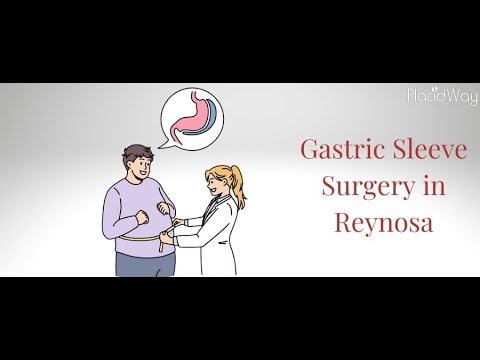

.png)
.png)
.png)

.jpg)

.jpg)








Share this listing