


The Ultimate Guide to Gastric Bypass Surgery in Istanbul, Turkey
Struggling with severe obesity can feel like an endless, exhausting battle against your own biology, especially when life-saving medical procedures are priced entirely out of reach. For countless individuals, the dream of achieving sustainable weight loss is shattered by the astronomical healthcare costs in the United States, Canada, and the United Kingdom. However, a transformative solution exists. Gastric Bypass Surgery in Istanbul, Turkey, has emerged as the global gold standard for affordable, world-class bariatric care. By combining elite surgical expertise, state-of-the-art hospitals, and all-inclusive recovery packages, Istanbul is rewriting the narrative of medical tourism. Watch the video and read our comprehensive guide to discover how you can reclaim your health, resolve metabolic diseases, and transform your life without enduring financial ruin.
Video Chapters & Quick Navigation
The Obesity Epidemic and the Shift Toward Medical Tourism
Obesity is no longer viewed merely as a lifestyle issue; it is a complex, chronic metabolic disease that severely diminishes quality of life and lifespan. Millions of people suffer daily from the physical burdens of excess weight, facing debilitating joint pain, severe sleep apnea, and life-threatening conditions like Type 2 diabetes and hypertension. Despite the urgency of these health threats, access to effective bariatric interventions remains tightly gated in many Western nations.
In the United States and the United Kingdom, patients are frequently subjected to years-long waiting lists or paralyzing out-of-pocket expenses. Insurance companies often require exhaustive prerequisites that deter patients from getting the care they desperately need. This systemic failure has sparked a massive shift toward medical tourism, specifically pointing patients toward the highly advanced healthcare infrastructure of Turkey.
Istanbul has positioned itself at the epicenter of this movement. The city offers an extraordinary combination of stringent medical regulations, internationally accredited facilities, and highly experienced bariatric surgeons. Patients are realizing that traveling abroad for weight loss surgery does not mean compromising on quality. In fact, due to the sheer volume of procedures performed, many Turkish surgeons possess a level of technical mastery that far exceeds their Western counterparts.
Understanding Gastric Bypass: The Gold Standard of Bariatrics
When researching weight loss surgery abroad, the Roux-en-Y Gastric Bypass frequently emerges as the most recommended procedure for patients with severe obesity or pronounced metabolic conditions. Unlike a Gastric Sleeve, which is purely restrictive, a Gastric Bypass operates on a powerful dual-mechanism approach. It combines physical restriction with highly effective caloric malabsorption.
The Restrictive Component
During the procedure, the surgeon divides the stomach, creating a small upper pouch that is roughly the size of a walnut. This new micro-stomach can only hold about one ounce of food at a time. Because the physical capacity is drastically reduced, patients feel a profound sense of fullness after consuming only a few bites of food. This restriction fundamentally alters a patient's relationship with portion control, making it mechanically impossible to overeat.
The Malabsorptive and Hormonal Components
The second phase of the surgery involves rerouting the digestive tract. The newly created small stomach pouch is connected directly to the middle portion of the small intestine, entirely bypassing the larger portion of the stomach and the upper intestine (duodenum). This rerouting means the body absorbs significantly fewer calories and fats from the food consumed.
Furthermore, this anatomical change triggers massive hormonal shifts within the gastrointestinal tract. The production of ghrelin, the primary hunger hormone, plummets dramatically. Simultaneously, hormones that promote satiety, such as GLP-1 and PYY, are enhanced. This hormonal reset is why Gastric Bypass is remarkably effective at immediately reversing Type 2 diabetes, often before any significant weight is even lost.
Why Choose Istanbul, Turkey for Your Weight Loss Journey?
Choosing to undergo major surgery in a foreign country requires immense trust, and Istanbul has spent over a decade building a global reputation for medical excellence. The Turkish Ministry of Health heavily regulates the medical tourism industry, ensuring that clinics catering to international patients adhere to the strictest global safety protocols.
JCI-Accredited Hospitals
Many of the leading bariatric centers in Istanbul hold accreditation from the Joint Commission International (JCI). This is the exact same rigorous accrediting body that evaluates top-tier hospitals in the United States. A JCI accreditation guarantees that the facility maintains the highest standards in surgical safety, infection control, and patient care. You are not entering a subpar clinic; you are walking into a multi-specialty, high-tech medical center.
Surgical Mastery and Laparoscopic Technology
The bariatric surgeons in Istanbul are frequently trained internationally, holding memberships in prestigious organizations like the International Federation for the Surgery of Obesity and Metabolic Disorders (IFSO). Because Istanbul is a global hub, these surgeons perform hundreds of gastric bypass procedures annually. This high volume translates directly to superior surgical dexterity, shorter operation times, and minimized complication rates.
Additionally, surgeries in Istanbul are performed using the latest minimally invasive laparoscopic techniques. Instead of a massive open incision, surgeons use tiny keyhole incisions to insert a camera and specialized instruments. This modern approach ensures significantly less postoperative pain, dramatically reduced scarring, and a much faster return to normal daily activities.
Shattering the Financial Barrier: Cost and All-Inclusive Packages
The most compelling catalyst driving international patients to Turkey is the extraordinary affordability. The cost disparity between Western nations and Turkey is staggering, yet it has nothing to do with inferior quality. The price difference is driven by Turkey's lower cost of living, favorable exchange rates, and government incentives designed to promote medical tourism.
| Country | Average Cost of Gastric Bypass | Wait Times |
|---|---|---|
| United States | $20,000 - $35,000+ | Moderate to Long (Insurance hurdles) |
| United Kingdom | £10,000 - £15,000 (Private) | 2-4 Years (NHS) |
| Canada | $18,000 - $25,000 CAD | 2-5 Years (Public Healthcare) |
| Istanbul, Turkey | $3,500 - $5,500 (All-Inclusive) | Minimal to None |
In Istanbul, you are not just paying for a surgery; you are purchasing a comprehensive, stress-free medical experience. Clinics offer meticulously curated "All-Inclusive Bariatric Packages" designed specifically for the international traveler. These packages eliminate all logistical headaches.
A standard all-inclusive package typically covers VIP airport transfers, accommodation in a 4- or 5-star hotel for the duration of your recovery, a dedicated bilingual patient coordinator, all pre-operative diagnostic tests, the surgery itself, anesthesiologist fees, a 3-to-4-day stay in a private hospital suite, and post-operative medications. Many clinics also provide months of remote dietary follow-up to ensure your transition back home is seamless.
Rigorous Pre-Operative Testing: Ensuring Total Safety
A common myth regarding medical tourism is that foreign clinics rush patients into the operating room without proper screening. In Istanbul's premier bariatric centers, the exact opposite is true. The pre-operative evaluation is remarkably thorough, often more comprehensive than what patients experience in their home countries.
Upon your arrival at the hospital on the day before your surgery, you will undergo a battery of diagnostic tests. This typically includes extensive blood panels, an EKG, a chest X-ray, pulmonary function tests, and an abdominal ultrasound. Most crucially, you will have consultations with a multidisciplinary team. You will be evaluated by an internal medicine specialist, a cardiologist, an anesthesiologist, and a pulmonologist to ensure your body is fully prepared for general anesthesia.
Additionally, many surgeons require an upper endoscopy (gastroscopy) prior to the gastric bypass. This allows the medical team to inspect the esophagus and stomach for hiatal hernias, ulcers, or H. pylori infections, addressing any underlying issues before making anatomical changes. This exhaustive safety protocol is why complication rates in top Istanbul clinics remain incredibly low.
The Surgery and the Luxury Hospital Stay
The gastric bypass procedure itself generally takes between 90 minutes to two hours under general anesthesia. Because it is performed laparoscopically, trauma to the abdominal wall is minimal. Once the surgery is complete, you will be moved to a private, hotel-like recovery suite. Turkish private hospitals are renowned for their luxurious amenities, offering comfortable bedding, high-speed Wi-Fi, and a sofa bed for your accompanying companion.
Your hospital stay will last approximately three to four nights. During this critical immediate recovery phase, you are monitored around the clock by dedicated bariatric nurses. Within hours of waking up, nurses will assist you in standing and walking the hospital corridors. Early mobilization is vital to prevent blood clots and help dissipate the carbon dioxide gas used to inflate your abdomen during surgery.
Pain management is highly prioritized. You will receive intravenous analgesics and anti-nausea medications to ensure you remain as comfortable as possible. On the second or third day, you will undergo a leak test—a special X-ray using an ingestible dye to confirm that your newly formed stomach pouch and intestinal connections are perfectly sealed and secure before you are cleared to begin sipping water.
The Post-Operative Diet Timeline: Relearning How to Eat
Gastric bypass surgery is not a magic cure; it is a highly effective tool that requires unwavering patient compliance. The anatomical changes dictate a strict dietary progression designed to allow your stomach staples to heal while keeping you nourished. Turkish clinics provide comprehensive nutritional guidebooks and access to English-speaking bariatric dietitians.
Phase 1: Clear Liquids (Days 1-7)
Immediately following surgery, your diet consists strictly of clear liquids. This includes water, decaffeinated tea, sugar-free clear juices, and clear broths. Hydration is your primary job. Because your new stomach is inflamed and tiny, you must sip liquids slowly throughout the day, avoiding straws and gulping to prevent painful trapped air.
Phase 2: Full Liquids and Protein (Weeks 2-3)
As you transition to your hotel and eventually fly home, you will introduce full liquids. This is when protein intake becomes critical to preserve muscle mass during rapid weight loss. You will consume high-quality, low-sugar whey protein shakes, skim milk, very thin strained soups, and sugar-free yogurts.
Phase 3 & 4: Pureed and Soft Foods (Weeks 4-8)
By the end of your first month, you will graduate to pureed foods. Everything must be blended to the consistency of baby food. Cottage cheese, scrambled eggs, and mashed legumes are staples here. Gradually, you will introduce soft foods like baked fish and tender cooked vegetables. You will quickly learn to chew your food 20 to 30 times per bite, eat protein first, and never drink liquids 30 minutes before or after a meal.
Long-Term Health, Vitamins, and Comorbidity Remission
Because the Roux-en-Y gastric bypass reroutes the intestine, your body's ability to absorb essential micronutrients is permanently altered. To prevent severe nutritional deficiencies, you commit to a lifelong regimen of specific bariatric multivitamins. You will require daily supplementation of Iron, Vitamin B12, Calcium Citrate, and Vitamin D. Your clinical team in Istanbul will provide your initial supply and guide you on what to purchase back home.
The long-term physiological rewards of this commitment are truly astounding. Patients typically lose 65% to 80% of their excess body weight within the first 12 to 18 months. More importantly, gastric bypass surgery induces rapid remission of obesity-related comorbidities.
Over 80% of patients with Type 2 diabetes achieve complete remission, often leaving the hospital entirely off insulin. Blood pressure normalizes, cholesterol levels plummet, and the debilitating exhaustion of obstructive sleep apnea vanishes. The heavy burden on weight-bearing joints like knees and hips is lifted, allowing patients to rediscover the joy of an active, energetic life.
Transforming Your Life in the City of Two Continents
Traveling to Istanbul for a gastric bypass is more than just a medical intervention; it is a holistic journey of transformation. As you recover in your comfortable hotel, you can gaze across the Bosphorus Strait, feeling a renewed sense of hope and vitality. The exceptional care, the luxurious hospitality, and the profound affordability make Turkey the undisputed leader in bariatric tourism.
You do not have to live your life trapped by severe obesity, nor do you have to drain your life savings to access premium medical care. The world-class bariatric surgeons of Istanbul are ready to guide you safely toward a healthier, longer, and more vibrant future.
Ready to Start Your Weight Loss Journey in Istanbul?
Do not let high healthcare costs hold you back from the life-changing bariatric surgery you deserve. PlacidWay connects you directly with top-rated, JCI-accredited bariatric clinics in Istanbul. Secure your all-inclusive package today.
GET A FREE QUOTE TODAY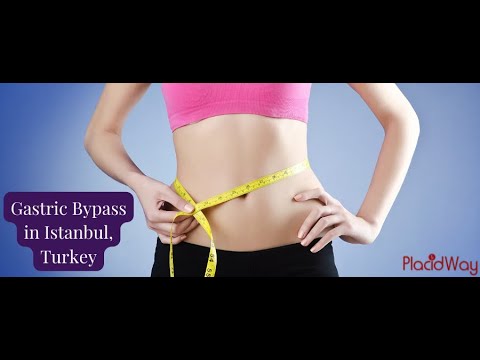





.jpg)










Share this listing