


The Comprehensive Guide to Stem Cell Therapy for Diabetes in Mexico: Costs, Clinics, and Advanced Care
Living with a chronic metabolic condition often feels like a relentless, lifelong cycle of blood sugar monitoring, strict dietary limitations, and daily insulin dependence. For patients seeking an alternative to conventional symptom management, stem cell therapy for diabetes in Mexico has emerged as a groundbreaking, science-backed option.
Advanced regenerative medicine centers across the border are providing innovative therapies designed to address the root causes of pancreatic dysfunction. By leveraging the power of modern cellular therapies, patients are exploring new pathways to reduce their dependency on medication, improve their metabolic function, and significantly enhance their overall quality of life.
Video Chapters & Quick Navigation
The Growing Demand for Alternative Diabetes Treatments
Diabetes has reached epidemic proportions globally, affecting hundreds of millions of individuals. Traditional treatment protocols primarily focus on managing the symptoms rather than addressing the underlying cellular degradation. Patients are routinely prescribed synthetic insulin, metformin, and other pharmacological agents to keep blood glucose levels within a tolerable range.
While these conventional treatments are life-saving, they do not cure the disease. As noted at in the presentation, long-term reliance on exogenous insulin can lead to a host of systemic issues. Over time, fluctuating blood sugar levels inevitably cause microvascular and macrovascular damage throughout the human body.
This persistent damage is what leads to severe diabetic complications, including irreversible neuropathy, chronic kidney disease, and vision loss. The frustration with this purely reactive medical approach has fueled a massive surge in patients seeking proactive, regenerative solutions through medical tourism.
How Stem Cell Therapy for Diabetes Actually Works
Regenerative medicine utilizes the body’s own healing mechanisms, amplified through advanced laboratory science. The cornerstone of this treatment involves Mesenchymal Stem Cells (MSCs). These are multipotent adult stem cells that have the unique ability to differentiate into a variety of cell types, including bone, cartilage, muscle, and adipose cells.
The Power of Mesenchymal Stem Cells (MSCs)
MSCs are highly valued in endocrinology for their remarkable immunomodulatory and anti-inflammatory properties. When introduced into a diabetic patient's bloodstream, these cells exhibit a "homing" mechanism. They naturally migrate toward areas of severe tissue injury and systemic inflammation, specifically targeting the damaged pancreas.
Once they reach the pancreatic microenvironment, as highlighted at , MSCs begin to secrete a complex array of cytokines and growth factors. This paracrine effect helps to rescue surviving beta cells from apoptosis (programmed cell death) and stimulates the regeneration of new, healthy insulin-producing tissues.
Autologous vs. Allogeneic Cell Sources
Top-tier Mexican clinics typically offer two primary sources for stem cell extraction. Autologous stem cells are harvested directly from the patient’s own bone marrow or adipose (fat) tissue. This eliminates any risk of immune rejection, as the biological material is a 100% genetic match.
Alternatively, many advanced facilities utilize allogeneic mesenchymal stem cells derived from ethically sourced, heavily screened umbilical cord tissue (Wharton’s Jelly). These younger, highly robust cells often possess a superior proliferative capacity, making them incredibly effective for advanced regenerative medicine for diabetic neuropathy and pancreatic repair.
Customized Approaches: Treating Type 1 vs. Type 2 Diabetes
It is crucial to understand that Type 1 and Type 2 diabetes have entirely different pathophysiological origins. Consequently, reputable stem cell treatment centers in Tijuana and Cancun do not use a one-size-fits-all approach. Protocols are rigorously customized based on the patient's specific autoimmune or metabolic profile.
Stem Cell Therapy for Type 1 Diabetes
Type 1 diabetes is an autoimmune condition where the body’s immune system mistakenly attacks and destroys the insulin-producing beta cells in the pancreatic islets of Langerhans. The primary goal of stem cell therapy for type 1 diabetes in Mexico is to halt this aggressive autoimmune response.
The infused MSCs work to reset the immune system, downregulating the production of harmful T-cells that attack the pancreas. By creating an immunotolerant environment, the therapy protects the remaining beta cells and paves the way for potential cellular regeneration, which may lead to a reduction in daily exogenous insulin requirements.
Regenerative Medicine for Type 2 Diabetes
Type 2 diabetes is primarily characterized by severe insulin resistance and eventual beta-cell exhaustion due to metabolic syndrome. The focus here shifts toward reducing systemic inflammation and repairing peripheral tissue damage to restore cellular insulin sensitivity.
As discussed at , stem cells help rejuvenate the insulin receptors on muscle and fat cells. Concurrently, they promote angiogenesis—the formation of new blood vessels—which drastically improves blood flow and nutrient delivery to starved, insulin-resistant tissues.
Reversing the Damage: Addressing Severe Diabetic Complications
One of the most compelling reasons international patients seek affordable stem cell therapy abroad is to treat secondary diabetic complications. Chronic hyperglycemia wreaks havoc on the body's vascular network. Stem cell therapy offers a unique, holistic intervention that addresses these widespread systemic failures.
- Diabetic Neuropathy: Peripheral nerve damage causes agonizing pain, tingling, and numbness, primarily in the lower extremities. MSCs secrete neurotrophic factors that stimulate nerve fiber repair and myelin sheath regeneration, offering profound relief where traditional painkillers fail.
- Diabetic Nephropathy: Kidney disease is a devastating consequence of long-term diabetes. Stem cells can reduce renal inflammation, prevent renal fibrosis, and promote the repair of damaged glomerular endothelial cells, potentially delaying the need for dialysis.
- Diabetic Foot Ulcers: Poor circulation and nerve damage lead to slow-healing wounds that can result in amputation. Localized stem cell injections promote rapid angiogenesis and skin tissue regeneration, accelerating the closure of chronic, stubborn ulcers.
- Diabetic Retinopathy: Damage to the blood vessels in the retina is a leading cause of adult blindness. While still heavily researched, stem cell therapies aim to stabilize retinal blood vessels and prevent further vision degradation through powerful paracrine signaling.
Why Mexico is the Leading Destination for Regenerative Medicine
For decades, patients from the United States and Canada have crossed the border for affordable dental and cosmetic care. However, Mexico has recently positioned itself as a global powerhouse in the field of advanced cellular therapies. This rapid growth is driven by several compelling, distinct advantages.
Progressive Regulatory Environment
In the United States, the FDA classifies cultured and expanded stem cells as biological drugs, subjecting them to decades of clinical trials before widespread approval. This regulatory bottleneck severely restricts patient access to advanced cell expansion techniques.
In contrast, the Mexican equivalent to the FDA, known as COFEPRIS (Federal Committee for Protection from Sanitary Risks), has established a progressive, well-regulated framework. As noted at , COFEPRIS allows licensed medical professionals to culture, expand, and administer high-dose stem cell therapies safely, provided they adhere to stringent international laboratory standards.
World-Class Medical Facilities
The best clinics for stem cell diabetes treatment in Mexico rival high-end medical facilities found in Beverly Hills or Manhattan. Destinations like Tijuana, Cancun, Guadalajara, and Monterrey are home to ultra-modern hospitals equipped with ISO-certified clean rooms, advanced flow cytometry technology, and state-of-the-art biological storage systems.
Furthermore, the lead physicians and head scientists at these facilities frequently hold medical degrees and specialized fellowships from prestigious universities in the US, Europe, and Asia. They bring global best practices back to Mexico, ensuring that patients receive premium, culturally competent medical care.
Stem Cell Transplant for Diabetes Cost Comparison: USA vs. Mexico
The financial aspect is undeniably a massive driving factor for medical tourism. The cost of complex cellular therapies in North America can be astronomically prohibitive, often entirely out-of-pocket since experimental treatments are rarely covered by traditional health insurance plans.
By traveling just a few hours south, patients can access identical or superior treatments for a fraction of the price. The lower cost of living, reduced administrative medical overhead, and competitive pharmaceutical pricing in Mexico allow clinics to pass immense savings directly to the patient.
| Treatment Aspect | United States / Canada | Mexico (Top Clinics) |
|---|---|---|
| Initial Medical Consultation | $300 - $800 | Free or included in package |
| Cell Culturing & Expansion | Heavily restricted / Unavailable | Fully permitted (High-dose millions) |
| Autologous Stem Cell Therapy | $15,000 - $25,000+ | $4,500 - $8,000 |
| Allogeneic (Umbilical) Therapy | $20,000 - $35,000+ | $6,000 - $12,000 |
| Comprehensive Care Packages | Not Typically Offered | Often includes hotel & ground transport |
It is vital to note that while the regenerative medicine for type 2 diabetes cost is dramatically lower in Mexico, quality is not sacrificed. These comprehensive packages frequently include pre-operative blood panels, nutritional counseling, IV vitamin therapies, and multi-day hotel stays.
The Complete Stem Cell Treatment Process in Mexico
Understanding the clinical timeline helps alleviate travel anxiety for prospective medical tourists. Top-rated Mexican clinics design their protocols to be as seamless, painless, and efficient as possible, usually completing the core therapies within a 3 to 5-day window.
Step 1: In-Depth Medical Evaluation
Before any travel arrangements are finalized, patients undergo rigorous remote screening. Medical records, recent HbA1c levels, kidney function tests, and detailed medical histories are submitted to the clinical team. This ensures that the patient is a viable candidate for cellular therapy.
Step 2: Arrival and Pre-Treatment Optimization
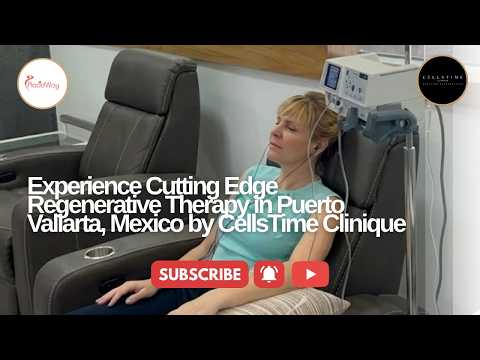
Upon arrival in Mexico, patients are often greeted by private bilingual chauffeurs and escorted to their affiliated hotel or recovery boutique. The first clinical day involves physical examinations and blood draws. As shown at , many facilities utilize hyperbaric oxygen therapy (HBOT) or intravenous ozone therapy to highly oxygenate the blood, preparing the body to accept the new stem cells optimally.
Step 3: The Stem Cell Infusion
If utilizing allogeneic umbilical cord cells, the high-concentration dose is prepared in the onsite laboratory. The actual administration is minimally invasive. Most patients receive their cellular dosage via a slow, monitored Intravenous (IV) drip, which allows the millions of MSCs to circulate systemically throughout the entire body.
In cases of severe localized diabetic complications, such as a diabetic foot ulcer or severe joint neuropathy, targeted local injections may be administered alongside the systemic IV drip to maximize tissue-specific healing.
Step 4: Post-Treatment Monitoring and Return Home
Following the infusion, patients are monitored for a few hours in a comfortable, private suite to ensure there are no adverse allergic reactions—which are exceptionally rare. By the next day, most individuals are cleared to travel back home, carrying a detailed post-treatment dietary and medical protocol to support long-term cell engraftment.
Patient Candidacy & Managing Realistic Expectations
While the clinical data surrounding stem cell therapy for diabetes in Mexico is incredibly promising, transparency is essential. Stem cell therapy is a highly advanced medical tool, but it is not magic. It requires a biological partnership between the treatment and the patient's ongoing lifestyle choices.
Ideal candidates are those who possess a strong commitment to post-treatment health. This means adhering to an anti-inflammatory diet, maintaining moderate physical activity, and continuing to work closely with their primary endocrinologist back home. Stem cells act as a powerful biological reset, but poor dietary habits can eventually reintroduce metabolic toxicity.
Results vary from patient to patient. Some individuals report a massive spike in energy levels, drastic reductions in neuropathic nerve pain, and a stabilized HbA1c within weeks. Others experience a gradual, steady decrease in their daily insulin requirements over several months as the pancreatic beta cells slowly regenerate and regain functional capacity.
Taking Control of Your Metabolic Health
The journey to better metabolic health does not have to be limited by the borders of your home country. By expanding your medical horizons, you open the door to cutting-edge regenerative sciences that are fundamentally changing the way chronic diseases are treated.
The top stem cell clinics in Tijuana, Cancun, and beyond are ready to provide world-class, compassionate care that treats the root cause of diabetes rather than just masking the daily symptoms. A life with less medication, reduced pain, and renewed cellular vitality is highly achievable.
Ready to Explore Stem Cell Therapy for Diabetes?
Take the first step toward reclaiming your health. PlacidWay Medical Tourism partners with fully accredited, top-rated regenerative medicine centers across Mexico. Let us connect you with leading stem cell specialists to review your case and provide a customized, transparent treatment plan.
GET A FREE MEDICAL EVALUATION & QUOTE
















Share this listing