


The Complete Guide to Bone Marrow Stem Cell Applications in Modern Medicine
Welcome to the frontier of regenerative medicine. Today, bone marrow stem cell applications are revolutionizing how medical professionals treat chronic diseases, severe orthopedic injuries, and complex autoimmune conditions. For decades, patients suffering from degenerative joint diseases or systemic immunological disorders faced a lifetime of symptom management, invasive surgeries, or heavy pharmaceutical reliance.
Modern science has uncovered a profoundly effective alternative. By harvesting and concentrating the body's own foundational building blocks, clinicians can directly stimulate tissue repair and systemic healing. Watch to explore how autologous stem cell transplant procedures are completely reshaping the landscape of modern cellular therapy and offering renewed hope to patients worldwide.
Video Chapters & Quick Navigation
Understanding the Biology of Bone Marrow Stem Cells
To truly grasp the massive potential of regenerative medicine, one must first understand the innate biological power residing within our own skeletal framework. The spongy tissue found in the hollow centers of our bones, known as bone marrow, serves as the body’s primary manufacturing center for blood components. As highlighted in the video at , this marrow is extraordinarily rich in multipotent stem cells, which are raw, undifferentiated cells capable of transforming into various specialized cell types.
When an injury occurs or a disease begins to degrade human tissue, the body naturally signals these cellular builders to migrate to the damaged area. However, as we age or face severe chronic illness, this natural mobilization process becomes sluggish and inefficient. By scientifically harvesting, concentrating, and meticulously re-injecting these powerful biological agents directly into areas of targeted trauma, medical science effectively supercharges the natural healing timeline.
Hematopoietic vs. Mesenchymal Stem Cells
Within the marrow environment, there are two distinct classifications of stem cells that physicians utilize for therapeutic intervention. The first category comprises Hematopoietic Stem Cells (HSCs). These cells are entirely responsible for creating the billions of red blood cells, white blood cells, and platelets the human body requires daily. The high hematopoietic stem cell transplantation success rates in oncology, specifically for treating leukemias and lymphomas, rely heavily on this specific cell line's ability to reboot a failing immune and circulatory system.
The second category, which is the primary focus of modern orthopedic and anti-aging therapies, involves Mesenchymal Stem Cells from bone marrow (MSCs). These remarkable biological entities possess the unique ability to differentiate into osteoblasts (bone cells), chondrocytes (cartilage cells), myocytes (muscle cells), and adipocytes (fat cells). As noted at , MSCs act as intelligent cellular directors, orchestrating the reduction of inflammation while simultaneously laying down new structural tissue.
Orthopedic and Musculoskeletal Stem Cell Treatments
One of the most prolific and highly researched areas of regenerative medicine involves the treatment of orthopedic injuries with stem cells. Joint pain, whether stemming from acute sports injuries or the chronic wear-and-tear of osteoarthritis, fundamentally diminishes an individual's quality of life. Traditional interventions typically begin with corticosteroid injections to mask the pain, ultimately culminating in highly invasive total joint replacement surgeries that require extensive rehabilitation.
Repairing Cartilage and Joint Damage
Bone marrow aspirate concentrate (BMAC) therapy is directly challenging the traditional orthopedic surgical paradigm. When concentrated mesenchymal stem cells are injected into a degenerating knee, hip, or shoulder joint, they initiate a profound biological response. They immediately release cytokines and growth factors that down-regulate the aggressive joint inflammation characteristic of arthritis. Furthermore, these cells can actively stimulate the body's native chondrocytes to synthesize new collagen matrix, essentially patching degraded articular cartilage.
Patients suffering from meniscal tears, rotator cuff injuries, and severe tendonitis have reported significant improvements in mobility and drastic pain reduction. The clinical data referenced at suggests that early intervention using an autologous stem cell transplant procedure can delay or completely eliminate the need for joint replacement surgery in a vast majority of qualified candidates.
Accelerating Bone Fracture Healing
Beyond soft tissue and cartilage, bone marrow stem cell applications are incredibly effective at treating non-union bone fractures. Occasionally, a severe break fails to fuse properly due to poor blood supply or localized tissue trauma. By introducing a rich concentration of osteo-progenitor cells directly into the fracture site, orthopedic surgeons can chemically compel the bone to bridge the gap. This accelerates the calcification process and ensures a much denser, more structurally sound repair than natural healing alone would provide.
Neurological and Autoimmune Disease Interventions
While the mechanical repair of joints is visually compelling, the systemic immunomodulatory capabilities of bone marrow stem cells are perhaps the most medically significant. Autoimmune diseases occur when a hyperactive immune system erroneously attacks healthy host tissue. Conditions such as Rheumatoid Arthritis, Lupus, and Crohn's Disease create localized and systemic inflammatory havoc that traditional immunosuppressive drugs struggle to control safely over the long term.
Managing Multiple Sclerosis and Systemic Lupus
In cases of Multiple Sclerosis (MS), the immune system degrades the protective myelin sheath covering nerve fibers, leading to severe neurological deficits. Mesenchymal stem cells extracted from bone marrow have demonstrated a profound ability to bypass the blood-brain barrier and target areas of neuroinflammation. As explained at , these cells excrete neurotrophic factors that not only halt the aggressive autoimmune attack but also encourage the remyelination of damaged neural pathways.
This immunomodulation occurs because MSCs interact with T-cells, B-cells, and natural killer cells, essentially reprogramming the immune system to stop attacking the self. The bone marrow stem cell therapy benefits for autoimmune patients often include extended periods of disease remission, a significant reduction in chronic fatigue, and the ability to taper off harsh synthetic pharmacological regimens that carry severe side effects.
Innovations in Stroke and Spinal Cord Regeneration
Neurological tissue was once thought to be completely incapable of regeneration once destroyed. However, advanced clinical trials utilizing bone marrow stem cells for ischemic stroke recovery and spinal cord trauma are showing unprecedented promise. By delivering stem cells intrathecally (into the spinal canal) or intravenously, doctors are documenting improved motor function, enhanced sensory perception, and the formation of new neural synapses in patients previously deemed untreatable.
Cardiovascular Applications and Organ Repair
The human heart possesses very limited intrinsic regenerative capacity. Following a myocardial infarction (heart attack), the affected cardiac muscle tissue rapidly undergoes necrosis and is replaced by stiff, non-functional scar tissue. This fibrotic scarring severely limits the heart's pumping efficiency, ultimately leading to congestive heart failure. Researchers are aggressively pursuing regenerative therapies to reverse this seemingly permanent cardiac damage.
By extracting bone marrow stem cells and carefully introducing them into the coronary arteries or directly into the myocardium during bypass surgery, clinicians are observing the phenomenon of angiogenesis—the creation of new blood vessels. As detailed at , this newly formed microvascular network restores vital oxygen and nutrient flow to the starving cardiac tissue. Furthermore, the paracrine signaling of the MSCs helps to remodel the rigid scar tissue, slightly restoring the elasticity and functional contractility of the heart wall.
The Autologous Stem Cell Transplant Procedure Explained
Many patients are understandably anxious when they hear the term "bone marrow extraction." Historically associated with painful oncological bone marrow donations, the modern autologous stem cell transplant procedure for regenerative medicine is highly refined, minimally invasive, and performed on a same-day outpatient basis. Using the patient's own (autologous) tissue completely eliminates the risk of tissue rejection or graft-versus-host disease, ensuring exceptional safety profiles.
Step 1: The Bone Marrow Aspiration Process
The procedure begins with the patient lying comfortably on their stomach. The physician applies a generous amount of local anesthetic to the skin and the periosteum (the outer layer of the bone) over the posterior iliac crest—the back of the pelvic bone. This specific anatomical location is chosen because it houses the highest density of mesenchymal and hematopoietic stem cells in the adult body. Using ultrasound or fluoroscopic imaging for pinpoint precision, a specialized Jamshidi needle is gently advanced into the marrow space. A small volume of liquid marrow—typically 30 to 60 milliliters—is carefully drawn into a syringe.
Step 2: Isolation and Centrifugation
Once the vital fluid is aspirated, it is immediately transferred to an FDA-cleared, high-speed centrifuge system situated right in the operating theater. This rapid spinning process relies on the varying specific gravities of blood components to separate the fluid into distinct layers. The red blood cells and lipid layers are meticulously discarded, leaving behind the highly coveted "buffy coat." This specific fraction contains a highly dense concentration of multipotent stem cells, platelets, and essential growth factors.
Step 3: Targeted Re-implantation
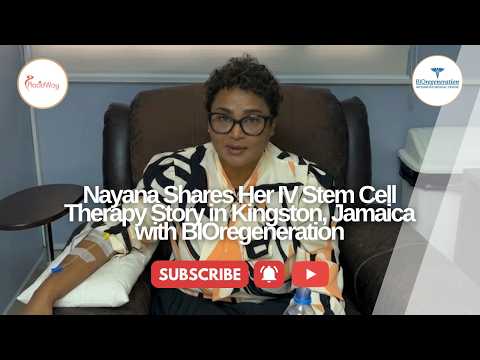
Within just a few hours of the initial extraction, the ultra-concentrated cellular serum is ready for re-implantation. Depending on the targeted condition, the delivery method varies. For orthopedic applications, the physician uses precise image guidance to inject the cells directly into the damaged joint capsule or torn ligament. For autoimmune or systemic conditions, the concentrated cells are often administered via a slow intravenous (IV) drip, allowing the biological agents to circulate systemically and seek out areas of severe inflammation as shown at .
Comparing Bone Marrow Stem Cells to Alternative Sources
While bone marrow remains the gold standard for many restorative applications, the field of regenerative medicine also utilizes cells derived from adipose (fat) tissue and umbilical cord Wharton’s jelly. Understanding the differences is critical for patients evaluating their therapeutic options. Bone marrow offers a highly balanced ratio of both mesenchymal and hematopoietic cells, making it incredibly versatile for both structural repair and immune modulation.
| Cell Source | Primary Cell Type | Best Suited Applications | Key Advantage |
|---|---|---|---|
| Bone Marrow Aspirate | High MSC & HSC mix | Orthopedics, cartilage repair, bone union, systemic immune modulation. | Proven long-term safety, highest concentration of bone-forming proteins. |
| Adipose (Fat) Tissue | Predominantly MSCs | Soft tissue defects, cosmetic volume restoration, mild osteoarthritis. | High overall cell yield per CC of tissue, minimally invasive liposuction. |
| Umbilical Cord (Allogeneic) | Young, robust MSCs | Severe autoimmune diseases, advanced neurological conditions. | No harvesting procedure for the patient, extremely high cellular vitality. |
Adipose tissue may yield a higher gross number of mesenchymal stem cells, but bone marrow provides the crucial hematopoietic elements and specific growth factors necessary to command robust cartilage regeneration. Umbilical cord cells offer maximum youth and vitality, but because they are allogeneic (from a donor), the regulatory landscape in many Western countries heavily restricts their use compared to autologous bone marrow therapies.
Global Access and the Future of Cellular Therapy
Despite the overwhelming scientific evidence supporting bone marrow stem cell applications, regulatory agencies in North America and parts of Europe maintain strict, limiting guidelines regarding how these cells can be manipulated and expanded in laboratories. This regulatory bottleneck prevents many domestic clinics from offering the high-dose, cultured cellular therapies required for treating advanced systemic diseases like COPD, Parkinson’s, and late-stage autoimmune disorders.
Because of these restrictions, a robust global medical tourism market has emerged. Patients are increasingly seeking out world-class, heavily accredited regenerative medicine institutes in countries like Mexico, Colombia, Panama, and throughout Eastern Europe. These international medical hubs operate under progressive scientific frameworks that allow for the legal expansion of bone marrow stem cells. Culturing the cells in a sterile laboratory environment over several weeks can yield hundreds of millions of viable stem cells, exponentially increasing the therapeutic potential compared to same-day domestic procedures.
Ensuring Safety and Efficacy Abroad
When considering international regenerative medicine using bone marrow, patient safety is the ultimate priority. The leading international clinics adhere to strict ISO-certified laboratory standards, utilize third-party flow cytometry to verify cell counts, and employ highly credentialed physicians holding international board certifications. Comprehensive treatment packages often include extensive pre-treatment blood panel testing, high-resolution MRI imaging, and customized rehabilitation protocols designed to maximize the survivability and integration of the injected stem cells.
The future of this medical sector is incredibly bright. As genetic engineering and exosome research continue to advance, scientists are learning how to prime bone marrow stem cells to be even more aggressively targeted toward specific tissue types. The integration of artificial intelligence in predicting patient-specific cellular responses will soon allow doctors to tailor the exact cellular dosage and biological markers needed for maximum healing efficacy. The paradigm of medicine is shifting from merely managing decay to actively regenerating vitality.
Ready to Explore Regenerative Medicine Options?
PlacidWay Medical Tourism connects you with top-rated, internationally accredited stem cell clinics worldwide. Discover highly effective, affordable bone marrow therapies tailored to your specific health needs.
GET A FREE CONSULTATION






.png)










Share this listing