
Life-Saving Cardiac Catheterization in Mexico: Delfino Robles’ Journey to Recovery
When we think of a heart attack candidate, we often picture someone sedentary with poor dietary habits. However, the story of Delfino Robles challenges every stereotype about cardiovascular health. Despite being a disciplined individual who exercised regularly and maintained a healthy weight, Delfino found himself facing a life-threatening cardiac event. This case study highlights the critical importance of rapid medical intervention and the high-caliber interventional cardiology available in Mexico.
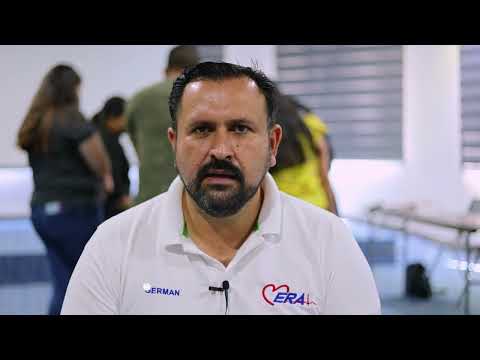
In this featured video, Delfino shares his harrowing experience and the seamless medical care he received at Clínica San José in Navojoa, Sonora. From the moment he recognized the symptoms to the precise placement of a coronary stent, his journey serves as a testament to the advanced cardiac catheterization procedures in Mexico that are saving lives every day. Watch his testimonial to understand how modern technology and expert specialists can turn a fatal situation into a story of complete recovery.
Video Chapters & Quick Navigation
The Paradox of a Healthy Heart Attack
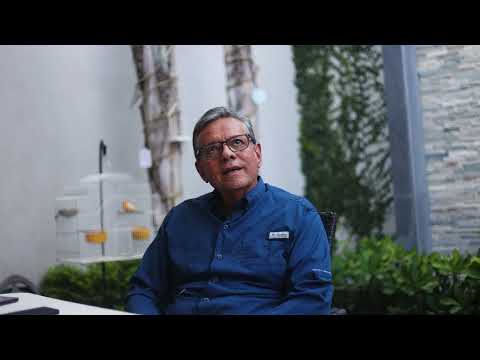
Delfino Robles describes himself as a disciplined man [00:04]. He was never overweight, consistently ate a balanced diet, and was an avid cyclist. His story highlights a terrifying reality: cardiovascular disease doesn't always discriminate based on lifestyle. While exercise and diet significantly reduce risk, genetics and other silent factors can still lead to an acute myocardial infarction.
The shock of experiencing a heart attack when you "do everything right" can lead to denial. Fortunately, Delfino was educated on the symptoms. Instead of waiting, he immediately sought professional help [00:15]. This quick decision-making is often the difference between a full recovery and permanent heart damage or death.
Medical professionals often refer to the "Golden Hour"—the first sixty minutes after the onset of heart attack symptoms. During this window, the potential to save heart muscle is at its highest. Delfino's adherence to this principle, despite his healthy background, saved his life.
Rapid Emergency Response in Navojoa
Upon realizing he was having a heart attack, Delfino's family rushed him to Clínica San José [00:30]. Navojoa, though smaller than major metropolises like Mexico City, houses some of the most sophisticated emergency cardiac care units in the region. The hospital was pre-notified, ensuring that the specialized team was ready before the patient even arrived.
Delfino was first seen by an emergency specialist, followed immediately by Dr. Velarde, a cardiologist. The integration of emergency services with specialized cardiology is a hallmark of high-quality Mexican hospitals for cardiac surgery. Within minutes, the team utilized advanced diagnostic equipment to confirm that he was indeed suffering from an active infarto [00:44].
| Feature | Cardiac Care in Mexico (e.g., Navojoa) | Traditional Care in Western Countries |
|---|---|---|
| Response Time | Immediate specialized attention in private clinics. | Potential long waits in overcrowded public ERs. |
| Cost | 50-70% lower than US/UK prices. | High out-of-pocket costs or insurance premiums. |
| Technology | Latest-generation Cath Labs & Stents. | Standard high-tech equipment. |
The Science of Cardiac Catheterization
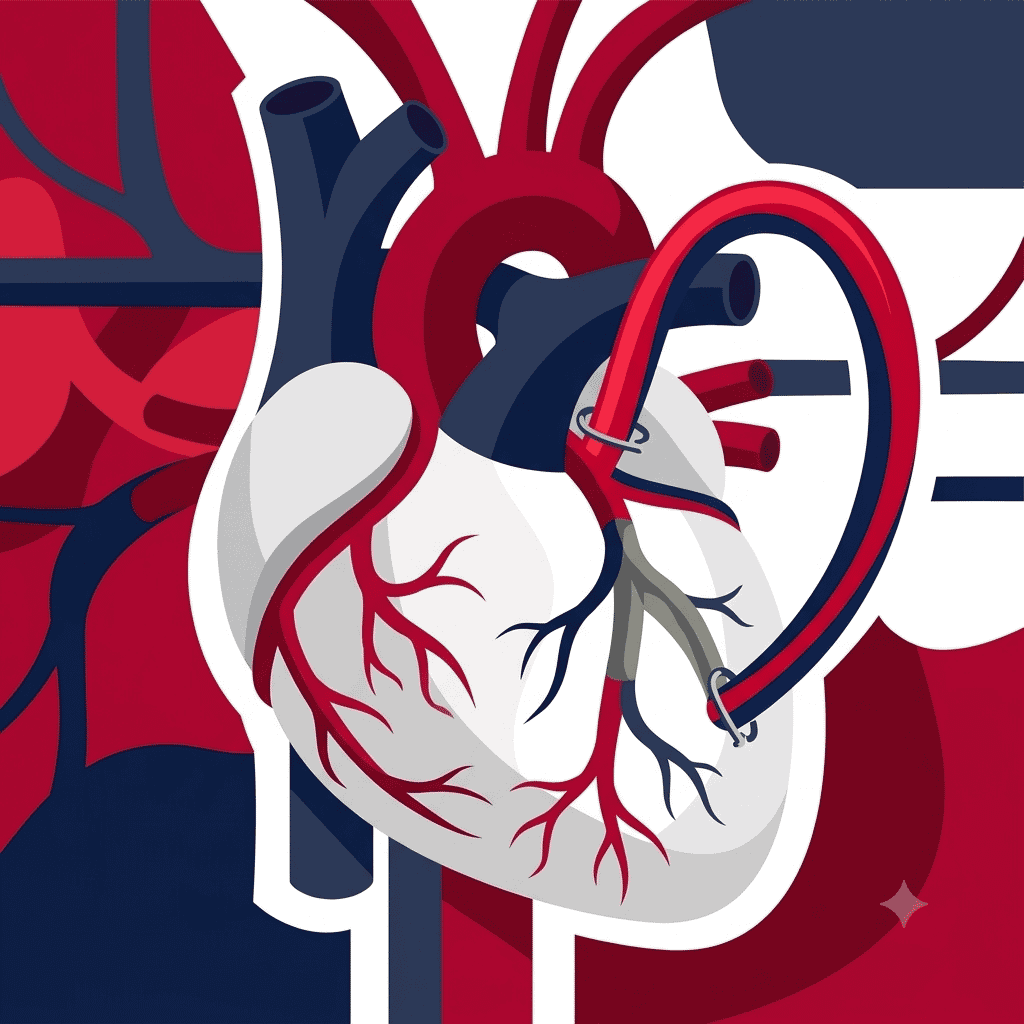
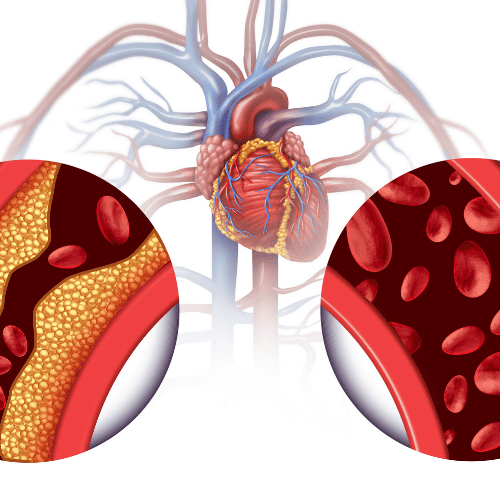
When medication is not enough to clear a blockage, cardiac catheterization becomes the gold standard treatment. This is a minimally invasive procedure where a thin tube (catheter) is guided through a blood vessel to the heart. In Mexico, interventional cardiologists use real-time X-ray imaging to navigate the complex pathways of the coronary arteries.
For Delfino, the procedure was handled by Dr. Enrique Alcázar, a highly respected interventional cardiologist [00:52]. Dr. Alcázar's role was to identify the specific site of the blockage and restore blood flow. This requires immense precision, as the surgeon must navigate instruments through delicate vessels to reach the heart muscle.
One of the primary advantages of this procedure is that it is performed while the patient is awake but sedated. This allows for immediate feedback and a much faster recovery compared to open-heart surgery. Delfino noted the calmness and professionalism of the team, which helped him remain tranquil during the procedure [01:05].
Stent Placement and Immediate Results
During the catheterization, Dr. Alcázar determined that a coronary stent was necessary [01:12]. A stent is a tiny, expandable mesh coil that acts as a scaffold to keep the artery open. Once the blockage is cleared using a balloon (angioplasty), the stent is permanently placed to ensure the heart continues to receive oxygen-rich blood.
The results were nearly instantaneous. Delfino mentions that within an hour and a half, he was back in his hospital room feeling as if nothing had happened [01:25]. This rapid transition from a life-threatening crisis to a stable recovery state is the "magic" of modern interventional cardiology in Mexico.
Modern stents are often "drug-eluting," meaning they are coated with medication that slowly releases to prevent the artery from narrowing again. The access to these high-end medical devices in cities like Navojoa demonstrates that medical quality in Mexico meets or exceeds international standards.
The Expertise of Dr. Enrique Alcázar
A procedure is only as good as the hands performing it. Dr. Enrique Alcázar is part of a growing class of Mexican specialists who are globally trained and locally dedicated. His expertise in minimally invasive heart procedures is what allowed Delfino to avoid more traumatic surgeries.
In Mexico, the relationship between patient and doctor often feels more personal. Delfino highlights the attentiveness and constant monitoring he received. This level of care is a primary reason why many international patients choose cardiac medical tourism in Mexico. They aren't just getting a procedure; they are receiving comprehensive, compassionate care from experts like Dr. Alcázar.
Key Benefits of Interventional Cardiology:
- No Large Incisions: Access is usually through the wrist or groin.
- Lower Risk: Reduced chance of infection and bleeding compared to bypass surgery.
- Short Hospital Stay: Most patients go home within 24 to 48 hours.
- Quick Return to Normalcy: Patients can often resume light activities within a week.
Recovery Milestones: From Bed to Bike
One month after his procedure, Delfino had recovered 100% [03:25]. His heart, which was operating at a compromised level during the attack, returned to 92% efficiency without permanent damage. This incredible outcome was only possible because of the speed at which he was treated.
However, recovery for an athlete comes with its own challenges. Being a passionate cyclist, Delfino was eager to get back on the road. He quickly reached a 40km distance, which actually led to a "scolding" from his doctor [02:15]. The heart needs time to heal, and while Delfino felt great, he had to learn to monitor his heart rate and moderate his intensity.
This phase of cardiac rehabilitation in Mexico involves close follow-up. Doctors don't just perform the surgery and disappear; they guide the patient through the lifestyle adjustments necessary to prevent a recurrence. Today, Delfino continues his active lifestyle, but with a new perspective on health and a deep gratitude for the team at Clínica San José.
Access to Specialized Care in Mexico
During his interview, Delfino reflects on a sobering statistic: he estimates that only about 10% of Mexicans have access to the level of specialized medical care he received in Navojoa [02:25]. This highlights the value of private healthcare institutions in Mexico that provide first-world medical technology to those who need it most.
For international patients, this "10%" represents the upper echelon of Mexican healthcare—clinics that are JCI-accredited or ISO-certified, offering services that are often out of reach for the general public but perfectly accessible for medical tourists. By choosing top-rated facilities, patients ensure they are in the hands of the most elite medical professionals in the country.
Why Choose Mexico for Cardiology?
Mexico has become a premier destination for affordable heart surgery and interventional procedures. The combination of proximity to the US, significantly lower costs, and world-class expertise makes it an ideal choice for patients facing long wait times or high prices at home.
Clínica San José in Navojoa is a prime example of a regional powerhouse. Patients don't always need to go to Mexico City or Monterrey to find excellence. Often, these regional hubs offer more personalized care, a quieter recovery environment, and a dedicated team that treats every patient like a neighbor. Delfino's success story is a beacon of hope for anyone worried about their heart health, proving that the right care, at the right time, can truly perform miracles.
Take the Next Step in Heart Health
Discover how top cardiac specialists in Mexico can provide life-saving care with world-class expertise at a fraction of the cost. Let us connect you with leading clinics and guide you every step of the way.
GET A FREE QUOTEView Full Video Transcript
00:01 I am a disciplined person in what I eat, I have never been an excessively obese person.
00:07 I have always done a lot of exercise and even so, incredibly, well, I had a heart attack.
00:12 I had a heart attack and for this I knew the symptoms.
00:19 Immediately I asked my family to take me to the San José Clinic.
00:26 And for this, we announced that we were going. When we arrived at the clinic, Dr. Velarde was already there, very attentive there to receive us.
00:35 An emergency doctor had already attended to me, then Dr. Velarde arrived.
00:39 And he put some devices on me there that I don't know what they were, but he told me: "At this moment you are going through a heart attack."
00:47 So by then, Dr. Enrique Alcázar, who is an interventional cardiologist, was also on his way.
00:56 And once he arrived, they evaluated me and told me: "You need, we need to do a catheterization."
01:04 So with all the tranquility in the world, I told them: "Well, do what you have to do."
01:09 "Do what you have to do." I was operated on, they put a stent in me.
01:15 And within an hour, an hour and a half, I was already in the room as if nothing had happened to me.
01:22 As if nothing had happened to me. My recovery... because of the time, so much time was not lost, because of the very fast time that I had the good fortune of being operated on.
01:39 Because as I found out later, only 10% of Mexicans have the medical services that we have here in Navojoa.
01:47 There in the San José Clinic to be able to intervene... to be able to do an angioplasty.
01:56 So from this... it was a success case. It was a success case. My heart remained at 92%, but without any damage.
02:04 After a month, a month and a half, I had already recovered 100%. I continue to do a lot of exercise.
02:11 In fact, I really like to exercise on a bicycle and I was already at 40 kilometers and the doctor scolded me.
02:18 He told me that it wasn't for that, that it had been a success case but that I had to take care of myself a bit too.
02:25 That my pulsations should be lower than what I was used to doing, and here I am, thank God.

-Package-in-Puerto-Vallarta,-Mexico-by-VMC-Hospital-Thumbnail.jpg)




.jpg)










Share this listing