


When facing a critical medical emergency, the proficiency of healthcare providers determines patient outcomes. The implementation of comprehensive Advanced Cardiovascular Life Support Training in Mexico is transforming how medical facilities handle severe cardiac events. This specialized curriculum goes far beyond basic first aid techniques, equipping professionals with the exact clinical skills needed to save lives.
Immediate intervention during cardiac arrest is essential for patient survival and neurological recovery. By standardizing emergency cardiac care certification requirements, hospitals can ensure their medical staff is universally prepared for unpredictable situations. This rigorous educational approach provides doctors and nurses with the critical decision-making frameworks required during high-stress resuscitation scenarios.
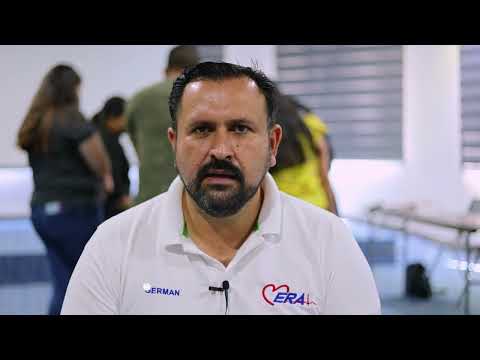
As Dr. German Delgadillo outlines [00:08], the primary objective is to develop advanced competencies for treating patients in cardiac arrest. The initiative represents a massive leap forward in regional healthcare quality. Facilities investing in these extensive programs drastically reduce mortality rates associated with sudden cardiovascular collapse.
Video Chapters & Quick Navigation
- The Core Framework of Certification
- Handling Complex Cardiac Arrhythmias
- Treating Severe Bradycardia
- Role of Transcutaneous Pacemakers
- Pharmacological Interventions
- Treating Reversible Cardiac Causes
- Strengthening Hospital Infrastructure
- Hands-On Medical Equipment Training
- Implementing Medical Simulations
- Standardizing Emergency Protocols
The Core Framework of Advanced Cardiovascular Life Support Certification
The structure of a professional medical certification program relies heavily on evidence-based algorithms. These clinical pathways dictate exactly how a healthcare team should respond to various critical events. By memorizing and practicing these algorithms, providers eliminate guesswork during intense, time-sensitive emergencies.
A primary focus of this education involves mastering CPR and advanced life support protocols. The initial attention provided to a patient in cardiac arrest [00:25] dictates the entire trajectory of their recovery. Without immediate, high-quality chest compressions, all subsequent advanced interventions are rendered ineffective.
The certification deeply explores the physiology of blood flow during manual compressions. Maintaining adequate coronary perfusion pressure is the only way to keep the heart muscle viable until a normal rhythm can be restored. Providers learn to minimize interruptions, ensuring the mechanical pump action of the chest is continuous.
Mastering High-Quality Cardiopulmonary Resuscitation Protocols
High-quality CPR requires a specific depth of at least two inches and a rate of 100 to 120 compressions per minute. Allowing for full chest recoil between compressions is equally critical, as it permits the heart chambers to refill with blood. Incomplete recoil drastically reduces the effectiveness of the entire resuscitation effort.
Healthcare providers practice these coordinated physical movements on specialized mannequins until they become second nature. Real-time feedback devices are often utilized to correct compression depth and speed instantly. This psychomotor training ensures that fatigue does not compromise the quality of care delivered over prolonged resuscitation attempts.
Avoiding excessive ventilation is another critical mandate within the protocols. Hyperventilation increases intrathoracic pressure, which directly impedes venous blood return to the heart. Teams are trained to deliver precisely calculated rescue breaths, maintaining the delicate balance of oxygenation without compromising hemodynamics.
Diagnosing and Handling Complex Cardiac Arrhythmias in Emergency Situations
The complexity of handling cardiac arrhythmias in emergency rooms requires rapid, accurate electrocardiogram interpretation. A patient's heart rate can become dangerously fast or lethally slow in a matter of seconds. Emergency personnel must visually identify the underlying electrical fault on a monitor before initiating any treatment.
The curriculum clearly differentiates between shockable and non-shockable cardiac rhythms. Ventricular fibrillation and pulseless ventricular tachycardia require immediate electrical defibrillation to reset the heart's chaotic electrical activity. Delaying this shock by even a minute severely decreases the statistical probability of a successful outcome.
Conversely, conditions like asystole and pulseless electrical activity do not benefit from defibrillation. These specific presentations demand uninterrupted CPR combined with aggressive pharmacological management to stimulate a viable rhythm. The clinical distinction between these states is a core competency evaluated during the certification process.
Differentiating Between Tachycardia and Bradycardia Presentations
Medical teams must instantly categorize arrhythmias as either extremely elevated or dangerously low [00:38]. Tachycardias reduce the time the heart has to fill with blood, severely dropping cardiac output and blood pressure. Treatment often involves synchronized electrical cardioversion or specific rate-controlling intravenous drugs.
Bradycardia presents an opposing threat where the heart simply beats too slowly to sustain consciousness or organ perfusion. The electrical nodes fail to generate impulses at a life-sustaining frequency. Recognizing the clinical signs of poor perfusion, such as altered mental status or acute heart failure, dictates the urgency of the medical response.
Students are continuously drilled on these varying presentations using dynamic monitor simulators. Instructors manipulate the digital waveforms, forcing the trainees to adapt their medical strategies on the fly. This visual and cognitive repetition builds the rapid pattern recognition essential for emergency department physicians.
Treating Severe Bradycardia with Medical Interventions
Addressing slow heart rhythms is a dedicated module within the advanced cardiovascular training framework. The specialized workstation focuses entirely on attending to cardiac arrhythmias featuring dangerously low frequencies [00:45]. When the intrinsic electrical system fails, external medical support becomes the sole lifeline.
Symptomatic bradycardia is categorized as a true medical emergency requiring immediate, sequential actions. First-line treatments typically involve anticholinergic medications designed to block the vagus nerve and artificially accelerate the heart rate. If the myocardium does not respond to these pharmacological prompts, the team must rapidly escalate to electrical interventions.
The transition from chemical to electrical therapy must be seamless to prevent the patient from deteriorating into full cardiac arrest. Teams are evaluated on their ability to recognize medication failure promptly. Hesitation during this critical transition phase is a common pitfall that the training seeks to entirely eliminate.
The Physiology of Low Heart Rates and Systemic Perfusion
When the heart rate drops below fifty beats per minute, the brain is often the first organ to suffer ischemic effects. Patients may present with profound confusion, syncope, or active ischemic chest pain due to inadequate coronary circulation. Identifying these exact symptoms is the trigger for aggressive advanced life support measures.
The algorithms teach providers to search for underlying causes of the bradycardia while simultaneously treating the symptoms. Toxins, electrolyte imbalances, or acute myocardial infarctions can all depress the heart's natural pacemaker cells. Uncovering these root causes allows for targeted, definitive care rather than just temporary symptom management.
Continuous non-invasive blood pressure monitoring and continuous pulse oximetry are mandatory during these events. Providers learn to correlate the dropping vital signs with the slowing electrical rhythm on the monitor. This comprehensive patient assessment prevents tunnel vision during complex resuscitation scenarios.
The Role of Transcutaneous Pacemakers in Emergency Medicine
Understanding transcutaneous pacemaker application techniques is a cornerstone of managing symptomatic bradycardia. These external devices deliver electrical currents through the skin directly into the heart muscle, forcing it to contract at a programmed rate. Mastering this equipment is essential for stabilizing patients who do not respond to initial intravenous drugs.
During practical workshops, students physically apply pacing pads to simulated patients [00:55]. They are taught the precise anatomical placements required to achieve an optimal electrical vector through the cardiac tissue. Improper pad placement leads to electrical failure and prolonged patient instability.
The clinical challenge lies in achieving both electrical and mechanical capture. Providers must gradually increase the milliamperes on the device until a visible pacing spike is followed by a wide QRS complex on the monitor. Crucially, they must then physically palpate a femoral pulse to confirm the heart is actually pumping blood in response to the electricity.
Managing Patient Comfort During Electrical Pacing
Transcutaneous pacing requires sending significant electrical voltage through the chest wall skeletal muscles. This process causes severe, involuntary muscle contractions and is highly painful for conscious patients. Therefore, concurrent administration of analgesics and sedatives is a mandatory component of the protocol.
Medical staff are trained to anticipate this pain and prepare sedative medications before the pacing device is activated. Balancing sedation in a hemodynamically unstable patient requires expert pharmacological knowledge. Administering too much sedative could collapse the patient's remaining blood pressure entirely.
Once stabilized externally, the emergency team coordinates the placement of a permanent transvenous pacemaker. The external device serves purely as a temporary, lifesaving bridge. This complete continuum of care highlights the profound depth of advanced cardiovascular life support programs.
Pharmacological Interventions and Essential Emergency Medications
Pharmacological support remains a critical pillar of advanced resuscitation efforts globally. While high-quality chest compressions physically circulate blood, specific medications alter the heart's electrical and vascular environment. Understanding the exact indications, dosages, and administration routes for these drugs is absolutely mandatory for emergency personnel.
During the specific educational stations [01:00], students actively practice drawing up medications from simulated crash carts. They learn to communicate dosages clearly to the team leader, confirming the order verbally before administration. This closed-loop communication protocol prevents lethal medication errors during chaotic emergency situations.
Vascular access is required before any pharmacological intervention can begin. Teams practice establishing intravenous lines or drilling intraosseous access points directly into the bone marrow when veins collapse. Swift medication delivery directly into the central circulation drastically improves the chances of rhythm conversion.
Core Resuscitation Drugs and Their Clinical Applications
- Epinephrine: Utilized to increase systemic vascular resistance, elevating aortic pressure to improve coronary artery blood flow during severe hypotensive events.
- Amiodarone: Administered as a first-line antiarrhythmic agent to stabilize cardiac tissue in patients experiencing refractory ventricular fibrillation.
- Atropine: Deployed specifically to block vagal nerve influences on the heart, effectively treating cases of symptomatic bradycardia.
- Adenosine: Used to rapidly slow cardiac conduction through the AV node, helping to diagnose and terminate specific supraventricular tachycardias.
Each of these medications carries specific contraindications and potential side effects. The training ensures providers understand the half-life of each drug to prevent accidental overdosing during prolonged codes. Proper flushing of the IV line after each administration guarantees the drug reaches the heart promptly.
Identifying and Treating Reversible Causes of Cardiac Arrest
A fundamental component of advanced resuscitation is moving beyond basic interventions to identify exactly why the cardiac arrest occurred. Medical professionals must act as acute diagnosticians simultaneously during the resuscitation effort. Finding and fixing the underlying pathological cause is often the only way to achieve a sustained return of spontaneous circulation.
The certification curriculum heavily emphasizes the systematic cognitive evaluation of the H's and T's. These mnemonics represent the most common reversible causes of fatal cardiac emergencies. Rapid identification requires synthesizing patient history, physical examination clues, and real-time point-of-care ultrasound data.
Hypovolemia and profound hypoxia are among the most frequent culprits encountered in intensive care units. Addressing severe fluid loss with rapid intravenous volume expansion can quickly stabilize a deteriorating patient. Similarly, securing a definitive endotracheal airway and providing high-flow oxygen directly mitigates hypoxic cardiac failures.
The Critical Evaluation of the H's and T's in Emergency Care
Providers learn to rapidly assess the chest for signs of a tension pneumothorax or cardiac tamponade. These obstructive conditions physically compress the heart, preventing it from beating effectively regardless of the quality of ongoing CPR. Immediate needle decompression or pericardiocentesis are lifesaving procedural interventions that must be executed without hesitation.
Toxicological emergencies and thrombotic events, such as massive pulmonary embolisms, complete the complex diagnostic matrix. Recognizing the subtle signs of these conditions allows the medical team to administer highly targeted therapies like systemic thrombolytics. This analytical, root-cause approach transforms chaotic code situations into highly structured clinical problem-solving sessions.
Arterial blood gas analysis is routinely simulated to identify severe acidosis or hyperkalemia. Correcting high potassium levels with calcium chloride and sodium bicarbonate immediately stabilizes the vulnerable cardiac cell membranes. Integrating these laboratory findings into the active treatment plan is a mark of true advanced life support proficiency.
Strengthening Hospital Infrastructure Through Medical Staff Training
Investing in hospital emergency preparedness programs directly correlates with increased patient survival rates across all demographic groups. When a medical facility commits to advanced certification, the entire standard of care elevates immediately. The institutional benefits extend far beyond the emergency room doors, impacting surgical wards and intensive care units equally.
These rigorous training programs grant an essential series of strengths to the developing hospitals [01:07]. The most significant advantage is possessing a medical staff definitively trained for initial critical patient care. Rapid response teams operate with cohesive precision rather than individual panic.
Patients and their families gain immense confidence knowing the facility is equipped to handle worst-case medical scenarios [01:25]. This public trust is the foundation of a reputable regional healthcare system. The assurance that trained hands are ready to intervene at any moment provides immeasurable psychological comfort to the community.
Fostering Confidence and Competence in Healthcare Providers
Medical emergencies induce massive adrenaline spikes in even the most experienced physicians and nurses. Without repetitive training, this physiological stress response can degrade fine motor skills and cloud clinical judgment. Certification programs actively condition providers to operate calmly under extreme pressure.
By stripping away the fear of the unknown, training allows the medical focus to remain entirely on the patient's physiology. Providers trust their memorized algorithms, knowing exactly what the next step should be if the current intervention fails. This psychological resilience prevents clinical paralysis during rapidly deteriorating situations.
A well-trained staff drastically reduces code blue response times throughout the entire hospital campus. Nurses on general medical floors can initiate high-quality basic life support instantly while awaiting the advanced resuscitation team. This seamless chain of survival prevents irreversible brain damage during the critical first minutes of an arrest.
Hands-On Familiarization with Advanced Medical Resuscitation Equipment
In high-stakes resuscitation environments, technological hesitation can cost lives. Healthcare providers must operate complex medical machinery seamlessly without second-guessing their manual actions. This level of clinical fluency is only achieved through repetitive, hands-on practice with the exact tools utilized in the hospital.
During the course, students become intimately familiar with crash cart medications, equipment layouts, and complex physical maneuvers [01:31]. They learn how to quickly switch a defibrillator between monitoring, pacing, and synchronized cardioversion modes. Familiarity with specific button layouts prevents critical delays when seconds matter most.
Advanced airway management equipment requires precise, rehearsed manual dexterity. Medical staff practice assembling bag-valve masks rapidly, preparing endotracheal tubes, and utilizing modern video laryngoscopes. These psychomotor skills are refined continuously until the provider can perform them automatically under extreme environmental stress.
Bridging the Gap Between Theoretical Knowledge and Practical Application
| Equipment Category | Clinical Application | Core Training Focus |
|---|---|---|
| Biphasic Defibrillators | Delivering precise electrical shocks to terminate lethal arrhythmias. | Energy selection, safe clearance protocols, rapid pad placement. |
| Advanced Airway Adjuncts | Securing continuous oxygenation during unconsciousness. | Intubation techniques, capnography monitoring, vocal cord visualization. |
| Transcutaneous Pacemakers | Providing temporary electrical pacing for dangerously slow heart rates. | Achieving electrical capture, adjusting specific milliamperes safely. |
Familiarization goes entirely beyond merely understanding how to power on a device. It encompasses a holistic clinical understanding of how each technological tool integrates into the broader resuscitation algorithm. This comprehensive, systems-based approach builds an impenetrable safety net for vulnerable patients.
The Critical Importance of Continuous Medical Education in Hospitals
Achieving an initial medical certification is merely the first step in emergency preparedness. Clinical skills inevitably decay over time if they are not actively utilized or rigorously practiced. To combat this degradation, forward-thinking medical facilities implement mandatory, ongoing educational reinforcement systems.
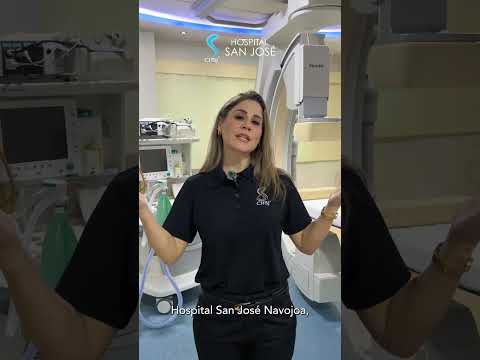
At facilities like Hospital San Jose, formal certifications are heavily supplemented by an aggressive continuous training program [01:52]. This philosophy acknowledges that medical science evolves, and treatment guidelines undergo frequent revisions based on new survival data. Regular refresher courses guarantee the staff is always utilizing the most modern, evidence-based practices.
Continuous medical education shifts the hospital culture from reactive compliance to proactive excellence. It fosters an environment where nurses and doctors actively seek out knowledge regarding complex cardiovascular pathologies. This dedicated academic curiosity translates directly into superior bedside patient care.
Implementing Emergency Room Medical Simulations for Better Preparedness
The utilization of medical simulation training for healthcare professionals provides a highly realistic, risk-free environment for skill refinement. Instructors execute complex mock codes that mirror the exact high-stress situations presented in active emergency departments [02:04]. These immersive exercises test both individual clinical knowledge and overall team dynamics.
High-fidelity mannequins used during these simulations feature palpable pulses, reactive pupils, and active lung sounds. Instructors use remote tablets to alter the patient's cardiac rhythm instantly, forcing the team to pivot their treatment strategy mid-scenario. This dynamic unpredictability is the ultimate test of algorithmic mastery.
Role delegation is strictly enforced during these mock events. Designating a clear team leader, a dedicated medication nurse, and a continuous time recorder prevents chaotic overlapping of clinical duties. Efficient teamwork is consistently proven to be just as vital as the medical interventions themselves.
Cross-Shift Training and Standardizing Emergency Response Protocols
Medical emergencies do not follow a set administrative schedule. They can occur at any hour, making round-the-clock readiness a non-negotiable aspect of acute hospital care. Leaving night shifts or weekend crews with less training creates a massive, unacceptable vulnerability in patient safety.
To ensure total institutional coverage, personnel across all three shifts perform these simulated resuscitation maneuvers [02:12]. This absolute standardization guarantees that a patient suffering cardiac arrest at 3:00 AM receives the exact same elite level of care as one arriving at noon. Consistency is the hallmark of a world-class emergency medical system.
Standardizing emergency response protocols across varied hospital departments ensures a unified approach to critical care. When every team member, from the emergency room to the surgical recovery ward, understands the precise algorithms, the entire resuscitation process becomes a seamless operation.
Evaluating Performance Through Post-Simulation Debriefing
The true educational value of a medical simulation is extracted during the structured debriefing phase. Derived directly from the outcomes of the mock codes, clinical instructors make necessary corrections and provide targeted area training [02:21]. This reflective process allows teams to analyze their communication breakdowns and clinical delays without compromising actual human life.
Debriefing fosters a blameless culture focused entirely on continuous systemic improvement. Nurses and physicians openly discuss the challenges they faced during the scenario, leading to actionable changes in how the crash carts are stocked or how roles are assigned. This collaborative feedback loop is the engine of medical progression.
Ultimately, extending this intensive training to nursing staff and all allied medical personnel fortifies the entire facility. Strengthening the appropriate attention given to patients is the final, overarching goal [02:35]. By universally elevating clinical competencies, hospitals ensure they remain bastions of hope and healing during the most critical emergencies.
Elevate Your Medical Facility's Emergency Preparedness
Ensure your healthcare professionals are fully equipped with industry-leading cardiovascular life support skills. Request comprehensive information on certification programs and advanced medical training frameworks today.
Get Free QuoteView Full Video Transcript
00:00
[Visuals of hospital architecture and logo]
00:04
Hola, mi nombre es German. Soy médico de este hospital y lo que estamos desarrollando ahorita es el curso de entrenamiento en reanimación cardiovascular avanzada.
00:14
La idea de este curso es que los alumnos que tenemos desarrollen las habilidades para la atención adecuada de un paciente que se encuentra en una situación de paro.
00:25
Este curso implica que los alumnos adquieren varias destrezas y varias habilidades, como es la reanimación cardiopulmonar avanzada, la atención inicial del paciente que está en paro.
00:37
Manejo de algunas arritmias. Arritmias que presentan frecuencias cardíacas muy elevadas o frecuencias cardíacas bajas.
00:45
La estación que están realizando los alumnos en este momento es para atender arritmias cardíacas con frecuencias cardíacas bajas, bradicardias.
00:55
Y ahí están los alumnos aprendiendo a utilizar marcapasos transcutáneos y los medicamentos que se requieren para la atención adecuada de este tipo de alteraciones cardíacas.
01:07
Este tipo de cursos o este tipo de programas de entrenamiento le dan una serie de fortalezas a los hospitales en los cuales se desarrollan.
01:17
El más importante es que el personal se encuentra entrenado debidamente para la atención inicial del paciente.
01:25
Teniendo el paciente o el usuario la certeza de que tiene las posibilidades de salir adelante, ¿verdad?
01:31
Los alumnos se familiarizan con los medicamentos, se familiarizan con los equipos y con las maniobras que ellos tienen que realizar.
01:40
Haciendo que el hospital donde se lleva a cabo el curso o la certificación cuente con el personal entrenado para la atención adecuada.
01:52
En Hospital San José, aparte de desarrollar los cursos con las certificaciones pertinentes, existe un programa de capacitación continua.
02:04
Donde se ejecutan simulacros, simulacros respecto a las situaciones que se presentan en los servicios de urgencias.
02:12
De tal forma que el personal de los tres turnos realizan las maniobras simuladas en la atención de estos pacientes.
02:21
Y derivado de esos simulacros se hacen las correcciones y se hace la capacitación en el área.
02:27
Para nuestros compañeros de las áreas de enfermería y todo el personal que está trabajando con nosotros.
02:35
Fortaleciendo la atención adecuada de los pacientes.

-Package-in-Santo-Domingo,-Dominican-Republic-by-Heartline-Clinics.jpg)

-Package-in-Santo-Domingo,-Dominican-Republic-by-Heartline-Clinics.jpg)












Share this listing