
Heart disease remains a predominant global health concern, making immediate access to advanced cardiovascular procedures in Mexico a vital, life-saving option for international patients. Recognizing the initial signs of cardiac distress can significantly alter the outcome of a medical emergency. Leading hospitals are now equipped with specialized cardiovascular centers that rival international healthcare standards.
Timely medical intervention is the cornerstone of effective cardiology care. Facilities like Hospital San José Navojoa have implemented rapid-response protocols to ensure patients receive immediate, critical attention during a cardiac event. This comprehensive guide explores early symptom detection, diagnostic methodologies, and the growing accessibility of top-tier heart attack treatment and specialized cardiac care across the region.
Video Chapters
- Recognizing Early Heart Attack Symptoms
- The Critical Six-Hour Treatment Window
- Understanding the Código Infarto Protocol
- Advanced Cardiac Diagnostic Technologies
- Affordable Cardiovascular Procedures in Mexico
- Minimally Invasive Cardiac Interventions
- Comprehensive Cardiac Rehabilitation
- Long-Term Cardiovascular Risk Management
Recognizing Early Heart Attack Symptoms and Critical Warning Signs
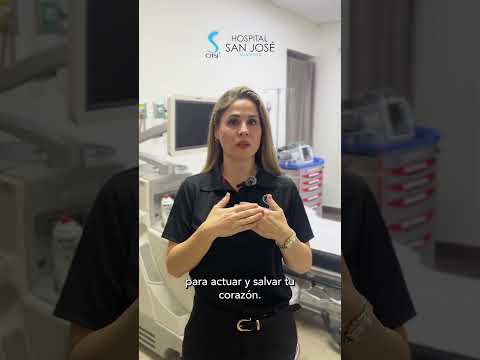
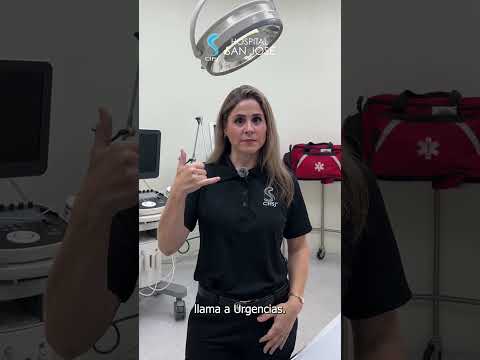
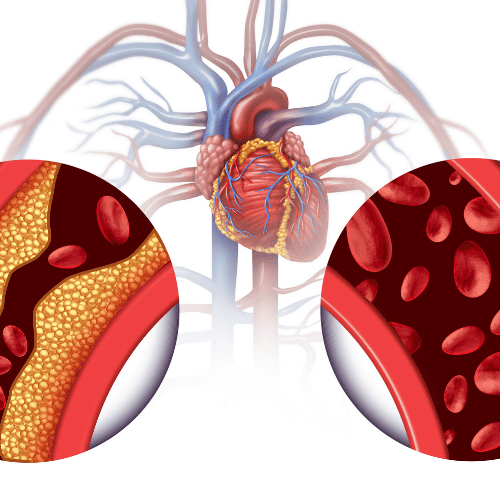
Identifying a myocardial infarction in its earliest stages is the most crucial step in preventing permanent cardiac muscle damage. As highlighted at [00:03], the primary indicators include severe chest pain, sudden shortness of breath, and excessive, unexplained sweating. These manifestations occur when blood flow to a specific section of the heart becomes severely obstructed.
Chest pain, clinically referred to as angina, often presents as an intense feeling of pressure, squeezing, or fullness in the center of the chest. This discomfort can radiate outward, affecting the shoulders, arms, back, neck, or jaw. Recognizing these radiating pain patterns is vital for distinguishing a cardiac event from less severe medical issues like muscular strain or severe indigestion.
Shortness of breath, or dyspnea, frequently accompanies chest discomfort but can also occur independently prior to any localized pain. Excessive sweating, known as diaphoresis, is another systemic reaction triggered by the body's sudden sympathetic nervous system response to cardiac stress. Prompt recognition of this specific triad of symptoms should trigger an immediate emergency medical response.
Symptom Variations Among Different Demographics
It is critical to understand that heart attack presentations can vary significantly between men and women. While men typically experience the classic crushing chest pain, women may exhibit more subtle warning signs. These atypical symptoms often lead to dangerous delays in seeking appropriate emergency medical care.
Elderly patients and individuals managing diabetes might also experience "silent" heart attacks, where the traditional pain response is blunted or entirely absent. Instead, these demographics might present with profound fatigue, sudden dizziness, or generalized weakness. Awareness of these demographic variations ensures that hidden cardiac emergencies are not misdiagnosed.
The Crucial Six-Hour Window for Cardiac Emergency Treatment
In the realm of emergency cardiology, medical professionals universally operate under the principle that "time is muscle." As emphasized at [00:13], patients have a vital six-hour window to act and save their heart tissue from irreversible necrosis. Once a coronary artery becomes fully blocked, the cardiac cells supplied by that vessel begin to die rapidly due to oxygen deprivation.
Restoring blood flow within this golden timeframe significantly reduces the risk of long-term complications, such as severe heart failure or fatal arrhythmias. If reperfusion therapy is administered within the first few hours, the volume of salvaged heart muscle is maximized. Delays beyond this six-hour threshold exponentially increase the likelihood of permanent disability or mortality.
Modern hospitals utilize aggressive treatment strategies, including thrombolytic medications and percutaneous coronary interventions, to dissolve clots or physically open the blocked artery. The success rate of these interventions is heavily dependent on the speed of the patient's arrival at the emergency department. Educating the public on this tight timeline is an essential component of preventive cardiology.
Understanding the Specialized Código Infarto Hospital Protocol
Many advanced medical centers, including Hospital San José, have implemented specialized emergency workflows to streamline cardiac care. Mentioned at [00:08], the "Código Infarto" (Heart Attack Code) is a rapid-response system designed to bypass standard triage delays. When this code is activated, a multidisciplinary team of cardiologists, specialized nurses, and technicians is instantly mobilized.
The primary objective of this protocol is to drastically reduce the "door-to-balloon" time, which is the metric measuring the time from a patient's arrival to the inflation of an angioplasty balloon. International medical guidelines suggest this critical interval should be kept under 90 minutes. Achieving this benchmark requires flawless coordination across multiple hospital departments.
Pre-hospital activation is another critical element of a successful Código Infarto program. Paramedics equipped with advanced ECG machines can transmit real-time cardiac data directly to the hospital's emergency room while still in transit. This allows the catheterization laboratory to be prepped and waiting, saving invaluable minutes upon the patient's arrival.
Advanced Diagnostic Tools at Modern Cardiovascular Centers
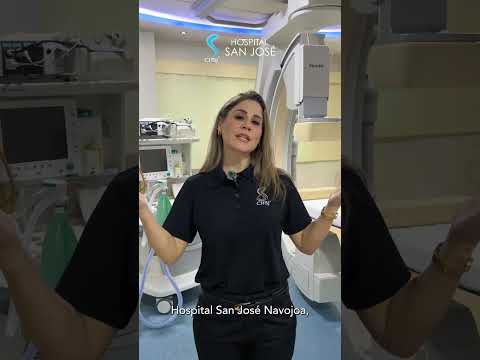
Accurate and rapid diagnosis is the foundation of effective cardiac care. As seen at [00:16], specialized cardiovascular centers are equipped with a comprehensive suite of modern diagnostic modalities. These technologies allow physicians to visualize heart function, assess arterial blockages, and continuously monitor electrical rhythms with exceptional precision.
The integration of these non-invasive and invasive tools enables cardiologists to formulate highly individualized treatment plans. From routine baseline assessments to complex emergency interventions, having a centralized cardiovascular department ensures patients receive seamless care. Below is a detailed breakdown of the essential diagnostic tools utilized in advanced cardiac facilities.
| Diagnostic Procedure | Clinical Purpose | Application in Cardiac Care |
|---|---|---|
| Catheterization (Cateterismo) | Invasive Imaging | Visualizes exact locations of arterial blockages using contrast dye and x-rays. |
| Echocardiogram (Eco-cardiograma) | Ultrasound Imaging | Assesses heart valve function and structural muscle damage post-infarction. |
| Stress Echo (Eco-stress) | Functional Ultrasound | Evaluates heart performance and blood flow under chemically induced physical stress. |
| Holter Monitor | Continuous ECG | Records electrical activity for 24-48 hours to detect hidden, intermittent arrhythmias. |
| Tilt Table (Mesa Inclinada) | Autonomic Testing | Diagnoses the root causes of unexplained fainting (syncope) and blood pressure drops. |
The Role of Blood Biomarkers in Diagnosis
In conjunction with imaging and electrical monitoring, laboratory tests play a critical diagnostic role during a suspected heart attack. Cardiac enzymes, particularly high-sensitivity troponin, are released into the bloodstream when heart muscle experiences physical damage. Measuring these biomarker levels helps confirm the diagnosis and assess the overall severity of the muscular injury.
Serial blood testing over several hours allows physicians to track the progression of the cardiac event. A steady rise in troponin levels strongly indicates an acute myocardial infarction, even if initial ECG readings are inconclusive. This biochemical data is heavily relied upon in modern emergency rooms to dictate the immediate clinical pathway.
Why Patients Choose Affordable Cardiovascular Procedures in Mexico
The global landscape of healthcare is shifting, with many international patients actively seeking high-quality, cost-effective medical alternatives. Securing affordable cardiovascular procedures in Mexico has become a highly popular option for uninsured or underinsured individuals facing exorbitant costs in their home countries. Modern Mexican hospitals boast internationally accredited facilities that utilize the exact same state-of-the-art medical equipment found in the United States and Canada.
Beyond mere cost savings, medical tourism in this sector is driven by the unparalleled expertise of specialized bilingual cardiologists. Many of these medical professionals have completed rigorous fellowships and extensive training at top-tier medical institutions across Europe and North America. This ensures that patients receive world-class care, ranging from routine diagnostics to complex surgical interventions, without compromising on clinical safety.
Furthermore, the geographical proximity of Mexico to the United States provides a logistical advantage for patients requiring complex cardiac care. Short travel times minimize the physical stress associated with long-haul medical journeys, allowing for smoother preoperative preparation and faster postoperative returns. Dedicated medical tourism facilitators often coordinate the entire process, bridging communication gaps and streamlining hospital admissions.
Key Benefits of Cross-Border Cardiology Care
- Substantial Cost Reductions: Patients can save up to seventy percent on advanced procedures like angioplasties, pacemaker insertions, and coronary bypass surgeries compared to standard US pricing.
- No Lengthy Wait Times: Private specialized centers offer immediate scheduling for critical diagnostic tests and elective surgeries, bypassing the long waitlists common in public healthcare systems.
- Personalized Patient Experience: A lower patient-to-nurse ratio in premium facilities ensures highly attentive, individualized postoperative care during the vital recovery phase.
- Comprehensive Healthcare Packages: Facilities frequently offer bundled pricing models that transparently include hospital fees, surgical costs, medical consultations, and necessary post-surgical medications.
Minimally Invasive Catheterization and Surgical Interventions
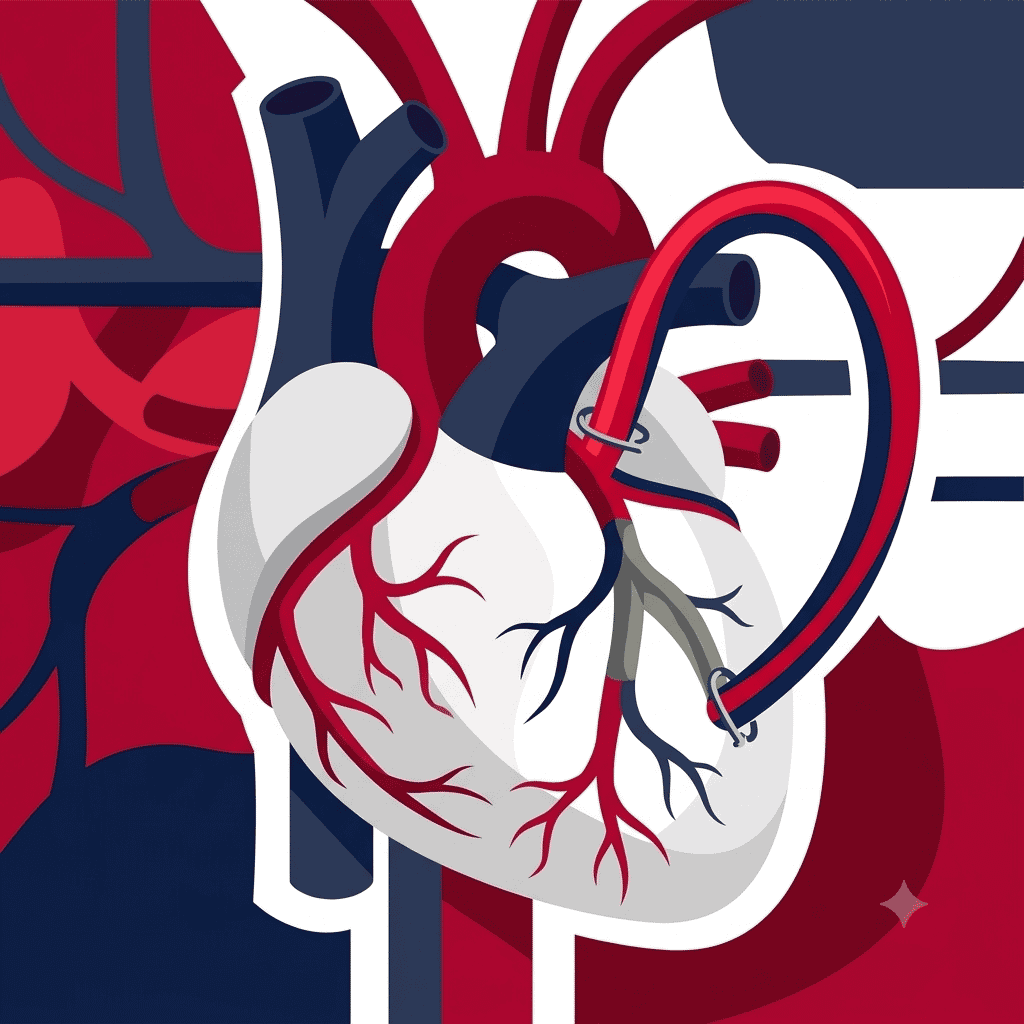
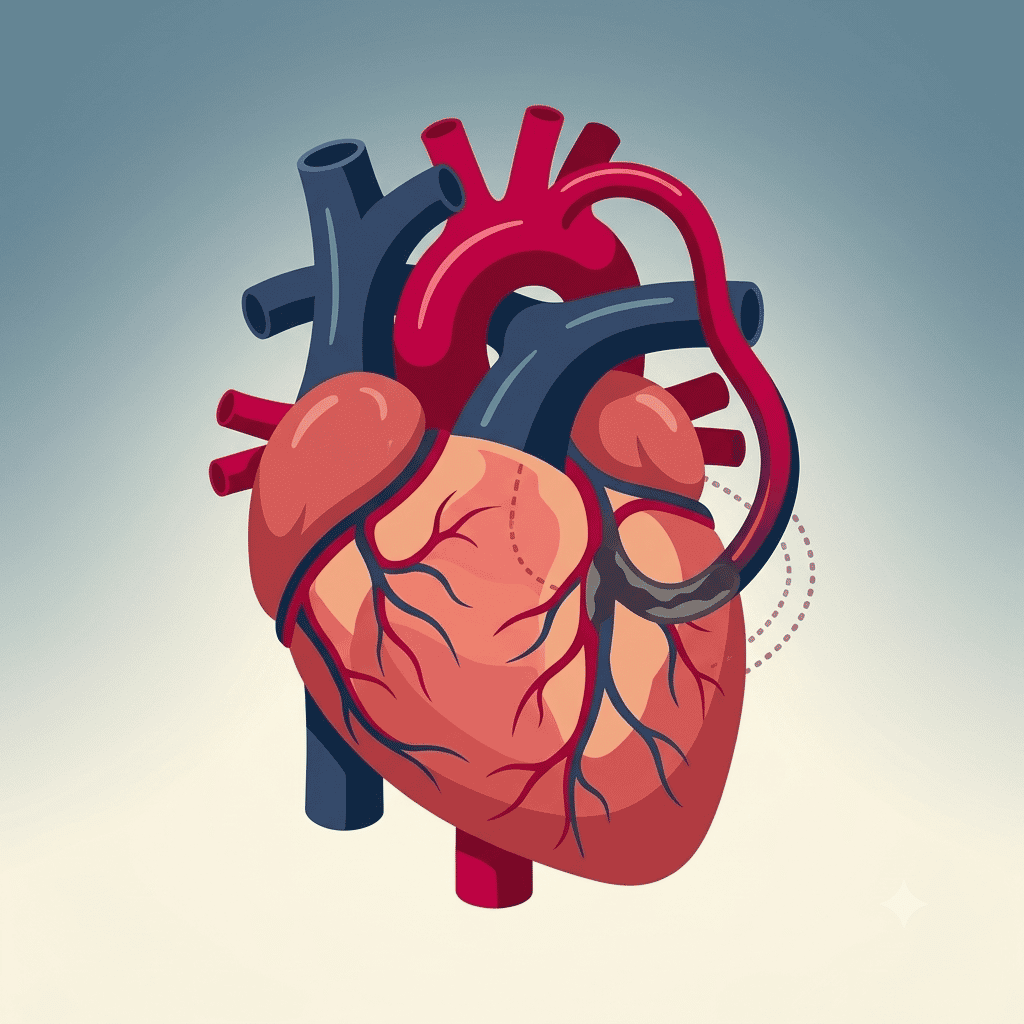
Cardiovascular medicine has rapidly evolved, transitioning heavily toward minimally invasive techniques that drastically reduce patient recovery times. Cardiac catheterization, prominently featured at [00:18], serves as both a primary diagnostic tool and a crucial therapeutic intervention. By threading a thin, flexible tube through an artery in the wrist or groin, cardiologists can access the heart without requiring open-chest surgery.
During a heart attack, this pathway is utilized to perform a percutaneous coronary intervention (PCI), commonly known as an angioplasty. A specialized medical balloon is carefully inflated at the site of the arterial blockage, physically compressing the obstructive plaque against the artery walls. This mechanical intervention immediately restores vital blood flow to the starving cardiac tissue.
To prevent the newly opened artery from collapsing, a microscopic wire mesh tube called a stent is typically deployed during the procedure. Modern drug-eluting stents are coated with specialized medications that slowly release over time, actively preventing excess scar tissue from forming and causing future blockages. This minimally invasive approach has revolutionized cardiac emergency response, drastically lowering mortality rates.
Comprehensive Cardiac Rehabilitation and Long-Term Heart Health
Surviving a myocardial infarction is only the first critical step in a patient's lifelong cardiovascular journey. Following acute emergency treatment, enrolling in a structured cardiac rehabilitation program is essential for restoring physical stamina and emotional wellbeing. These medically supervised programs are scientifically designed to strengthen the damaged heart muscle and progressively improve overall cardiovascular fitness.
A robust rehabilitation protocol operates through multiple integrated phases, beginning before the patient even leaves the hospital. The initial phase involves gentle, monitored mobilization to prevent blood clots and assess the heart's immediate response to basic physical exertion. Subsequent outpatient phases incorporate customized aerobic exercises, rigorous nutritional counseling, and comprehensive stress management workshops.
Psychological support is a deeply integrated, yet frequently overlooked, component of standard cardiac recovery programs. Many patients experience severe anxiety or clinical depression following a life-threatening heart attack, which can negatively impact physical recovery. Addressing these psychological barriers ensures a holistic recovery, empowering patients to confidently resume their daily activities.
Long-Term Cardiovascular Risk Management
Preventing a secondary cardiac event requires a permanent commitment to aggressive risk factor modification and lifestyle adjustments. Medical teams work closely with patients to tightly manage chronic conditions such as hypertension, hyperlipidemia, and diabetes mellitus. Adhering to prescribed medication regimens, including beta-blockers, statins, and antiplatelet drugs, is absolutely non-negotiable for long-term survival.
Dietary overhauls are universally prescribed, typically favoring heart-healthy eating patterns like the Mediterranean diet, which emphasizes lean proteins, complex carbohydrates, and healthy fats. Total cessation of all tobacco products is equally imperative, as smoking rapidly accelerates arterial plaque buildup and systemic inflammation. Regular follow-up appointments utilizing tools like Holter monitors and echocardiograms ensure that any new cardiovascular issues are caught before they escalate into emergencies.
Accessing comprehensive information regarding specialized treatments and facility capabilities is the final step in proactive health management. As suggested at [00:23], patients are highly encouraged to consult directly with specialized centers to explore available diagnostic and surgical options. Securing expert guidance empowers individuals to make highly informed decisions regarding their cardiovascular health and future treatment pathways.
Take Control of Your Cardiovascular Health Today
Don't wait for a cardiac emergency. Connect with top-rated specialists to explore affordable, world-class cardiovascular procedures in Mexico. Receive personalized treatment plans and transparent pricing for your specialized cardiac care.
Get Free QuoteView Full Video Transcript
[00:00] ¿Sabes cómo reconocer un infarto?
[00:02] Los principales síntomas son dolor de pecho,
[00:04] falta de aire y sudoración excesiva.
[00:06] Aquí en Hospital San José contamos con Código Infarto
[00:09] para atenderte de forma inmediata.
[00:11] Recuerda que solo cuentas con seis horas
[00:14] para actuar y salvar tu corazón.
[00:15] De igual manera contamos con el centro cardiovascular.
[00:19] Para mayor información, acércate a nosotros
[00:21] o acude a nuestra página WWW.CHSJ.MX

-Package-in-Puerto-Vallarta,-Mexico-by-VMC-Hospital-Thumbnail.jpg)





.jpg)









Share this listing