


When facing a cardiovascular emergency, every single second is a matter of life and death. The difference between full recovery and permanent damage often comes down to receiving timely, expert medical intervention. Seeking advanced hemodynamics and catheterization in Mexico has become an increasingly viable and life-saving option for patients requiring immediate, high-quality care.
Specialists emphasize that patients typically have a narrow six-hour window to receive specialized attention during acute vascular events. This crucial timeframe highlights the absolute necessity of accessing state-of-the-art facilities equipped for complex procedures. By acting swiftly, patients can benefit from modern medical technologies that restore blood flow and preserve vital organ function. This comprehensive overview explores various critical interventions, from arterial clearing to stroke management, ensuring patients understand their options for optimal cardiovascular health.
Video Chapters
The Critical Need for Advanced Hemodynamics and Catheterization
Hemodynamics refers to the profound study of blood flow and the complex physical laws that govern circulation within the human body. When abnormal conditions arise, such as dangerous arterial blockages or severely weakened blood vessels, highly specialized medical interventions become critically necessary. Hemodynamic procedures involve meticulously evaluating the heart's pumping function and the blood pressure dynamics within the entire cardiovascular system. Through a highly specialized, minimally invasive approach, doctors can confidently diagnose and treat numerous life-threatening conditions directly inside the blood vessels without resorting to open surgery.
Undergoing a diagnostic or interventional catheterization procedure in Mexico offers international patients access to world-class medical infrastructure and highly trained cardiovascular specialists. Cardiac catheterization is a sophisticated, minimally invasive procedure where a thin, extremely flexible tube is carefully guided through a peripheral blood vessel directly to the heart. [00:00] This remarkable technique allows skilled physicians to perform detailed diagnostic imaging tests and deliver precise, localized treatments without the immense physical trauma of open-heart surgery. The minimal invasiveness inherently translates to significantly reduced hospital stays, faster recovery times, and drastically lower risks of dangerous surgical complications.
During the critical initial hours of an acute cardiac event, immediate and unhindered access to a dedicated hemodynamics room is absolutely paramount. The highly specialized care provided through emergency catheterization can rapidly and accurately identify the exact anatomical location of a dangerous vascular blockage. Once the critical blockage is pinpointed, interventional cardiologists can immediately deploy specialized balloons or expanding stents to mechanically clear the narrowed pathway and completely restore essential blood flow. This rapid, coordinated response is precisely why elite medical professionals continually stress the supreme importance of the six-hour window for receiving life-saving cardiovascular treatments.
Why the Six-Hour Window is Crucial for Specialized Care
The human heart muscle is highly demanding; it requires a constant, uninterrupted supply of highly oxygen-rich blood to function correctly and ultimately survive. When a coronary artery becomes completely blocked by a sudden blood clot or ruptured plaque, the heart muscle immediately begins to suffer irreversible cellular damage within mere minutes. [00:02] Strict emergency medical protocols universally dictate that mechanically restoring robust blood flow within six hours of initial symptom onset drastically improves long-term patient survival rates. Beyond this critical timeframe, the potential for permanent, widespread tissue death increases exponentially, inevitably leading to severe, debilitating long-term cardiac complications.
Facilities that are fully equipped with advanced hemodynamics technology are uniquely positioned to intervene rapidly and effectively during this critical, time-sensitive window. Patients presenting with the sudden onset of acute myocardial infarction require immediate, priority access to highly advanced interventional cardiology suites. The streamlined emergency triage protocols and the rapid deployment of specialized catheterization teams ensure that critical arterial blockages are addressed with unprecedented clinical speed. By relentlessly prioritizing rapid, catheter-based interventions, modern hospitals successfully and significantly reduce the overall mortality and long-term morbidity typically associated with severe, massive heart attacks.
Exploring Effective Cerebral Embolism Treatment Options
A devastating cerebral embolism abruptly occurs when a solid blood clot unexpectedly forms in one part of the body, breaks loose, and travels rapidly through the bloodstream directly to the brain. This dangerous, traveling clot can abruptly lodge tightly in a narrow, vital brain artery, completely and instantaneously obstructing the steady flow of essential oxygen and vital nutrients. The immediate resulting lack of steady blood flow forcefully causes highly sensitive brain cells to begin dying rapidly, leading directly to a catastrophic ischemic stroke. Recognizing the immediate, urgent need for highly effective cerebral embolism treatment options is absolutely essential for effectively minimizing permanent, debilitating neurological damage.
Modern, highly advanced hemodynamics suites are not strictly limited in their scope to providing only cardiac care; they are incredibly crucial and life-saving for severe neurological emergencies as well. Expert interventional neurologists masterfully utilize advanced, highly complex catheterization techniques to physically reach the deeply blocked arteries hidden within the intricate structure of the brain. [00:08] Through a remarkable, life-saving procedure known specifically as mechanical thrombectomy, specialized doctors can safely and physically extract the offending, solid clot and immediately restore healthy cerebral circulation. This highly specialized, targeted endovascular intervention has fundamentally revolutionized modern stroke care, actively offering renewed hope for a complete, functional recovery to countless suffering patients.
The Importance of Rapid Response in Stroke Management
Recognizing and quickly identifying the early, sudden warning signs of an impending stroke is undeniably the first and arguably the most crucial step in the overall chain of stroke survival. Sudden, alarming symptoms such as noticeable facial drooping, profound arm weakness, and severe speech difficulties desperately require immediate, unhesitating emergency medical attention. Educating the general public extensively on these highly specific warning signs ensures that affected patients urgently reach advanced, specialized medical facilities well within the incredibly strict treatment window. The significantly faster a suffering patient arrives at a fully equipped, specialized hospital, the exponentially greater their realistic chances of receiving highly advanced clot-removal therapies.
Upon rapid emergency arrival at a specialized neurological medical center, highly advanced rapid imaging technologies are instantly employed to precisely pinpoint the exact anatomical location of the severe brain blockage. High-resolution CT scans and advanced MRIs meticulously help critical medical teams instantly differentiate between blockages causing ischemic strokes and dangerous bleeding causing hemorrhagic strokes, accurately guiding the immediate, life-saving treatment protocol. Once a solid embolism is definitively confirmed by imaging, the specialized hemodynamics team rapidly and intensely prepares for an immediate, targeted catheter-based intervention. This completely seamless, highly coordinated effort between first responders, specialized neurologists, and expert interventional teams remains the absolute cornerstone of highly effective, modern stroke management.
Expert Pacemaker Placement Surgery for Heart Rhythm Disorders
The delicate human heart relies entirely on a highly complex, internal electrical signaling system to seamlessly maintain a steady, perfectly coordinated, and highly effective beating rhythm. When this crucial internal electrical system begins to malfunction severely due to advancing age, progressive heart disease, or underlying genetics, vulnerable patients may suddenly experience incredibly dangerous, unpredictable arrhythmias. These severely irregular, erratic heartbeats can aggressively cause the heart muscle to pump highly inefficiently, leading directly to chronic fatigue, severe dizziness, sudden fainting spells, and potentially fatal cardiac events. Undergoing expert pacemaker placement surgery is widely considered the ultimate, definitive medical treatment for suffering individuals dealing with highly chronic and severe heart rhythm disorders.
A modern cardiac pacemaker is an incredibly small, highly sophisticated electronic medical device that is carefully and permanently implanted securely under the skin, typically located near the patient's collarbone. [00:10] This remarkable micro-device continuously and vigilantly monitors the heart's ongoing electrical activity and instantly delivers highly precise, calibrated electrical impulses to immediately correct any dangerous, detected rhythm abnormalities. The delicate implantation procedure is generally and safely performed within a highly sterile hemodynamics or specialized electrophysiology lab under the careful administration of soothing local anesthesia. The highly specialized, technologically advanced environment fundamentally ensures that the incredibly delicate electrical lead wires are perfectly and securely positioned within the heart chambers for absolutely optimal, long-lasting performance.
Understanding the Cardiac Pacing Procedure and Recovery
The actual surgical procedure specifically for modern pacemaker placement is remarkably streamlined and highly efficient, very often taking only one to two short hours for a skilled surgeon to fully complete. Patients generally remain comfortably awake but highly relaxed through the careful administration of mild, calming intravenous sedatives, fundamentally ensuring maximum comfort throughout the entirety of the delicate intervention. Following the highly successful, precise placement and rigorous electronic testing of the new device, the very small surgical incision is neatly closed, and the relatively easy post-operative recovery process immediately begins. Most stable patients are safely and confidently discharged within a mere 24 hours, eagerly returning home equipped with highly detailed, comprehensive instructions for optimal post-operative care and long-term device management.
The overall physical recovery strictly from a pacemaker implantation is generally very swift, with most patients happily resuming their entirely normal, everyday daily activities within a few short, uneventful weeks. It is incredibly crucial, however, to strictly avoid any heavy, strenuous lifting and highly vigorous, repetitive arm movements on the specific implanted side to gently allow the internal lead wires to settle deeply and securely into the heart tissue. Regular, scheduled clinical follow-up appointments are strictly required to meticulously monitor the implanted device's remaining battery life and carefully adjust the complex electronic programming exactly as the patient's underlying cardiac condition naturally evolves. With highly proper, diligent care and strictly routine medical monitoring, a modern, high-tech pacemaker can completely and seamlessly manage severe heart rhythm disorders flawlessly for well over a decade.
Navigating Severe Diabetic Foot Complications and Treatments
Diabetes is an incredibly pervasive, chronic metabolic condition that relentlessly and significantly impacts the human body's delicate vascular and highly sensitive neurological systems intensely over a prolonged period of time. Prolonged, unmanaged high blood sugar levels can aggressively cause severe, irreversible damage to the sensitive peripheral nerves, a highly dangerous condition clinically known as diabetic peripheral neuropathy. Simultaneously, uncontrolled diabetes rapidly accelerates the dangerous narrowing and severe hardening of the vital blood vessels, severely restricting essential, life-giving blood circulation primarily to the vulnerable lower extremities. This incredibly dangerous physiological combination makes affected patients highly susceptible to rapidly developing severe diabetic foot complications that critically require immediate, highly specialized surgical intervention.
When essential leg circulation is heavily and chronically compromised, even a seemingly minor, harmless cut or small friction blister on the foot can rapidly and dangerously escalate into a severe, highly infected, non-healing ulcer. [00:12] The profound lack of highly oxygen-rich blood completely deprives the injured, vulnerable tissue of the vital nutrients and essential white blood cells medically necessary for natural, successful physiological healing. If tragically left medically untreated, these highly dangerous chronic wounds can incredibly quickly become deeply infected, directly leading to extensive, irreversible tissue necrosis and potentially fatal, dangerous systemic blood infections. Rapidly accessing highly specialized, advanced medical treatments for complex diabetic foot complications is absolutely, undeniably vital to successfully preventing devastating lower limb amputations and carefully preserving the patient's independence and mobility.
Vascular Interventions for Optimal Diabetic Foot Care
Advanced, specialized hemodynamics undoubtedly play a highly critical, undeniable role in directly and effectively addressing the severe underlying vascular issues that aggressively drive devastating diabetic foot complications. Expert interventional specialists skillfully utilize extremely fine, highly flexible catheters to carefully navigate the incredibly tiny, severely compromised peripheral arteries deep within the patient's affected legs and delicate feet. By utilizing advanced imaging to identify the exact, precise areas of severe arterial blockage, skilled physicians can instantly deploy highly targeted, mechanical therapies to forcefully and safely reopen the vital, narrowed blood vessels. Successfully restoring highly adequate, robust blood flow is unequivocally the absolute most critical, necessary step in fully allowing chronic, dangerous diabetic ulcers the genuine physiological opportunity to finally and completely heal.
Comprehensive, successful medical management of severe diabetic foot complications strictly requires a highly integrated, multi-disciplinary medical approach that extends significantly beyond just performing initial vascular interventions. Once robust blood flow is successfully and mechanically reestablished, specialized, dedicated wound care nursing teams must meticulously and continuously clean, surgically debride, and carefully dress the stubborn, non-healing ulcers. Vulnerable patients are also carefully and professionally fitted with highly customized, protective orthotic footwear designed explicitly to physically relieve incredibly harmful downward pressure on highly vulnerable, healing areas of the delicate foot. By successfully combining advanced, minimally invasive endovascular revascularization directly with highly rigorous, specialized external wound management, modern interventional medicine can successfully and reliably salvage limbs that were previously and tragically considered entirely lost.
Innovative Solutions for Arterial Obstruction and Blocked Arteries
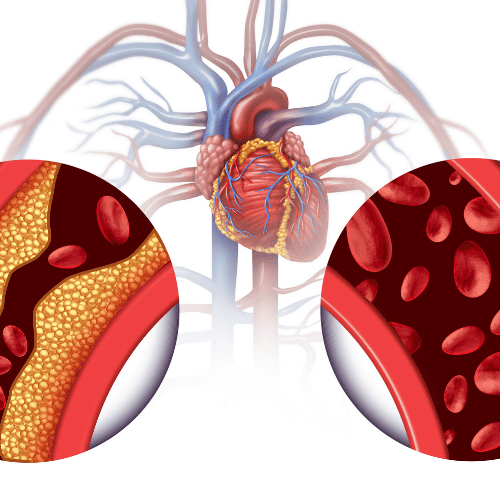
Dangerous arterial obstruction, most commonly and clinically known as systemic atherosclerosis, is a highly progressive, dangerous disease characterized primarily by the gradual, insidious buildup of sticky fatty plaques entirely within the inner arterial walls. Over many progressing years and several decades, these dangerous fatty plaques slowly calcify and heavily harden, severely narrowing the inner vessel lumen and dangerously restricting the flow of critical, life-sustaining blood. This highly systemic, destructive disease can severely affect major arteries silently throughout the entire human body, actively and constantly threatening the highly vital heart, sensitive brain, crucial kidneys, and vulnerable lower extremities. Providing highly innovative, long-lasting, and minimally invasive treatments for severe arterial obstruction remains the primary, overriding focus of highly advanced hemodynamics and modern interventional cardiology.
When a vital artery becomes dangerously, severely narrow or entirely and completely blocked, suffering patients very often experience incredibly severe physical pain and highly debilitating daily functional limitations. [00:14] In the complex heart, this dangerous lack of blood vividly manifests as severe chest angina or a massive myocardial infarction; while in the legs, it aggressively causes severe, stopping cramping medically known as intermittent claudication. Accurately diagnosing the exact, specific severity and precise physical location of the dangerously blocked arteries is successfully accomplished through highly detailed, high-resolution diagnostic angiograms safely performed inside a specialized catheterization lab. This incredibly detailed, microscopic vascular mapping consistently provides the absolutely necessary, perfect clinical blueprint for specialized physicians to carefully plan the absolute safest and overwhelmingly most effective mechanical revascularization strategy.
Utilizing State-of-the-Art Technology for Vascular Health
Successfully treating dangerously blocked arteries by expertly utilizing advanced, catheter-based medical interventions has very largely and thankfully replaced the desperate need for highly invasive, tremendously traumatic open surgical bypass procedures. Highly skilled interventional specialists constantly have an extensive, highly advanced technological arsenal of miniature, specialized medical tools at their absolute disposal to safely navigate and effectively clear incredibly complex, hardened vascular lesions. From innovative, highly effective drug-coated balloons that actively chemically prevent future vessel narrowing to incredibly highly flexible metallic stents that physically and robustly scaffold the damaged artery completely open, the modern technology is truly remarkable. These highly advanced, technological medical solutions strictly ensure that vital blood flow is rapidly, completely restored, immediately and profoundly alleviating severe physical symptoms and perfectly protecting highly vulnerable, oxygen-starved organ tissues.
- Acute Myocardial Infarction: Rapidly treated by immediately deploying specialized catheters for emergency arterial clearing and vital stenting.
- Ischemic Strokes: Effectively managed through advanced mechanical clot retrieval techniques and immediate cerebral revascularization.
- Dangerous Cardiac Arrhythmias: Treated highly securely via expert, minimally invasive pacemaker placement and targeted electrophysiology.
- Peripheral Artery Disease: Aggressively addressed using atherectomy devices to successfully prevent severe diabetic foot complications.
| Surgical Feature | Traditional Open Vascular Surgery | Advanced Catheterization Procedure |
|---|---|---|
| Level of Invasiveness | Extremely High (Requires very large, deep incisions) | Incredibly Low (Requires only a small puncture wound) |
| Type of Anesthesia Required | Heavy, Risky General Anesthesia | Safe Local Anesthesia / Very Mild Sedation |
| Average Physical Recovery Time | Several long, painful weeks to many months | Only a few short days to exactly one week |
| Required Hospital Stay Duration | Typically 5 to 10 highly monitored days post-operation | Usually just 1 to 2 short days for basic observation |
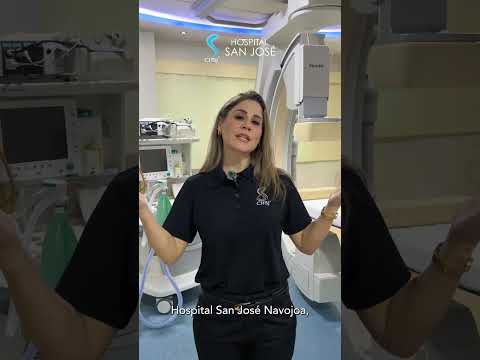
Specialized Cardiovascular Care at Hospital San José Navojoa
Successfully accessing top-tier, highly reliable medical care intensely during a sudden vascular emergency inherently requires immediate access to specialized facilities fully equipped with incredibly cutting-edge medical technology and highly experienced, dedicated specialists. Prominent medical institutions that strictly prioritize absolutely immediate emergency patient attention and offer highly comprehensive cardiovascular diagnostics naturally serve as the highly essential, foundational pillars of the crucial local and broad regional healthcare network. Hospital San José Navojoa proudly stands out prominently as a deeply premier, highly sought-after medical destination, robustly and fully equipped to expertly handle the absolutely most complex, dangerous, and time-sensitive cardiovascular emergencies imaginable. The prestigious hospital's completely unwavering medical commitment to deeply integrating highly advanced, modern medical technologies strictly ensures that extremely vulnerable patients consistently receive nothing short of world-class, life-saving medical care exactly when they desperately need it most.
The expansive, modern facility uniquely features incredibly state-of-the-art, fully modernized hemodynamics rooms that are highly and specifically designed from the ground up to perfectly facilitate incredibly rapid, life-saving diagnostic and highly complex interventional procedures. [00:15] These incredibly specialized, technologically dense surgical suites are constantly and expertly manned around the clock by highly dedicated, specialized rapid-response teams of elite interventional cardiologists, expert neurologists, and highly specialized, critical-care nursing staff. The absolutely immediate, 24/7 availability of these highly trained medical experts inherently means that highly critical, life-saving interventions, ranging entirely from physically clearing dangerously blocked peripheral arteries to urgently treating severe cerebral embolisms, can safely and rapidly begin without a single moment of delay. This incredibly rapid, highly coordinated emergency deployment capability is directly and undeniably responsible for actively saving countless human lives and completely preserving highly vital organ function intensely during sudden, acute medical crises.
Accessing Immediate Medical Attention and Top Specialists
When suddenly and tragically dealing with incredibly life-threatening, acute vascular conditions, the complex, real-world logistics of safely receiving absolutely immediate, specialized medical attention simply cannot be understated or ignored. Elite, high-end medical centers strictly and heavily prioritize highly optimized, technologically advanced emergency patient triage systems that completely and safely bypass the typical, notoriously slow traditional emergency room bottlenecks. [00:21] Upon incredibly rapid arrival, vulnerable individuals actively presenting with highly dangerous, severe stroke or massive heart attack symptoms are instantly and safely fast-tracked directly into the highly advanced diagnostic imaging and specialized hemodynamics suites. This remarkably hyper-efficient, highly streamlined medical workflow drastically and successfully reduces the incredibly crucial "door-to-balloon" treatment time, directly ensuring the highly rapid, life-saving mechanical restoration of vital, oxygen-rich blood flow.
The continuous, highly reassuring presence of incredibly highly trained, deeply specialized medical professionals remains the absolute true, driving clinical force standing firmly behind deeply successful, highly complex vascular surgical interventions. The elite interventional specialists, dedicated electrophysiologists, and masterful vascular surgeons uniquely possess many long years of incredibly rigorous, highly demanding surgical training and profoundly extensive, hands-on clinical experience. By carefully and strategically keeping these elite, top-tier medical specialists incredibly readily available and completely, robustly supported by intensely cutting-edge diagnostic technology, modern hospitals can confidently tackle the absolutely most challenging, dangerous cardiovascular diseases. Extremely anxious patients can truly rest assured, deeply knowing their precious vascular health is firmly and securely placed in the highly capable, steady hands of deeply dedicated medical experts who are completely committed to consistently providing the absolute highest possible standard of medical care.
The Benefits of Medical Tourism for Cardiovascular Treatments in Mexico
The continuously and drastically rising extreme costs of essential, life-saving healthcare globally have strongly and urgently prompted many desperate individuals to actively and carefully explore highly reliable, cross-border solutions for their highly critical, expensive medical needs. The booming industry of medical tourism specifically tailored for highly complex cardiovascular treatments in Mexico has undeniably experienced truly massive, highly exponential growth consistently over the past turbulent decade. Heavily burdened patients are absolutely no longer silently willing to tragically wait many agonizing months for highly specialized, necessary medical procedures or face completely insurmountable, life-ruining medical debt for essentially life-saving, urgent vascular interventions. By safely and confidently traveling internationally for crucial care, desperate individuals can instantly gain highly immediate, unhindered access to extremely advanced, modern catheterization labs and top-tier, internationally trained interventional cardiologists completely without the highly exorbitant, prohibitive price tag.
Mexico has absolutely and highly firmly established itself globally as a deeply premier, highly trusted international destination for incredibly complex, highly demanding medical procedures, most particularly shining in the highly specialized realm of advanced cardiovascular health. The nation's absolutely leading, prestigious medical facilities are incredibly heavily, strictly regulated by the government and very frequently maintain highly prestigious, rigorous international accreditations that completely guarantee strict, unwavering adherence to the absolute highest global medical safety and deep quality standards. The deep, heavy financial integration of truly state-of-the-art, highly expensive medical technology perfectly mirrors, and very sometimes completely surpasses, the exact advanced surgical equipment typically found operating in absolutely leading, premium hospitals located in the United States and Canada. International patients can incredibly confidently and completely safely undergo highly intricate, delicate procedures like expert pacemaker placement surgery fully knowing they are consistently receiving absolutely world-class, premium medical attention.
Comprehensive Concierge Services for International Patients
One of the absolutely most highly compelling, undeniable advantages of actively seeking specialized medical care internationally is the truly dramatic, massive reduction in entirely overall, out-of-pocket treatment costs. Highly complex, incredibly delicate medical procedures actively involving extremely advanced hemodynamics, highly complex, intricate arterial stenting, and deeply intensive, extended post-operative monitoring care can frequently cost just a tiny, small fraction of the staggering price commonly seen compared to northern neighbors. This truly profound, massive financial affordability absolutely does not ever come at the tragic expense of medical quality, patient safety, or the deep, profound surgical expertise of the highly attending medical professionals. The massive, life-changing financial cost savings are primarily and heavily driven by vastly lower domestic administrative overhead, highly favorable international currency exchange rates, and significantly reduced, highly localized hospital operational expenses.
Beyond just massive financial affordability, the incredibly immediate, virtually instant availability of highly specialized, potentially life-saving treatments remains a truly massive, undeniable draw for desperate international patients. In incredibly many highly developed countries, extremely vulnerable individuals facing severely dangerous, limb-threatening severe diabetic foot complications or incredibly heavily blocked vital arteries must tragically endure highly dangerous, incredibly long waitlists for deeply necessary surgical interventions. In incredibly sharp, fortunate contrast, absolutely premier, specialized hospitals located in heavy medical tourism hubs can incredibly often schedule highly complex, strictly necessary cardiovascular procedures completely within a very short matter of mere days. This completely immediate, highly unimpeded access to deeply world-class, life-saving healthcare is absolutely not merely a small, nice convenience; for incredibly many highly suffering patients, it remains the absolute, ultimate decisive factor directly responsible for successfully saving their precious lives and preserving their physical limbs.
Take Control of Your Cardiovascular Health Today
Don't wait for a dangerous medical emergency to proactively seek the absolute best possible care. Securely connect with globally leading interventional specialists to rapidly explore your advanced treatment options and firmly secure your well-being with state-of-the-art vascular procedures.
Get Free QuoteView Full Video Transcript
[00:00] El tiempo puede salvar tu vida.
[00:02] ¿Sabías que solo cuentas con seis horas para recibir atención especializada en nuestra sala de Hemodinamia por cateterismo?
[00:08] En donde también atendemos embolias cerebrales,
[00:10] colocación de marcapasos,
[00:12] complicaciones por pie diabético
[00:14] y obstrucción de arterias.
[00:15] Hospital San José Navojoa, tecnología de punta, atención inmediata y especialistas a tu alcance.
[00:21] Para más información www.chsj.mx


-Package-in-Santo-Domingo,-Dominican-Republic-by-Heartline-Clinics.jpg)














Share this listing