


Understanding the immediate signs of a cerebrovascular accident and securing rapid medical intervention can literally mean the difference between life and death. When it comes to accessing high-quality emergency stroke treatment in Mexico, patients and their families must be equipped with the right knowledge to act swiftly. A stroke occurs when the blood supply to a specific part of the brain is violently interrupted or drastically reduced by a clot.
This dangerous blockage prevents sensitive brain tissue from getting vital oxygen and nutrients, causing localized brain cells to die within minutes. Recognizing the early warning signs of a stroke in adults is undoubtedly the most critical factor in determining the long-term prognosis for the patient. In the global medical community, rapid identification of symptoms is consistently emphasized as the absolute cornerstone of effective stroke management.
By leveraging proven memory aids and understanding the physiological changes that occur during a brain attack, individuals can dramatically improve clinical outcomes. Recognizing cerebrovascular accident warning signs early ensures that patients can access potentially life-saving pharmacological therapies before irreversible brain damage sets in. This comprehensive guide will deeply explore the essential steps for early stroke detection and the advanced medical procedures available for those seeking affordable neurological care abroad.
Video Chapters
Understanding the CAMALEÓN Acronym for Early Stroke Detection
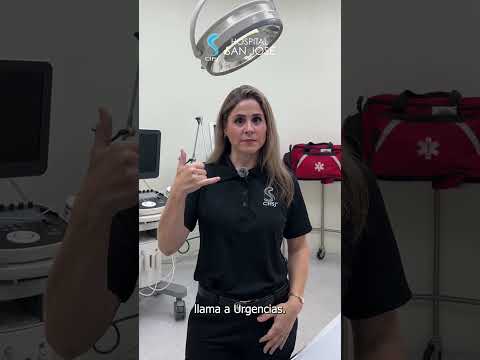
In the chaotic and high-stakes environment of a neurological emergency, recalling complex medical symptoms can be completely overwhelming for the average person. [00:00] As medical professionals clearly explain, a single word can be the deciding factor between a full neurological recovery and permanent, debilitating disability. This is precisely where the CAMALEÓN acronym becomes an invaluable educational tool for international patients actively navigating the healthcare system.
The acronym is specifically designed to highlight the most common, visually prominent, and easily recognizable signs of a sudden cerebrovascular accident. Public health campaigns universally utilize these mnemonics because they brilliantly simplify critical medical information into actionable, immediate steps for the general public. Similar to the well-known English acronym FAST, the CAMALEÓN method primarily focuses on the sudden, unexplained onset of focal neurological deficits.
Understanding exactly how to identify a stroke quickly using this structured framework allows ordinary bystanders to become crucial first responders. When you know exactly what physical anomalies to actively look for, you can bypass the incredibly common mistake of waiting for symptoms to naturally improve. Early detection initiates the rapid triage process required to save vital brain tissue.
Face Drooping and Numbness: The First Warning Sign of a Brain Attack
The first syllable in the acronym, "CA", directly refers to "Cara caída o adormecida," which translates seamlessly to a drooping or heavily numb face. [00:03] When a catastrophic brain attack violently impacts the motor cortex, it frequently causes sudden unilateral facial paralysis due to critical cranial nerve involvement. You might notice that when the affected person bravely attempts to smile, one side of their face remains completely and terrifyingly motionless.
This sudden, visible facial asymmetry is one of the most statistically reliable early warning signs of a brain attack and requires immediate, aggressive medical evaluation. Attending physicians carefully categorize this specific presentation as central facial palsy, which typically affects only the lower half of one side of the patient's face. The sudden flattening of the nasolabial fold and involuntary drooling from one corner of the mouth are stark, undeniable indicators of severely compromised cerebral blood flow.
Arm Weakness and Loss of Motor Function During a Neurological Event
Continuing with the rapid diagnostic method, "MA" logically stands for "Mano pesada o sin fuerza," heavily indicating a heavy hand or significant arm weakness. [00:07] During a massive cerebrovascular event, the delicate neural pathways responsible for voluntary movement in the human extremities are often severely and suddenly disrupted. Terrified patients frequently describe a sudden, baffling inability to lift their arm, or they may feel an overwhelming, dead-weight sensation pulling their limb down.
This distressing condition, known clinically as acute hemiparesis, almost always deeply affects the side of the body directly opposite to the brain hemisphere experiencing the stroke. To test for this dangerous symptom effectively, calmly instruct the individual to raise both arms straight in front of them at a ninety-degree angle. If one arm slowly drifts downward without control or cannot be raised at all, this is a definitive, unquestionable sign of severe motor function impairment.
Slurred Speech and Cognitive Confusion in Stroke Patients
The "LE" in the memory acronym represents "Lengua trabada o dificultad para hablar," which starkly points to slurred speech or severe difficulty communicating basic needs. [00:09] Malignant strokes frequently target the highly sensitive left hemisphere of the brain, where the primary language centers like Broca's and Wernicke's areas densely reside. When arterial blood flow to these highly specific cortical regions is blocked, the patient may suddenly experience profound aphasia or crippling dysarthria.
This sudden cognitive and motor speech disruption is profoundly terrifying for the patient, who may suddenly feel entirely trapped inside their own silent mind. You might horrifyingly observe the person struggling intensely to articulate basic words or producing completely jumbled, nonsensical sentences. [00:11] As strict medical guidelines internationally mandate, noticing any of these severe language anomalies means you must transition immediately to calling for emergency medical services without hesitation.
Why the Four-Hour Window is Critical for Ischemic Stroke Recovery Timelines
One of the most absolutely vital pieces of information regarding acute stroke management is the incredibly stringent timeframe required for effective pharmacological intervention. [00:19] Clinical hospital protocols clearly dictate that medical teams only have four hours to act, fiercely emphasizing that every single minute lost is irreplaceable brain tissue destroyed. This highly specific chronological window represents the absolute biological limit for safely administering powerful intravenous thrombolytic therapies.
Delivering critical tPA treatment for stroke patients strictly within this golden hour drastically alters the entire trajectory of their long-term neurological recovery. Thrombolytic medications operate biologically as powerful clot-busting agents designed specifically for aggressively managing dangerous ischemic vascular events. If intravenous tPA is administered safely within this strict, unforgiving timeframe, it actively dissolves the arterial obstruction and immediately restores crucial cerebral perfusion.
Conversely, administering this highly potent medication outside the approved physiological timeframe severely and dangerously increases the risk of catastrophic intracranial hemorrhage. Because the rigid treatment clock officially starts ticking the exact moment the patient was last definitively known to be symptom-free, hospital treatment delays are exceptionally dangerous. Securing rapid transport to a certified facility maximizes the statistical probability of a favorable ischemic stroke recovery timeline and successfully prevents profound neurological deficits.
Advanced Medical Procedures for Stroke Management and Acute Neurological Care
When a severely compromised patient arrives at an emergency department presenting with acute stroke symptoms, the trauma team must rapidly identify the exact underlying pathology. Modern diagnostic imaging technologies, specifically lightning-fast non-contrast computed tomography scans and advanced magnetic resonance imaging, are deployed immediately upon arrival. These rapid, high-resolution imaging protocols effectively and definitively differentiate between a treatable ischemic blockage and a life-threatening hemorrhagic rupture.
For critical patients tragically suffering from a massive large vessel occlusion, standard intravenous clot-busting drugs may simply not be powerful enough to clear the hardened artery. In these severe, imminently life-threatening cases, endovascular mechanical thrombectomy boldly stands as the highly recommended and most effective medical procedure. This minimally invasive, highly technical neurosurgical technique involves expertly threading a microscopic catheter through the femoral artery directly up into the brain's complex vascular network.
Highly trained, specialized neurosurgeons then deploy sophisticated stent retrievers to physically ensnare, capture, and extract the obstructing blood clot completely from the delicate vessel. The widespread global adoption and miraculous success rates of endovascular thrombectomy have fundamentally revolutionized neurological emergency response procedures worldwide. Premier facilities successfully delivering emergency stroke treatment in Mexico are continually upgrading their million-dollar neurointerventional suites to seamlessly provide these life-saving, cutting-edge procedures.
Standard Emergency Neurological Timelines
Understanding standard emergency room operational protocols strongly helps terrified families effectively advocate for their vulnerable loved ones during an active medical crisis. The primary goal of any accredited stroke center is to evaluate the patient and begin aggressive pharmacological treatment as rapidly as humanly possible.
| Critical Clinical Action | Mandatory Target Time from Arrival |
|---|---|
| Initial rapid evaluation by an emergency physician | Within 10 strict minutes |
| Specialized acute stroke team notification | Within 15 precise minutes |
| Full completion of diagnostic CT or MRI scan | Within 25 critical minutes |
| Expert interpretation of neuroimaging results | Within 45 total minutes |
| Immediate administration of intravenous tPA | Within 60 life-saving minutes |
Identifying Key Stroke Risk Factors and Practical Prevention Strategies
While understanding exactly how to intelligently respond during a terrifying neurological crisis is absolutely essential, proactively focusing on vascular prevention remains the most effective long-term strategy. Dangerous stroke risk factors are broadly and clinically categorized into two highly distinct groups: non-modifiable genetic characteristics and variables heavily influenced by daily lifestyle choices. Non-modifiable stroke risk factors unfortunately include advancing chronological age, strong familial genetic predispositions, and a documented family history of massive vascular events.
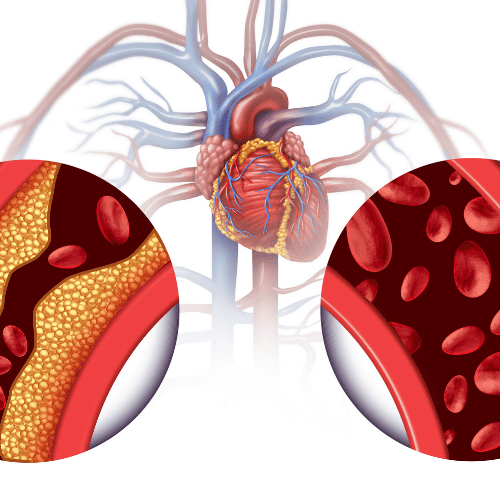
Conversely, heavily modifiable risk factors present an incredibly excellent opportunity for aggressive medical management and sustainable behavioral modification. Chronic, untreated hypertension, commonly known globally as high blood pressure, firmly and undeniably remains the single most destructive risk factor for both ischemic and hemorrhagic strokes. Uncontrolled arterial pressure constantly places immense, unrelenting stress on delicate blood vessel walls throughout the entire complex human body.
Over decades of time, this chronic, silent tension makes vital cerebral arteries highly susceptible to traumatic rupture or dangerous atherosclerotic plaque buildup. Other major modifiable risk factors unequivocally demand strict medical oversight, heavily including diabetes mellitus, atrial fibrillation, and chronic daily tobacco use. Actively managing these complex underlying conditions through routine pharmacological treatments and doctor visits is an absolute clinical necessity for sustaining long-term cerebrovascular health.
Accessing Affordable Neurological Care Abroad and International Facilities
The rapid and highly successful globalization of complex healthcare services has forcefully opened dynamic new avenues for patients aggressively seeking specialized medical treatments internationally. Modern medical tourism has fundamentally and permanently evolved far beyond purely elective cosmetic procedures, now boldly encompassing highly complex, life-saving neurological interventions. Desperate patients recently diagnosed with severe cerebrovascular conditions routinely explore these established international pathways to effectively bypass notoriously long domestic surgical wait times.
Successfully accessing affordable neurological care abroad allows worried individuals to secure critical treatments from internationally recognized neurospecialists without facing catastrophic personal financial ruin. Modern medical institutions proudly providing top-tier emergency stroke treatment in Mexico have aggressively and continuously invested millions in state-of-the-art clinical infrastructure. These premier, highly rated facilities boast advanced neuroimaging technology, highly dedicated stroke intensive care units, and globally trained, bilingual neurosurgical teams.
Many of these elite, specialized hospitals proudly hold highly prestigious accreditations from strict international health oversight organizations. This exceptionally rigorous accreditation process firmly guarantees that institutional clinical quality, safety protocols, and surgical outcomes mirror the absolute highest global medical standards. From the initial acute endovascular intervention to highly personalized inpatient rehabilitation programs, international neurological clinics frequently offer seamlessly integrated, all-inclusive care packages.
Long-Term Post-Stroke Rehabilitation Centers and Physical Therapy Programs
Surviving the initially terrifying acute phase of a massive cerebrovascular accident represents merely the very first foundational step in an extensive, exhausting recovery journey. Intensive post-stroke rehabilitation is a highly customized, profoundly multidisciplinary process meticulously designed to help patients slowly relearn basic functional life skills. The remarkable human brain possesses an incredibly fascinating biological property known scientifically throughout the medical world as neuroplasticity.
This miraculous adaptive mechanism allows surviving, healthy neurons to actively forge entirely new synaptic connections and physically compensate for the irreversibly damaged cortical regions. A robust, successful, and effective comprehensive rehabilitation program relies entirely and heavily on the coordinated, daily efforts of a specialized multidisciplinary healthcare team. Dedicated physical therapists focus heavily and persistently on restoring lower body mobility, correcting dangerous gait abnormalities, and strengthening severely weakened, atrophied limbs.
Simultaneously, highly skilled occupational therapists concentrate deeply on refining delicate fine motor skills and strategically adapting the patient's immediate home living space. This vital functional training ensures the recovering individual can confidently manage essential daily activities like independent dressing, eating, and personal hygiene safely. Seeking dedicated, intensive treatment at the best stroke rehabilitation centers in Mexico provides patients with immediate, affordable access to this vital, highly personalized therapy.
Essential Dietary and Lifestyle Modifications for Secondary Stroke Prevention
Surviving an initial brain attack serves globally as a profoundly serious medical wake-up call, strictly demanding immediate and highly permanent changes to daily lifestyle habits. Implementing targeted, aggressive dietary modifications confidently stands as one of the most statistically powerful, non-pharmacological strategies for highly effective secondary stroke prevention. Leading cardiovascular nutritionists strongly advocate for immediately adopting the proven Mediterranean diet to fiercely protect sensitive cerebral blood vessels from experiencing further atherosclerotic damage.
Drastically reducing overall daily dietary sodium intake is another absolutely critical, non-negotiable component of a heart-healthy, stroke-preventative nutritional regimen. Excessive daily salt consumption directly and rapidly triggers significant bodily fluid retention, which dangerously forces the cardiovascular system to pump blood at highly elevated pressures. By strictly limiting heavily processed foods and greasy fast food meals, recovering stroke patients can naturally and effectively manage their systemic blood pressure levels.
- Maintain Strict Blood Pressure Control: Regularly monitor systolic levels and completely adhere to prescribed antihypertensive medications daily.
- Engage in Daily Aerobic Exercise: Commit to one hundred and fifty minutes of heart-pumping activity weekly to boost vascular elasticity.
- Eliminate All Tobacco Products: Stopping smoking entirely halts the rapid progression of arterial plaque accumulation immediately.
Beyond these absolutely essential dietary shifts, establishing a highly consistent and medically safe routine of physical activity drastically lowers the statistical probability of a recurrent neurological event. Dedicated medical professionals generally recommend aiming for at least one hundred and fifty minutes of moderate aerobic exercise every single week to maintain optimal vascular elasticity. When these robust, daily physical activities are completely combined with strict blood glucose control, patients can successfully safeguard their incredibly precious long-term neurological health.
Ready to Access World-Class Neurological Care?
Don't wait when it comes to specialized cerebrovascular treatments and advanced stroke rehabilitation. Connect with top-tier medical facilities and experienced international neurospecialists today to secure the comprehensive, affordable care you urgently need.
Get Free QuoteView Full Video Transcript
00:00 Una palabra puede ser la diferencia entre la vida y la muerte.
00:03 CAMALEÓN.
00:05 Cara caída o adormecida.
00:07 Mano pesada o sin fuerza.
00:09 Lengua trabada o dificultad para hablar.
00:11 Si notas una de estas cosas, llama a Urgencias.
00:19 Solo tienes cuatro horas para actuar, el tiempo es vital.
00:22 Para más información, acude a nuestra página www.chsj.mx.



-Package-in-Santo-Domingo,-Dominican-Republic-by-Heartline-Clinics.jpg)
-Package-in-Santo-Domingo,-Dominican-Republic-by-Heartline-Clinics.jpg)











Share this listing