


Cardiovascular medicine has witnessed a monumental shift towards tissue-sparing techniques over the past decade. Patients globally are actively seeking advanced alternatives to traditional open-heart operations to reduce trauma and accelerate healing. Choosing to undergo minimally invasive heart surgery in Turkey offers a unique combination of world-class surgical expertise and state-of-the-art medical infrastructure.
This innovative surgical approach eliminates the need for a full median sternotomy, fundamentally changing the patient experience. By utilizing specialized instruments and high-definition endoscopic visualization, cardiac surgeons can perform complex repairs through remarkably small incisions. Understanding the intricate details of closed heart surgery without opening the chest is crucial for making informed healthcare decisions.
Video Chapters & Quick Navigation
What is Closed Heart Surgery Without Opening the Chest?
The conventional approach to cardiovascular operations has historically required a median sternotomy. This traditional method involves completely dividing the breastbone to expose the entire cardiac cavity. While highly effective for visibility, this aggressive structural disruption leads to prolonged recovery and significant physical trauma.
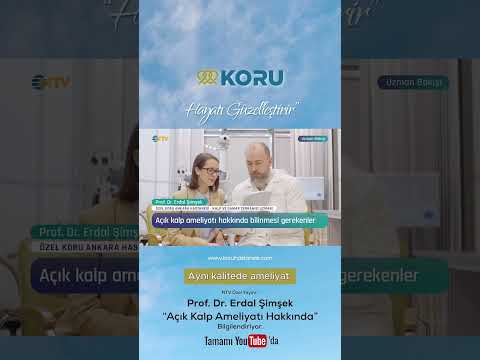
In stark contrast, modern surgical teams now utilize what is clinically referred to as a minimally invasive approach. As highlighted by specialists at [00:04], closed heart surgery without opening the chest relies on remarkably small incisions. Surgeons access the heart through the natural spaces between the ribs, completely bypassing the need to cut through major skeletal structures.
This sophisticated technique requires highly specialized, long-shafted surgical instruments. High-definition thoracoscopic cameras are inserted into the chest cavity to project a magnified, 3D view of the heart onto operating room monitors. The precise manipulation of these tools allows surgeons to perform delicate valve repairs or bypass grafts with extraordinary accuracy.
Despite the reduced physical footprint on the patient's body, the internal surgical work remains structurally identical to traditional methods. The vital distinction lies purely in the anatomical access route rather than the quality of the cardiac repair itself. This evolution in access strategy fundamentally alters the patient's physiological response to surgical stress.
Debunking Common Myths About Small Incision Heart Procedures
The dramatic reduction in incision size often leads to widespread misunderstandings among prospective patients. Many individuals incorrectly assume that a smaller surface wound equates to a superficial or minor medical procedure. This dangerous misconception can lead to unrealistic expectations regarding the preoperative preparation and post-operative monitoring required.
The Hidden Complexity of the Surgical Process
When patients hear about minimally invasive options, they frequently anticipate a rapid, simple operation. However, as noted at [00:10], assuming these procedures are quick and simple is a major fallacy. The internal anatomical work—whether replacing a diseased valve or rerouting blood flow—remains an intensely complex surgical endeavor.
Surgeons operating through tiny rib spaces face significantly higher technical demands. The restricted field of vision requires advanced hand-eye coordination and an intimate understanding of endoscopic navigation. Consequently, the actual operative time may sometimes equal or even exceed that of traditional open-heart surgery to ensure absolute precision.
Cardiopulmonary Bypass and Heart Activity
Another prevalent myth revolves around the physiological state of the heart during the operation. Many patients believe that avoiding a sternotomy automatically means the heart continues to beat normally throughout the procedure. Medical professionals address this specific misunderstanding at [00:19], clarifying the reality of cardiac arrest in surgery.
The decision to stop the heart using cardioplegia is an independent technical detail entirely separate from the incision type. Depending on the specific pathology being treated, surgeons may still utilize a cardiopulmonary bypass machine. Whether the heart is temporarily stopped or kept beating relies entirely on the precise requirements of the intracardiac repair.
Crucial Criteria for Patient Selection in Advanced Cardiovascular Treatments
While the advantages of small incision surgery are profound, it is not a universally applicable solution for all cardiac conditions. Comprehensive pre-operative screening is an absolute necessity to ensure patient safety and optimize surgical outcomes. The medical evaluation process involves rigorous diagnostic imaging and physiological testing.
As emphasized by surgical experts at [00:28], patient selection is a highly meticulous and individualized process. Not every individual suffering from heart disease will qualify for a minimally invasive approach. Surgeons must evaluate a complex matrix of anatomical and historical medical factors before finalizing a surgical plan.
Specific anatomical constraints often dictate the feasibility of closed heart methods. Patients with severe peripheral arterial disease may lack the necessary vascular integrity for specialized bypass cannulation. Additionally, extensive calcification of the ascending aorta can pose significant stroke risks when manipulating instruments through narrow thoracic corridors.
Previous surgical history also plays a critical role in determining eligibility. Individuals who have undergone prior right-sided lung surgeries or radiation therapy may present with dense pleural adhesions. These internal scar tissues can severely obstruct the endoscopic path, rendering the minimally invasive approach inherently dangerous.
Top Benefits of Closed Heart Surgery vs Open Heart Surgery
Comparing the outcomes of different surgical access points reveals distinct clinical advantages for the tissue-sparing approach. The primary physiological benefit stems from preserving the structural integrity of the chest wall. Maintaining an intact breastbone fundamentally alters the trajectory of post-operative healing and complication rates.
Significant Reduction in Mediastinitis and Bone Infection Risks
Surgical site infections represent one of the most devastating complications following traditional cardiovascular procedures. The data presented at [00:36] clearly indicates that infection risks are dramatically lower when avoiding large chest incisions. This statistical advantage is primarily driven by the elimination of bone trauma.
In traditional open-heart surgery, the sternum is split entirely, exposing the deep mediastinal cavity to potential pathogens. Deep sternal wound infections, clinically known as mediastinitis, pose a massive threat to patient survival. Discussed extensively at [00:42], this specific staphylococcus infection of the breastbone is notoriously difficult to eradicate.
Treating mediastinitis often requires aggressive surgical debridement, prolonged intravenous antibiotics, and extended hospitalizations. By utilizing small incisions between the ribs, closed heart surgery completely circumvents the sternum. Consequently, the incidence of devastating bone infections drops to near zero, providing profound peace of mind for both patients and surgical teams.
Major Advantages for Diabetic Patients Undergoing Heart Surgery
The intersection of diabetes mellitus and cardiovascular disease creates complex challenges for surgical recovery. Diabetic patients inherently suffer from microvascular dysfunction, which severely impairs optimal blood flow to healing tissues. This compromised circulation drastically increases the vulnerability of large surgical incisions to delayed healing and necrosis.
Furthermore, chronic hyperglycemia negatively impacts cellular immune responses. High blood sugar levels inhibit leukocyte function, rendering the body less capable of fighting off opportunistic bacterial colonizations at the incision site. For these individuals, a traditional sternotomy represents a remarkably high-risk anatomical wound.
Minimally invasive techniques offer a transformative solution for this high-risk demographic. Highlighted directly at [00:50], closed heart surgery provides an immense clinical advantage specifically for diabetic patients. The minimal tissue disruption and absence of bone division ensure that the compromised diabetic immune system is not overwhelmed by massive physiological trauma.
Blood Transfusion Risks in Traditional Open Heart Surgery vs Closed Methods
Blood management during complex cardiac operations is a critical determinant of short and long-term patient outcomes. Traditional open procedures inevitably involve extensive tissue dissection and the exposure of bone marrow from the divided sternum. This extensive surgical footprint predictably leads to substantial intraoperative and post-operative blood loss.
As detailed at [00:54], bleeding risks are drastically minimized when utilizing minimally invasive thoracic methods. Because the chest wall remains structurally intact, bleeding from bone marrow is entirely eliminated. The precise, targeted nature of endoscopic surgery naturally correlates with superior hemostasis and reduced fluid disruption.
- Open Surgery Transfusion Rates: Traditional methods frequently necessitate allogeneic blood transfusions, with rates hovering between 30% to 60%.
- Closed Surgery Transfusion Rates: Small incision techniques drastically reduce this dependency, dropping transfusion requirements to a mere 10% to 30%.
- Transfusion Complications: Avoiding donor blood prevents severe risks like Transfusion-Related Acute Lung Injury (TRALI) and long-term immunomodulation.
The statistical reduction in blood product utilization, confirmed at [01:00], profoundly impacts patient recovery trajectories. Patients who avoid blood transfusions generally experience shorter intensive care stays and reduced rates of post-operative inflammatory syndromes. Achieving complex cardiac repairs without the need for external blood products is considered a hallmark of surgical excellence.
Why Choose Advanced Cardiovascular Treatments in Turkey?
The landscape of global medical tourism has rapidly evolved, positioning certain geographic hubs as leaders in highly specialized surgical interventions. Minimally invasive heart surgery in Turkey has gained massive international recognition due to its combination of elite medical talent and cutting-edge clinical infrastructure. Hospitals across the country consistently invest heavily in the latest robotic and endoscopic surgical platforms.
Turkish cardiovascular departments are frequently staffed by surgeons who have completed rigorous international fellowships. These medical professionals perform a remarkably high volume of specialized thoracic procedures annually. This high case volume translates directly into refined surgical skills, leading to superior clinical outcomes and reduced complication rates for complex valve repairs and bypass operations.
Furthermore, medical facilities catering to international patients often maintain strict adherence to global accreditation standards, such as Joint Commission International (JCI) certifications. The integration of advanced post-operative intensive care units with dedicated international patient coordination teams ensures a seamless healthcare experience. This holistic approach to cardiovascular care makes Turkey an incredibly compelling destination for life-saving small incision heart procedures.
Expected Recovery and Post-Operative Care Guidelines
The immediate post-operative phase following a closed heart procedure is noticeably distinct from traditional sternotomy recoveries. Because the central skeletal structure remains completely stable, patients experience significantly less mechanical pain during respiration. This reduction in pain allows for earlier extubation in the intensive care unit and faster mobilization.
Traditional sternotomy precautions notoriously restrict patients from lifting anything over five pounds, pushing, or pulling for upwards of eight to twelve weeks. These strict movement limitations are required to prevent the separated breastbone from shifting and failing to fuse. In stark contrast, small incision surgery bypasses these debilitating restrictions entirely.
Patients undergoing minimally invasive techniques are generally encouraged to resume light physical activities within a matter of days. The preservation of chest wall mechanics allows for deep breathing exercises without excruciating discomfort, drastically reducing the risk of post-operative pneumonia. Most individuals find themselves returning to normal daily routines, including driving and desk work, within two to four weeks post-discharge.
Take the First Step Towards a Healthier Heart Today
If you are exploring advanced options for minimally invasive heart surgery in Turkey, expert medical coordination can streamline your journey. Connect with top-tier, internationally accredited cardiovascular specialists to evaluate your specific case and secure your customized treatment plan.
Get Free QuoteView Original Video Transcript
00:00 Gö?üs kafesini açmadan kalp ameliyat? yap?labiliyor mu?
00:04 Gö?üsü açmadan yap?lan kalp ameliyatlar?; ufak kesi, minimal invaziv veya kapal? yöntem diyoruz.
00:09 Genellikle gö?üs aç?lmadan dendi?i zaman çok basit bir ameliyat olaca??n?, çabuk bitece?ini halk?m?z anlamaktad?r.
00:15 Asl?nda sadece kesi yerimiz ufak olmaktad?r.
00:19 Kalbin durdurulmadan yap?ld???n? zannediyorlar. Asl?nda bu da tabii ki halk aras?nda yayg?n bir yanl?? anlay??.
00:24 Çünkü kalbi durduruyoruz veya durdurmuyoruz; bu bir teknik detay.
00:28 Tabii ki seçilmi? hastalar söz konusu; her hasta için uygun de?il.
00:31 Kapal? yöntem olup olmayaca??na karar vermekteyiz, hastalar? seçiyoruz tabii ki.
00:35 Aç?k kalp ameliyatlar?na göre enfeksiyon riski daha dü?ük olarak gözükmektedir.
00:40 Özellikle aç?k kalp ameliyatlar?nda mediastinit denen enfeksiyondan korkar?z; bu, staphylococcus dedi?imiz iman tahtas? kemi?inin enfeksiyonudur.
00:47 Kapal? yöntemde hemen hemen hiç görmemekteyiz.
00:49 Bu çok büyük bir avantajd?r. Özellikle ?eker hastalar?nda çok büyük bir avantaj olarak kar??m?za ç?k?yor.
00:54 Kanama riski çok daha az oluyor minimal invaziv yöntemlerde.
00:58 Aç?k yöntemlerde kanama, kan nakli yüzde 30 ile 60 oran?nda yap?l?rken aç?k kalp ameliyatlar?nda;
01:03 Kapal? yöntemlerde bu yüzde 10 ile 30 oran?na dü?mektedir.
01:07 Kan vermeden yap?lmas? hastalar?m?z için ve bizi de mutlu eden sonuçlar olarak kar??m?za ç?kmaktad?r.


-Package-in-Santo-Domingo,-Dominican-Republic-by-Heartline-Clinics.jpg)
-Package-in-Santo-Domingo,-Dominican-Republic-by-Heartline-Clinics.jpg)













Share this listing