


Pedro Path to Renewed Health: A Bariatric Journey in Cancun, Mexico with Dr. Fernando Ceron
Embarking on Pedro Path to Renewed Health: A Bariatric Journey in Cancun, Mexico with Dr. Fernando Ceron reveals a transformative approach to overcoming severe obesity. For countless individuals, traditional weight loss methods simply do not yield sustainable, long-term results. Expert medical intervention offers a vital, life-saving alternative.
By choosing a medical tourism destination like Cancun, patients can access world-class healthcare without the astronomical costs traditionally found in the United States or Canada. This inspiring medical journey highlights the profound physical, emotional, and financial benefits of seeking advanced bariatric care abroad. Discover how expert surgical intervention can permanently rewrite your health trajectory.
Video Chapters & Quick Navigation
The Catalyst for Change: Battling Severe Obesity
For decades, the global medical community has recognized obesity as a complex, chronic disease rather than a simple lack of willpower. Patients suffering from a high Body Mass Index (BMI) often face a cascade of severe health complications. These include type 2 diabetes, life-threatening hypertension, severe sleep apnea, and debilitating joint pain.
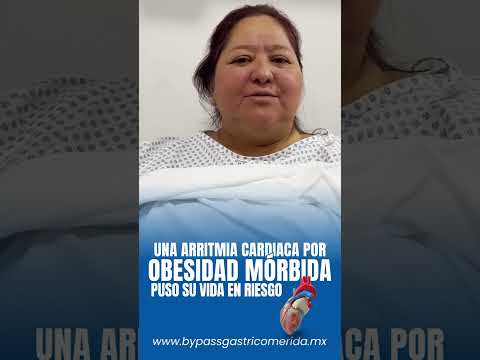
As seen at in the video, the breaking point for many patients comes when their quality of life deteriorates drastically. Everyday tasks become monumental challenges, and the fear of premature mortality becomes a constant psychological burden. This harsh reality pushes individuals to seek permanent, medically supervised interventions.
Weight loss surgery in Mexico has emerged as a beacon of hope for those who feel abandoned by their domestic healthcare systems. When diet, rigorous exercise, and pharmacological therapies fail, altering the digestive anatomy is proven to be the most effective strategy for massive, sustainable weight reduction. It provides a metabolic reset that mere calorie counting cannot achieve.
Meet Dr. Fernando Ceron: A Leader in Bariatric Excellence
The success of any surgical weight loss journey is intrinsically tied to the skill, experience, and compassion of the operating surgeon. Dr. Fernando Ceron stands out as a preeminent figure in the Latin American bariatric community. His extensive medical background includes rigorous training in advanced laparoscopic techniques.
Dr. Ceron operates out of top-tier medical facilities in Cancun, applying minimally invasive procedures that significantly reduce recovery times. His philosophy centers around holistic patient care, ensuring that the surgery is viewed as a tool rather than a magical cure. He emphasizes comprehensive pre-operative education and long-term post-operative support.
International patients actively seek out Dr. Ceron because of his flawless safety record and personalized bedside manner. He understands the immense vulnerability patients feel when traveling abroad for major surgery. By fostering an environment of absolute trust and medical transparency, he alleviates anxiety and sets the foundation for a successful physical transformation.
Why Cancun is the Premier Destination for Medical Tourism
Medical tourism is no longer a fringe concept; it is a booming global industry driven by the search for affordable, high-quality healthcare. Cancun, Mexico, has strategically positioned itself at the forefront of this movement. It offers a unique blend of highly regulated private hospitals and an environment perfectly suited for peaceful recovery.
The medical infrastructure in Cancun features state-of-the-art surgical suites, advanced intensive care units, and bilingual medical staff. Hospitals catering to international patients frequently hold accreditations that mirror the strict standards of the Joint Commission International (JCI). This ensures that hygiene, patient safety, and surgical protocols are world-class.
Beyond the hospital walls, the geography of Cancun plays a vital role in the healing process. Recovering from major surgery is stressful, but waking up to the tranquil sounds of the Caribbean Sea significantly lowers cortisol levels. Patients can undergo complex medical procedures and then recover in a luxury resort environment, completely removed from the daily stresses of their home lives.
Understanding Your Bariatric Surgery Options
There is no one-size-fits-all approach to weight loss surgery. During initial consultations, surgeons evaluate a patient's BMI, eating habits, and existing comorbidities to recommend the most effective procedure. The two most common and highly successful operations performed in Cancun are the Gastric Sleeve and the Gastric Bypass.
Laparoscopic Sleeve Gastrectomy
Mentioned at , the Gastric Sleeve involves removing approximately 80% of the stomach, leaving a narrow, banana-sized tube. This restricts the volume of food a patient can consume while also drastically reducing the production of ghrelin, the hormone responsible for hunger. It is highly effective and has a lower risk of nutritional deficiencies compared to a bypass.
Roux-en-Y Gastric Bypass
The Gastric Bypass is considered the gold standard for patients suffering from severe acid reflux or unmanaged type 2 diabetes. The surgeon creates a small stomach pouch and directly connects it to the small intestine, bypassing a large portion of the stomach and the duodenum. This method combines restriction with malabsorption, leading to rapid and profound weight loss.
Comparing the Procedures
| Feature | Gastric Sleeve | Gastric Bypass |
|---|---|---|
| Mechanism | Restriction & Hormonal | Restriction & Malabsorption |
| Expected Weight Loss | 60% to 70% of excess weight | 70% to 80% of excess weight |
| Surgery Duration | 45 to 60 minutes | 90 to 120 minutes |
| Dumping Syndrome Risk | Very Low | Moderate to High |
Shattering the Price Tag: The Financial Advantage of Surgery in Mexico
The primary barrier to life-saving obesity treatments in the United States and Canada is the exorbitant cost. Even with premium health insurance, patients frequently encounter strict approval hurdles, mandated multi-year waiting periods, and massive out-of-pocket deductibles. Uninsured patients face surgical bills ranging from $15,000 to over $30,000.
In stark contrast, all-inclusive bariatric packages in Cancun typically range from $4,000 to $6,500. This dramatic price difference is not a reflection of compromised quality or corner-cutting. Instead, it is the result of a lower cost of living, reduced administrative overhead, and minimized medical malpractice insurance premiums in Mexico.
What All-Inclusive Packages Typically Cover
Medical tourism facilitators strive to make the international journey entirely stress-free. By bundling services, patients know exactly what they will pay before they even board their flight.
- Surgeon and Anesthesiologist Fees: Full payment for the specialized medical team.
- Hospital Stay: Usually two nights in a private, medically equipped room.
- Pre-Op and Post-Op Testing: Comprehensive blood panels, EKG, and nutritional evaluations.
- Ground Transportation: VIP shuttles between the Cancun airport, the hospital, and the recovery hotel.
- Hotel Accommodation: Luxury hotel stays for the recovery days prior to flying home.
Preparing for Your Journey: The Pre-Op Phase
The success of a bariatric procedure begins weeks before the patient ever arrives in Cancun. Surgeons mandate a strict pre-operative liver-shrinking diet. This regimen is heavily reliant on high-protein, low-carbohydrate liquid shakes and is designed to deplete glycogen stores in the liver.
A fatty, enlarged liver sits directly over the stomach, making laparoscopic navigation dangerous and difficult. By strictly adhering to the pre-op diet, the liver shrinks significantly, granting the surgeon clear access to the stomach. This crucial step drastically reduces surgical complications and minimizes time spent under general anesthesia.
Mentally preparing for surgery is equally important. Patients must come to terms with the fact that their relationship with food will permanently change. Emotional eating, binge eating, and using food as a coping mechanism must be addressed through counseling to ensure long-term weight maintenance.
The Surgical Experience and Hospital Care
Upon arrival at the clinic, patients undergo a final round of pre-operative testing to confirm their physical readiness. As highlighted at , the medical team conducts thorough consultations, answering any last-minute questions to ease pre-surgery anxiety. The professionalism and warmth of the Mexican nursing staff provide immense comfort.
The surgery itself is performed laparoscopically, meaning the surgeon makes four to five tiny incisions in the abdomen rather than a large, open cut. Using high-definition cameras and specialized instruments, Dr. Ceron meticulously alters the stomach anatomy. Leak tests are performed multiple times while the patient is still on the operating table to guarantee absolute surgical integrity.
Post-surgery, patients are moved to a private recovery room where vital signs are continuously monitored. The focus during the first 24 hours is on pain management and hydration. Patients are strongly encouraged to get out of bed and take short walks in the hospital corridors within hours of waking up, which is essential for preventing blood clots and dissipating trapped surgical gas.
Navigating the Post-Op Recovery and Dietary Phases
Discharge from the hospital usually occurs on the second or third day, after which patients transfer to a comfortable hotel in Cancun to continue their recovery. The healing stomach is incredibly delicate and requires a phased reintroduction to food. The post-operative diet is not a suggestion; it is a strict medical mandate.
Phase 1: Clear Liquids
For the first week, patients consume only clear, sugar-free, and non-carbonated liquids. Broth, water, and sugar-free popsicles are staples. The goal is entirely focused on maintaining hydration without stretching the healing stomach staple line.
Phase 2: Full Liquids and Purees
Entering the second and third weeks, high-protein shakes and strained soups are introduced. Eventually, the patient transitions to pureed foods. Everything consumed must be the consistency of baby food, ensuring that the digestive system does not have to work hard to break down solids.
Phase 3: Soft Foods and Beyond
By the fourth week, soft, easily chewable foods like scrambled eggs, baked fish, and soft vegetables are allowed. Patients must adopt new eating habits, such as chewing food up to 30 times per bite and waiting 30 minutes after eating before drinking liquids. This prevents the rapid flushing of food into the intestines.
The Psychological Transformation and Body Image
While the physical weight loss is rapid and visually stunning, the psychological adjustment often takes much longer. At , it becomes evident that shedding extreme amounts of weight alters a person's fundamental identity. Patients frequently experience body dysmorphia, struggling to recognize their new, smaller reflection in the mirror.
Relationships with friends and family may also shift. As patients become more active and alter their social routines away from food-centric gatherings, they may encounter a lack of understanding from their peers. Establishing a strong support system, whether through online bariatric communities or local support groups, is vital for long-term mental health.
Furthermore, rapid weight loss inevitably leads to loose, excess skin. This physical reminder of obesity can be distressing. Many bariatric patients eventually return to destinations like Mexico a year or two later for affordable post-bariatric body contouring surgeries, such as tummy tucks and arm lifts, to complete their physical transformation.
Commitment to Long-Term Health and Nutrition
Bariatric surgery is a powerful metabolic tool, but it is not a cure for obesity on its own. The stomach is an expandable muscle; if a patient continuously overeats or constantly grazes on high-calorie foods over several years, the pouch will stretch. Sustaining the dramatic weight loss requires lifelong dedication to healthy habits.
Macronutrient tracking becomes a daily routine, with a heavy emphasis on protein intake. Because the volume of food consumed is so small, every bite must be nutritionally dense. Bariatric patients are also required to take specialized, lifelong vitamin supplements—including B12, iron, calcium, and a multivitamin—to prevent severe malnutrition and bone density loss.
Routine exercise must be integrated into daily life. As the joints are relieved of hundreds of pounds of pressure, movement becomes easier and entirely pain-free. Patients who once struggled to walk up a flight of stairs often find themselves running marathons, hiking, and engaging in physical activities they previously thought were impossible.
A New Lease on Life Awaits in Cancun
Choosing to undergo bariatric surgery is one of the most courageous decisions a person struggling with obesity can make. It signifies a profound commitment to reclaiming one's health, vitality, and future. Through the expertise of specialists like Dr. Fernando Ceron, medical tourism in Cancun has broken down the financial barriers to this life-saving treatment.
The journey from a state of physical pain and emotional exhaustion to one of absolute health freedom is entirely possible. By trusting in modern surgical techniques and embracing the required lifestyle modifications, patients can ensure that their weight loss results are permanent. The path to a revitalized life is clear, affordable, and waiting for you.
Ready to Begin Your Weight Loss Journey in Cancun?
PlacidWay Medical Tourism connects you with world-class bariatric surgeons like Dr. Fernando Ceron. Take the first step toward a healthier, more vibrant life with affordable, all-inclusive weight loss packages in Mexico.
GET A FREE QUOTE







.jpg)

.jpg)








Share this listing