


Immunotherapy: A New Frontier in Tijuana's Lung Cancer Treatment
Receiving a respiratory oncology diagnosis can feel incredibly overwhelming, often leaving patients searching urgently for viable, life-saving solutions. Traditional protocols frequently involve harsh side effects, but a revolutionary shift is occurring just across the border. Exploring immunotherapy in Tijuana's lung cancer treatment facilities reveals a landscape of highly advanced, patient-centric, and accessible medical care. By combining cutting-edge immune-modulating drugs with integrative holistic therapies, medical tourists are finding renewed hope, personalized attention, and significantly better quality of life without facing insurmountable medical debt.
Video Chapters & Quick Navigation
The Shifting Paradigm of Modern Oncology Care
For decades, the standard approach to advanced respiratory malignancies relied almost exclusively on a combination of surgery, aggressive chemotherapy, and targeted radiation. While these conventional methods have saved countless lives, they are notoriously systemic in their approach. Chemotherapy attacks all rapidly dividing cells in the human body, leading to severe collateral damage to healthy tissues, compromised immune systems, and significant declines in overall patient well-being.
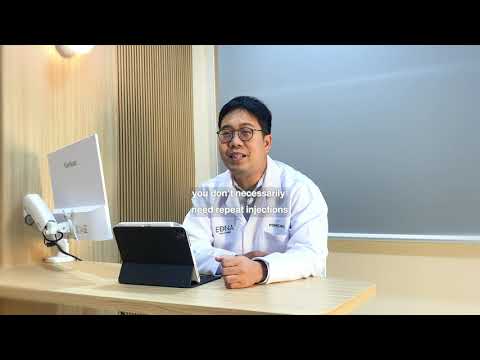
As discussed in the video at , modern medicine is experiencing a monumental paradigm shift away from these destructive modalities. The focus is now heavily turning toward treatments that recruit the body's own innate biological defenses. This is where biological therapies and immune-modulators enter the medical spotlight as a superior, more targeted alternative.
The realization that our own white blood cells can be trained, unmasked, and deployed to destroy malignant tumors has fundamentally changed survival statistics. Patients who previously had very limited prognoses are now seeing extended periods of progression-free survival. This scientific breakthrough has sparked a massive wave of medical tourism for oncology, with patients seeking the most innovative, fast-tracked immune therapies available globally.
Understanding the Complexity of Respiratory Cancers
To fully grasp why these advanced therapies are so vital, one must understand the intricate nature of respiratory system tumors. Not all tumors that develop in the pulmonary system are identical; they mutate and behave in vastly different ways depending on their cellular origin. The two primary classifications that oncologists treat are Non-Small Cell Lung Cancer (NSCLC) and Small Cell Lung Cancer (SCLC).
Non-Small Cell Lung Cancer accounts for the vast majority of diagnoses, representing roughly 80% to 85% of all pulmonary oncology cases. This category includes adenocarcinomas, squamous cell carcinomas, and large cell carcinomas. Because these cells grow and metastasize at a slightly slower rate, they are prime candidates for targeted biological treatments that rely on specific genetic markers.
Conversely, Small Cell Lung Cancer is highly aggressive, rapidly dividing, and tends to spread quickly to other organs before symptoms even manifest. Historically, this made it incredibly difficult to treat with anything other than heavy, systemic chemotherapy. However, recent clinical advancements have shown that pairing chemotherapy with specific immune checkpoint inhibitors can significantly improve the longevity and quality of life for SCLC patients as well.
The Intricate Science Behind Immune-Modulating Therapies
How exactly does this groundbreaking medical intervention work? As highlighted at in the video, immunotherapy does not directly attack the tumor itself. Instead, it acts as a highly sophisticated communication upgrade for your body's T-cells, removing the biochemical blindfolds that tumors use to hide from your immune system.
Malignant cells are incredibly deceptive; they often express a protein called PD-L1 on their surface. When this protein binds to the PD-1 receptor on a passing immune T-cell, it sends an "off" signal, tricking the immune system into thinking the cancer cell is just a normal, healthy part of the body. This deceptive camouflage allows the tumor to grow unchecked and rapidly multiply.
Immune checkpoint inhibitors, which are a cornerstone of modern alternative lung cancer treatments, are engineered to block this specific interaction. By introducing these inhibitors into the bloodstream, the "off" signal is disabled. Suddenly, the patient's T-cells can recognize the malignant cells for the dangerous invaders they are, mounting a highly aggressive and natural biological attack to eradicate the tumor.
Types of Immunological Interventions
Top-tier oncology centers in Mexico do not rely on a single approach. They utilize a diverse arsenal of immunological tools tailored specifically to the genetic profile of the patient's tumor. This level of personalized medicine is crucial for achieving high success rates in late-stage oncological care.
- Monoclonal Antibodies: Laboratory-produced molecules engineered to serve as substitute antibodies that can restore, enhance, or mimic the immune system's attack on cancer cells.
- Adoptive Cell Transfer (ACT): A treatment that attempts to boost the natural ability of your T-cells to fight cancer by extracting them, multiplying the most active ones in a lab, and reintroducing them.
- Dendritic Cell Vaccines: A highly specialized therapy where the patient's own immune cells are exposed to tumor antigens in a laboratory setting before being injected back into the body to provoke a massive immune response.
Tijuana: The Premier Global Medical Tourism Hub for Oncology
Why are thousands of patients from the United States, Canada, and Europe bypassing their local healthcare systems to seek treatment in Baja California? The video addresses this at , showcasing how Tijuana has transformed into a globally recognized epicenter for advanced, integrative oncology. The reasons span across regulatory freedom, immediate access to care, and world-class medical infrastructure.
In the United States and Canada, getting approval for cutting-edge immunological drugs can be a bureaucratic nightmare. Insurance companies often require patients to fail traditional chemotherapy and radiation first—a protocol known as "step therapy"—before they will approve the financial coverage for newer, more expensive biological drugs. For patients with aggressive malignancies, this delay can be fatal.
Clinics operating in Mexico function under different, more progressive regulatory frameworks that prioritize compassionate use and immediate patient access. Medical professionals in Tijuana can administer FDA-approved immune therapies without the prohibitive red tape of insurance authorizations. Furthermore, many of these Mexican medical facilities are founded and staffed by doctors who hold board certifications from prestigious universities in the United States and Europe.
Breaking Down the Financial Toxicity of Cancer Care
One of the most devastating side effects of an oncology diagnosis in the West is what medical professionals refer to as "financial toxicity." As highlighted at , the out-of-pocket costs for stage 4 non-small cell lung cancer alternative therapies or even standard checkpoint inhibitors can easily bankrupt a family. A single infusion of a popular immune drug can cost upwards of $15,000 in a US hospital.
Medical tourism for oncology in Mexico offers a vital financial lifeline. Because the overhead costs for medical facilities, malpractice insurance, and administrative staffing are significantly lower in Mexico, these exact same pharmaceutical drugs can be administered at a fraction of the cost. Patients are receiving identical medications, manufactured by the same global pharmaceutical giants, but at accessible price points.
| Aspect of Oncology Care | Average Cost in US/Canada | Average Cost in Tijuana, Mexico |
|---|---|---|
| Initial Comprehensive Oncology Consultation | $500 - $1,200 | $100 - $250 |
| Single Immunotherapy Infusion (e.g., PD-1 Inhibitor) | $12,000 - $18,000 | $3,500 - $6,500 |
| Advanced PET/CT Imaging Scans | $3,000 - $7,000 | $800 - $1,500 |
| Integrative Supportive Therapies (Monthly) | Rarely Covered / $5,000+ | Included in Holistic Packages |
Integrative Oncology: Blending Allopathic and Holistic Care
What truly sets the best immunotherapy clinics in Mexico apart is their commitment to integrative medicine. Discussed at , these facilities do not view the patient merely as a host for a tumor. They view the patient as a complex, interconnected biological system that needs profound support on multiple levels during intense medical interventions.
While the immune-modulating drugs are doing the heavy lifting of tumor destruction, the holistic protocols are designed to aggressively support the patient's liver, kidneys, and overall vitality. By detoxifying the body and drastically reducing systemic inflammation, the efficacy of the primary medical treatments is actually amplified. This two-pronged approach ensures patients experience fewer side effects and maintain higher energy levels.
Common Supportive Therapies in Baja California
Holistic cancer centers in Tijuana incorporate a wide array of scientifically backed complementary treatments. These therapies are carefully timed and dosed by certified integrative oncologists to work in perfect synergy with mainstream pharmaceuticals.
- High-Dose Intravenous Vitamin C: Administered intravenously, massive doses of ascorbic acid act as a pro-oxidant, creating hydrogen peroxide in the extracellular space which is highly toxic to malignant cells while completely harmless to healthy tissues.
- Hyperbaric Oxygen Therapy (HBOT): By breathing 100% pure oxygen in a pressurized chamber, the body's plasma becomes super-saturated with oxygen. Cancer thrives in hypoxic (low oxygen) environments, so flooding the body with oxygen inhibits tumor growth and accelerates healing.
- Ozone Autohemotherapy: This involves drawing a small amount of the patient's blood, infusing it with medical-grade ozone gas, and returning it to the body. This process stimulates the release of cytokines, further activating the immune system's disease-fighting capabilities.
- Whole Body Hyperthermia: Carefully raising the patient's core body temperature simulates an artificial fever. Malignant cells are highly sensitive to heat and cannot survive in elevated temperatures, causing them to undergo apoptosis (cellular death).
The Step-by-Step Patient Journey in Mexico
The prospect of traveling internationally for serious medical care can initially seem daunting, but the infrastructure in Baja California is designed specifically for international medical tourists. As outlined at , premium clinics offer a highly curated, concierge-level experience that removes the logistical stress from the patient and their family.
The journey typically begins with a remote consultation. Patients submit their medical records, recent blood panels, and imaging scans to the oncology team in Mexico. A multidisciplinary board of doctors reviews the case and designs a customized, preliminary treatment protocol before the patient ever leaves their living room. This ensures that the trip is medically viable and highly organized from day one.
Upon arrival at the San Diego International Airport, patients are greeted by bilingual clinic representatives. A dedicated medical shuttle transports them across the US-Mexico border via expedited medical fast-pass lanes directly to their chosen clinic or luxury recovery hotel. Once admitted, patients undergo fresh, comprehensive diagnostic testing to ensure their protocol is perfectly matched to their current biological state.
Sustaining Remission: Post-Treatment Care and Survivorship
Effective oncology care does not end when the patient boards a plane to go home. The most reputable alternative lung cancer treatment centers in Mexico prioritize long-term survivorship. As discussed at , maintaining the momentum achieved during the intensive in-patient stay is critical for keeping malignant cells at bay permanently.
Patients are typically sent home with a comprehensive home-care protocol. This often includes customized oral supplements, immune-boosting tinctures, strict anti-inflammatory nutritional guidelines, and scheduled virtual follow-ups with their primary Mexican oncologist. This continuum of care ensures that the immune system remains vigilant, active, and fully capable of destroying any microscopic circulating tumor cells that attempt to reform.
Furthermore, clinics maintain open lines of communication with the patient's local general practitioner or oncologist back home. This collaborative, cross-border medical teamwork ensures that follow-up bloodwork and imaging scans are correctly interpreted within the context of the patient's alternative therapies. It creates a robust, global safety net around the patient.
Empowering Your Medical Journey
The landscape of treating advanced respiratory malignancies has fundamentally changed. A diagnosis that was once viewed strictly through the lens of palliative care can now be approached with aggressive, life-extending immunological science. The integration of modern pharmaceutical breakthroughs with holistic biological support has created a new standard of care.
Tijuana stands at the forefront of this medical revolution. By breaking down the financial and bureaucratic barriers to entry, these world-class facilities are democratizing access to the most powerful cancer-fighting tools known to modern science. You do not have to settle for the standard options dictated by insurance companies; you have the power to explore global solutions.
Take Control of Your Oncology Journey Today
PlacidWay Medical Tourism partners with the most advanced, fully accredited holistic cancer centers in Tijuana. Let us help you navigate your options, secure a free medical consultation, and find the integrative immunotherapy protocol that is right for you.
GET A FREE QUOTE & CONSULTATION



.png)














Share this listing