


Revolutionizing Addiction Treatment: The Impact of Ibogaine Therapy for Veterans in Mexico
For thousands of combat veterans returning home, the toughest battles are often fought long after the uniform comes off. Traditional medical systems frequently fall short, leaving many trapped in a relentless cycle of opioid dependency, severe depression, and treatment-resistant post-traumatic stress disorder. Today, a paradigm shift is happening just across the border.
Groundbreaking advancements in psychedelic medicine are offering unprecedented hope. Medically supervised ibogaine therapy for veterans in Mexico is rapidly emerging as a revolutionary intervention. Watch to understand how this powerful plant medicine is actively resetting neural pathways, interrupting profound addiction, and giving our heroes their lives back.
Video Chapters & Quick Navigation
The Escalating Crisis of Veteran Addiction and PTSD
The transition from active military duty to civilian life is fraught with psychological and physical hurdles. Many veterans return home carrying the invisible wounds of war, leading to a staggering rise in post-traumatic stress disorder (PTSD) and traumatic brain injuries (TBI). Unfortunately, the standard medical response often involves prescribing a heavy cocktail of pharmaceutical drugs.
As highlighted in the video at , this reliance on prescription painkillers and selective serotonin reuptake inhibitors (SSRIs) frequently spirals into profound substance abuse disorders. Veterans find themselves trapped in a cycle where the medication prescribed to heal them becomes the very source of their ongoing suffering. The limitations of traditional healthcare infrastructure have left thousands feeling abandoned and hopeless.
This systemic failure has created an urgent demand for alternative addiction treatment for PTSD. When conventional therapy, prolonged exposure techniques, and standard pharmacotherapy fail to provide relief, veterans are forced to look outside the traditional medical establishment. They are seeking holistic addiction recovery for military veterans that addresses the root cause of their trauma rather than merely masking the symptoms with daily pills.
What is Ibogaine Therapy and How Does it Work?
Ibogaine is a naturally occurring psychoactive alkaloid extracted from the root bark of the Tabernanthe iboga shrub, native to West Africa. For centuries, indigenous cultures have utilized this powerful plant in spiritual initiation ceremonies and healing rituals. However, its modern application in addiction medicine is what has captured the attention of researchers and clinicians worldwide.
Unlike traditional maintenance drugs such as methadone or buprenorphine, ibogaine is not a substitution therapy. It does not replace one opioid dependency with another. Instead, as discussed at , ibogaine acts as an profound interrupter of addiction. It deeply targets the central nervous system, effectively eliminating up to 90% of opioid withdrawal symptoms within hours of administration.
This remarkable characteristic makes treating opioid addiction with psychedelics a highly viable and transformative option. By bypassing the agonizing physical withdrawals that typically cause immediate relapse, patients are granted a crucial window of clarity. This physically stable state allows them to engage deeply in the psychological work necessary for long-term addiction solutions for combat veterans.
The Science of Neural Resetting
The therapeutic power of ibogaine lies in its complex pharmacological profile. It interacts simultaneously with multiple neurotransmitter systems, including serotonin, dopamine, and opioid receptors. The substance essentially performs a hard reset on the brain's reward circuitry, which has been hijacked by years of substance abuse and chronic stress.
One of the most vital mechanisms is the stimulation of Glial Cell Line-Derived Neurotrophic Factor (GDNF) and Brain-Derived Neurotrophic Factor (BDNF). These specialized proteins are crucial for neuroplasticity and addiction recovery. They promote the growth and survival of new neurons, allowing the brain to literally rewire itself and heal the neurological damage caused by heavy drug use and traumatic brain injuries.
At , the video explains how this neuroplastic state helps veterans detach from their deeply ingrained trauma loops. The hallucinogenic phase of the treatment often produces a waking dream state where individuals can objectively review their traumatic memories without the overwhelming emotional panic normally associated with PTSD.
Why Veterans Are Turning to Mexico for Alternative Treatment
Due to its classification as a Schedule I substance in the United States, ibogaine remains illegal and largely inaccessible to the American public. This regulatory roadblock has birthed a highly specialized medical tourism industry just south of the border. Psychedelic therapy clinics in Mexico have stepped up to fill the void, offering world-class, medically supervised ibogaine treatment.
Locations like Baja California and Quintana Roo have become international hubs for alternative healing. These destinations offer specialized clinics that are tailored specifically to the needs of former service members. They combine luxury accommodations, rigorous medical oversight, and deep respect for the psychological vulnerability of their patients.
The appeal is not just about legality; it is about the comprehensive quality of care. Many facilities employ multidisciplinary teams consisting of cardiologists, emergency medicine physicians, psychotherapists, and integration coaches. This robust infrastructure ensures that patients receive a standard of care that often surpasses the fragmented addiction treatment systems available in their home countries.
Comparing Traditional Rehab vs. Ibogaine Therapy in Mexico
Understanding the fundamental differences between conventional addiction treatment and psychedelic intervention is vital for veterans seeking a permanent way out. Traditional rehab models primarily rely on the disease model of addiction, utilizing long-term pharmacological maintenance and behavioral therapy. While helpful for some, this model has notoriously high relapse rates, especially for those suffering from co-occurring PTSD.
Ibogaine therapy approaches addiction from a completely different paradigm. It views substance abuse as a symptom of unresolved trauma and profound spiritual disconnection. By addressing the physiological dependency and the psychological trauma simultaneously within a compressed timeframe, ibogaine offers a holistic reset.
| Feature | Traditional MAT (Suboxone/Methadone) | Medical Ibogaine Therapy |
|---|---|---|
| Mechanism | Replaces illicit opioids with longer-acting synthetic opioids. | Resets neural pathways and eliminates withdrawal symptoms. |
| Duration of Care | Months, years, or lifelong dependency. | Single acute treatment (typically 7-14 days in clinic). |
| Trauma Processing | Requires separate, long-term cognitive behavioral therapy. | Induces a profound psycho-spiritual state to process trauma rapidly. |
| Physical Dependency | Maintains physical dependency to avoid withdrawal. | Aims for complete abstinence and zero physical dependency. |
As outlined at , the choice often comes down to managing the disease versus seeking a profound cure. For a veteran tired of feeling numbed by daily pharmaceuticals, the rapid detox and deep psychological insight provided by ibogaine represent an incredibly attractive and logical alternative.
The Comprehensive Healing Process: What to Expect
Traveling to a foreign country for a powerful psychedelic treatment can be intimidating. However, reputable clinics follow strict, internationally recognized safety protocols. The journey begins long before the actual medicine is administered, starting with an exhaustive medical and psychological screening process.
Medical Screening and Safety Protocols
Because ibogaine can temporarily slow the heart rate and prolong the QT interval, comprehensive cardiovascular screening is non-negotiable. Patients must undergo rigorous EKG testing, comprehensive metabolic panels, and liver function tests. Reputable psychedelic therapy clinics in Mexico will refuse treatment to individuals with certain pre-existing heart conditions.
Furthermore, patients are often required to transition off certain contraindicated medications, such as long-acting SSRIs or specific psychiatric drugs, prior to arrival. During the administration phase, patients are continuously monitored via telemetry, with emergency medical equipment and licensed medical professionals immediately at hand. This level of oversight ensures that medically supervised ibogaine treatment is as safe as possible.
The Ibogaine Journey and Integration
The actual ibogaine experience is often described as challenging but profoundly necessary. It is not a recreational experience. Lasting anywhere from 12 to 24 hours, the acute phase involves intense introspection, ataxia (loss of motor control), and deep visionary states. Veterans frequently report confronting their combat experiences, feeling a sense of forgiveness, and experiencing an emotional unblocking.
Once the acute phase subsides, the patient enters a crucial period of neuroplasticity. The brain is highly receptive to new behaviors and thought patterns. This is where integration therapy becomes paramount, helping the individual translate their profound visions into actionable, daily lifestyle changes that support sustained sobriety.
Overcoming Treatment Resistance in Combat Veterans
One of the most frustrating aspects of treating veteran populations is dealing with treatment-resistant depression and anxiety. Standard therapies often require a patient to be vulnerable and emotionally open—traits that military training actively suppresses for survival in combat environments. This hyper-vigilance makes traditional talk therapy incredibly difficult to execute effectively.
Ibogaine circumvents these established defense mechanisms. As noted at , the medicine breaks down the rigid ego structures that keep a traumatized individual locked in isolation. It forces a deeply somatic and emotional release that the veteran cannot consciously suppress, clearing out decades of internalized grief and survivor's guilt.
This biological and psychological intervention allows veterans to finally process emotions they have buried since their deployment. By overcoming treatment-resistant depression at a chemical level, these individuals are finally able to reconnect with their families, find renewed purpose, and re-enter society as whole, functioning adults.
Legal Status and The Future of Psychedelic Therapy
The landscape of mental health treatment is undergoing a massive cultural and scientific shift. While ibogaine currently requires international travel for American veterans, the overwhelming success stories are beginning to influence public policy and clinical research. Organizations dedicated to veteran advocacy are actively funding observational studies to quantify the efficacy of these treatments.
The cost of Ibogaine treatment abroad remains an out-of-pocket expense, typically ranging from $5,000 to $10,000 depending on the length of stay and the clinical setting. However, when weighed against the lifelong financial and emotional toll of chronic addiction, recurrent rehab visits, and lost earning potential, many families consider it a vital, life-saving investment.
As researchers continue to explore neuroplasticity and addiction recovery, the stigma surrounding psychedelic medicine is rapidly eroding. The courage of the veterans who have traveled to Mexico, faced their darkest traumas, and returned healed is paving the way for a new era of compassionate, effective addiction medicine. Their stories prove that severe trauma does not have to be a life sentence.
Ready to Reclaim Your Life and Overcome Addiction?
PlacidWay Medical Tourism connects veterans and individuals with world-class, medically supervised psychedelic therapy clinics in Mexico. Discover safe, transformative care designed to treat the root causes of addiction and trauma.
GET A FREE QUOTE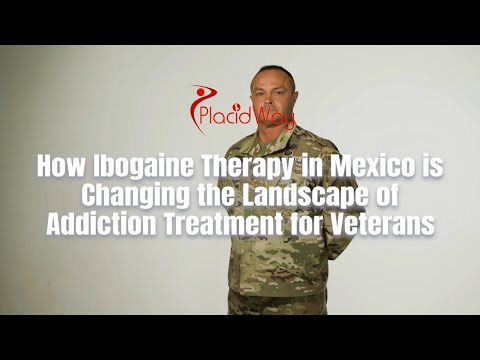












Share this listing