


A Journey to Recovery from Addiction with Ibogaine Treatment in Playa Del Carmen, Mexico
Battling substance dependency often feels like an endless, exhausting cycle of temporary sobriety followed by painful relapses. Traditional therapeutic methods do not work for everyone, leaving many individuals and their families desperately searching for a breakthrough. Today, a powerful alternative is offering profound hope: Ibogaine treatment in Playa Del Carmen, Mexico.
This highly advanced holistic approach utilizes naturally occurring psychoactive alkaloids to seamlessly interrupt severe withdrawal symptoms and deeply reset the brain's compromised addiction pathways. Watch the video to discover how strict medical protocols combined with ancient plant medicine in a serene Caribbean setting are providing patients with a definitive journey to recovery from addiction.
Video Chapters & Quick Navigation
The Exhausting Cycle of Substance Dependency and Traditional Rehab Limits
For millions of people worldwide, the harrowing battle against substance dependency is a relentless daily struggle. Conventional rehabilitation methods, such as twelve-step programs, group therapy, and long-term residential stays, have undoubtedly helped many individuals achieve sobriety. However, these traditional models consistently report alarmingly high relapse rates, often leaving families feeling completely defeated and financially drained.
The core issue with standard addiction treatment is that it frequently fails to address the brutal physiological realities of acute chemical withdrawal. When a person dependent on opioids, cocaine, or severe alcohol abuse attempts to stop, their brain plunges into a state of agonizing biochemical chaos. As highlighted at in the video, this intense physical pain drives the vast majority of patients back to substance use before psychological healing can even begin.
Furthermore, addiction is rarely just a physical ailment; it is deeply intertwined with unresolved psychological trauma, PTSD, and severe depression. Traditional talk therapy can take years to uncover these root causes, requiring immense patience that a person in active addiction simply does not have. This critical gap in conventional care has led medical professionals and patients alike to seek out highly effective, alternative addiction therapies that can treat both the mind and the body simultaneously.
What is Ibogaine? The Science Behind the Sacred Plant Medicine
To truly understand this breakthrough in recovery, we must look at the remarkable pharmacology of Ibogaine. Ibogaine is a naturally occurring psychoactive alkaloid extracted from the root bark of the Tabernanthe iboga shrub, a plant native to the dense rainforests of Central West Africa. For centuries, the indigenous Bwiti people of Gabon have utilized this sacred plant medicine in highly structured spiritual initiation rites and profound healing ceremonies.
Interrupting Severe Opiate and Alcohol Withdrawal
The modern medical application of Ibogaine centers around its unprecedented ability to drastically reduce or entirely eliminate chemical withdrawal symptoms. When a clinical flood dose of Ibogaine is administered, the substance metabolizes in the liver into noribogaine. This powerful metabolite binds to multiple receptor sites in the brain simultaneously, including serotonin, dopamine, and sigma receptors.
Unlike substitution therapies such as methadone or suboxone, which merely replace one opioid with another, Ibogaine actually resets the brain's addiction pathways to a pre-addicted state. Patients routinely report waking up from their treatment session completely free from the excruciating physical cravings that normally accompany heroin, fentanyl, or heavy alcohol cessation.
Promoting Rapid Neuroplasticity
Beyond alleviating acute withdrawal, Ibogaine acts as a profound catalyst for neurological regeneration. Clinical studies have shown that the alkaloid stimulates the release of Glial cell line-derived neurotrophic factor (GDNF). This specific protein promotes the survival and rapid regeneration of neurons within the brain.
By creating a hyper-plastic state in the brain, patients are granted a unique, extended window of opportunity to reshape their behavioral habits. As explained in the documentary at , this neuroplasticity allows individuals to finally process deep-seated emotional trauma without the heavy, numbing weight of active substance abuse holding them back.
Why Choose Playa Del Carmen, Mexico for Ibogaine Treatment?
Because Ibogaine possesses powerful psychoactive properties, it remains classified as a Schedule I substance in the United States, severely limiting domestic clinical research and patient access. Consequently, medical tourism for addiction treatment has seen a massive surge, with Mexico emerging as the global epicenter for safe, legal, and highly regulated Ibogaine therapy.
A Highly Regulated Medical Tourism Destination
Playa Del Carmen is not just a renowned vacation hotspot; it is a sophisticated hub for cutting-edge alternative medical treatments. The premier Ibogaine clinics located in this region operate under strict Mexican health regulations, employing board-certified physicians, expert cardiologists, and specialized emergency response nurses.
Patients traveling from the United States, Canada, and Europe find incredible peace of mind knowing they are receiving hospital-grade medical care in a legal and deeply supportive environment. The accessibility of Playa Del Carmen, located just a short drive from the major international airport in Cancun, makes travel logistics highly manageable even for those in distress.
Healing in a Serene Caribbean Environment
Environment plays a crucial, often underestimated role in the initial stages of addiction recovery. Removing a patient from the stressful, trigger-filled environment of their hometown is essential for a successful reset. Playa Del Carmen offers an idyllic, restorative backdrop that actively promotes psychological tranquility.
The warm tropical climate, the soothing sounds of the Caribbean Sea, and the lush natural surroundings help to significantly lower cortisol levels and ease the severe anxiety associated with early recovery. This peaceful isolation ensures that the patient's entire focus remains entirely on their internal healing journey.
The Ibogaine Treatment Process: What to Expect During Your Journey
The concept of traveling to another country for psychedelic therapy for substance abuse can initially seem deeply intimidating. However, top-tier clinics in Playa Del Carmen adhere to highly structured, rigorously tested clinical protocols to ensure maximum safety and efficacy. The journey is carefully broken down into several distinct phases.
Phase 1: Pre-Treatment Screening and Detoxification
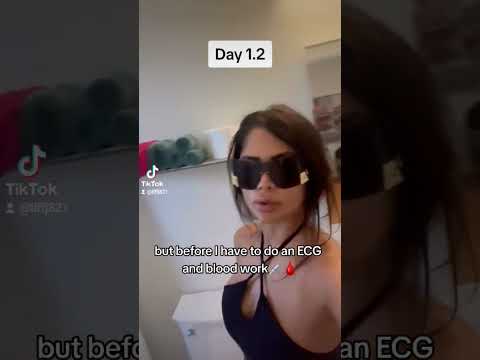
Long before any plant medicine is administered, patients must undergo a comprehensive and exhaustive medical evaluation. This includes detailed blood chemistry panels, liver function tests, and, most importantly, rigorous electrocardiogram (EKG) testing to evaluate cardiovascular health.
Depending on the specific substance of abuse, patients may require a brief period of clinical stabilization or short-acting opiate transition prior to their treatment. This ensures that their body is entirely prepared to metabolize the alkaloid safely without experiencing adverse drug-to-drug interactions.
Phase 2: The Flood Dose and Visionary Phase
Once medically cleared, the patient is administered their precise, weight-calculated "flood dose" of Ibogaine under constant medical supervision. Within an hour, as noted around in the patient documentary, the visionary phase begins. This intensely introspective state typically lasts between 6 to 12 hours.
During this period, patients often experience a rapid, dream-like review of their past memories, childhood traumas, and the root emotional causes of their addictive behaviors. It is frequently described as witnessing a non-judgmental movie of one's own life, allowing the individual to process immense guilt and shame from an objective, detached perspective.
Phase 3: The Processing and Gray Day
Following the intense visionary phase, patients enter what is clinically referred to as the processing phase, or the "Gray Day." During this crucial 24-hour window, the mind remains in a deeply reflective, sometimes physically exhausted state as the brain's neurotransmitters rapidly recalibrate.
The nursing staff provides essential hydration, vital nutrients, and emotional support as the patient rests. It is during this quiet, introspective period that individuals fully realize their withdrawal symptoms have miraculously vanished, replacing chemical dependency with a profound sense of inner clarity.
Medical Safety and Protocols in Mexican Ibogaine Clinics
It is vital to state clearly that Ibogaine is a powerful medical intervention that demands immense respect and stringent clinical oversight. Administering this alkaloid without proper medical supervision is incredibly dangerous, primarily due to its significant impact on the cardiovascular system.
Reputable holistic addiction recovery centers in Playa Del Carmen never compromise on safety. These facilities employ ACLS (Advanced Cardiovascular Life Support) certified doctors who maintain a constant presence in the patient’s room during the entire duration of the active treatment phase. Continuous cardiac monitoring machinery tracks the patient's heart rate, oxygen saturation, and blood pressure in real-time.
Ibogaine has the potential to prolong the QT interval in the heart's electrical cycle, which can lead to severe arrhythmias if not properly managed. By utilizing continuous telemetry and having emergency intervention equipment instantly accessible, these premier Mexican clinics eliminate these risks, ensuring that the physical safety of the patient is never in jeopardy.
Comparing Traditional Rehab vs. Holistic Ibogaine Therapy
When families are evaluating their options, understanding the stark differences between a conventional 30-day inpatient program and a 7-day medical Ibogaine retreat is essential. The table below outlines the primary functional differences between these two distinct approaches to addiction recovery.
| Treatment Feature | Traditional 30-Day Rehab | Medical Ibogaine Therapy |
|---|---|---|
| Withdrawal Management | Uses taper drugs (Suboxone/Methadone); long, painful process. | Interrupts 90-100% of acute withdrawal symptoms in 24 hours. |
| Duration of Acute Care | 30 to 90 days minimum residential stay required. | 7 to 10 days of intense clinical inpatient care. |
| Psychological Approach | Talk therapy, CBT, 12-step group meetings. | Deep visionary phase to rapidly process root-cause trauma. |
| Neurological Impact | Brain relies on slow, natural healing over many months. | Stimulates GDNF, creating immediate neuroplasticity. |
Psychological Integration: Life After the Ibogaine Flood Dose
It is a common misconception that plant-based addiction recovery is a magic bullet that instantly cures an individual without any further effort. While Ibogaine performs the heavy lifting by eradicating the physical dependency and offering profound psychological insights, the work of long-term recovery begins immediately after the treatment ends.
This critical post-treatment phase is known as "integration." Because the brain is in a heightened state of neuroplasticity for approximately 60 to 90 days following the flood dose, patients must actively build new, healthy habits during this window. Premier clinics in Playa Del Carmen provide extensive post-care planning and connect patients with specialized integration coaches.
Patients are highly encouraged to engage in ongoing somatic therapy, mindfulness practices, and intensive lifestyle changes. As mentioned at in the video testimony, returning home requires cutting ties with old toxic environments and utilizing the mental clarity provided by the medicine to forge a brand-new path forward in life.
Exploring the Costs: Making Affordable Addiction Treatment a Reality
The financial devastation caused by severe addiction is matched only by the exorbitant costs of traditional treatment centers in the United States. A standard 30-day inpatient rehab facility in North America can easily cost between $25,000 and $50,000, often with no guarantee of long-term success.
In stark contrast, traveling for affordable addiction treatment in Mexico provides immense value. A highly comprehensive, medically supervised 7-to-10 day Ibogaine retreat in Playa Del Carmen typically ranges from $6,000 to $10,000. This highly inclusive cost generally covers all pre-treatment medical testing, luxury private accommodations, specialized organic meals, integration therapy sessions, and 24/7 medical supervision.
For families who have already exhausted their savings on multiple failed rehab stints, this represents a highly targeted, cost-effective investment in a solution that addresses the actual neurological root of the problem. Companies like PlacidWay help facilitate this process, ensuring transparency and connecting patients with fully vetted, globally accredited facilities.
Addressing Common Fears and Misconceptions About Psychedelic Therapy
Because psychedelic therapy for substance abuse is still an emerging concept in mainstream Western medicine, numerous myths and fears surround the practice. The most common question asked by anxious family members is whether the treatment is simply trading one addiction for another.
The clinical science provides a definitive answer: Ibogaine is completely non-addictive. In fact, its mechanism of action fundamentally acts as an anti-addiction agent. Patients do not experience a desire to consume more of the plant medicine after their initial flood dose; rather, they feel a profound sense of mental completion and physical exhaustion.
Another prevalent fear is the intensity of the "hallucinations." Medical professionals clarify that the state induced by the alkaloid is highly visionary and oneirogenic (dream-generating), rather than a loss of touch with reality. Patients remain entirely aware of their surroundings and know they are lying in a clinical bed, even as they journey deeply inward to confront their subconscious traumas.
Preparing Physically and Mentally for Your Healing Retreat
Success with alternative addiction therapies relies heavily on rigorous physical and mental preparation prior to boarding a flight to Mexico. Reputable clinics will assign a dedicated medical intake coordinator to guide patients through a strict preparatory protocol weeks before their arrival.
Physically, patients taking long-acting substitution medications, such as methadone or buprenorphine, must typically transition to short-acting opiates under medical guidance. This ensures the synthetic blockers do not interfere with the plant medicine's ability to reset the brain's receptors. Dietary adjustments, hydration protocols, and essential electrolyte loading are also strictly enforced.
Mentally, setting a clear, profound intention is vital for navigating the challenging visionary phase of the treatment. Patients are encouraged to spend time journaling, meditating, and mentally preparing to face the difficult emotions they have been avoiding through substance abuse. By arriving in Playa Del Carmen with an open heart and a deep willingness to heal, individuals set the ultimate stage for a successful, lifelong recovery.
Ready to Begin Your Journey to True Recovery?
PlacidWay Medical Tourism connects you with the highest-rated, medically supervised Ibogaine clinics in Playa Del Carmen, Mexico. Take the first crucial step toward resetting your brain and reclaiming your life today.
GET A FREE QUOTE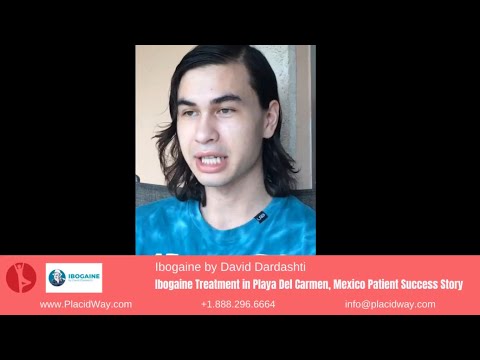






.png)
.png)
.png)








Share this listing