


Rajani Kakhandi's Journey: Stem Cell Therapy for Dementia by StemRX in Mumbai, India
When cognitive decline begins, families often feel helpless against the progressive nature of memory loss. However, Rajani Kakhandi's Journey with Stem Cell Therapy for Dementia by StemRX in Mumbai, India, illuminates a groundbreaking path forward. For decades, traditional medicine has only managed symptoms, leaving patients battling severe cognitive impairment without addressing the root cause. Today, regenerative medicine offers unprecedented possibilities for cellular repair and neuroregeneration. Discover how advanced cellular protocols at StemRX are fundamentally changing the landscape of neurological care, offering renewed hope, improved cognitive function, and enhanced quality of life for global patients seeking medical tourism solutions.
Video Chapters & Quick Navigation
Understanding Dementia and the Limitations of Conventional Treatments
Dementia is not a single disease but rather an umbrella term describing a wide range of neurodegenerative conditions characterized by a severe decline in memory, language, problem-solving, and other cognitive skills. This progressive loss of neurological function profoundly impacts a patient's ability to perform everyday activities. The underlying pathophysiology usually involves the accumulation of abnormal proteins in the brain, such as amyloid-beta plaques and tau tangles, which disrupt cellular communication and eventually lead to widespread neuronal death.
For decades, families have relied heavily on standard pharmacological interventions to manage these agonizing symptoms. Medications such as cholinesterase inhibitors or memantine are frequently prescribed to temporarily improve symptoms related to memory and thinking. However, these traditional therapies represent a palliative approach rather than a curative one. They do not halt the underlying neurodegeneration, nor do they repair the damaged brain tissue. As the disease relentlessly progresses, these medications often lose their efficacy, leaving patients and their families desperately searching for more effective, disease-modifying interventions.
The global medical community is now recognizing the critical need for advanced treatments that go beyond mere symptom management. This urgent demand for innovative solutions has accelerated research into regenerative medicine and cellular therapies. By targeting the microscopic environment of the brain, regenerative treatments aim to alter the actual trajectory of the disease, providing a beacon of hope for patients facing advanced cognitive decline.
Rajani Kakhandi’s Battle: The Search for Alternative Neurological Treatments
Like millions of individuals worldwide, Rajani Kakhandi's journey with dementia began with subtle, easily dismissed signs. At in the documentary, her family describes the initial phases of her cognitive decline. Occasional forgetfulness gradually escalated into pronounced confusion, spatial disorientation, and an inability to recognize familiar surroundings. The emotional toll on Rajani and her devoted family was immeasurable, as the vibrant matriarch they knew slowly began to fade behind the heavy veil of dementia.
As conventional treatments provided diminishing returns, Rajani's family refused to accept a prognosis defined solely by gradual deterioration. They embarked on an exhaustive search for alternative neurological treatments for memory loss. Their extensive research into cutting-edge medical advancements eventually led them across international borders to the promising field of regenerative medicine. They discovered that while Western clinics were often restricted by slow regulatory approvals for experimental therapies, highly accredited medical institutions in Asia were successfully implementing advanced cellular protocols safely and legally.
This quest for a viable solution brought them to StemRX Hospital and Research Centre in Mumbai, India. The decision to pursue medical tourism for neurological treatment is never taken lightly, but the potential for tangible cognitive preservation made the journey a necessary step. Rajani's case exemplifies the profound dedication of caregivers who are willing to navigate global healthcare systems to secure the most advanced, life-enhancing treatments available for their loved ones.
Breaking Boundaries: The Science of Stem Cell Therapy for Dementia
To truly appreciate the magnitude of Rajani's treatment, one must understand the fascinating biology behind stem cell therapy for neurodegenerative diseases. Unlike highly differentiated cells, such as neurons or muscle cells, stem cells are undifferentiated master cells. They possess the unique ability to self-renew and differentiate into multiple specialized cell types. In the context of dementia treatment, Mesenchymal Stem Cells (MSCs) are the primary biological agents utilized due to their potent regenerative properties and exceptional safety profile.
The Paracrine Effect and Neurotrophic Support
The therapeutic mechanism of MSCs does not rely solely on the cells physically transforming into new neurons. Instead, their most profound impact is generated through what is known as the "paracrine effect." As discussed at in the video, once introduced into the body, MSCs secrete a rich mixture of cytokines, chemokines, and powerful growth factors. These include Brain-Derived Neurotrophic Factor (BDNF) and Nerve Growth Factor (NGF). These secreted proteins actively stimulate the brain's innate repair mechanisms, encouraging existing neurons to survive, form new synaptic connections, and function more efficiently.
Immunomodulation and Reducing Neuroinflammation
Chronic neuroinflammation is a hallmark driver of Alzheimer's disease and other forms of dementia. The brain's immune cells, known as microglia, often become hyperactive and secrete toxic inflammatory mediators that accelerate neuronal death. Mesenchymal stem cells possess remarkable immunomodulatory capabilities. They actively migrate to sites of tissue injury and inflammation. Once there, they calm the hyperactive immune response, transforming the neurotoxic environment into a neuroprotective one. By significantly reducing brain inflammation, stem cell therapy helps to halt the rapid progression of cognitive decline.
Angiogenesis and Improved Cerebral Blood Flow
Another critical factor in dementia is compromised cerebral circulation. A healthy brain requires a massive and constant supply of oxygen and nutrients to function optimally. Stem cells promote angiogenesis, which is the biological process of forming new blood vessels from pre-existing ones. By improving the microvascular network within the brain, cellular therapy enhances the delivery of vital oxygen and metabolic fuels to starved brain regions, facilitating cognitive rehabilitation and improved mental clarity.
The StemRX Approach: World-Class Care in Mumbai, India
Located in the bustling medical hub of Mumbai, StemRX Hospital and Research Centre has established itself as a global leader in regenerative medicine. Founded and directed by renowned regenerative medicine expert Dr. Pradeep Mahajan, the institution bridges the gap between advanced biotechnological research and practical, patient-centric clinical applications. StemRX is not merely a clinic; it is a comprehensive research facility equipped with state-of-the-art, cGMP-certified cellular laboratories.
At , the documentary highlights the rigorous scientific protocols employed at StemRX. Every patient undergoes a highly customized treatment plan. The medical team understands that dementia manifests differently in every individual, necessitating a personalized approach rather than a one-size-fits-all methodology. By integrating conventional neurological assessments with advanced cellular interventions, StemRX maximizes the therapeutic potential for each patient.
The facility adheres to stringent international guidelines for cellular processing and administration. The stem cells are processed in highly sterile, controlled environments to ensure maximum viability and absolute safety. This unwavering commitment to scientific excellence and patient safety has attracted a massive influx of international patients, firmly positioning StemRX and Mumbai as top-tier destinations for regenerative medical tourism.
Clinical Protocols: The Patient Journey at StemRX
For international patients and their caregivers, understanding the step-by-step clinical protocol is essential for alleviating travel anxiety. The treatment journey at StemRX is highly structured, ensuring that patients receive comprehensive care from the moment they land in India until their post-treatment follow-up.
Phase 1: Comprehensive Neurological Evaluation
Before any cellular therapy is administered, patients undergo an exhaustive diagnostic workup. This includes advanced neuroimaging such as functional MRI or PET scans to accurately map the areas of the brain experiencing severe atrophy or metabolic decline. Additionally, rigorous cognitive assessments, such as the Mini-Mental State Examination (MMSE), are conducted to establish a baseline. This baseline is crucial for accurately measuring the patient's progress post-treatment.
Phase 2: Cell Harvesting and Laboratory Processing
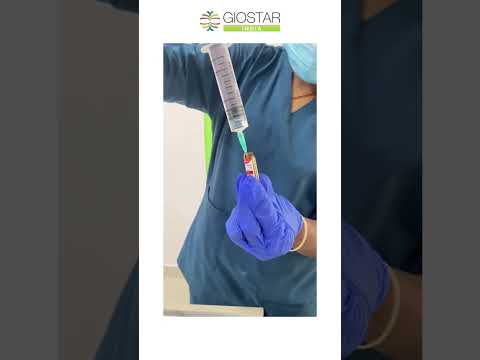
Depending on the specific customized protocol, stem cells may be sourced autologously (from the patient's own bone marrow or adipose tissue) or allogeneically (from highly screened, ethically sourced Wharton's Jelly derived from umbilical cords). The extracted cells are immediately transferred to the cGMP laboratory. Here, clinical embryologists and cell biologists isolate, purify, and optionally expand the specific mesenchymal stem cell populations. Quality control checks are rigorously performed to ensure high cell count and optimal viability.
Phase 3: Targeted Administration
The delivery mechanism is vital for neurological conditions because the blood-brain barrier naturally blocks many substances from entering the central nervous system. At StemRX, specialized specialists utilize an intrathecal injection method. By administering the purified stem cells directly into the cerebrospinal fluid through the spinal canal, the cells can effectively bypass the blood-brain barrier. This ensures a high concentration of regenerative cells reaches the central nervous system, maximizing the neuroprotective and anti-inflammatory effects.
Global Cost Comparison: Accessing Affordable Regenerative Medicine
One of the primary driving forces behind the surge in medical tourism to India is the prohibitive cost of advanced medical treatments in Western countries. In the United States and Europe, if experimental regenerative therapies for dementia are even accessible, they are often financially out of reach for the average family, frequently not covered by standard health insurance policies.
India offers an incredibly compelling economic advantage without compromising on the quality of medical care. The lower cost of living, favorable exchange rates, and government support for biotechnology initiatives allow premier hospitals to offer these cutting-edge therapies at a fraction of Western prices. This democratization of advanced healthcare is a game-changer for international patients.
| Treatment Destination | Average Estimated Cost (USD) | Accessibility & Wait Times |
|---|---|---|
| United States | $15,000 - $35,000+ | Highly restricted, strictly clinical trials, long waitlists. |
| United Kingdom / Europe | $12,000 - $25,000+ | Limited availability, stringent regulatory hurdles. |
| Mumbai, India (StemRX) | $6,000 - $12,000 | Immediate access, comprehensive packages, advanced protocols. |
As demonstrated in the table, patients traveling to India can save upwards of 50% to 70% on their medical expenses. Furthermore, medical tourism facilitators like PlacidWay often bundle these treatments into comprehensive packages that include VIP airport transfers, luxury accommodations, translation services, and post-treatment rehabilitative care, ensuring a stress-free and financially viable experience.
Mumbai: A Premier Hub for Medical Tourism
As noted at , traveling halfway across the globe for a medical procedure requires immense trust in the destination. Mumbai is not only India's financial capital but also its medical powerhouse. The city boasts a vast infrastructure of internationally accredited hospitals, English-speaking medical professionals, and highly trained support staff accustomed to catering to international patient demographics.
The cultural warmth and legendary hospitality of the Indian people play a significant role in the healing process. Medical tourism in India is designed to remove the clinical coldness often associated with Western hospitals. Patients and their families are treated with deep respect and compassion. The vibrant culture, rich history, and world-class culinary scene provide a comforting and engaging backdrop for recovery. Furthermore, the Indian government has streamlined the process for international patients by introducing the specialized Medical Visa (e-Medical Visa), making legal entry for healthcare purposes faster and more efficient than ever before.
The Critical Role of Caregivers in the Regenerative Journey
While the biological heavy lifting is performed by the stem cells, the ultimate success of the therapy relies heavily on the post-treatment environment. Stem cells enhance the brain's neuroplasticity—its ability to rewire and form new connections. However, for this plasticity to translate into tangible cognitive improvement, the brain must be actively stimulated.
Caregivers play an indispensable role during this critical window. At StemRX, the medical team educates families on holistic neuro-rehabilitation techniques. This includes implementing structured daily routines, engaging the patient in cognitive puzzles, memory games, and music therapy. Furthermore, a highly specific neuro-supportive diet rich in Omega-3 fatty acids, antioxidants, and vital neuro-nutrients is prescribed to fuel the brain's newly active cellular repair mechanisms. The synergy between advanced cellular intervention and dedicated caregiver support is the ultimate catalyst for reversing the harsh impacts of dementia.
Evaluating the Results: Rajani's Milestone Improvements
The most compelling aspect of Rajani Kakhandi's story is the observable clinical outcome. As highlighted at , the weeks following the stem cell infusion marked a profound turning point. While regenerative medicine is not a magic wand that cures dementia overnight, the improvements in Rajani's quality of life were undeniable. Her family reported significant milestones: a notable reduction in daily confusion episodes, stabilized sleep patterns, and a return of her previously lost verbal fluency.
Most importantly, the relentless progression of her cognitive decline was halted. Rajani regained a level of alertness and emotional engagement that her family feared was lost forever. These results echo the growing body of clinical evidence suggesting that personalized stem cell therapy can effectively manage neurodegenerative diseases, restoring dignity and extending the meaningful years patients can spend with their loved ones. Her journey stands as a powerful testament to the efficacy of the StemRX protocols and the life-changing potential of global medical tourism.
Explore Stem Cell Therapy for Dementia in India
Don't let geographical boundaries limit your access to life-changing regenerative medicine. PlacidWay connects international patients with top-tier, accredited stem cell clinics like StemRX in Mumbai. Take the first step toward comprehensive cognitive care and a brighter future for your loved ones today.
GET A FREE CONSULTATION & QUOTE




-Package-in-India-by-Dr.-Pravin-Patel.jpg)













Share this listing