


Transforming Mobility: Stem Cell Therapy for Shoulder Pain at Vega Clinic in Bangkok
Chronic shoulder pain can halt your life, making simple, everyday tasks feel nearly impossible. For years, patients suffering from severe rotator cuff tears, osteoarthritis, and labral injuries have faced a harsh and limited set of choices: endure invasive orthopedic surgery with grueling rehabilitation, or rely on temporary cortisone injections that merely mask the underlying mechanical issue.
Today, a groundbreaking alternative exists that changes the entire paradigm of healing. Exploring stem cell therapy for shoulder in Bangkok Thailand offers patients a non-surgical path to true, lasting tissue regeneration. At the absolute forefront of this medical revolution is the highly esteemed Vega Clinic. Watch this compelling patient journey to discover how advanced regenerative medicine in Southeast Asia is restoring mobility, eliminating chronic pain, and fundamentally transforming lives.
Video Chapters & Quick Navigation
The global landscape of orthopedic care is undergoing a massive shift toward biological healing and minimally invasive protocols. Patients are no longer willing to accept the high risks, extensive downtime, and variable success rates associated with traditional joint surgeries.
Instead, a growing demographic of active individuals, athletes, and aging populations are looking abroad for innovative solutions. Specifically, the search for affordable regenerative medicine for shoulder injuries has positioned Southeast Asia as a primary destination for elite, cutting-edge medical care.
The Crippling Reality of Chronic Shoulder Pain
The human shoulder is a marvel of biomechanical engineering, offering the greatest range of motion of any joint in the human body. However, this incredible flexibility comes at a significant cost: instability and profound vulnerability to injury.
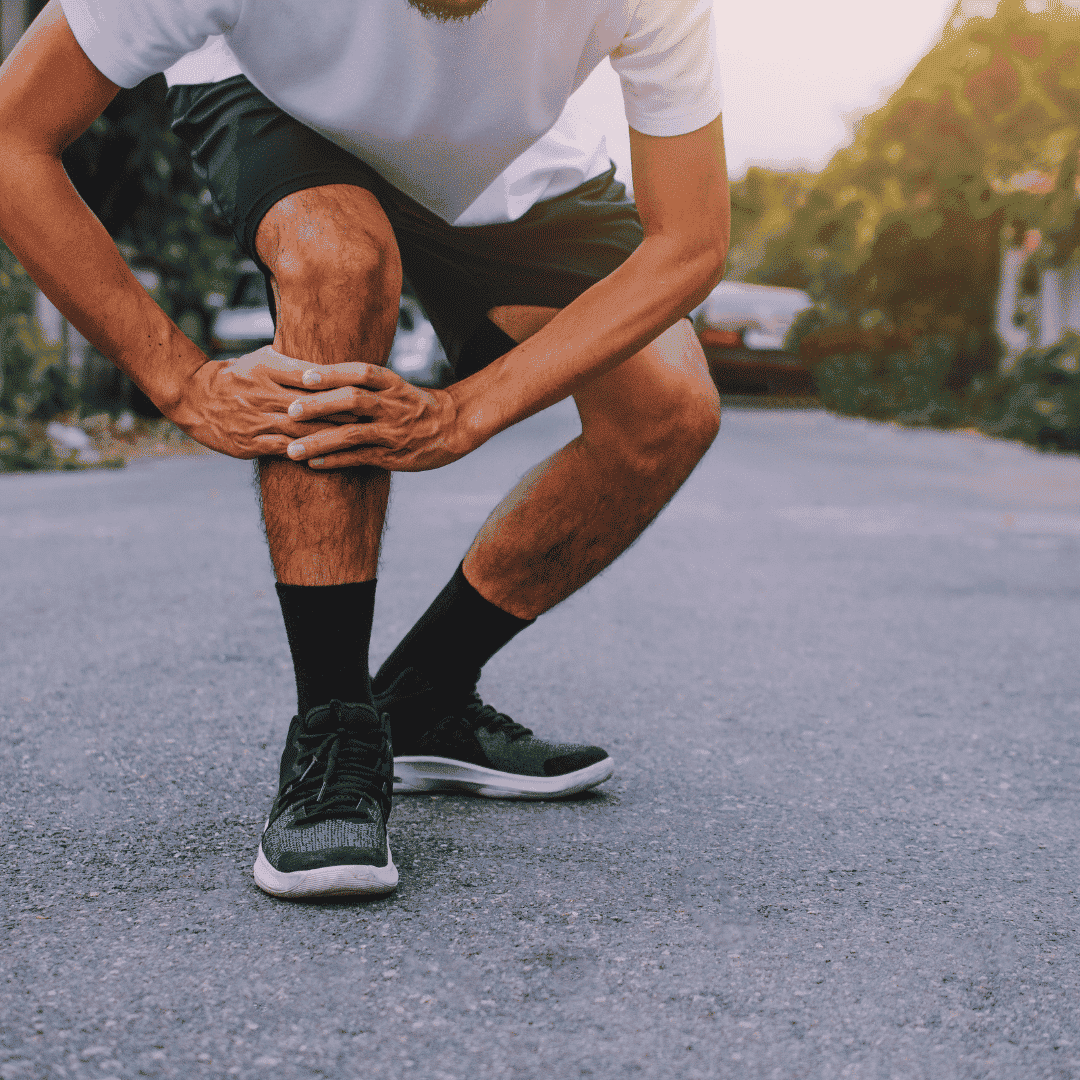
When the complex network of muscles, tendons, and ligaments known as the rotator cuff sustains damage, the resulting pain can be debilitating. Traditional medical pathways often fail to address the root cause of this structural degradation. Doctors frequently prescribe non-steroidal anti-inflammatory drugs (NSAIDs) or administer corticosteroid injections.
The Pitfalls of Traditional Orthopedic Treatments
While steroids may provide temporary relief, clinical studies have repeatedly demonstrated that multiple cortisone injections can actually accelerate cartilage breakdown. They weaken the tendon structures over time, making the joint more susceptible to future, more severe tears.
When conservative treatments fail, surgical intervention—such as arthroscopic repair—is usually the next recommended step. However, shoulder surgery requires general anesthesia, inherently carries the risk of infection, and demands a rigorous rehabilitation period that can last upwards of six to nine months.
Why Choose Bangkok for Regenerative Medicine?
As the frustrations with traditional orthopedic models mount, medical tourism in Bangkok for sports injuries has experienced exponential growth. Thailand has strategically positioned itself as a global healthcare hub over the last two decades.
The country boasts numerous Joint Commission International (JCI) accredited hospitals and specialized clinics. These facilities operate under strict international safety standards, utilizing technology that often outpaces what is readily available in standard Western clinics.
A Hub for Global Medical Excellence
Bangkok's rise as a medical sanctuary is not solely based on affordability, though the cost savings are substantial. The true draw is the unparalleled access to progressive therapies like orthobiologics. Highly trained specialists, many of whom have completed fellowships in the United States, Europe, or Japan, bring global expertise back to Thailand.
Furthermore, the regulatory environment in Thailand allows for the safe, ethical, and advanced cultivation of stem cells. This provides patients with access to therapies that might be bogged down by bureaucratic red tape in their home countries.
Inside Vega Clinic: Pioneering Stem Cell Therapy in Thailand
When discussing top regenerative medicine clinics in Southeast Asia, Vega Clinic consistently ranks at the very top of patient reviews and medical benchmarks. Located in the bustling, cosmopolitan heart of Bangkok, Vega Clinic represents the pinnacle of modern wellness and biological repair.
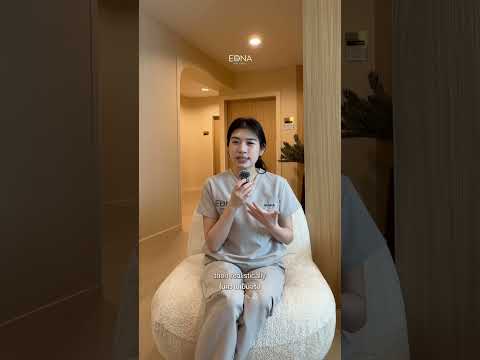
As seen at in the video, the clinic does not feel like a sterile, intimidating hospital. Instead, it offers a calming, luxurious environment designed specifically to reduce patient anxiety and promote a holistic sense of healing.
State-of-the-Art Laboratory Facilities
What truly sets Vega Clinic apart is its state-of-the-art, in-house laboratory capabilities. Stem cell therapy is a highly sensitive process; the viability and count of the cells dictate the success of the treatment.
By processing biological materials within their own meticulously controlled environment, Vega Clinic ensures maximum cell yield and vitality. They adhere strictly to international bio-safety protocols, guaranteeing that every injection is both safe and optimized for tissue regeneration.
The Science Behind Stem Cell Therapy for Shoulder Injuries
To truly appreciate the value of this journey, one must understand the biological mechanisms at play. Stem cell treatment for rotator cuff tear in Bangkok relies primarily on Mesenchymal Stem Cells (MSCs). These are multipotent adult stem cells found in bone marrow, adipose (fat) tissue, and umbilical cord tissue.
MSCs are essentially the body's master repairmen. When introduced into a damaged shoulder joint, they perform several miraculous biological functions simultaneously.
The Three Pillars of Cellular Healing
- Potent Anti-Inflammation: MSCs release cytokines and growth factors that immediately halt the chronic inflammatory cascade causing the patient's pain.
- Immunomodulation: They calm an overactive immune response within the joint capsule, preventing further degradation of the shoulder's delicate cartilage.
- Tissue Regeneration: Through paracrine signaling, stem cells stimulate the body's own native cells to begin repairing damaged tendon fibers and regenerating lost cartilage.
Unlike surgery, which simply sews torn tissue back together, stem cell therapy actually improves the biological quality of the tissue. It encourages the formation of healthy Type I collagen, rather than the weaker scar tissue that typically forms after a surgical repair.
A Patient's Journey: From Consultation to Recovery
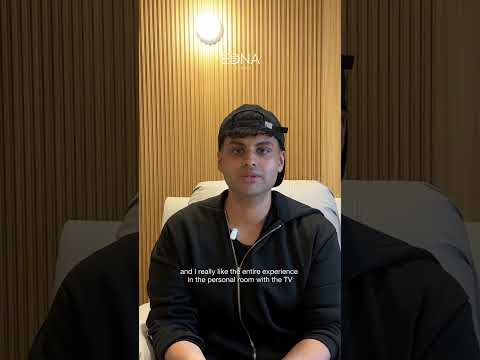
The patient featured in this journey perfectly encapsulates the typical experience of someone seeking non-surgical shoulder pain relief abroad. Arriving in Bangkok, the process is streamlined, deeply personalized, and highly efficient.
As highlighted around , the journey begins with an exhaustive medical consultation. The orthopedic specialists at Vega Clinic do not rush this process. They meticulously review the patient's MRI scans, assess their current range of motion, and discuss their specific lifestyle goals.
The Minimally Invasive Procedure
The actual administration of the stem cells is a remarkably brief and minimally invasive event. Local anesthesia is applied to ensure patient comfort. Using advanced ultrasound guidance, the specialist precisely targets the damaged area of the rotator cuff or the degenerated joint space.
By observing the procedure at , viewers can see the exact moment the regenerative biologics are delivered directly to the site of the injury. There are no incisions, no stitches, and no need for overnight hospitalization. The patient is able to walk out of the clinic the very same day.
Cost Comparison: Stem Cell Therapy in Thailand vs. The West
One of the most compelling reasons patients travel to Vega Clinic is the profound financial advantage. The cost of mesenchymal stem cell therapy in Thailand is a fraction of what patients would pay in North America or Europe, without any compromise in quality.
In the United States, comprehensive stem cell treatments for joint repair are rarely covered by standard health insurance, as they are often classified as experimental. Patients are forced to pay entirely out-of-pocket, which can be financially devastating.
| Treatment Type | Cost in USA (Est.) | Cost in UK (Est.) | Cost in Thailand (Est.) |
|---|---|---|---|
| Basic PRP Injection | $1,500 - $3,000 | £1,000 - £2,500 | $400 - $800 |
| Autologous Stem Cell Therapy | $6,000 - $12,000 | £5,000 - £9,000 | $2,500 - $4,500 |
| Allogeneic MSC Therapy | $8,000 - $25,000 | £7,000 - £15,000 | $3,500 - $7,000 |
When you factor in the cost of the flights, a stay in a luxury hotel, and the treatment itself, the total expense of traveling to Bangkok remains significantly lower than the cost of treatment alone in the West. This economic reality is making top-tier regenerative medicine accessible to a much broader global audience.
Travel and Recovery: Healing in the Heart of Bangkok
The concept of a medical vacation is not just a marketing term; it provides a genuine physiological benefit. Stress and anxiety are known to elevate cortisol levels, which actively inhibits the body's natural healing processes and increases systemic inflammation.
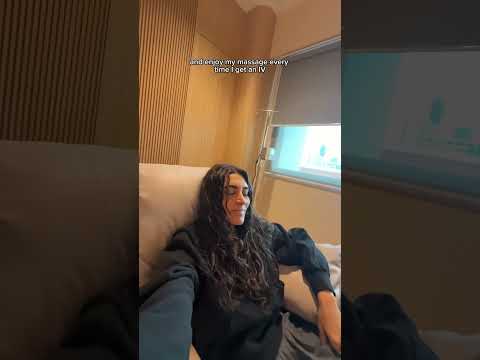
Recovering in Thailand completely removes the patient from the stressful obligations of their daily life. As the patient notes around , leaving the clinic and returning to a tranquil hotel environment allows the body to focus 100% of its energy on cellular repair.
Combining Therapy with Gentle Rehabilitation
In the days following the stem cell injection, patients are advised to rest the joint and avoid strenuous lifting. However, gentle, guided movements are encouraged to promote blood flow. Bangkok offers world-class wellness centers where patients can engage in light water therapy, assisted stretching, and professional medical massages.
The warmth of the Thai climate also plays a beneficial role. Warmer temperatures help keep the muscles and joint capsules loose, reducing the stiffness commonly associated with shoulder injuries. This synergy of medical excellence and a relaxing environment accelerates the overall timeline of recovery.
Long-Term Outlook for Regenerative Shoulder Treatments
The ultimate goal of stem cell therapy for shoulder pain is not just temporary relief, but long-lasting structural restoration. As the stem cells integrate into the damaged tissue over a period of 8 to 12 weeks, patients consistently report a profound reduction in pain scores and a dramatic improvement in their range of motion.
Many individuals who could not lift their arm above their chest are able to return to sports like tennis, swimming, and golf within a few months. Vega Clinic's comprehensive follow-up protocols ensure that patients are continuously monitored, even after they have boarded their flights back home.
Empowering Patients Through Information
Taking the leap into medical tourism requires careful consideration, but the overwhelming consensus from patient testimonials is one of deep gratitude. By stepping outside the traditional, restrictive healthcare models of their home countries, patients discover a higher standard of compassionate, cutting-edge care.
The journey to a pain-free life is no longer confined to local hospital networks. The world is opening up, and the future of orthopedic healing is vividly present in the heart of Bangkok.
Ready to Reclaim Your Mobility in Bangkok?
PlacidWay Medical Tourism connects you with elite regenerative medicine specialists at Vega Clinic in Thailand. Experience world-class stem cell therapy for your shoulder pain at a fraction of the cost. Let us help you plan your journey to healing.
REQUEST A FREE CONSULTATION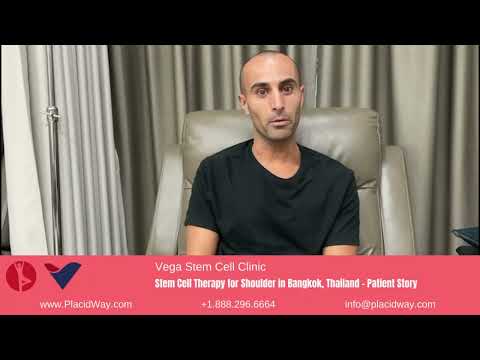





.png)



-(11).png)

-(6).png)









Share this listing