


Dr. Pokpong's Infertility Q&A: Everything You Need to Know
Welcome to Dr. Pokpong's Infertility Q&A, where we unravel the complexities of reproductive health. Struggling to conceive can be an isolating and overwhelming experience, but you do not have to navigate this journey alone. In this comprehensive guide, we explore the most pressing questions surrounding reproductive medicine, from understanding male and female infertility causes to exploring advanced assisted reproductive technologies like IVF. Let us empower you with expert knowledge and practical guidance to help you take the next confident step toward building the family of your dreams.
Video Chapters & Quick Navigation
When Is It Time to Seek Help? Defining Infertility
Many couples find themselves wondering when they should officially transition from casually trying to conceive to seeking professional medical intervention. As discussed at in the video, the medical definition of infertility is highly dependent on the female partner's age. For women under the age of 35, infertility is typically diagnosed after one full year of unprotected, well-timed intercourse without achieving a successful pregnancy.
However, biology dictates a more urgent timeline for older women. If the female partner is 35 or older, couples are strongly advised to seek a consultation with a reproductive endocrinologist after just six months of trying. This accelerated timeline is crucial because ovarian reserve naturally begins to decline more rapidly in a woman's late thirties.
It is also important to differentiate between primary and secondary infertility. Primary infertility refers to couples who have never been able to conceive. Secondary infertility, on the other hand, affects couples who have previously had a successful pregnancy but are struggling to conceive again. Both scenarios are deeply valid and require specialized medical attention to uncover the root causes.
Understanding Female Infertility Causes and Risk Factors
Female reproduction is a highly intricate symphony of hormonal signals, anatomical structures, and cellular timing. When any part of this delicate system falls out of rhythm, conception can become challenging. Exploring the most common female infertility factors is the first step toward effective treatment.
Ovulatory Disorders and PCOS
Ovulatory dysfunction is one of the leading causes of female infertility, with Polycystic Ovary Syndrome (PCOS) being the most prevalent culprit. At , Dr. Pokpong highlights how PCOS disrupts the normal hormonal cascade. Women with PCOS often experience elevated androgen levels and insulin resistance, which prevents the ovarian follicles from maturing and releasing an egg.
Without ovulation, fertilization cannot occur. Fortunately, ovulatory disorders are often highly responsive to medical interventions. Treatments ranging from lifestyle modifications to oral medications like Letrozole or Clomid can successfully induce ovulation and restore fertility for many patients.
Endometriosis and Tubal Factor Infertility
Another significant barrier to pregnancy is structural damage within the reproductive organs. Endometriosis occurs when tissue similar to the lining of the uterus grows outside the uterine cavity. This condition can cause severe pelvic pain and create scar tissue or adhesions that distort pelvic anatomy.
These adhesions can physically block the fallopian tubes, preventing the sperm from reaching the egg or stopping a fertilized embryo from traveling to the uterus. Tubal factor infertility accounts for a substantial percentage of fertility struggles and often requires surgical intervention or direct progression to In Vitro Fertilization (IVF) to bypass the fallopian tubes entirely.
Shattering the Stigma: Male Factor Infertility Explained
Infertility is frequently misunderstood as a strictly female issue, but statistics tell a completely different story. Male factor infertility contributes to roughly 40% to 50% of all infertility cases. As detailed at , evaluating the male partner early in the diagnostic process is absolutely non-negotiable.
Analyzing Sperm Health Parameters
A comprehensive semen analysis is the cornerstone of diagnosing male infertility. This test evaluates several critical parameters based on World Health Organization (WHO) criteria. The primary factors include sperm count (the total number of sperm), motility (the percentage of sperm moving forward efficiently), and morphology (the size and shape of the sperm).
Even if a man has a high sperm count, poor motility can prevent the sperm from navigating the female reproductive tract to reach the egg. Similarly, abnormal morphology can hinder the sperm's ability to penetrate the outer shell of the egg, resulting in failed fertilization.
Medical and Lifestyle Causes
Male fertility can be compromised by a variety of medical conditions, such as varicoceles (enlarged veins within the scrotum that increase testicular temperature) or hormonal imbalances. Additionally, lifestyle factors play a massive role.
Excessive alcohol consumption, smoking, anabolic steroid use, and chronic exposure to high heat can all drastically reduce sperm quality. Fortunately, many male fertility issues can be addressed through lifestyle changes, surgical correction of varicoceles, or advanced reproductive techniques like Intracytoplasmic Sperm Injection (ICSI).
What to Expect During a Comprehensive Fertility Diagnostic Workup
Walking into a fertility clinic for the first time can be intimidating, but understanding the diagnostic process can alleviate much of that anxiety. The goal of the initial workup is to gather actionable data to formulate a personalized treatment plan.
A standard fertility evaluation for women begins with a thorough transvaginal ultrasound and a day-3 hormone blood panel. This panel typically checks Follicle-Stimulating Hormone (FSH), Luteinizing Hormone (LH), Estradiol, and Anti-Müllerian Hormone (AMH). AMH is particularly crucial as it provides valuable insight into a woman's remaining ovarian reserve.
To assess structural health, a doctor may order a Hysterosalpingogram (HSG), as referenced at . An HSG is a specialized X-ray procedure where contrast dye is injected into the uterus and fallopian tubes to ensure there are no blockages or uterine anomalies, such as polyps or fibroids, that could impede implantation.
Navigating Advanced Fertility Treatments: IUI vs. IVF
Once diagnostics are complete, your specialist will recommend a targeted treatment path. The two most common Assisted Reproductive Technologies (ART) are Intrauterine Insemination (IUI) and In Vitro Fertilization (IVF). Understanding the differences between these procedures is vital for managing expectations and emotional energy.
Intrauterine Insemination (IUI): The First Line of Defense
IUI is often recommended as a first-line treatment for couples with unexplained infertility, mild male factor infertility, or women using donor sperm. The process involves monitoring the woman's cycle—sometimes using gentle ovulation induction medications—and carefully timing the procedure with ovulation.
A highly concentrated, washed sample of motile sperm is then placed directly into the uterine cavity via a thin catheter. This bypasses the cervix and places the sperm closer to the fallopian tubes, increasing the odds of natural fertilization. IUI is less invasive and more cost-effective than IVF, though success rates per cycle are generally lower.
In Vitro Fertilization (IVF): The Gold Standard
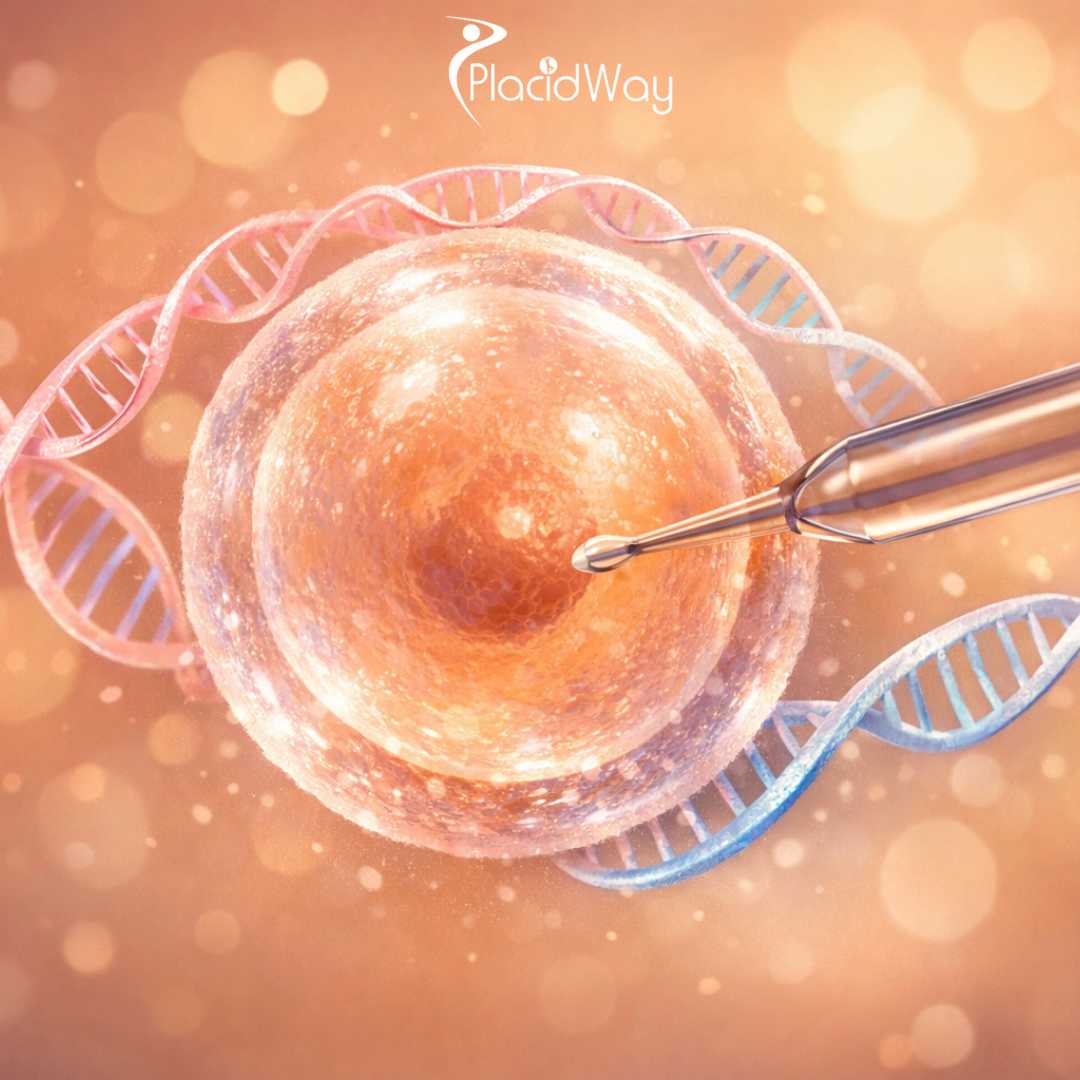
For more complex cases, such as severe endometriosis, blocked tubes, advanced maternal age, or severe male factor infertility, IVF represents the gold standard of care. Explained thoroughly at , IVF is a multi-step journey that happens largely outside the human body.
The patient undergoes controlled ovarian hyperstimulation using injectable gonadotropins to grow multiple mature eggs simultaneously. These eggs are then surgically retrieved under light sedation. In the embryology lab, the eggs are combined with sperm. For patients with male factor issues, a single healthy sperm is injected directly into the egg using ICSI.
| Feature | Intrauterine Insemination (IUI) | In Vitro Fertilization (IVF) |
|---|---|---|
| Invasiveness | Low (similar to a pap smear) | High (requires daily injections and minor surgery) |
| Fertilization Location | Inside the fallopian tubes | In the embryology laboratory |
| Best Candidates | Mild male factor, cervical issues, young maternal age | Tubal blockage, severe male factor, advanced age |
| Success Rates | Lower per cycle (10-20%) | Higher per cycle (up to 50-60%+ depending on age) |
Age and Fertility: How to Improve Egg Quality for IVF Success
A woman is born with all the eggs she will ever have. Over time, both the quantity and the genetic quality of these eggs decline. As patients reach their late 30s and early 40s, the rate of chromosomal abnormalities in eggs increases, which can lead to lower fertilization rates, implantation failure, or miscarriage.
While you cannot reverse the biological clock, emerging research suggests that mitochondrial health plays a massive role in egg quality. Discussed around , doctors often recommend targeted supplementation to support cellular energy production during the critical 90-day window before an egg is ovulated or retrieved.
- Coenzyme Q10 (CoQ10): A powerful antioxidant that supports mitochondrial function within the egg, providing the energy needed for successful cell division.
- Vitamin D: Adequate levels are associated with better IVF outcomes and improved endometrial receptivity.
- DHEA: For women with diminished ovarian reserve, under medical supervision, DHEA can sometimes help improve egg yield and quality.
Unexplained Infertility: Seeking Answers Through Advanced Diagnostics
One of the most frustrating diagnoses a couple can receive is "unexplained infertility." This occurs when all standard diagnostic tests—hormone panels, semen analysis, and tubal evaluation—come back completely normal, yet pregnancy remains elusive. Roughly 15% to 30% of couples facing fertility challenges fall into this ambiguous category.
However, "unexplained" does not mean "untreatable." It simply means the root cause cannot be identified with basic testing. To combat this, specialized clinics offer advanced diagnostic tools. Preimplantation Genetic Testing for Aneuploidies (PGT-A) allows embryologists to screen IVF embryos for chromosomal normalcy before transfer.
Additionally, tools like the Endometrial Receptivity Analysis (ERA) can pinpoint the exact window of implantation for a woman's uterus. By analyzing a small biopsy of the uterine lining, doctors can adjust the timing of an embryo transfer down to the specific hour, dramatically increasing the chances of a successful pregnancy for those with recurrent implantation failure.
Fertility Preservation: The Empowering Choice of Egg Freezing
Advancements in cryopreservation have revolutionized family planning. Social egg freezing is no longer a taboo subject; it is an empowering medical choice for women who wish to delay childbearing due to career aspirations, educational pursuits, or a desire to find the right partner.
At , the discussion shifts to vitrification, an ultra-rapid freezing technology that prevents ice crystals from forming inside the egg. This technique has significantly improved the survival rate of thawed eggs. Women who freeze their eggs in their late 20s or early 30s effectively lock in the genetic quality of their eggs at that age, providing an invaluable insurance policy for their future reproductive journey.
The Role of Lifestyle and Nutrition in Achieving Conception
While medical intervention is often necessary, the foundation of a successful fertility journey is built on holistic wellness. The impact of a healthy lifestyle on reproductive success cannot be overstated. Maintaining an optimal Body Mass Index (BMI) is crucial, as both being underweight and overweight can severely disrupt ovulatory hormones and diminish IVF success rates.
Adopting an anti-inflammatory, Mediterranean-style diet rich in leafy greens, healthy fats, lean proteins, and complex carbohydrates can naturally support hormone balance. Furthermore, managing chronic stress through acupuncture, yoga, or cognitive behavioral therapy has been clinically shown to improve the overall patient experience and potentially boost the efficacy of fertility treatments.
Ready to Take the Next Step in Your Fertility Journey?
PlacidWay Medical Tourism connects you with world-renowned fertility clinics and specialists globally. Discover affordable, highly successful IVF and reproductive health packages tailored just for you. Let us help you build the family of your dreams.
GET A FREE QUOTE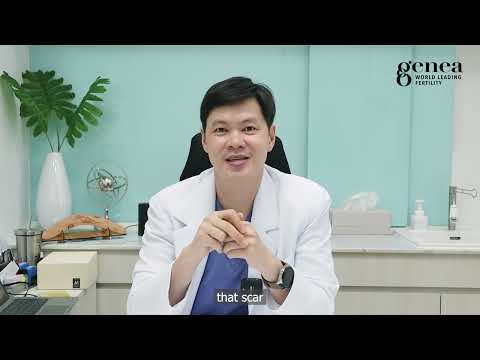



.png)

.png)


.png)
.png)




.png)









Share this listing