


Understanding Autism Spectrum Disorder (ASD) and Advanced Regenerative Treatments
Navigating an Autism Spectrum Disorder (ASD) diagnosis can be an overwhelming journey for families seeking the most effective interventions and long-term care strategies for their children. As a complex neurodevelopmental condition affecting millions globally, autism presents unique cognitive challenges alongside extraordinary, unique perspectives. For decades, the standard of care has heavily relied on behavioral symptom management. However, groundbreaking advancements in the medical field are beginning to shift this paradigm.
Spearheaded by pioneers like Dr. Pradeep Mahajan, the focus is expanding from merely managing outward behaviors to addressing the underlying biological and neurological roots of the disorder. By integrating highly advanced regenerative medicine techniques with traditional therapeutic frameworks, patients are seeing unprecedented improvements in cognitive function and social communication. This comprehensive guide explores the multifaceted nature of ASD, the underlying causes, conventional therapies, and the revolutionary treatments available today.
Video Chapters & Quick Navigation
Defining Autism Spectrum Disorder (ASD)
Autism Spectrum Disorder, widely referred to as ASD, is a highly variable neurodevelopmental condition. As introduced in the discussion at , it fundamentally alters how an individual perceives the environment, processes sensory information, and interacts socially with others. The term "spectrum" is incredibly important because it reflects the vast variation in challenges and strengths possessed by each person with autism.
Unlike a binary medical condition where symptoms are identical across all patients, autism manifests uniquely. One individual may possess highly advanced intellectual capabilities but struggle immensely with reading social cues, while another may be non-verbal and require substantial daily support. Understanding this broad variance is the first critical step for parents, educators, and medical professionals when formulating an effective, personalized care plan.
The Neurological Underpinnings
At a cellular and structural level, the brains of children with autism spectrum disorder often exhibit distinct patterns of neural connectivity. Scientific imaging and neurological studies have indicated that individuals with ASD frequently experience atypical synaptic pruning during early childhood. Synaptic pruning is the brain's natural mechanism for removing unnecessary neural connections to strengthen essential communication pathways.
When this process is disrupted, it can lead to hyper-connectivity in local regions of the brain and hypo-connectivity across longer distances. This structural disparity is what frequently causes sensory processing overloads. The brain becomes overwhelmed by lights, sounds, or textures because the neural pathways processing these stimuli are firing indiscriminately. Addressing this neurological foundation is a primary target for advanced regenerative therapies.
Core Symptoms and Early Indicators of ASD
Early diagnosis is widely considered one of the most critical factors in improving the long-term prognosis for children with autism. Recognizing the early signs and symptoms of ASD in toddlers can dramatically accelerate the intervention process. As outlined at , these symptoms generally fall into two primary diagnostic categories: deficits in social communication, and the presence of restricted or repetitive behaviors.
While some children show signs of autism within the first few months of life, others may develop typically for the first year or two before experiencing a regression in communication and social skills. This regression phase can be highly distressing for parents, making prompt pediatric evaluation absolutely essential.
Challenges in Social Communication
Social communication deficits are often the most noticeable indicators for parents and caregivers. Children with autism may fail to respond to their name by their first birthday or avoid making sustained eye contact during interactions. They often struggle with the natural back-and-forth flow of a conversation, missing non-verbal cues such as facial expressions, gestures, and changes in vocal tone.
Furthermore, emotional reciprocity can be profoundly delayed. An autistic child might not naturally point to objects of interest to share their excitement with a parent, a milestone known as joint attention. Understanding these social delays helps therapists design targeted speech and behavioral therapies that foster better interpersonal connection.
Restrictive and Repetitive Behaviors
The second core component involves restrictive, repetitive patterns of behavior, interests, or activities. This can manifest physically, such as hand-flapping, rocking back and forth, or spinning in circles. These behaviors, often termed "stimming" (self-stimulatory behavior), are utilized by individuals with autism to self-soothe or regulate their overwhelmed sensory systems.
Additionally, autistic individuals often exhibit a strong preference for strict routines and predictability. Even minor disruptions to a daily schedule can result in extreme distress or behavioral meltdowns. Highly focused, almost obsessive interests in specific subjects—such as trains, mathematics, or specific moving parts of toys—are also hallmark traits evaluated during the diagnostic process.
| Developmental Domain | Typical Milestone (By 18 Months) | Potential ASD Indicator |
|---|---|---|
| Social Interaction | Engages in basic pretend play; points to show interesting things. | Prefers playing alone; lacks interest in peer interaction; avoids eye contact. |
| Communication | Uses several single words; shakes head for "no". | Delayed speech; loses previously acquired words; repeats phrases (echolalia). |
| Behavioral Patterns | Explores toys functionally; adapts to minor routine changes. | Intense focus on parts of objects (e.g., spinning wheels); strict adherence to routines. |
Underlying Causes and Risk Factors of Autism
Despite decades of intense medical research, there is no single known cause of autism. It is widely accepted by the global medical community that autism arises from a highly complex interplay of genetic predispositions and environmental factors. As discussed at , understanding these root causes is crucial for developing therapies that address the disorder at a cellular level rather than just masking the symptoms.
It is also critical to dispel long-standing myths. Extensive, peer-reviewed global studies have definitively proven that vaccines do not cause autism. Focusing on the scientifically validated genetic and environmental factors allows families to make informed, evidence-based decisions regarding their child's care and therapeutic interventions.
Genetic Predispositions and Mutations
Genetics play a monumental role in the likelihood of a child developing ASD. Studies involving twins have shown that if one identical twin is diagnosed with autism, the other has a significantly high probability of also being on the spectrum. Researchers have identified over a hundred different genetic mutations and chromosomal abnormalities associated with autism.
Some of these mutations are inherited from the parents, while others occur spontaneously (de novo mutations) during early embryonic development. These genetic variations often affect genes responsible for brain development, synaptic function, and how neurons communicate with one another across the central nervous system.
Environmental and Epigenetic Factors
While genetics load the gun, environmental factors often pull the trigger. Epigenetics—the study of how behaviors and environment can cause changes that affect the way genes work—is a growing field in autism research. Advanced maternal or paternal age at the time of conception is a known risk factor. Additionally, maternal infections or extreme immune system responses during pregnancy can trigger neuroinflammatory responses in the developing fetal brain.
Exposure to certain heavy metals, toxins, and specific prescription medications during critical windows of gestation has also been linked to a higher incidence of ASD. This understanding of neuroinflammation and oxidative stress as foundational elements of autism is exactly what modern regenerative medicine seeks to target and repair.
Conventional Therapies for ASD
Currently, the standard global approach to managing autism relies heavily on behavioral, psychological, and educational therapies. The primary goal of these traditional methods is to reduce disruptive symptoms and maximize the child's ability to function independently and participate in community life. As mentioned at , these therapies form the bedrock of early intervention.
Because autism exists on a spectrum, a "one-size-fits-all" therapeutic approach is ineffective. A multidisciplinary team of pediatricians, psychologists, speech therapists, and occupational therapists must work collaboratively to design an Individualized Education Program (IEP) or a targeted medical care plan for the affected child.
Applied Behavior Analysis (ABA)
Applied Behavior Analysis, or ABA, is the most extensively researched and widely utilized behavioral intervention for autism. ABA focuses on the principles of learning and behavior to encourage positive actions while discouraging behaviors that may cause harm or interfere with learning. Therapists break down complex skills—such as brushing teeth or initiating a conversation—into small, manageable steps.
Through positive reinforcement, children are rewarded for successfully completing these steps. Over time, ABA has proven highly effective in improving communication, social interaction, and academic performance in autistic children. However, ABA primarily addresses the outward behavioral manifestations of autism, rather than the internal neurobiological causes.
Occupational and Speech Therapy
Occupational therapy (OT) is essential for children who struggle with sensory processing disorders, a common comorbidity of ASD. Occupational therapists help children navigate their environment by introducing activities that regulate their sensory input. This might include using weighted blankets, sensory swings, or tactile play to help the child's nervous system process physical stimuli more efficiently.
Speech-language therapy addresses the profound communication barriers many autistic children face. For verbal children, therapy may focus on pragmatic language—understanding the social context of words, maintaining eye contact, and understanding idioms. For non-verbal children, speech therapists introduce Alternative and Augmentative Communication (AAC) devices, such as picture exchange systems or tablet-based vocalizers, giving the child a vital voice in their daily life.
Dr. Pradeep Mahajan’s Regenerative Approach to Autism
While traditional therapies are indispensable for skill-building, they do not repair the underlying cellular damage or chronic neuroinflammation occurring within the autistic brain. This is where Dr. Pradeep Mahajan’s groundbreaking work in regenerative medicine steps into the spotlight. Discussed extensively at , regenerative treatments represent a paradigm shift from simple symptom management to proactive biological healing.
Dr. Mahajan advocates for a functional medical approach that addresses the systemic immune dysregulation and brain tissue hypoxia (lack of oxygen) often found in patients with neurodevelopmental disorders. By utilizing the body's own healing mechanisms, regenerative medicine offers hope for tangible improvements in core autistic symptoms that behavioral therapy alone cannot achieve.
Shifting from Management to Cellular Repair
The traditional medical model views autism as an irreversible, static neurological state. Dr. Mahajan’s approach challenges this notion by recognizing the brain's inherent neuroplasticity—its ability to reorganize itself by forming new neural connections throughout life. Regenerative medicine aims to amplify this neuroplasticity.
By introducing targeted cellular therapies, the goal is to repair damaged neural pathways, stimulate the growth of new blood vessels in the brain (angiogenesis), and dramatically reduce the chronic inflammation that inhibits proper brain function. This shift from management to cellular repair has yielded remarkable clinical observations, with parents reporting improvements in eye contact, speech development, and reduced hyperactivity.
The Science Behind Stem Cell Therapy for Autism
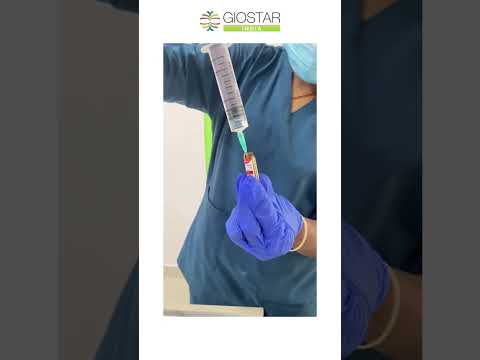
At the core of Dr. Mahajan’s regenerative protocol is advanced stem cell therapy for autism spectrum disorder. Stem cells are the body's master cells, possessing the unique ability to differentiate into various specialized cell types and, more importantly, secrete powerful healing proteins. As detailed at , Mesenchymal Stem Cells (MSCs) are primarily used in these protocols due to their exceptional immunomodulatory properties.
When administered safely under strict medical supervision, these cells migrate to areas of inflammation within the body and the central nervous system. They cross the blood-brain barrier and begin a complex process of biological repair. This therapy is not about "curing" the individual's unique personality, but rather clearing the biological static that prevents them from functioning comfortably in the world.
Immunomodulation and Reducing Neuroinflammation
A significant percentage of children with autism suffer from chronic, low-grade inflammation within their brain tissue and an overactive, dysregulated immune system. This neuroinflammation damages healthy brain cells and prevents optimal synaptic transmission. Mesenchymal stem cells exert a powerful "paracrine effect," releasing exosomes, cytokines, and growth factors that actively suppress this harmful immune response.
By effectively cooling down the inflammation in the brain, stem cell therapy allows the nervous system to rest and repair. When the neurological environment is stabilized, the brain's processing speed and ability to handle sensory input improve significantly, leading to a profound reduction in behavioral outbursts and anxiety.
Enhancing Neural Connectivity and Angiogenesis
Beyond reducing inflammation, regenerative cellular therapy actively promotes angiogenesis—the formation of new blood vessels. Many patients with ASD exhibit localized areas of hypoperfusion, meaning restricted blood flow to specific regions of the brain responsible for speech, emotion, and executive function.
By stimulating new blood vessel growth, stem cell therapy increases the delivery of critical oxygen and nutrients to these starved neurological zones. As blood flow normalizes, neural connectivity is enhanced. This biological restoration often acts as a catalyst, suddenly allowing children to grasp concepts in their speech and behavioral therapies that previously eluded them.
The Gut-Brain Axis: A Missing Puzzle Piece
Modern functional medicine has shed light on an undeniable link between gastrointestinal health and neurological function, often referred to as the gut-brain axis. It is highly documented that a vast majority of children diagnosed with ASD suffer from chronic gastrointestinal issues, including severe constipation, diarrhea, and intestinal permeability (leaky gut).
As noted at , Dr. Mahajan's comprehensive approach does not ignore the physical body in favor of the brain. The gut microbiome produces a massive amount of the body's neurotransmitters, including serotonin and dopamine. When the gut is inflamed, the brain is inflamed. Addressing dietary needs and gut health is a foundational step before or alongside regenerative treatments.
- Microbiome Restoration: Utilizing targeted probiotics and prebiotics to restore a healthy balance of gut flora, which directly influences mood and cognitive focus.
- Dietary Interventions: Implementing gluten-free and casein-free (GFCF) diets to remove common inflammatory triggers that exacerbate autistic behaviors.
- Metabolic Support: Identifying and correcting heavy metal toxicity and vital nutrient deficiencies through specialized supplementation.
Holistic Care Integration for Optimal Outcomes
The most crucial takeaway from Dr. Pradeep Mahajan’s methodology is that cellular therapy is not a standalone magic bullet. It is an advanced biological tool designed to be integrated into a comprehensive, holistic rehabilitation program. When a child undergoes regenerative therapy, their brain enters a heightened state of neuroplasticity.
During this window of accelerated healing, it is absolutely imperative to intensify traditional therapies. Speech therapy, occupational therapy, and applied behavior analysis become exponentially more effective because the biological barriers to learning—such as neuroinflammation and brain hypoxia—have been dramatically lowered.
Empowering Parents and Caregivers
A holistic approach extends beyond the patient to encompass the entire family unit. Parents are heavily integrated into the treatment protocols, receiving education on how to maintain an anti-inflammatory home environment, how to implement sensory diets, and how to continue therapeutic reinforcement outside of clinical hours.
By merging the cutting-edge science of regenerative medicine with the dedicated, day-to-day behavioral support provided by parents and traditional therapists, families are witnessing unprecedented strides in their children's development. This multi-layered approach provides a genuine pathway to improved independence, enhanced communication, and a vastly enriched quality of life for individuals traversing the autism spectrum.
Explore Advanced Regenerative Treatments for ASD
Are you seeking breakthrough therapies beyond traditional symptom management? PlacidWay Medical Tourism connects families with world-class specialists like Dr. Pradeep Mahajan, offering cutting-edge regenerative and stem cell therapies for Autism Spectrum Disorder. Discover how a personalized, holistic approach can transform your child's future.
GET A FREE CONSULTATION

.png)



.png)

.png)
.png)



.png)
-(4).png)








Share this listing