
Victor Richards’ Results: Dominican Republic Stem Cell Therapy for Shoulder Tear by Dr. Vargas Decamps
Bodybuilding legend Victor Richards faced a career-threatening injury, but his journey highlights a revolutionary healing path. Choosing Dominican Republic stem cell therapy for a shoulder tear, Richards bypassed invasive surgery to work with renowned regenerative medicine specialist Dr. Vargas Decamps. The results of this non-surgical approach have sparked global interest among elite athletes.
Traditional rotator cuff surgeries often require months of immobilization and risk permanent loss of mobility. By opting for advanced regenerative medicine, Richards utilized the body's natural cellular mechanisms to repair damaged tissue. Watch to understand how cutting-edge cellular science is transforming orthopedic recovery and saving the careers of elite powerlifters and fitness professionals.
Video Chapters & Quick Navigation
The Legacy of Victor Richards and the Devastation of a Shoulder Tear
Victor Richards is widely regarded as one of the most massive and genetically gifted bodybuilders in the history of the sport. Known as the "Uncrowned King of Bodybuilding," his training regimens involved moving astronomical amounts of weight. However, decades of intense mechanical stress inevitably take a toll on the human musculoskeletal system.
The shoulder joint is incredibly complex, offering a massive range of motion but suffering from inherent instability. For heavy lifters, the rotator cuff tendons and the glenoid labrum are under constant, extreme tension. Over time, micro-tears can develop, eventually leading to a severe partial or full-thickness shoulder tear that makes even basic movements agonizing.
The Threat to a Bodybuilder's Livelihood
When a professional athlete suffers a severe shoulder tear, the traditional medical route almost always points directly to the operating table. Orthopedic surgeons typically recommend cutting into the joint, anchoring the torn tendon back to the bone, and initiating a grueling physical therapy regimen. As seen at in the video, Richards knew this approach was flawed for his specific needs.
Surgery requires extensive immobilization, which for a bodybuilder means catastrophic muscle atrophy. Furthermore, scar tissue formation post-surgery permanently alters the biomechanics of the joint. Seeking an alternative to rotator cuff surgery, Richards began researching regenerative medicine.
Why Choose the Dominican Republic for Regenerative Medicine?
The global landscape of medical tourism has shifted dramatically, with the Caribbean emerging as a premier destination for advanced medical procedures. Dominican Republic stem cell therapy is currently capturing the attention of professional athletes across the globe. The country combines luxury recovery environments with world-class, internationally accredited medical facilities.
Unlike the United States, where stringent and often outdated regulatory frameworks severely limit how stem cells can be cultured and expanded, the Dominican Republic operates under progressive medical guidelines. This allows specialized clinics to utilize highly expanded, potent mesenchymal stem cells (MSCs) that yield significantly higher success rates for joint regeneration.
A Hub for International Medical Tourism
Patients traveling to Santo Domingo or Punta Cana are not compromising on quality. The medical infrastructure in these cities features state-of-the-art imaging technology, sterile class-100 cleanrooms for cell processing, and highly trained bilingual medical staff. The Dominican Republic provides a seamless, stress-free environment conducive to deep healing.
Furthermore, recovering in a tropical climate offers distinct physiological benefits. Enhanced vitamin D synthesis from the Caribbean sun promotes natural bone and tissue health. The stress-reducing environment lowers cortisol levels, which is a critical factor in optimizing the body's natural cellular repair processes.
Meet Dr. Vargas Decamps: A Pioneer in Cellular Orthopedics
At the center of Victor Richards' miraculous recovery is Dr. Vargas Decamps, a highly respected physician specializing in regenerative medicine and non-surgical orthopedics. Dr. Decamps has dedicated his career to understanding how biological therapeutics can replace the scalpel. His clinic in the Dominican Republic is a sanctuary for athletes seeking to prolong their careers.
Dr. Vargas Decamps does not take a one-size-fits-all approach to joint injuries. He utilizes advanced diagnostic ultrasound and MRI imaging to pinpoint the exact micro-location of the tendon tear. This precision is absolutely vital, as the stem cells must be delivered directly into the site of the injury to maximize the regenerative cascade.
Expertise in Image-Guided Injections
A blind injection into a shoulder joint is often ineffective because the cellular material diffuses away from the damaged tissue. As highlighted at , Dr. Vargas Decamps employs real-time fluoroscopy or ultrasound guidance. This ensures the regenerative matrix is deposited precisely onto the fraying fibers of the supraspinatus tendon.
His deep understanding of sports biomechanics allows him to treat not just the symptom, but the underlying joint instability. By treating the surrounding ligaments and the joint capsule alongside the primary tear, Dr. Decamps fortifies the entire shoulder complex against future injuries.
The Science Behind Stem Cell Therapy for Shoulder Injuries
To understand why this treatment is so effective, one must look at the biological mechanisms of Mesenchymal Stem Cells (MSCs). These are multipotent stromal cells that can differentiate into a variety of cell types, including osteoblasts (bone cells), chondrocytes (cartilage cells), and myocytes (muscle cells). When introduced into a damaged shoulder, they become the architects of repair.
However, their primary power lies in their paracrine effect. Stem cells act as massive signaling centers, releasing high concentrations of growth factors, cytokines, and exosomes into the injured area. These signals command the body's local dormant cells to wake up and begin actively regenerating the torn tendon fibers.
Combating Chronic Inflammation
In chronic shoulder injuries, the body is often stuck in a cycle of painful, unproductive inflammation. The tissues become fibrotic and blood supply to the area dwindles. Mesenchymal stem cells are profoundly immunomodulatory, meaning they instantly calm this destructive inflammatory response.
Once the inflammation is cleared, the stem cells promote angiogenesis—the creation of new blood vessels. Tendons naturally have very poor blood supply, which is why they struggle to heal on their own. By building new vascular networks, stem cell therapy ensures a steady flow of oxygen and nutrients to the injured shoulder long after the procedure is finished.
Victor Richards’ Step-by-Step Treatment Protocol
The journey to restoring a massive, heavily muscled shoulder requires a meticulous clinical protocol. When Victor Richards arrived in the Dominican Republic, the process began with a comprehensive orthopedic evaluation. Blood panels were drawn to ensure his body was in an optimal state to receive and utilize biological therapy.
The choice of stem cell derivation is a critical factor in the success of the treatment. Depending on the specific clinic protocols, doctors may harvest autologous stem cells from the patient’s own adipose (fat) tissue or bone marrow. Alternatively, they may utilize potent allogeneic Wharton’s Jelly-derived MSCs from ethically sourced umbilical cords, which boast the highest replicative capacity.
The Day of the Procedure
The actual administration of the stem cells is remarkably swift and minimally invasive. In the video at , viewers can note the clinical efficiency of the procedure. Local anesthesia is used to ensure the patient remains entirely comfortable while awake.
Dr. Vargas Decamps meticulously injects the concentrated cellular biologic into the tear. Often, Platelet-Rich Plasma (PRP) is mixed with the stem cells to act as a biological scaffold. The PRP provides an immediate burst of growth factors that feed the stem cells, anchoring them to the injury site and hyper-accelerating the tissue regeneration process.
Analyzing the Results: Victor Richards' Road to Recovery
The most compelling aspect of Victor Richards' stem cell journey is the timeline and quality of his recovery. Unlike surgery, where patients wake up in agonizing pain and require heavy narcotic painkilllers, stem cell patients typically experience only mild soreness at the injection site for a few days.
Within the first three to four weeks, the immunomodulatory effects take hold. Richards noted a dramatic reduction in the deep, aching joint pain that had previously plagued his sleep and daily movements. The elimination of chronic joint pain is often the first major milestone that indicates the cellular therapy is actively working.
Restoring Structural Integrity
Around the eight-to-twelve-week mark, the actual tissue regeneration becomes apparent. The stem cells have spent months synthesizing new collagen fibers, bridging the gap of the tendon tear. For a bodybuilder like Richards, this meant he could begin slowly re-introducing resistance without the joint feeling unstable or fragile.
By bypassing the surgical knife, Richards avoided the massive scar tissue buildup that limits range of motion. His shoulder healed naturally from the inside out. His successful outcome is a testament to the efficacy of Dr. Vargas Decamps' regenerative protocols in healing massive musculoskeletal trauma.
Comparing Stem Cell Therapy to Traditional Rotator Cuff Surgery
To truly appreciate the value of the treatment Victor Richards received, one must compare it objectively to the standard of care in Western medicine. Traditional orthopedic surgery remains the default for many, but the paradigm is shifting rapidly as cellular medicine advances.
Surgery is inherently destructive before it is constructive. It requires cutting through healthy tissue to reach the damaged area, introducing the risk of infection, nerve damage, and adverse reactions to general anesthesia. Stem cell therapy is fundamentally constructive, utilizing a simple needle to deliver healing agents.
| Feature | Traditional Shoulder Surgery | Stem Cell Therapy (DR) |
|---|---|---|
| Invasiveness | High (Incision, tissue cutting, anchors) | Low (Targeted needle injection) |
| Anesthesia | General Anesthesia required | Local Anesthesia only |
| Downtime | 4-6 weeks immobilized in a sling | 1-3 days of mild soreness, no sling needed |
| Full Recovery | 6-9 months of intensive physical therapy | 3-6 months of progressive natural healing |
| Scarring | Significant internal scar tissue | Zero scar tissue formation |
The Economics of Healing: Cost of Stem Cell Therapy in the DR
One of the primary drivers of medical tourism is the dramatic difference in healthcare costs. In the United States, advanced regenerative therapies are rarely covered by health insurance because they are still classified as experimental by many providers. A comprehensive stem cell joint treatment in the US can easily cost between $10,000 and $20,000 out of pocket.
By traveling to the Dominican Republic, patients can access superior, highly expanded cellular treatments for a fraction of that cost. High-quality regenerative medical packages in the DR typically range from $4,000 to $8,000. This massive reduction in price does not reflect a drop in quality; rather, it reflects a more efficient healthcare economy and lower administrative overhead.
All-Inclusive Medical Packages
Clinics catering to international patients often provide comprehensive medical tourism packages. These all-inclusive options take the stress out of traveling for healthcare. Patients receive VIP airport transfers, accommodations in luxury recovery hotels, and dedicated bilingual medical concierges.
This holistic approach to patient care ensures that individuals like Victor Richards can focus 100% of their energy on healing. The financial savings combined with a vacation-like recovery environment make the Dominican Republic an undeniable leader in the global regenerative medicine market.
Patient Preparation and Crucial Aftercare Protocols
Stem cell therapy is not magic; it requires a physiological partnership between the biologic treatment and the patient's lifestyle. Preparing for stem cell therapy for a shoulder tear begins weeks before the actual injection. Dr. Vargas Decamps requires his patients to optimize their cellular environment.
Patients must absolutely cease taking NSAIDs (Non-Steroidal Anti-Inflammatory Drugs) like ibuprofen at least two weeks prior to the procedure. NSAIDs halt the acute inflammatory response, which is paradoxically exactly what the stem cells need to latch onto the injury site and begin the regenerative signaling process.
Post-Injection Physical Therapy
The post-treatment phase is equally critical. In the first 48 hours, patients are advised to rest the joint completely to allow the biological matrix to settle into the tissue defect. Unlike surgery, however, prolonged immobilization is heavily discouraged. Movement is medicine.
Patients are guided through a specialized physical therapy program starting with passive range of motion. Over the subsequent weeks, active range of motion and light isometric exercises are introduced. This mechanical loading signals the newly forming collagen fibers to align properly, ensuring the repaired tendon is structurally resilient enough to handle heavy weightlifting once again.
The Future of Orthopedic Healing and Medical Tourism
Victor Richards’ success story is a watershed moment for the bodybuilding and powerlifting communities. It provides empirical proof that massive orthopedic trauma does not automatically equate to the end of an athletic career. Regenerative medicine is shifting the narrative from symptom management and tissue resection to true biological repair.
As word spreads about the efficacy of Dominican Republic stem cell treatments, clinics led by visionaries like Dr. Vargas Decamps are seeing an influx of high-profile athletes. The ability to harness the body’s own cellular repair kits to heal a torn rotator cuff is no longer science fiction. It is a highly accessible, clinically proven reality that is saving joints and preserving legacies across the world.
Ready to Heal Your Joints Without Surgery?
Stop letting shoulder pain dictate your life and athletic career. Discover world-class regenerative medicine in the Dominican Republic. Connect with top stem cell specialists like Dr. Vargas Decamps today and begin your journey to a pain-free life.
GET A FREE CONSULTATION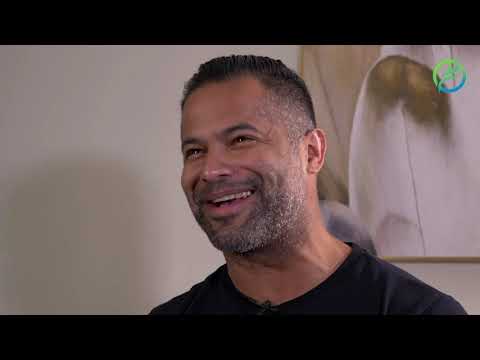
.png)


.png)


.jpg)


.jpg)








Share this listing