


Beyond Glasses: How Trifocal Lens Surgery at Tijuana Eye Center Restores Crystal Clear Vision
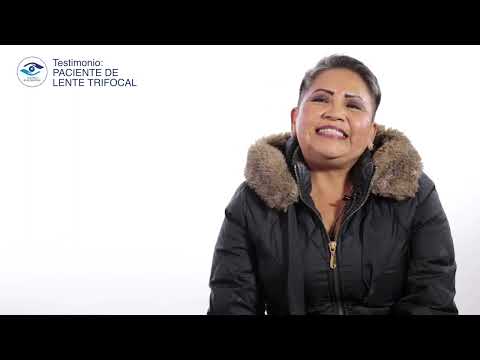
For many, the transition into middle age brings an unwelcome companion: the constant need for reading glasses. This condition, known as presbyopia, often combines with existing issues like astigmatism to create a world of blurred lines and physical dependence on corrective lenses. After 30 years of struggling with frames that get lost, scratched, or broken, Milca Gutiérrez decided it was time for a permanent change. In this inspiring testimonial, she shares her journey through Tijuana Eye Center, revealing why international patients are flocking to Mexico for advanced ophthalmic care. From the initial consultation with specialist surgeons to the moment she could finally read "the small letters" again, her story is a roadmap for anyone looking to reclaim their visual freedom.
Video Chapters & Quick Navigation
Overcoming a Lifetime of Blurry Vision: Presbyopia and Astigmatism
For Milca Gutiérrez, the daily struggle was twofold. As she mentions at [00:07], her primary issues were presbyopia and astigmatism. Presbyopia is the gradual loss of your eyes' ability to focus on nearby objects. It’s an inevitable part of aging that usually becomes noticeable in your early to mid-40s. Many people realize they have it when they start holding reading materials at arm's length to see them clearly.
Astigmatism, on the other hand, is caused by an irregular curvature of the cornea or lens, which prevents light from focusing properly on the retina. This results in blurred or distorted vision at all distances. When these two conditions coexist, life becomes a series of compromises. Traditional Lasik is often not enough for patients with presbyopia, which is why advanced options like intraocular lens (IOL) replacement are becoming the gold standard for long-term correction.
The fatigue of dealing with these conditions for three decades led Milca to explore surgical intervention. She wasn't just looking for a "quick fix" but a comprehensive solution that would address both the structural irregularities of her eyes and the age-related decline in near-focusing power. This search led her across the border to one of Mexico's premier eye care institutions.
Tijuana Eye Center: More Than Just Competitive Pricing
When considering medical tourism, the first thought for many is the cost. Milca acknowledges at [00:16] that she looked at various options and found that while prices are often competitive in the region, they weren't the deciding factor. The real value, she discovered, lies in what she calls "human capital."
In many high-volume clinics in the US or Canada, patients might feel like they are on an assembly line. However, Tijuana Eye Center differentiates itself through personalized attention and meticulous follow-up. The clinic's reputation is built on a foundation of trust, where patients aren't just numbers but individuals with unique visual goals. Milca’s decision was solidified by the sense of security she felt from the moment she stepped through the doors.
Choosing a clinic in Tijuana also offers the unique advantage of proximity. For patients in the Southwestern United States, the clinic provides world-class care just minutes from the San Diego border. This allows for high-end medical procedures at a fraction of the cost without the need for extensive transoceanic travel, making the recovery process much smoother and more accessible.
The Critical Importance of Surgeon Involvement
One of the standout points in Milca’s testimony occurs at [00:30]. She highlights a major differentiator: "From the very first appointment, the surgeon is the one seeing you." In many clinics, the initial screenings and measurements are handled entirely by technicians or optometrists, and the patient might only meet the surgeon for a few minutes on the day of the procedure.
At Tijuana Eye Center, the surgeon is deeply involved in the diagnostic phase. This direct interaction builds immense confidence. Dr. Rodriguez, mentioned by Milca at [00:55], is praised for his human quality and his ability to explain exactly what the patient needs. This transparency is vital when making decisions about your eyesight.
Having a specialist explain the nuances of your ocular health—showing you the scans, discussing the risks, and tailoring the lens selection to your lifestyle—removes the "mystery" from the surgery. As Milca notes, this direct care path was the primary reason she decided to stay with this specific clinic rather than continuing her search elsewhere.
Modern Facilities and the Gold Standard of Technology
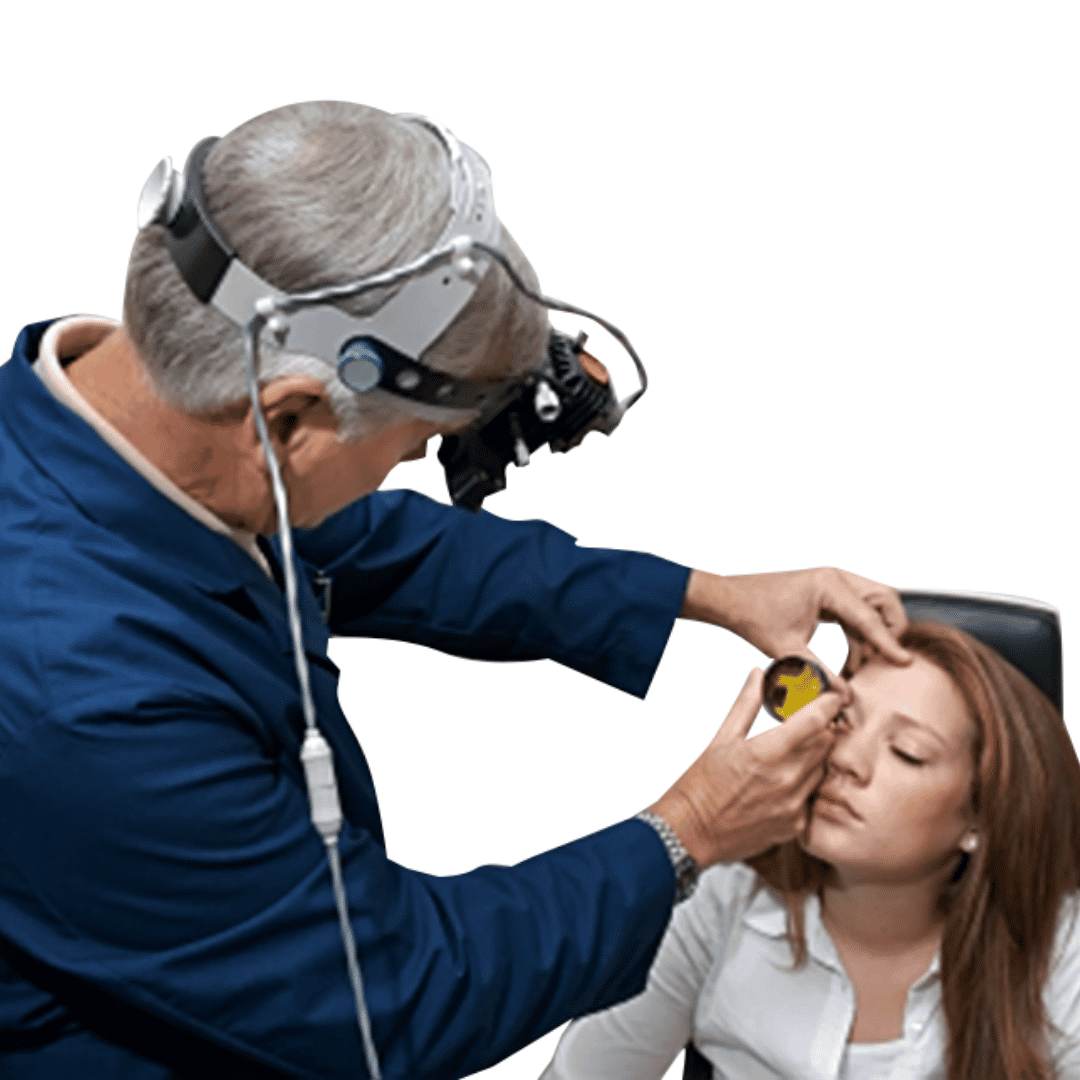
For any surgical procedure, the environment matters. Around [01:30], the video showcases the impressive facilities of the Tijuana Eye Center. Milca emphasizes the cleanliness, the professional attire of the staff, and the state-of-the-art equipment. The clinic utilizes advanced tools like the Femto LDV Z8, which provides laser-precision for cataract and lens replacement surgeries.
This level of technology ensures that the incisions are self-sealing and incredibly precise, reducing recovery time and improving visual outcomes. Furthermore, the clinic adheres to strict international standards. As seen on the screen at [03:35], they hold COFEPRIS permits (Mexico's equivalent to the FDA), ensuring all protocols meet national health and safety regulations.
Medical tourism skeptics often worry about the standard of care outside their home country, but as Milca’s experience shows, Tijuana Eye Center rivals and often exceeds the technological offerings of many domestic clinics. The integration of high-end diagnostic suites and surgical theaters under one roof creates a seamless patient experience from start to finish.
The Trifocal Lens Revolution: Seeing Near, Far, and In-Between
The "hero" of Milca's story is the Trifocal Lens. Unlike traditional monofocal lenses, which only correct for one distance (usually far vision, still requiring reading glasses), or bifocal lenses, which have a "gap" in intermediate vision, trifocal intraocular lenses provide clear vision at three distinct distances:
- Near: Reading a book, checking a smartphone, or sewing.
- Intermediate: Seeing a computer screen, a car dashboard, or food on a plate.
- Far: Driving, watching television, or enjoying a landscape.
By replacing the eye's natural, cloudy, or stiffening lens with a trifocal IOL, the surgeon essentially gives the patient a permanent "built-in" corrective system. This procedure is revolutionary for patients with both presbyopia and astigmatism because the lens can be custom-weighted to correct the corneal irregularity as well. At [02:39], Milca exclaims with joy that she can even see "the small letters," a task that was once impossible without heavy magnification.
Reclaiming Freedom: Ending 30 Years of Dependence
The emotional weight of vision loss is often overlooked. Milca spent 30 years wearing glasses. At [01:50], she describes the daily frustrations that many glass-wearers know too well: the constant cleaning, the anxiety of losing them, the frustration when they fall and break, and the repeated cost of new frames. She even recalls the time she accidentally sat on her glasses, a moment of "What now?" that many can relate to.
Post-surgery, that burden has vanished. The ability to wake up and see clearly without reaching for a bedside table is a profound shift in quality of life. For Milca, this wasn't just a medical procedure; it was an act of "self-care" and a long-overdue investment in herself. The video captures her radiant smile as she explains how she no longer has to worry about the logistics of vision correction.
This "visual freedom" allows patients to return to hobbies they may have abandoned, such as reading, crafting, or nighttime driving, which can become dangerous as vision degrades. The psychological relief of knowing your vision is stabilized for the long term is perhaps the greatest benefit of the trifocal lens procedure.
The Economics of Sight: Why Vision Surgery is a Smart Investment
Many patients hesitate at the upfront cost of trifocal lens surgery. However, Milca makes a compelling argument for the "long-term investment" at [02:25]. When you calculate the cost of glasses, contact lenses, cleaning solutions, and annual eye exams over decades, the price of a one-time surgical correction becomes much more logical.
In the United States, trifocal lens surgery can be prohibitively expensive, often costing upwards of $4,000 to $6,000 per eye. By choosing a top-tier clinic in Tijuana, patients can save 50-70% while receiving identical, if not superior, technological and surgical care. For many, this price difference is the only way advanced trifocal technology becomes accessible.
Beyond the direct financial savings, there is the "value of time." The minutes saved every day searching for glasses, the improved productivity from better intermediate vision, and the safety benefits of improved depth perception are invaluable. Milca’s message is clear: if you look at the cost monthly or annually over the rest of your life, it is the best investment you can make.
The "Plus" Factor: Hospitality and Warmth in Medical Care
Finally, Milca speaks about the atmosphere at Tijuana Eye Center. At [01:07], she mentions the "warmth" and the "constant smiles" of the staff. For international patients who might feel nervous about traveling for surgery, this environment is essential for healing. "You feel part of the team," she says.
This hospitality extends from the reception desk to the surgical assistants and the surgeons themselves. The clinic has created a culture where patient comfort is prioritized alongside clinical outcomes. This holistic approach helps lower blood pressure and anxiety, leading to a smoother surgical experience.
Milca’s final recommendation at [02:50] encourages others to "take the leap." She believes that if people knew how much their lives would improve, they wouldn't hesitate. Her story is a testament to the fact that world-class medical care is available, affordable, and transformative just across the border at Tijuana Eye Center.
Ready to Restore Your Vision in Mexico?
PlacidWay Medical Tourism connects you with top-rated eye clinics like Tijuana Eye Center, offering world-class care at unbeatable prices. Let us handle the details while you focus on your new vision.
GET A FREE QUOTEView Full Video Transcript
[00:00] (Visual Intro: Tijuana Eye Center logo and patient testimonial title "Mi Experiencia en Tijuana Eye Center")
[00:07] My problem was presbyopia and astigmatism. In Tijuana Eye Center, I found what I was looking for.
[00:16] Previously, I had seen other options. I saw them, and the costs are similar, practically.
[00:26] But what the clinic has is that: the human capital, the attention, the follow-up.
[00:30] That since the first appointment, the surgeon is seeing you. That gave me a lot of confidence, and that's why I decided on this clinic.
[00:40] At the end of the day, I go for the warmth, the attention, and the follow-up. That has more value.
[00:48] I am in good hands, and they are telling me exactly what I need, what I require.
[00:55] Honestly, Dr. Rodriguez is an excellent person. Very good attention, and a human quality that is excellent.
[01:05] That was part of what convinced me to stay with them.
[01:10] In general, from the moment you enter the clinic, they receive you with such warmth and attention.
[01:15] They are very kind, always smiling. You won't see a long face here. It makes you feel part of it.
[01:25] It makes you say, "I’ll stay here. Why look for more?" Especially with a specialist like Dr. Rodriguez; we have the 'plus.'
[01:30] Everything is in very good condition, excellent facilities, cleanliness. From the attire of the personnel to the reception and the equipment.
[01:45] Honestly, I have felt the change. The change was huge because I spent about 30 years using glasses.
[01:55] It was tiring being with glasses—cleaning them, or they get lost, or they fall, or they get scratched.
[02:05] The last time, I sat on top of them! It’s like, "What? Again? I have to buy glasses again?" It’s another expense.
[02:15] So when you see all the benefits that the surgery is going to give you—making a change in yourself—maybe at the beginning you say, "Yes, the expense is heavy."
[02:30] But if we see it in a monthly way, annually, and for all the years that they are going to be functional for you, honestly, it is the best investment.
[02:40] Wow! I can even see the small letters! So I say, "Tell me, what do you want me to read?"
[02:50] Now it is an experience that I honestly hope anyone who can will encourage themselves to do it. It is a satisfaction to say, "I did it, now I pampered myself."
[03:05] From the beginning, you are attended by the surgeon who gives you the most confidence and explains step by step how the procedure is.
[03:15] That gives you a lot of confidence. The human quality they have, the service, the attention to the customer... that speaks very well of the clinic, and that's why I would recommend it.
[03:35] (Visual Outro: Contact information for Tijuana Eye Center and COFEPRIS permit details)



.jpg)
.png)
.png)
.png)








Share this listing