
Anovulation, Primary Amenorrhea, and the Power of Anti-Inflammatory Nutrition in Fertility
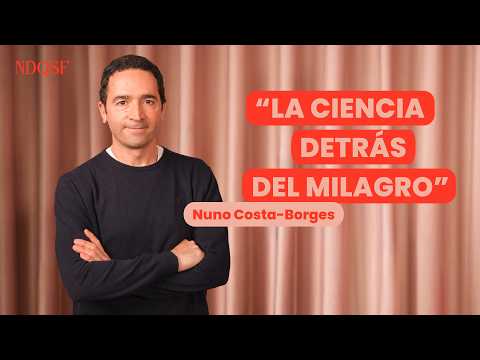
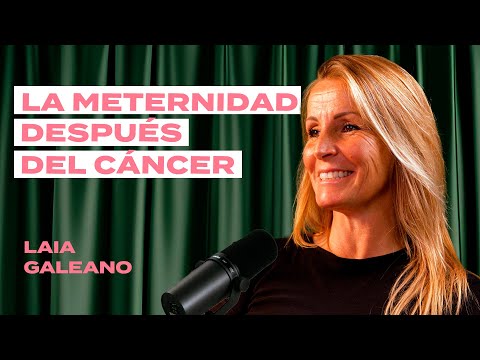
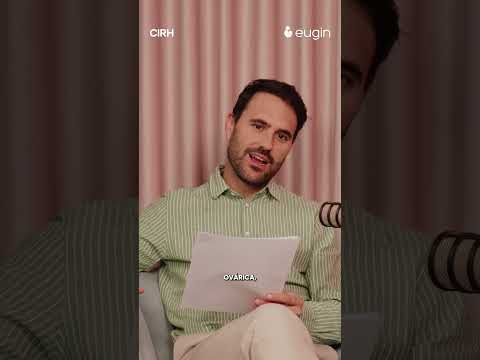
Female reproductive health is a complex mirror reflecting your overall physical and emotional well-being. For many, the journey to motherhood is interrupted by anovulation, a silent condition that accounts for a significant percentage of female infertility cases. In this insightful discussion, Dr. Carlos Dosouto and Chef Viky explore the medical causes of anovulation, the psychological toll of primary amenorrhea, and how a digital-first approach to nutrition can restore hormonal balance and hope.
Video Chapters & Quick Navigation
Defining Anovulation and Its Medical Causes
Anovulation occurs when an egg does not release from the ovary during a menstrual cycle. It is one of the leading contributors to female infertility, representing approximately 25% to 30% of all cases [00:12]. While the absence of a period (amenorrhea) is a clear sign, many women may experience seemingly normal cycles that are actually anovulatory.
Dr. Carlos Dosouto identifies several primary triggers for this condition. Polycystic Ovary Syndrome (PCOS) is the most common endocrine cause, characterized by hormonal imbalances that interfere with ovulation. Thyroid disorders, whether hypothyroidism or hyperthyroidism, can also disrupt the delicate feedback loop between the brain and the ovaries.
Interestingly, modern lifestyle factors play a massive role. High levels of chronic stress, excessive physical exercise, and maintaining a very low body weight can trigger the brain's "emergency mode," causing it to shut down non-essential functions like reproduction [00:30]. This is often seen in high-performance athletes or individuals under severe professional pressure.
Primary Amenorrhea: Viky's Personal Journey
Viky, an entrepreneur and chef, shares her harrowing experience with primary amenorrhea—a condition where a woman never starts her period during puberty. She describes a childhood where she felt "broken" or "not woman enough" because her body did not follow the expected biological timeline [03:24].
At age 14 or 15, Viky experienced a single day of staining, but the process never continued. For years, she relied on hormonal treatments like Progyluton and various contraceptives just to induce a regular cycle. This medical management, while necessary for uterine health, often masked the underlying emotional struggle of feeling different from her peers.
She emphasizes that the psychological impact of amenorrhea is often overlooked. The constant visits to doctors and the lack of a clear diagnosis can lead to a sense of "auto-boycott," where a woman begins to blame her own body for its perceived failures [04:24]. Viky’s story serves as a reminder that healing is as much about the mind as it is about the body.
Estrogen: The Vital Hormone for Long-Term Health
Dr. Dosouto explains that the lack of regular ovulation often results in chronically low levels of estrogen. Often called the "hormone of youth," estrogen is essential for much more than just reproduction. It plays a critical role in bone density, cardiovascular health, mental clarity, and memory.
Viky experienced the severe consequences of estrogen deficiency firsthand when she was diagnosed with osteoporosis at only 25 years old [07:33]. Typically seen in post-menopausal women in their 70s, osteoporosis at such a young age is a wake-up call regarding the importance of hormonal balance. Without sufficient estrogen, the body cannot effectively absorb calcium and maintain bone strength.
| Health Area | Role of Estrogen |
|---|---|
| Bone Health | Regulates bone turnover and maintains mineral density. |
| Cardiovascular | Helps maintain healthy cholesterol levels and flexible blood vessels. |
| Mental Health | Influences neurotransmitters like serotonin to stabilize mood. |
| Brain Function | Protects cognitive function and supports long-term memory. |
The Power of Anti-Inflammatory Nutrition for Reproductive Health
Faced with a diagnosis of osteoporosis and ongoing amenorrhea, Viky turned to integrative medicine and nutrition. She realized that while medication could provide hormones, her diet could provide the foundation for systemic health. This led her to embrace an anti-inflammatory diet focused on "Real Food."
Chronic low-grade inflammation is often an invisible barrier to fertility. Modern diets high in ultra-processed foods, refined sugars, and inflammatory oils (like soybean or corn oil) keep the body in a state of stress. By switching to high-quality fats (like extra virgin olive oil), lean proteins, and a wide variety of colorful vegetables, women can reduce this inflammatory load [24:35].
Viky's restaurant, MAAI, was born from this philosophy. She advocates for a diet that is "anti-inflammatory but not boring." She uses textures and colors to make healthy eating a pleasurable experience rather than a restrictive chore. For those struggling with PCOS or anovulation, reducing dietary inflammation can often improve insulin sensitivity and promote natural ovulation.
Navigating Motherhood After Infertility
Despite her history of amenorrhea, Viky successfully became a mother to two children. She conceived her first child at age 33 [13:42]. This success was a testament to identifying the specific cause of her infertility—anovulation—and addressing it with a combination of medical support and lifestyle changes.
However, the road was not without obstacles. Between her first and second child, Viky experienced a miscarriage, a traumatic event that she says changed her perspective on the second pregnancy. "You stop being innocent," she notes, describing the fear and anxiety that often haunt women who have experienced pregnancy loss [18:00].
Managing this fear requires a shift in mindset. Viky emphasizes the importance of self-talk and trusting one's body even when it has failed in the past. She believes that acknowledging the trauma rather than suppressing it is key to moving forward and eventually finding joy in a successful pregnancy.
Practical Tips for a Healthy Reproductive Lifestyle
Viky and Dr. Dosouto conclude that reproductive health is a lifelong project, not just a goal for when you want to get pregnant. Here are the core pillars they recommend for maintaining hormonal health:
- Real Food Only: Focus on ingredients that have three or fewer components on the label. If you can’t pronounce it, your body might struggle to process it [26:22].
- Strength Training: To combat bone density loss (osteopenia/osteoporosis), resistance training is essential. It signals the body to build and maintain bone mass.
- Mindful Eating: Eating should be an act of "stopping and being present." Lowering cortisol during meals improves digestion and nutrient absorption [11:15].
- Hormonal Awareness: Don't ignore symptoms like chronic migraines or digestive issues; they are often early warning signs of hormonal imbalance.
The journey through infertility and anovulation is rarely easy, but as Viky proves, with the right information, specialized care, and a commitment to self-care, the destination is reachable. Trusting the process and being kind to oneself are the most powerful tools any woman has.
Ready to Start Your Reproductive Health Journey?
PlacidWay Medical Tourism connects you with world-renowned specialists and state-of-the-art fertility clinics globally. Whether you are seeking a diagnosis for anovulation or exploring assisted reproduction, we provide the guidance you need.
GET A FREE CONSULTATION





.png)
.png)
.png)
.png)
.jpg)










Share this listing