


Facing multiple unsuccessful fertility treatments can be a profound challenge for many aspiring parents. If you are researching the Spindle Transfer procedure in Spain, you are likely looking for advanced solutions to overcome repeated IVF failures. This innovative technique offers a beacon of hope for patients dealing with persistent low embryo quality and poor oocyte development.
Navigating the complexities of reproductive science requires a deep understanding of why standard protocols sometimes fall short. Medical experts are continually exploring new frontiers to address these devastating medical setbacks. By evaluating the specific nuances of your fertility journey, specialists can better tailor their approach to your unique biological needs.
As scientific advancements progress, understanding your available clinical options becomes crucial for making informed healthcare decisions. The landscape of assisted reproduction is actively shifting toward highly personalized cellular interventions. Exploring these cutting-edge procedures empowers patients to advocate for their reproductive health effectively.
Video Chapters & Quick Navigation
The Emotional and Physical Impact of Repeated In Vitro Fertilization Failures
Experiencing consecutive setbacks in assisted reproductive technology cycles takes a significant toll on an individual's overall well-being. Patients often invest immense emotional and financial resources into each attempt, making unsuccessful outcomes deeply painful. Acknowledging this emotional burden is the first vital step toward healing and preparing for future medical interventions.
The physical demands of continuous hormonal stimulation and surgical egg retrievals cannot be understated by medical professionals. Your body requires adequate time to recover from the intense medication protocols used during traditional in vitro fertilization methods. Consulting with a compassionate medical team helps mitigate these physical stressors while mapping out a sustainable, long-term treatment plan.
Support systems play a critical role during this transitional phase of complex family planning. Engaging with professional counselors who specialize in fertility issues can provide invaluable and practical coping strategies. [00:00] Many modern fertility clinics now integrate psychological support directly into their comprehensive care models to assist patients navigating multiple unsuccessful embryo transfers.
It is essential to recognize that failing a single IVF cycle does not necessarily dictate the outcome of future attempts. The human reproductive system is incredibly complex, and cycle-to-cycle biological variations are entirely normal occurrences. Maintaining a resilient mindset while seeking evidence-based medical advice is crucial for long-term reproductive success.
Why Do Some Patients Experience Low Embryo Quality During IVF Treatments?
Analyzing the Factors Behind Poor Oocyte and Embryo Development
One of the most frustrating aspects of fertility treatment is the retrieval of poor-quality eggs, which directly impacts the resulting embryos. Maternal age is frequently cited as a primary factor, as oocyte quality naturally declines over an individual's lifetime. However, even much younger patients can occasionally experience unexplained diminished ovarian reserve or suboptimal egg development.
Genetic anomalies within the eggs themselves often prevent cultured embryos from reaching the crucial blastocyst stage of development. These microscopic chromosomal abnormalities can lead to developmental arrest in the laboratory or early implantation failure in the uterus. Identifying these subtle genetic factors requires sophisticated laboratory techniques and careful observation by highly experienced embryologists.
Environmental and lifestyle factors also play a subtle yet significant role in overall reproductive health markers. Chronic physiological stress, severe nutritional deficiencies, and prolonged exposure to certain toxins can negatively influence follicular development. Adopting a holistic approach to your health may help improve your baseline conditions before beginning another stimulation cycle.
The specific pharmacological protocol used during ovarian stimulation can sometimes yield suboptimal results for certain sensitive individuals. An overly aggressive medication regimen might prioritize egg quantity over quality, leading to immature or highly fragile oocytes. Adjusting the specific type, dosage, and timing of hormonal medications is a common clinical strategy to improve subsequent outcomes.
How Medical Professionals Evaluate Your Next Steps After an Unsuccessful IVF Cycle
The Importance of Individualized Care and Medical Environment Assessment
Determining the best course of action following an IVF failure requires a meticulous review of your entire medical history. [00:13] Specialists must strictly analyze fertilization rates, daily embryo grading reports, and endometrial receptivity markers to identify potential physiological roadblocks. This comprehensive diagnostic phase is absolutely critical for formulating a revised, more effective clinical treatment strategy.
Predicting the absolute success of future attempts is inherently complex due to the sheer multitude of biological variables involved. No single laboratory test can guarantee a positive outcome, making reproductive medicine both an art and an exacting science. Physicians rely heavily on statistical probabilities combined with intimate knowledge of your specific clinical presentation.
The pivotal decision to move forward must be tailored entirely to your unique physiological conditions and personal family-building goals. [00:23] A thorough and honest assessment of the medical environment ensures that any proposed interventions align with established safety protocols. Patients are strongly encouraged to weigh the realistic possibilities of success against the potential physical and emotional costs.
Advanced diagnostic tools, such as preimplantation genetic testing (PGT), are frequently recommended after repeated implantation failures occur. PGT allows skilled embryologists to screen embryos for chromosomal abnormalities prior to planning a uterine transfer. This targeted clinical approach significantly reduces the likelihood of transferring embryos that are biologically incompatible with sustaining a healthy pregnancy.
What is Maternal Spindle Transfer and How Does It Offer Hope for Extreme Cases?
Exploring the Science Behind Mitochondrial Replacement Therapy and Spindle Transfer
For patients facing the most challenging fertility obstacles, traditional IVF protocols may no longer provide a viable pathway to biological parenthood. This is precisely where groundbreaking scientific techniques like maternal spindle transfer come into the clinical conversation. [00:37] This highly specialized laboratory procedure aims to bypass cytoplasmic defects that inherently prevent healthy embryo development.
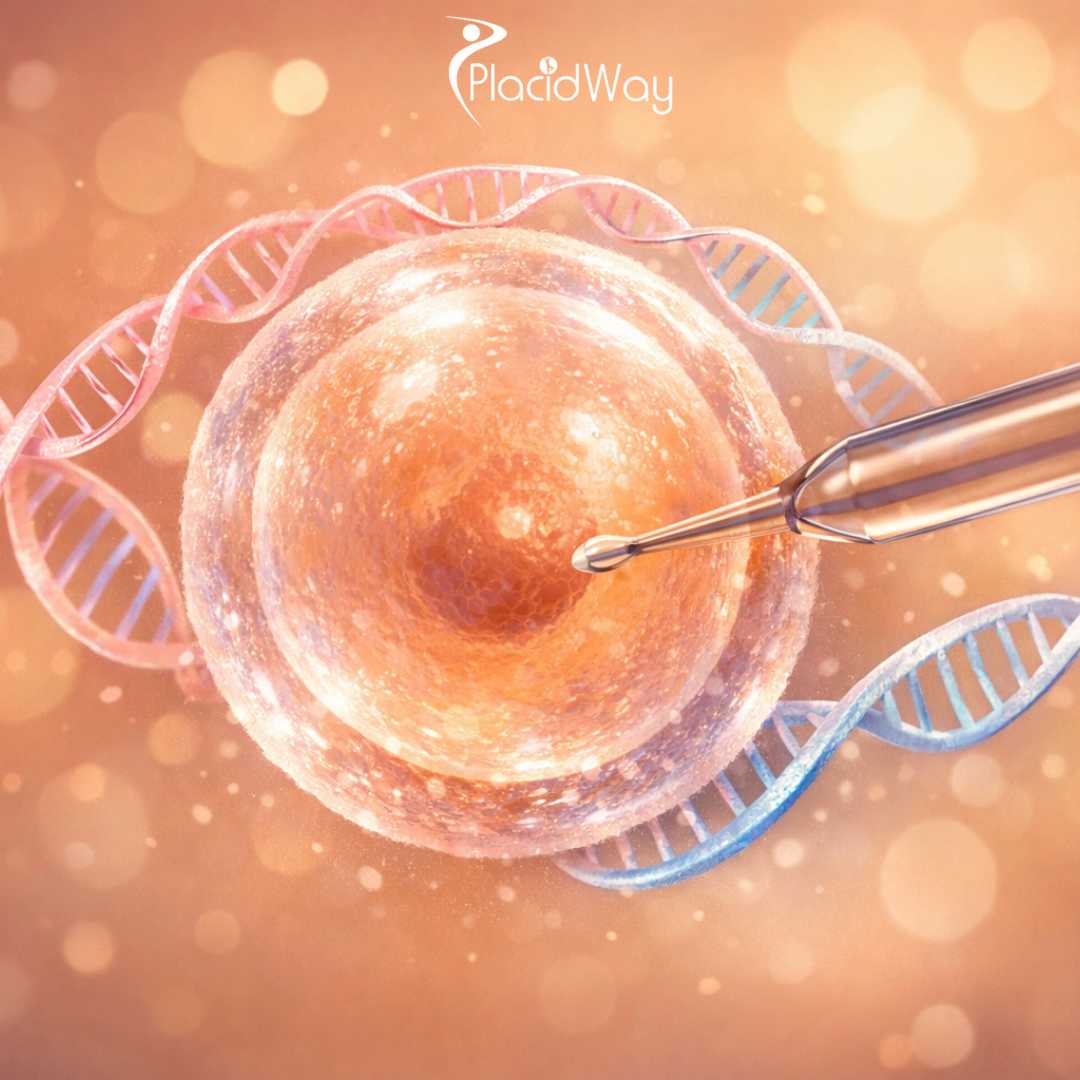
The spindle transfer procedure involves carefully extracting the nuclear DNA—the maternal spindle—from the intended patient's oocyte. This core genetic material is then meticulously injected into a healthy donor egg that has had its own nuclear DNA completely removed. The resulting reconstructed egg contains the intended mother's primary genetic identity but benefits immensely from the donor's healthy mitochondrial environment.
Mitochondria act as the vital cellular powerhouses, providing the necessary energy required for an embryo to divide and grow successfully. In many frustrating cases of repeated IVF failure, the patient's eggs suffer from severe mitochondrial dysfunction rather than nuclear genetic errors. By replacing this defective cytoplasm, reconstructive embryologists can theoretically restore the egg's natural ability to develop normally.
This microsurgical procedure represents a monumental paradigm shift in how we approach age-related fertility decline and specific genetic mitochondrial diseases. It offers a profound clinical alternative to standard egg donation, allowing the intended mother to maintain a direct genetic link to her child. The meticulous nature of this cellular surgery requires exceptional manual skill and highly advanced laboratory infrastructure.
Current Regulatory Challenges for Advanced Reproductive Procedures in Europe
Navigating the Legal Landscape of Spindle Transfer Clinical Trials
Despite the incredible scientific promise of mitochondrial replacement therapies, widespread clinical availability remains heavily restricted worldwide. Regulatory governmental bodies across the globe exercise extreme caution when evaluating procedures that alter human oocytes at such a fundamental genetic level. These stringent legal frameworks are specifically designed to ensure patient safety and ethical compliance in reproductive medicine.
As medical experts navigate these complex legal landscapes, patients must remain patient while the scientific community gathers necessary longitudinal safety data. [00:46] Carefully monitored pilot trials are currently underway to confidently demonstrate the long-term safety and viability of the spindle transfer technique. The published results of these initial clinical studies will heavily influence future policy decisions regarding widespread treatment implementation.
In Europe, the overarching regulatory environment for assisted reproductive technology varies significantly from one bordering country to another. While some nations maintain strict blanket prohibitions on genetic modifications, others are slowly opening legal doors for heavily monitored clinical research. This regional disparity often forces determined patients to consider cross-border reproductive care to access cutting-edge fertility treatments.
Advocacy for expanded public access to advanced fertility treatments is rapidly gaining momentum among medical professionals and established patient organizations. Clear, evidence-based government legislation is essential to seamlessly integrate these innovations into standard, daily clinical practice responsibly. Continued transparent dialogue between active scientists, clinical ethicists, and federal lawmakers will ultimately shape the future of global fertility care.
Advanced Laboratory Techniques for Enhancing Embryo Viability
Exploring Innovations Beyond Standard Incubation and Culturing
Modern embryology laboratories employ a wide variety of sophisticated techniques designed to continuously maximize the developmental potential of every fertilized egg. Time-lapse incubation systems, for example, allow clinical embryologists to monitor cellular division continuously without ever disturbing the delicate culture environment. This uninterrupted microscopic observation provides critical data points that help identify the specific embryos with the absolute highest likelihood of successful implantation.
Another highly significant advancement in standard laboratory protocols is the use of specialized culture media that closely mimics natural human biology. These formulated nutrient-rich solutions support the fragile embryo during its most vulnerable early stages of rapid cell division. By carefully optimizing these external laboratory conditions, elite clinics can significantly reduce the statistical rates of unexplained developmental arrest in vitro.
The integration of artificial intelligence software into standard embryo selection processes is rapidly transforming the entire landscape of reproductive medicine. Sophisticated AI algorithms instantly analyze thousands of minute time-lapse images to mathematically predict which embryos are structurally most robust. This incredible technological leap promises to enhance overall clinical success rates and drastically reduce the emotional time to pregnancy for many couples.
How to Prepare Mentally and Physically for Alternative Fertility Treatments
Establishing Realistic Expectations for Future IVF Attempts
Embarking on an entirely new treatment path inherently requires a solid personal foundation of both physical readiness and emotional stability. Taking a planned medical hiatus between cycles allows your body to safely clear residual medications and normalize its hormonal baseline. This necessary physical rest period is equally important for consciously processing previous medical disappointments and rebuilding your personal mental resilience.
Targeted nutritional optimization can play a highly supportive background role in enhancing your overall cellular health prior to attempting advanced procedures. Actively incorporating an anti-inflammatory diet rich in potent antioxidants helps physically protect developing oocytes from damaging oxidative stress. Consulting with a specialized fertility nutritionist can easily provide a personalized dietary framework perfectly tailored to your specific reproductive challenges.
Setting emotionally realistic expectations is arguably the single most critical component of your overarching mental preparation strategy. While laboratory innovations like spindle transfer offer incredible scientific potential, they are never guaranteed cures for complex, multi-factor infertility issues. Deeply understanding the statistical clinical probabilities of success helps mitigate future psychological disappointment and keeps you grounded throughout the process.
- Incorporate holistic stress reduction techniques: Modalities like fertility acupuncture or guided meditation can physically lower systemic cortisol levels, creating a more hospitable biological environment.
- Build a dedicated professional support network: Connecting with licensed therapists and local support groups provides a crucial psychological safety net during highly stressful treatment phases.
Comparing Traditional IVF Methods with Innovative Spindle Transfer Techniques
A Breakdown of Success Rates and Potential Advancements
Thoroughly understanding the fundamental biological differences between standard protocols and advanced microsurgical techniques helps clearly define your realistic reproductive options. Traditional in vitro fertilization relies entirely on the inherent cellular quality of the patient's unaltered oocytes and the partner's provided sperm. In stark contrast, mitochondrial replacement therapies actively and physically modify the cellular environment to forcefully overcome specific biological deficiencies.
| Clinical Feature | Traditional IVF Methods | Spindle Transfer Procedure |
|---|---|---|
| Primary Oocyte Source | Patient's unaltered biological egg | Patient's nucleus combined with donor's cytoplasm |
| Main Medical Indication | General or unexplained infertility factors | Repeated failures and diagnosed mitochondrial dysfunction |
| Biological Genetic Link | 100% maternal and paternal DNA | Primary maternal nuclear DNA is strictly preserved |
| Current Regulatory Status | Universally approved standard medical care | Highly experimental, limited strictly to authorized clinical trials |
This comparative clinical analysis visibly underscores the highly specialized nature of advanced reconstructive embryology within modern fertility care. Traditional methods unquestionably remain the global gold standard for the vast majority of patients seeking immediate fertility assistance worldwide. However, for the small subset of individuals dealing with persistent, unexplained embryo developmental arrest, alternative cellular innovations represent the next logical scientific step.
The financial costs associated with these advanced reconstructive procedures vary significantly due to the intense laboratory resources routinely required. These delicate reconstructive techniques demand extremely specialized equipment and highly trained embryologists specifically capable of performing intricate cellular microsurgery. Patients must always carefully review the total financial implications with their clinic's billing department before committing to experimental treatment protocols.
Frequently Asked Questions About Overcoming Low Quality Embryos and IVF Setbacks
Navigating the frustrating complexities of fertility treatments naturally brings up numerous detailed questions regarding standard protocols and expected clinical outcomes. We have professionally compiled expert answers to some of the most common medical inquiries related to overcoming significant reproductive laboratory challenges. Actively empowering yourself with accurate, evidence-based information is essential for making highly confident decisions about your ongoing reproductive care.
Can Lifestyle Changes Drastically Improve Egg Quality for My Next IVF Cycle?
While basic lifestyle modifications absolutely cannot reverse chronological biological aging, they can significantly optimize your baseline cellular health markers. Quitting smoking, strictly reducing alcohol intake, and clinically managing chronic stress directly create a much healthier environment for optimal follicle maturation. Implementing a targeted nutritional supplement regimen, exactly as advised by your endocrinologist, may also provide marginal egg quality improvements over several months.
How Long Should I Wait Before Attempting Another Round of IVF?
Most reproductive specialists strongly recommend waiting at least one to two full natural menstrual cycles between rigorous ovarian stimulation protocols. This necessary rest period successfully allows your ovaries to fully recover from unnatural swelling and helps your hormone levels return to their natural baseline. However, your attending physician will always provide a highly customized treatment timeline based entirely on your specific medical history and age.
Are There Any Proven Alternatives if the Spindle Transfer Procedure is Not Available?
If experimental mitochondrial therapies are legally inaccessible in your region, standard egg donation remains the absolute most statistically successful clinical alternative. Using high-quality eggs from a young, rigorously screened medical donor effectively bypasses severe maternal age-related issues and complex mitochondrial dysfunction. While this specific path requires willingly relinquishing a direct genetic link, it consistently offers remarkably high clinical pregnancy success rates.
What Role Does Sperm Quality Play in Repeated Embryo Arrest?
Male sperm quality is a highly critical, yet sometimes unfortunately overlooked, biological factor in early embryo development and successful implantation. High diagnostic levels of sperm DNA fragmentation can easily lead to poor embryo grading and spontaneous miscarriage, completely regardless of excellent egg quality. Advanced laboratory sorting techniques like MACS or PICSI can drastically help embryologists accurately select the most physically robust sperm for initial fertilization.
How Does Endometrial Receptivity Affect IVF Success?
Even the most genetically perfect, highly graded blastocyst cannot successfully implant if the surrounding uterine environment is not optimally prepared biologically. Endometrial receptivity specifically refers to the narrow physiological window of time when the uterine lining is chemically and structurally ready for cellular attachment. Advanced diagnostic uterine tests, such as the Endometrial Receptivity Analysis, can accurately pinpoint this exact window for your personalized transfer timeline.
Ready to Explore Advanced Fertility Solutions?
If you are experiencing repeated IVF failures and want to learn more about specialized procedures like Spindle Transfer, connect with top-tier medical specialists to discuss your unique options.
Get Free QuoteView Full Video Transcript
[00:00] Interviewer:
Como científico, ¿qué le dirías a una paciente o a unos pacientes que llevan muchos fracasos? Específicamente el tema de pues obtener pocos embriones, de baja calidad... ¿alguna observación o reflexión como científico?
[00:13] Nuno Costa-Borges, PhD:
Es difícil, la verdad, porque es muy complicado decir qué es lo que va a pasar, porque no puedes predecir si en un próximo intento si va a funcionar o no.
[00:23] Nuno Costa-Borges, PhD:
Creo que al final es una decisión que tienen que tomar en base a las condiciones de cada uno, el entorno médico, las posibilidades que hay de que realmente pueda funcionar o no, se tienen que valorar muy bien.
[00:37] Nuno Costa-Borges, PhD:
Y a día de hoy, pues a mí me gustaría poder ofrecerles el Spindle Transfer por ejemplo, pero lo que hablábamos antes, todavía no hay regulación.
[00:46] Nuno Costa-Borges, PhD:
Se hizo un primer ensayo piloto, estamos esperando a que se muevan las cosas para poder ofrecer en casos extremos pues alguna alternativa a los métodos tradicionales.





.png)




.jpg)









Share this listing