


Welcome to this deeply informative resource detailing the Preimplantation Genetic Testing procedure in Mexico. Navigating modern reproductive healthcare requires access to highly accurate, science-backed laboratory information. This advanced genetic screening technique allows fertility specialists to identify specific chromosomal anomalies before a pregnancy ever occurs.
By leveraging cutting-edge molecular diagnostics alongside standard IVF protocols, prospective parents can vastly increase their chances of delivering a healthy baby. We will meticulously explore how the initial embryo biopsy works, examine the crucial differences between normal and abnormal embryos, and discuss why pursuing reproductive medicine abroad offers tremendous clinical value.
Video Chapters
- 1. Understanding Preimplantation Diagnostics
- 2. Primary Indications for Screening
- 3. Exploring PGT-A for Chromosomes
- 4. Utilizing PGT-M for Genetic Mutations
- 5. The Embryo Biopsy Process
- 6. Euploid vs Aneuploid Outcomes
- 7. Who Should Consider Advanced Testing?
- 8. Strategic Advantages of Clinics Abroad
- 9. Post-Testing Protocol Preparation
- 10. Managing Implantation Expectations
Understanding Preimplantation Genetic Testing During IVF Treatment
What Exactly is Preimplantation Genetic Diagnosis?
Preimplantation Genetic Testing represents a monumental leap in reproductive endocrinology and laboratory medicine. As detailed at [00:00], PGT is fundamentally a pre-implantational diagnostic evaluation of embryos created outside the body. Fertility clinics leverage this technology alongside standard In Vitro Fertilization cycles to evaluate early-stage cellular development.
The overarching goal of this molecular testing is to ensure that only the healthiest, most genetically sound embryos are selected for the final uterine transfer. This scientific advancement significantly diminishes the chances of failed implantation caused by invisible genetic flaws. Patients investing in an IVF cycle gain profound diagnostic clarity regarding their overall reproductive potential.
By moving away from purely visual embryo grading, embryologists now actively analyze the actual internal genetic makeup of the cellular structure. This systemic shift has redefined clinical success rates across the global fertility industry. The capability to comprehensively screen for specific genetic conditions before a pregnancy occurs is a massive triumph for preventative medicine.
The Critical Role of Embryo Biopsy in Fertility Treatment
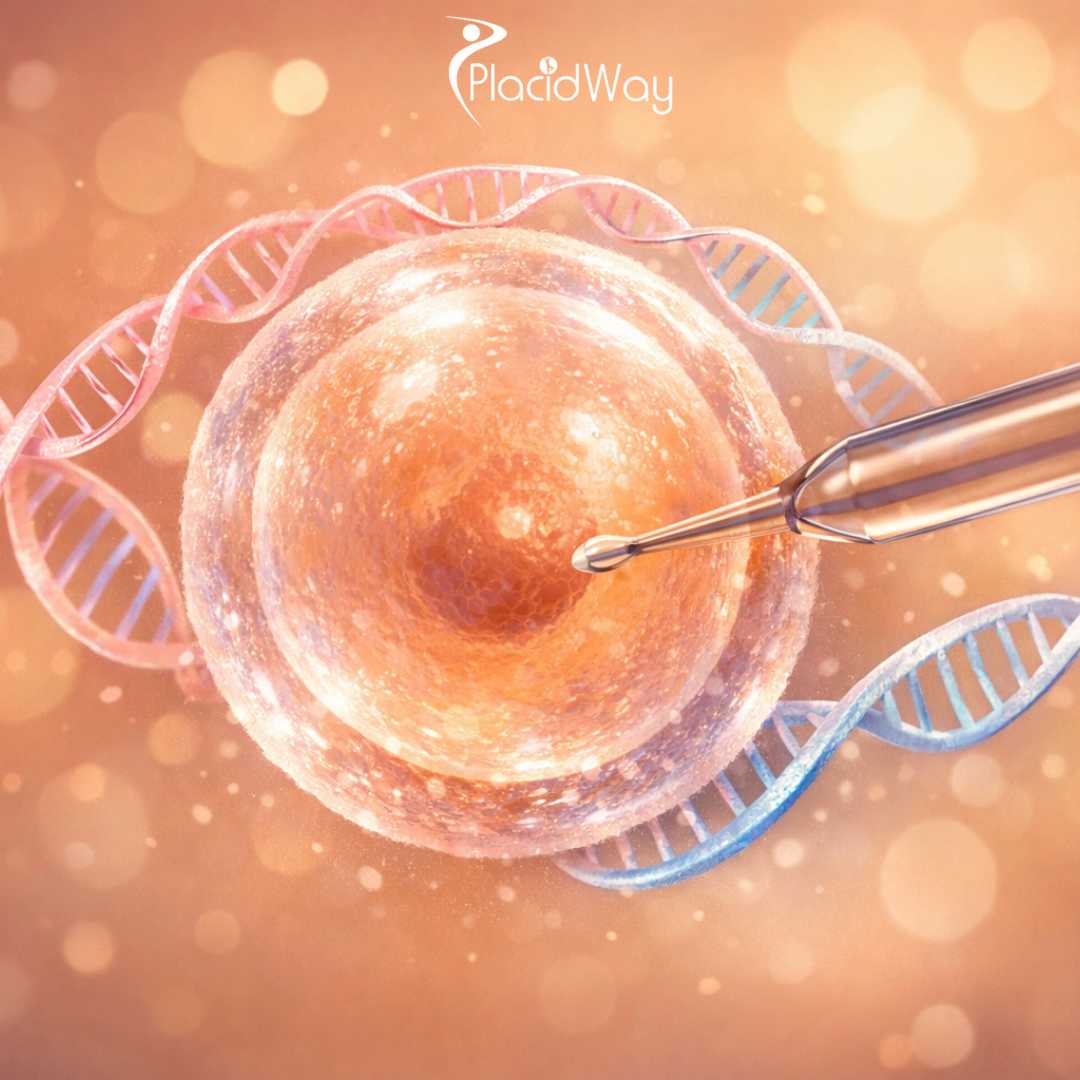
The core physical requirement of this diagnostic marvel is the highly specialized cellular extraction process. The medical specialist explicitly notes at [00:05] that the entire protocol consists of biopsying the embryos for thorough laboratory analysis. Highly trained clinical embryologists perform this delicate surgical task using microscopic thermal lasers and precise aspiration pipettes.
This micro-surgical procedure is typically performed on day five or day six of continuous embryo development. At this specific timeline, the embryo has reached the resilient blastocyst stage and contains hundreds of rapidly dividing cells. Waiting until this advanced stage ensures the embryo structure is robust enough to easily survive the biopsy procedure.
During the physical extraction, the embryologist safely targets the outer layer of cells known strictly as the trophectoderm. This targeted laboratory approach guarantees that the inner cell mass, which eventually forms the actual fetus, remains completely untouched. Such meticulous physical precision completely safeguards the developmental viability of the future child.
Primary Indications for Preimplantation Genetic Screening of Embryos
Advanced Maternal Age and Oocyte Quality Decline
One of the most frequent reasons fertility patients pursue genetic testing is to combat the harsh realities of advanced maternal age. A woman is born with her entire lifetime supply of eggs, and the biological quality of these oocytes naturally degrades over decades. Clinical data referenced at [00:59] clearly establishes that patients starting from thirty-five to thirty-seven years of age become far more exposed to these chromosomal errors.
This age-related reproductive decline heavily impacts the intricate spindle apparatus responsible for correctly dividing chromosomes during fertilization. When chromosomes fail to separate evenly during meiotic division, the resulting embryo ends up with a highly chaotic genetic payload. Preimplantation testing actively identifies these microscopic errors before any transfer protocol occurs.
By incorporating comprehensive genetic screening, fertility specialists can efficiently bypass the primary biological hurdle of age-related infertility. This targeted medical intervention is strictly essential for patients who face a steeper decline in overall reproductive potential. It levels the clinical playing field, offering older prospective mothers a highly optimized pathway to success.
Cellular Aging and Spindle Apparatus Deterioration
The specific biological mechanism severely driving poor embryo quality is rooted deeply in irreversible cellular deterioration. The expert highlights at [00:46] that as women age, cellular aging unfortunately means there can be significant chromosomal anomalies within the eggs. These dormant eggs continuously accumulate massive amounts of oxidative stress while residing internally in the ovaries.
When these older eggs are finally recruited for ovulation or surgically retrieved during an IVF cycle, their mechanical ability to undergo perfect cell division is compromised. The mitochondria, which actively act as the cellular powerhouses, simply lack the biological energy required to perfectly align the genetic material. This leads directly to the creation of embryos that cannot medically sustain a viable pregnancy.
Fertility doctors rely entirely on genetic testing as a vital diagnostic safety net to catch these cellular division errors early. The laboratory essentially takes over the vital quality control process that the aging reproductive ovary can no longer perform efficiently. This rigorous protocol ensures patients do not waste valuable time transferring fundamentally unviable embryos.
Exploring PGT-A for Chromosomal Abnormality Detection
Preventing Trisomy 21 and Other Severe Chromosomal Issues
PGT-A stands for Preimplantation Genetic Testing for Aneuploidies, designed specifically to accurately count the total number of chromosomes within a given embryo. One of the most prominent chromosomal abnormalities linked directly to maternal age is Down syndrome. The expert specifically mentions Trisomy 21 at [00:54] as a primary diagnostic condition that can spontaneously occur in the developing embryo.
Trisomy 21 biologically happens when an extra copy of the twenty-first chromosome completely fails to separate, leading to distinct physical features and lifelong cognitive disabilities. Beyond Down syndrome, PGT-A effectively screens for Trisomy 18, commonly known as Edwards syndrome, and Trisomy 13, medically known as Patau syndrome. Both of these latter genetic conditions present exceptionally severe clinical outcomes.
By utilizing comprehensive chromosomal screening, parents can actively avoid the profound emotional heartbreak associated with these late-term genetic diagnoses. The laboratory testing guarantees that the transferred embryo contains the standard forty-six chromosomes required for normal human development. This proactive screening protocol dramatically improves the medical safety profile of the entire pregnancy.
Identifying Aneuploid Versus Euploid Embryos in the Laboratory
Understanding the distinct biological difference between aneuploid and euploid embryos is absolutely paramount for any fertility patient. A euploid embryo possesses the exact correct number of chromosomes and represents the clinical gold standard for implantation. The video heavily outlines at [01:15] the sheer importance of selecting these euploid embryos because they possess a strictly normal karyotype.
Conversely, an aneuploid embryo harbors either missing or extra chromosomes that aggressively prevent standard cellular growth. As strictly defined in the presentation at [01:23], an alternative classification involves aneuploid embryos that present severe chromosomal anomalies such as unexpected trisomy or monosomy. Transferring an aneuploid embryo almost inevitably results in early clinical miscarriages or implantation failure.
Separating these two distinct categories in the highly controlled environment of the embryology lab optimizes the final clinical outcome. Patients are entirely spared the physical toll of undergoing an embryo transfer destined to fail. The laboratory essentially acts as the ultimate filter for long-term reproductive success.
Utilizing PGT-M for Inherited Genetic Disease Prevention
Screening for a Family History of Genetic Mutations
While PGT-A evaluates the overall chromosome count, PGT-M focuses sharply on specific single-gene defects hidden deep within the DNA. This highly specialized targeted testing is referenced at [01:28] for couples where there exists in the family a known, inherited genetic disease. It is a highly tailored laboratory procedure designed specifically for individuals who carry a documented genetic mutation.
Common severe conditions successfully screened through the PGT-M pathway include cystic fibrosis, Huntington's disease, sickle cell anemia, and spinal muscular atrophy. The clinical expert clearly explains at [01:38] that because the specific disease-causing genes are strictly carried by the chromosomes, they can be accurately mapped. This advanced mapping strictly prevents the transmission of debilitating hereditary conditions.
Before the actual IVF stimulation cycle begins, the genetics laboratory must construct a unique genetic probe using DNA samples directly from both parents. This custom-built diagnostic assay ensures that the specific inherited mutation is flawlessly detected within the biopsied embryo cells. The customized nature of PGT-M makes it one of the most advanced medical procedures available today.
Comparing PGT-A and PGT-M Diagnostics
| Feature | PGT-A (Aneuploidy) | PGT-M (Monogenic/Single Gene) |
|---|---|---|
| Primary Goal | Counts chromosomes to ensure exactly 46 are present. | Screens for a highly specific inherited genetic mutation. |
| Target Audience | Women over 35, recurrent miscarriage, IVF failure. | Couples with a known family history of a severe genetic disease. |
| Conditions Prevented | Down Syndrome, Edwards Syndrome, Patau Syndrome. | Cystic Fibrosis, Sickle Cell, Huntington's Disease. |
| Probe Creation | Uses standard next-generation sequencing medical panels. | Requires a custom genetic probe built directly from parental DNA. |
Safeguarding Future Generations from Inherited Conditions
The ultimate objective of utilizing PGT-M is to permanently break the destructive biological cycle of hereditary diseases within a family tree. The specialist sternly warns at [01:46] that carrying a genetic mutation poses a devastating risk of developing the genetic disease after birth. PGT-M directly mitigates this exact clinical risk by identifying which specific embryos have inherited the harmful genetic sequence.
Prospective parents can confidently instruct the clinic to transfer exclusively those embryos that are completely free of the targeted familial disease. This proactive laboratory approach not only protects the immediate physical health of the planned child but also eradicates the genetic mutation from all future descendent lineages. The scientific ability to alter a family's genetic destiny is truly revolutionary.
Patients who are intimately aware of their carrier status frequently pursue the Preimplantation Genetic Testing procedure in Mexico to access these services affordably. By stepping completely outside their domestic healthcare systems, they secure top-tier genetic screening without facing insurmountable medical debt. This access fundamentally democratizes advanced preventative reproductive care.
The Step-by-Step Embryo Biopsy and Karyotype Analysis Process
Laser-Assisted Hatching and Trophectoderm Extraction
The physical micro-process of genetically testing an embryo requires immense technical precision and an ultra-modern embryology laboratory. To safely extract the required cells, the senior embryologist heavily uses a microscopic thermal laser to create a tiny opening in the zona pellucida, the embryo's protective outer shell. This technique safely allows a small cluster of trophectoderm cells to naturally protrude outward.
Once these specific cells are highly accessible, a specialized glass micropipette gently aspirates three to five cells completely away from the main structure. The biopsied cellular fragments are then carefully loaded into microscopic test tubes and immediately frozen for secure transit. Meanwhile, the actual blastocyst itself is cryopreserved using rapid vitrification to safely await the final genetic results.
This highly synchronized laboratory workflow perfectly ensures the absolute utmost safety and long-term viability of the delicate embryo. Clinics performing the Preimplantation Genetic Testing procedure in Mexico actively utilize the exact same state-of-the-art laser systems found in major American reproductive centers.
Next-Generation Sequencing for Precise Genetic Evaluation
Following a highly successful biopsy, the extracted cellular material is safely transported to a dedicated molecular genetics laboratory for comprehensive analysis. The medical specialist explicitly notes at [01:11] that this step is absolutely vital to analyze the karyotype, which fundamentally means studying the internal chromosomes. Today, the vast majority of premium laboratories strictly utilize a technology known as Next-Generation Sequencing.
Next-Generation Sequencing aggressively amplifies the minuscule amount of DNA extracted during the biopsy. This allows highly advanced computer algorithms to accurately read and sort millions of microscopic DNA fragments simultaneously. This high-resolution mapping precisely counts the individual chromosomes and instantly flags any missing or duplicated genetic material.
The sheer diagnostic accuracy of modern molecular sequencing has made embryo screening far more reliable and clinically definitive than ever before. Patients instantly receive detailed laboratory reports indicating exactly which embryos are suitable for immediate medical transfer. This eliminates entirely the guesswork that historically plagued early fertility treatments.
Comparing Euploid and Aneuploid Embryo Transfer Outcomes
Why Euploid Embryos Dramatically Increase IVF Success Rates
The core clinical philosophy behind incorporating genetic testing into routine IVF is to heavily maximize the mathematical success rate per transfer. By deliberately isolating and transferring only a verified euploid embryo, fertility specialists successfully bypass the largest single variable in reproductive medicine. Genetically normal embryos naturally exhibit vastly superior uterine implantation rates compared to untested morphological counterparts.
Knowing an embryo is chromosomally normal allows treating physicians to confidently perform elective Single Embryo Transfers. In previous decades, clinics routinely transferred multiple untested embryos in hopes that at least one would successfully implant, frequently leading to highly risky twin or triplet pregnancies. Modern genetic screening empowers clinicians to achieve extremely high pregnancy rates while maintaining the biological safety profile of a singleton gestation.
This targeted diagnostic approach entirely removes the guesswork from the complex embryo selection process. Patients no longer have to endure endless cycles of failed transfers using embryos that looked beautiful under a microscope but were genetically chaotic inside. The focus shifts entirely to genetic viability over simple visual aesthetics.
Reducing Miscarriage Rates with Genetically Tested Embryos
Experiencing an unexpected pregnancy loss is undeniably one of the most emotionally devastating outcomes a fertility patient can ever endure. Extensive medical statistics clearly demonstrate that the vast majority of early first-trimester miscarriages are directly caused by underlying chromosomal abnormalities. By strictly avoiding the transfer of aneuploid embryos, fertility clinics drastically reduce the overall clinical miscarriage rate.
Patients who actively utilize comprehensive genetic screening experience a considerably smoother psychological journey throughout their critical first trimester. Knowing the growing embryo has already successfully passed rigorous chromosomal checks dramatically alleviates pervasive anxiety regarding early pregnancy loss. This profound diagnostic foresight fundamentally transforms the modern patient experience.
- Higher Implantation Rates: Genetically normal cellular structures implant highly efficiently into the prepared uterine lining.
- Lower Miscarriage Risk: Effectively eliminates the primary biological cause of early-stage pregnancy loss.
- Safer Pregnancies: Enables highly successful single embryo transfers, preventing hazardous multiple gestations.
Who Should Consider Advanced Embryo Genetic Testing?
Recommended Age Groups and Specific Medical Histories
While embryo genetic testing currently offers tremendous benefits to a wide variety of fertility patients, it is particularly advantageous for highly specific clinical demographics. Women aged thirty-five and older are universally encouraged to pursue PGT-A due to the statistically proven rapid decline in oocyte genetic integrity over time. However, advanced maternal age is certainly not the exclusively qualifying medical factor for this intensive screening.
Couples currently dealing with severe male factor infertility also stand to massively benefit from detailed embryo diagnostics. Extremely high levels of sperm DNA fragmentation can significantly contribute directly to the creation of aneuploid embryos, regardless of the female partner's age. A comprehensive diagnostic fertility assessment heavily helps determine if adding genetic screening aligns properly with the couple's specific medical diagnosis.
The ability to isolate exact causes of infertility through laboratory genetic analysis saves both extreme financial costs and emotional hardship. It provides patients with a highly accurate roadmap regarding their biological limitations and exact clinical possibilities.
Addressing Repeated IVF Failure and Implantation Issues
Patients who have previously endured multiple expensive, completely failed IVF cycles often feel profoundly discouraged and medically confused. In many of these complex unexplained failure cases, the underlying biological root cause is microscopic embryonic aneuploidy that was simply never diagnosed initially. Implementing genetic screening heavily helps the medical team accurately uncover whether the previous clinical failures were tied to embryo genetics or the maternal uterine environment.
Similarly, individuals tragically suffering from recurrent pregnancy loss can find extremely critical medical answers through advanced embryo screening. By absolutely confirming the precise genetic normality of the embryo prior to the transfer, the physician can completely rule out the embryo itself as the source of the repeated miscarriages. The clinical team can then exclusively pivot their diagnostic focus toward rigorously investigating immunological or structural factors affecting the uterus.
Providing such targeted diagnostic data transforms previously hopeless clinical situations into highly manageable treatment plans. Patients feel deeply empowered when they finally uncover the hidden genetic reasons behind their long-standing reproductive struggles.
Strategic Advantages of the Preimplantation Genetic Testing Procedure in Mexico
Accessing Affordable IVF Options with Comprehensive Genetic Screening
One of the most pressing hurdles in reproductive medicine today is the utterly prohibitive cost of fertility treatment in countries like the United States and Canada. Pursuing the Preimplantation Genetic Testing procedure in Mexico provides a highly cost-effective alternative without ever slightly compromising on medical excellence or laboratory safety. Patients routinely save thousands of dollars on both the primary IVF cycle and the associated intensive laboratory diagnostic fees.
This significantly reduced financial burden explicitly allows couples to potentially afford multiple egg retrieval cycles if deemed strictly necessary by their doctor. The highly favorable exchange rate and significantly lower administrative overhead costs in Mexico translate directly to massive out-of-pocket savings for the traveling patient. This widespread financial accessibility is a primary driving force continuously fueling the rapidly expanding medical tourism industry.
Removing the devastating financial stress from the fertility equation allows patients to focus entirely on their physical and mental health. This directly contributes to far better outcomes, as reduced stress levels positively impact the overall hormonal balance required for implantation.
Partnering with Leading International Fertility Clinics
Opting to receive specialized fertility treatments internationally absolutely does not mean heavily sacrificing the quality of clinical or laboratory care. Top-tier fertility clinics located in Mexico heavily boast internationally trained reproductive endocrinologists and state-of-the-art sterile embryology laboratories. These advanced medical facilities actively utilize the exact same highly sophisticated Next-Generation Sequencing technology commonly found in the most premium North American clinics.
To efficiently streamline the international treatment process, many patients widely utilize established medical tourism platforms to connect seamlessly with certified clinics. These dedicated medical organizations heavily assist with rigorously coordinating virtual doctor consultations, securely managing travel logistics, and handling strict clinical treatment scheduling. This comprehensive logistical support network strictly ensures that patients receive world-class medical care while experiencing a perfectly stress-free journey abroad.
Traveling for complex reproductive care has become a highly standardized, incredibly safe clinical pathway. The seamless integration of concierge services with top-tier medical protocols guarantees an unparalleled patient experience.
Post-Testing Protocols and Preparing for Embryo Implantation
Vitrification and Cryopreservation of Biopsied Embryos
Because modern genetic sequencing heavily requires several days to completely yield accurate molecular results, the biopsied embryos must be temporarily frozen. Clinics meticulously utilize a highly advanced flash-freezing technique known explicitly as vitrification. This ultra-rapid cooling process entirely prevents damaging ice crystals from ever forming inside the delicate embryonic cells.
Vitrification heavily boasts an exceptional clinical survival rate, with over ninety-eight percent of blastocysts perfectly thawing for future medical transfers. This completely reliable cryopreservation technology is exactly what logically makes Preimplantation Genetic Testing strictly possible in modern reproductive medicine. Patients can highly rest assured that their tremendously valuable embryos remain completely safe while stored indefinitely in liquid nitrogen tanks.
The ability to pause biological time grants the medical team the necessary buffer to thoroughly review all genetic reports. It completely removes the pressure of performing a rushed fresh transfer with potentially disastrous genetic outcomes.
Hormonal Preparation for the Frozen Embryo Transfer
Once the highly detailed genetic report confirms the strict existence of a healthy euploid embryo, the clinic begins thoroughly preparing the patient for the Frozen Embryo Transfer. This intensive preparation typically involves a carefully monitored clinical protocol of estrogen patches and daily progesterone injections. The ultimate biological goal is to perfectly mimic the highly precise natural hormonal environment intrinsically required for successful implantation.
Doctors very closely monitor the exact thickness of the endometrial lining strictly via transvaginal ultrasounds to heavily pinpoint the absolute optimal day for the transfer. Once the internal uterine environment is medically deemed perfectly receptive, the genetically cleared embryo is slowly thawed and gently placed completely inside the uterus using a fine microscopic catheter. This highly synchronized biological timing is paramount.
The precision involved in timing the frozen transfer perfectly aligns the highest quality embryo with the most receptive uterine lining. This heavily controlled process vastly outperforms the unpredictable nature of traditional fresh transfers.
Managing Implantation Expectations
Navigating the Two-Week Wait
Following the physical transfer, patients immediately enter the notorious two-week wait before they can officially take a beta hCG blood pregnancy test. While this specific waiting period remains emotionally challenging, the immense knowledge gained from prior genetic testing heavily provides a massive layer of profound comfort. Patients understand perfectly they have done absolutely everything scientifically and medically possible to secure a highly positive outcome.
Walking directly into the transfer room completely knowing the embryo is thoroughly cleared of major genetic anomalies fundamentally alters the patient's entire mindset. The ability to actively mitigate the severe risks of genetic diseases, heavily avoid heartbreaking miscarriages, and directly optimize overall implantation rates changes the entire modern fertility landscape. Through heavily informed, highly strategic decision-making, building a completely healthy family becomes a highly attainable medical reality.
This profound clinical assurance is exactly why the Preimplantation Genetic Testing procedure in Mexico is highly sought after by thousands of international patients annually. It bridges the critical gap between intense clinical hope and absolute scientific certainty.
Take the Next Step Towards a Healthy Family
If you are ready to critically explore your clinical options for the Preimplantation Genetic Testing procedure in Mexico, our medical network is heavily prepared to guide you. Discover highly affordable, absolutely world-class IVF treatments perfectly designed to protect your future generations.
Get Free QuoteView Full Video Transcript
[00:00] PGT, donc est un diagnostic préimplantatoire des embryons.
[00:05] Ça consiste à biopsier les embryons, peut-être qu'il faut le rappeler hein.
[00:08] Et ça consiste à biopsier les embryons pour les analyser.
[00:11] Donc la question peut se poser selon les indications.
[00:15] Il y a des indications pour le diagnostic préimplantatoire d'un embryon pour savoir s'il est chromosomiquement normal.
[00:22] Et l'autre partie c'est de savoir si l'embryon est porteur d'anomalies génétiques, de mutations génétiques.
[00:29] Et qui pourrait l'amener à développer une maladie génétique. Voilà.
[00:32] Donc les deux aspects sont un petit peu différents.
[00:35] Le diagnostic préimplantatoire pour connaître les malformations chromosomiques.
[00:40] Il est proposé généralement à des patientes qui ont un certain... enfin selon l'âge de la patiente.
[00:46] On sait qu'avec l'âge malheureusement le vieillissement cellulaire fait qu'il peut y avoir des anomalies chromosomiques.
[00:54] La plus connue étant la trisomie 21 qui peut survenir chez l'embryon.
[00:59] Donc on sait que les patientes à partir de 35-37 ans sont plus exposées à ces anomalies chromosomiques.
[01:05] Et donc on leur propose de faire un diagnostic préimplantatoire de l'embryon qui consiste à le biopsier.
[01:11] À analyser son caryotype, c'est donc étudier ses chromosomes.
[01:15] Et ensuite de sélectionner quels sont les embryons qui sont dits euploïdes, c'est-à-dire qu'ils ont un caryotype strictement normal.
[01:23] À côté des embryons qui sont aneuploïdes, c'est-à-dire qui présentent des anomalies chromosomiques, trisomie, monosomie, voilà.
[01:28] Et à côté de ça, il y a les patientes ou les patients, dans le couple où il existe dans la famille une maladie génétique qui est connue.
[01:38] Et donc les gènes sont portés par les chromosomes.
[01:40] Et là on va pouvoir diagnostiquer si les embryons sont porteurs de cette mutation génétique.
[01:46] Donc ils ont le risque malheureusement de développer la maladie génétique après la naissance.










.jpg)









Share this listing