


The Future of Assisted Reproduction: Biotechnology, Spindle Transfer, and AI Lab Innovations
Assisted reproduction has moved beyond simple fertility treatments into the realm of high-tech biotechnology. In this deep dive, we explore how mitochondrial replacement, robotic precision, and artificial intelligence are redefining the boundaries of human life. Discover the scientific breakthroughs that allow us to bypass genetic diseases and increase the success rates of IVF through lab-grown innovations that were once considered science fiction. This is the future of building families, where biology meets advanced engineering.
Video Chapters & Quick Navigation
The landscape of reproductive medicine is currently undergoing a radical transformation. Led by innovators like Dr. Nuno Costa-Borges, the laboratory is no longer just a place to hold embryos; it is the frontline of genetic preservation and advanced bio-engineering. [00:15]
A Pioneer in Embryology: Dr. Nuno Costa-Borges
Dr. Nuno Costa-Borges is recognized globally as one of the most innovative embryologists in the field. With a PhD from the Autonomous University of Barcelona and a background in animal cloning, his journey began at the intersection of high-level research and clinical necessity. [01:04]
In 2009, he achieved a historic milestone by leading the team that successfully cloned the first animals in Spain. This experience with complex cellular manipulation provided him with the unique skillset required to tackle the most difficult challenges in human reproduction, such as embryonic blockages and mitochondrial defects. [01:23]
As the scientific director of Embryotools, Dr. Costa-Borges has spent the last two decades refining techniques that bridge the gap between pre-clinical investigation and actual clinical application, ensuring that the technology used in IVF clinics is both safe and effective for patients. [01:35]
The Essential Link Between Animal Research and Human Medicine
One of the key insights shared in the discussion is how heavily human reproductive progress relies on animal models. Techniques like vitrification (the flash-freezing of embryos) were perfected in bovine models long before they became the gold standard in human IVF. [06:20]
Animal models allow scientists to validate safety and efficiency across multiple generations. For example, during the development of Spindle Transfer, Dr. Costa-Borges’ team studied five generations of mice to ensure no transgenerational effects occurred before proceeding to human trials. [09:15]
| Technique | Animal Origin | Human Application |
|---|---|---|
| Vitrification | Bovine/Cattle | Egg and Embryo Freezing |
| Spindle Transfer | Mice/Murine | Preventing Mitochondrial Disease |
| Cloning (Nuclear Transfer) | Sheep (Dolly) | Stem Cell Research & Therapy |
Decoding Spindle Transfer: The "Three-Parent" Solution
Spindle Transfer is perhaps the most headline-grabbing technique discussed. Often colloquially referred to as the "three-parent baby" method, Dr. Costa-Borges uses a brilliant "moving house" metaphor to explain it. [10:11]
Imagine the oocyte (egg) is a house. The nucleus is the person living in it, containing the vast majority of the genetic identity. The cytoplasm and mitochondria are the furniture and infrastructure of the house. In some cases, the "house" (mitochondria) is defective or carries a disease. [10:33]
Spindle Transfer involves taking the "person" (the nucleus) out of the old, broken house and moving them into a brand-new, healthy "house" (the cytoplasm of a donor egg). This ensures the child carries the DNA of its mother and father while having the healthy energy-producing infrastructure of a donor. [11:05]
Why Spindle Transfer Matters for Mitochondrial Health
Mitochondrial diseases can be devastating, often affecting organs that require the most energy, such as the heart and brain. Because mitochondria are inherited exclusively from the mother, women carrying these mutations previously had no way to have a biologically related child without passing on the disease. [20:23]
Beyond disease prevention, Dr. Costa-Borges’ research has shown that spindle transfer can also help women suffering from "embryonic block," where embryos stop developing at early stages due to cytoplasmic deficiencies. This opens new doors for patients who have failed multiple conventional IVF cycles. [22:25]
Precision Robotic ICSI: Removing Human Error from Fertilization
Manual ICSI (Intra-Cytoplasmic Sperm Injection) is a highly delicate task. An embryologist must manually pick up a single sperm cell and inject it into an egg using micro-manipulators. Even with the best training, human skill levels vary, leading to inconsistencies in results between clinics and even between different embryologists in the same lab. [30:26]
Robotic ICSI aims to solve this by automating the most sensitive parts of the procedure. By using high-precision robotics, the lab can achieve a level of consistency that is physically impossible for the human hand. This "automated fertilization" can reduce trauma to the egg and ensure that the injection is performed at the optimal angle and depth every single time. [31:05]
The Benefits of Lab Automation
- Consistency: Standardizing results across different technicians.
- Throughput: Allowing labs to handle higher volumes of patients without sacrificing quality.
- Reduced Stress: Freeing up embryologists from repetitive micro-movements to focus on high-level decision making. [35:05]
AI and the Revolution of Embryo Selection
Artificial Intelligence is no longer a buzzword; it is a clinical tool. In the IVF lab, AI is being used to analyze thousands of hours of time-lapse video of developing embryos. [42:20]
While an embryologist might look at an embryo once or twice a day, AI monitors it constantly. It can identify subtle patterns in cell division that are invisible to the human eye, assigning a "score" to embryos based on their statistical likelihood of resulting in a live birth. [43:20]
This allows for more accurate prioritization. Instead of transferring multiple embryos (which increases the risk of twins or triplets), doctors can confidently choose the single best embryo, improving pregnancy rates while minimizing risks. [45:20]
The Global Game: Regulation and Bioethics
Science often moves faster than the law. In the video, Dr. Costa-Borges highlights a major issue: regulatory migration. Because techniques like Spindle Transfer are heavily restricted in countries like Spain, many researchers and patients are moving to more permissive jurisdictions like the United Kingdom or Belgium. [34:00]
Legislation such as the "Oviedo Convention" has created a rigid framework in parts of Europe that makes it difficult to innovate with human embryos. This creates a "brain drain" where the best scientists go where the law allows them to work on life-saving technologies. [35:20]
However, Dr. Costa-Borges remains an advocate for regulated innovation. He believes that while we must push the boundaries, we must do so with extreme caution, transparency, and generational follow-up to ensure that we are not creating unforeseen biological problems for the children of the future. [50:50]
Bridging Research and Clinical Practice
There is a massive difference between a lab that does pure research and a clinical IVF lab. In a research setting, you have the freedom to fail and explore. In a clinical setting, failure means a patient loses their chance at a child. [05:40]
Dr. Costa-Borges’ unique position allows him to take "pre-clinical" ideas and rigorously validate them until they reach 99% reliability. Only then are they introduced to clinical practice. This bridge ensures that patients aren't just "guinea pigs" but are receiving the most refined biotechnology available. [06:50]
As we look forward, the integration of these technologies—spindle transfer for genetic health, robotics for precision, and AI for selection—represents a holistic approach to reproductive medicine. The goal is no longer just "pregnancy" but the healthiest possible child born into a family that once thought it was impossible. [1:00:23]
Ready to Explore the Future of Reproductive Medicine?
Discover how cutting-edge technologies like Spindle Transfer, robotic ICSI, and AI-driven embryo selection can help you build the family of your dreams. Trust the experts at Embryotools to guide you through every step with precision and care.
GET A FREE QUOTE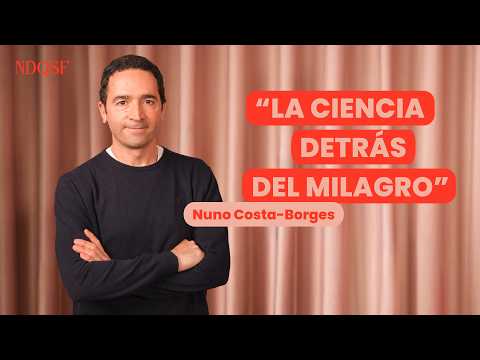







.png)


.png)




.png)











Share this listing