


Saving Zakaria: A Miracle Pediatric Liver Transplant in Turkey for Biliary Atresia
When little Zakaria was diagnosed with Biliary Atresia in Morocco, his family was told he had only six months to live. This devastating news sent them on a global search for hope, leading them to the world-renowned transplant specialists at Medical Park Hospital in Turkey. Today, Zakaria is a thriving toddler, a testament to the power of living donor liver transplants and advanced pediatric hepatology. Watch his emotional journey from a critical diagnosis to a healthy, vibrant life.
Video Chapters & Quick Navigation
The story of Zakaria is one that resonates with thousands of parents worldwide who face the terrifying prospect of pediatric liver failure. Biliary Atresia, a rare disease of the liver and bile ducts that occurs in infants, is the leading cause of liver transplants in children. Without intervention, it is fatal. Zakaria's father, Muhammed Mamouni, recalls the harrowing moment he was told his son's time was running out [00:01].
Understanding Biliary Atresia and Pediatric Liver Failure
Biliary Atresia is a condition where the bile ducts inside or outside the liver do not have normal openings. Bile, which helps digest fats and carries waste products from the liver to the intestines, becomes trapped. This leads to liver scarring (cirrhosis) and eventual liver failure. For Zakaria, his condition was rapidly deteriorating, manifesting as severe jaundice and developmental delays [02:36].
In many cases, an initial surgery called the Kasai procedure is performed to create a path for bile to drain. However, for many infants, the Kasai procedure is only a temporary fix. Zakaria's doctors in Morocco noted that despite initial efforts, his health continued to decline, and a transplant was the only permanent solution [00:38].
The Symptoms and Challenges of Pediatric Cirrhosis
Parents of children with Biliary Atresia often notice yellowing of the skin and eyes, dark urine, and pale stools within the first few weeks of life. As the liver fails, the child may struggle to gain weight and develop "ascites" (fluid buildup in the abdomen). Zakaria's case was particularly critical because his bilirubin levels were dangerously high, indicating that his liver could no longer process toxins effectively [02:47].
Why Turkey is a Global Leader in Pediatric Organ Transplants
Turkey has emerged as a premier destination for complex medical procedures, specifically organ transplantation. The country boasts one of the highest success rates globally for pediatric liver transplants. Hospitals like VM Medical Park are at the forefront of this excellence, combining cutting-edge technology with some of the most experienced surgeons in the world.
One of the primary reasons international patients choose Turkey is the availability of living donor liver transplantation. Unlike many Western countries where patients must wait years for a deceased donor, Turkey has perfected the logistics and surgical techniques for living donors—often a parent or close relative [00:17].
Technological Innovation and Expertise
The surgical teams in Turkey, led by experts such as Prof. Dr. Abuzer Dirican, use advanced microsurgery and 3D imaging to plan the procedure. This is vital in pediatric cases because the blood vessels and bile ducts are incredibly small. The precision required to transplant a portion of an adult liver into a 10-month-old infant is immense [02:27].
The Heroic Act: Living Donor Liver Transplantation
For Zakaria, his father was his savior. Muhammed Mamouni did not hesitate to donate a part of his liver to save his son. In a living donor liver transplant, a surgeon removes a portion of the donor's healthy liver—usually the left lateral lobe for a pediatric recipient—and replaces the diseased liver of the child with this healthy segment [02:55].
The remarkable thing about the liver is its ability to regenerate. Within a few months, both the donor's liver and the transplanted segment in the child grow back to full size. This procedure allows for "scheduled" surgery, meaning the child can be operated on before they become too weak to survive the procedure.
| Feature | Living Donor Transplant | Deceased Donor Transplant |
|---|---|---|
| Waiting Time | Minimal (scheduled once donor matches) | Months to years |
| Organ Quality | Optimized (from a healthy, living person) | Variable |
| Regeneration | Both livers grow to normal size | Full organ usually transplanted |
Pediatric Hepatology at Medical Park Hospital
Medical Park’s approach to pediatric transplant is multidisciplinary. It isn’t just about the surgery; it’s about the pre-operative stabilization and post-operative management. Doç. Dr. Hasret Ayy?ld?z Civan, a specialist in pediatric gastroenterology, hepatology, and nutrition, played a crucial role in Zakaria’s care [03:52].
When Zakaria arrived, he was 10 months old and suffering from acute liver failure. The team had to act quickly to prepare him for the transplant, which was ultimately successful. Dr. Civan explains that they treat children up to age 18, managing chronic liver disease and acute failures with personalized care plans [03:55].
The Road to Recovery: ICU and Beyond
Post-transplant recovery is a delicate phase. Zakaria spent four days in the Intensive Care Unit (ICU) under constant monitoring to ensure the new liver segment was functioning correctly and that there were no signs of organ rejection [03:04]. After stabilizing, he was moved to a standard room for another ten days before being discharged [03:07].
However, the journey didn't end there. Two years later, the family returned to Turkey when Zakaria experienced severe diarrhea. The medical team discovered that Zakaria had developed a secondary issue: a severe allergy to dairy products [00:25]. This highlights the importance of long-term follow-up care in pediatric transplant patients.
Managing the Milk Allergy
Under the guidance of the nutrition and hepatology team, Zakaria was put on a specific dairy-free diet. This dietary adjustment saw an immediate improvement in his symptoms [05:05]. It is common for children with compromised immune systems or major surgeries to develop sensitivities, and Medical Park’s holistic approach ensured this was caught and managed before it could affect his new liver.
A New Lease on Life: Zakaria Two Years Later
Today, Zakaria is unrecognizable from the frail infant who arrived from Morocco. He is gaining weight, growing at a normal rate, and his jaundice has completely disappeared [03:12]. His father expresses immense gratitude for the hospital staff, the association that helped fund their travel, and the Turkish doctors who saved his son’s life [05:31].
Prof. Dr. Abuzer Dirican mentions that seeing Zakaria two years later, healthy and walking, is the ultimate reward for the medical team [03:21]. For patients traveling for liver transplants in Turkey, the goal is always a return to a normal, healthy childhood. Zakaria’s success story serves as a beacon of hope for other families in similar situations.
Cost-Effective Care Without Compromising Quality
While the video focuses on the emotional and medical success, it's worth noting that the cost of pediatric liver transplants in Turkey is significantly lower than in the US or Europe. This accessibility allows families from Morocco, the Middle East, and beyond to access life-saving treatments that might otherwise be financially impossible. The comprehensive care packages often include the surgery, hospital stay, and initial post-operative medications.
Ready to Restore Your Child's Health in Turkey?
PlacidWay Medical Tourism connects you with top-rated transplant centers in Turkey, offering world-class pediatric liver care at unbeatable prices. Let us handle the details while you focus on your child's recovery.
GET A FREE QUOTE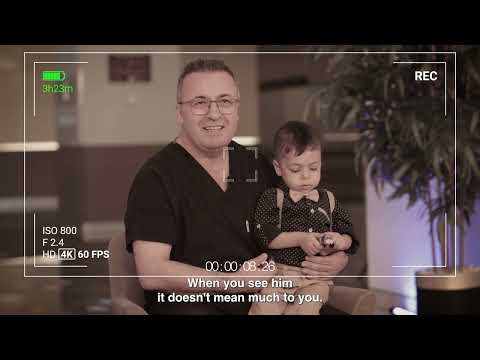




.png)












Share this listing