


Breakthrough in Orthopedics: The First Rotator Cuff Repair in Colombia Using Bio-inductive Collagen Membrane and Mesenchymal Stem Cells
For individuals suffering from chronic shoulder pain and limited mobility, a rotator cuff tear can be a life-altering injury. While traditional surgical repairs have been the standard for decades, they often face a significant hurdle: the biological inability of the tendon to heal effectively against the bone. This limitation leads to high re-tear rates, leaving many patients back at square one. However, a revolutionary medical milestone has just been reached in South America.
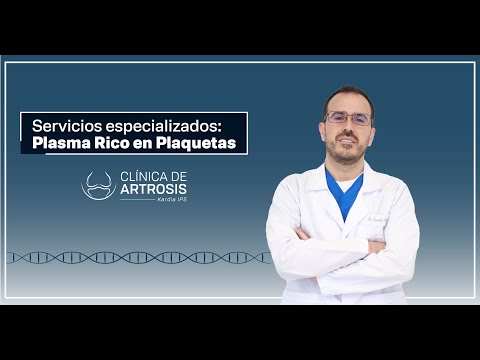
Dr. Gustavo Álvarez and his specialized team at the Clínica de Artrosis (Kardia IPS) have officially become the first in Colombia to implement a cutting-edge regenerative approach. By combining arthroscopic surgical precision with the Regeneten bio-inductive collagen membrane and mesenchymal stem cell therapy, they are fundamentally changing the landscape of orthopedic recovery. Watch the video to witness this historic procedure and learn how biotechnology is finally solving the "biological failure" of traditional shoulder surgery.
Video Chapters & Quick Navigation
A New Era of Shoulder Reconstruction in Colombia
As we entered the new year, Dr. Gustavo Álvarez [00:10] emphasized a commitment to innovation and scientific advancement. Orthopedics is currently facing two major challenges: the wear and tear of articular cartilage and the biological failure of rotator cuff repairs. Cartilage has a notoriously low regeneration potential, meaning that once it is gone, the body struggles to replace it naturally.
Similarly, the rotator cuff—a group of four tendons that stabilize the shoulder—often fails to heal properly after surgical reattachment. The "First in Colombia" announcement highlights the integration of biotechnology to address these biological deficiencies. This isn't just about suturing a tear; it's about inducing the body to grow new, healthy tissue where it previously couldn't.
Understanding the Complexity of Shoulder Anatomy
To appreciate the complexity of the rotator cuff repair, one must first understand the anatomy of the shoulder joint [00:34]. The shoulder is a "ball and socket" joint comprised of three primary bones:
- Clavicle: Known as the collarbone, it provides a structural bridge between the torso and the shoulder.
- Scapula: The shoulder blade, which serves as the foundation for the rotator cuff muscles.
- Humerus: The upper arm bone, which terminates in a "ball" that fits into the scapula.
The rotator cuff is not just one muscle; it is a system of four distinct muscles that originate on the scapula and transition into tendons that anchor onto the humerus [00:57]. These tendons allow for the lifting and rotation of the arm. When these tendons tear, the mechanical link is broken, leading to pain and loss of function.
The Great Orthopedic Challenge: The 30-60% Failure Rate
The biggest problem in modern orthopedics is that even after a perfect mechanical repair, the tendon frequently fails to integrate with the bone [02:18]. Statistically, between 30% and 60% of repaired rotator cuffs can re-tear over time. This happens because the tendon tissue often has low cellularity and poor blood supply (vitality).
Comparison of Traditional vs. Advanced Bio-inductive Repair:
| Feature | Traditional Repair | Advanced Bio-inductive Repair |
|---|---|---|
| Mechanism | Mechanical Sutures Only | Mechanical + Biological Induction |
| Healing Focus | Scar Tissue Formation | Tendon Tissue Regeneration |
| Re-tear Risk | 30% to 60% | Significantly Lowered |
| Tissue Vitality | Remains Low | Enhanced via Stem Cells |
The Regeneten Membrane: A Game Changer in Tissue Engineering
The core of this innovation is the application of a collagen membrane (Regeneten) directly over the repaired tendon [02:11]. This is not a structural patch intended to "hold" the tendon together; rather, it is a bio-inductive scaffold. It acts as a signaling platform that tells the body to deposit new, organized collagen fibers.
This membrane is highly porous and designed to be absorbed by the body over time, leaving behind a thicker, more robust tendon. In Colombia, this procedure represents the pinnacle of arthroscopic technology, offering patients a chance at a "new" tendon rather than just a repaired old one.
Mesenchymal Stem Cells: Repopulating the Tendon
While the membrane provides the architecture, Mesenchymal Stem Cells (MSCs) provide the "construction crew" [02:33]. During the procedure, the surgeons infuse these stem cells into the site of the tear. These cells have the unique ability to differentiate into various types of connective tissue cells, essentially repopulating the tendon and improving its overall vitality.
This dual approach—anchoring the tendon, applying the collagen scaffold, and infusing regenerative cells—attacks the problem of "biological failure" from every angle. It ensures that the transition between the tendon and the bone becomes strong and biologically integrated.
Step-by-Step: The First Bio-inductive Procedure in Colombia
The surgical footage [02:40] provides a rare look at this complex arthroscopic work. The procedure follows a precise technical sequence:
1. Anchoring the Tendon
The surgeons first identify the rupture and use specialized sutures and bone anchors to bring the retracted tendon back to its anatomical position on the humerus. This restores the mechanical leverage of the shoulder muscles.
2. Placing the Collagen Membrane
Once the tendon is mechanically secure, the Regeneten collagen membrane is deployed over the top of the repair [03:14]. This layer covers the vulnerable area, providing the biological "blueprint" for new tissue growth.
3. Infusing Mesenchymal Stem Cells
The final phase involves the targeted infusion of stem cells [03:29]. These cells are dripped or injected into the collagen scaffold, where they begin the work of repairing the microscopic environment and stimulating blood vessel formation (angiogenesis).
The Science of Healing: Why This Matters for Patients
The ultimate goal of this first-of-its-kind surgery in Colombia is to improve long-term outcomes. For the patient, this means a faster return to activity and a drastically reduced chance of needing a revision surgery. Traditional repairs often leave the tendon thin and brittle; the bio-inductive approach creates a "bio-augmented" tendon that is thicker and more resilient.
Dr. Álvarez explains that by improving the quality of the tendon tissue through repopulation and induction, the surgery addresses the root cause of why repairs fail in the first place. This is the difference between simply fixing a leak and replacing the entire pipe with a better material.
The Future of Orthopedics at Clínica de Artrosis
Clínica de Artrosis and Kardia IPS are positioning themselves as leaders in Latin American regenerative orthopedics. By being the first to bring this technology to Colombia, they are offering local and international patients access to the same level of care found in the world's most elite medical centers.
The success of these procedures is backed by a growing body of scientific studies showing that bio-inductive implants can transform the healing process. As this technology becomes more widely available, the standard for rotator cuff surgery will shift from "mechanical repair" to "biological restoration."
Ready to Restore Your Shoulder and Move Pain-Free Again?
If you’re struggling with a rotator cuff injury or chronic shoulder pain, advanced regenerative treatments like bio-inductive collagen membranes and stem cell therapy may offer a better path to recovery.
PlacidWay Medical Tourism connects you with leading orthopedic specialists in Colombia and around the world, offering innovative procedures designed to enhance healing and reduce the risk of re-injury
.
GET A FREE QUOTE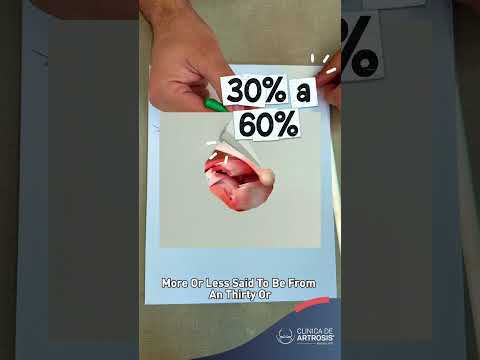
.png)


.png)
.png)



.png)
.png)
.png)









Share this listing