


When facing persistent shoulder pain, patients actively seek out advanced rotator cuff repair surgery in Colombia to safely restore mobility and permanently eliminate chronic discomfort. Traditional surgical methods have historically struggled with unacceptably high failure rates, leaving countless individuals dealing with frustrating re-tears and prolonged recovery periods. These older techniques primarily relied on simple mechanical sutures that frequently failed to address the underlying cellular deterioration of the damaged shoulder tissues.
However, recent medical breakthroughs have fundamentally shifted the entire landscape of global orthopedic care. By intentionally integrating cutting-edge biological solutions, leading specialists are now offering enhanced procedures that significantly improve long-term patient outcomes. Surgeons are moving beyond mere mechanical structural fixes to embrace true regenerative medicine.
This comprehensive guide explores the highly innovative techniques currently revolutionizing modern shoulder orthopedics. We will dive deeply into the biomechanical causes of tendon injuries and analyze exactly why standard treatments frequently fall short of expectations. More importantly, we will examine how the strategic combination of structural collagen implants and concentrated regenerative stem cells is setting a powerful new standard for sustained, durable healing.
Video Chapters
Understanding Shoulder Anatomy: Why Rotator Cuff Tendon Injuries Occur
The human shoulder is widely considered a marvel of biomechanical engineering, providing the absolute greatest range of motion of any joint in the human body. To fully comprehend why injuries happen so frequently, it is essential to deeply understand the intricate network of bones, muscles, and soft tissues that make movement possible. [00:28] The primary skeletal structure of the shoulder complex actually consists of three main components: the clavicle (collarbone), the scapula (shoulder blade), and the humerus (upper arm bone).
These robust skeletal structures work in perfect synchrony to safely facilitate complex reaching, heavy lifting, and dynamic rotating movements. The scapula itself acts as the foundational structural base for the shoulder's muscular system. From this large, flat, triangular bone, a highly specialized group of four distinct muscles originates and extends outward. These specialized muscles are collectively known throughout the medical field as the rotator cuff.
As these muscle fibers stretch laterally toward the upper arm, they seamlessly transition into robust, fibrous bands known as tendons. [00:58] These tendons securely anchor themselves to the dense head of the humerus, forming an incredibly strong, protective sleeve completely around the joint surface. This unique anatomical arrangement allows for dynamic arm rotation and elevation, effectively stabilizing the shoulder during intense physical activities.
The Four Core Muscles of the Rotator Cuff
Each of the four distinct rotator cuff muscles plays a specific and highly crucial role in maintaining optimal joint mechanics. Because these tendons exist in a tightly confined anatomical space right beneath the bony roof of the shoulder, they are exceptionally vulnerable to impingement, friction, and mechanical wear.
- Supraspinatus: Positioned at the top of the shoulder, this muscle initiates outward arm elevation and is the most frequently torn tendon.
- Infraspinatus: Located on the back of the shoulder blade, it primarily facilitates the external rotation of the shoulder joint.
- Teres Minor: A smaller muscle that works directly alongside the infraspinatus to assist with external rotation and stabilize the humerus head.
- Subscapularis: Situated at the front of the shoulder blade, this massive muscle controls inward rotation and provides vital anterior joint stability.
Over time, repetitive overhead stress, acute traumatic impact, or natural age-related tissue degeneration can severely compromise the structural integrity of these tendon fibers. When the functional load exceeds the tissue's physical capacity to withstand it, partial or complete tears inevitably develop. Understanding this complex muscular interplay is absolutely vital for developing effective rotator cuff tear treatment options that successfully address the root mechanical cause of the instability.
The Traditional Approach to Rotator Cuff Tear Treatment Options
For decades, the standard orthopedic procedures around the world have relied on a relatively straightforward mechanical philosophy. The primary surgical goal of conventional treatment has always been to anatomically reduce the torn tissue and physically secure it back to its original attachment site on the bone surface. This basic process typically involves utilizing specialized surgical hardware to forcefully bridge the gap created by the tendon rupture.
During these conventional procedures, surgeons meticulously thread high-strength medical sutures through the damaged, frayed tendon edge and securely anchor them firmly into the solid humerus bone. [01:14] This mechanical reattachment strategy is specifically designed to artificially stabilize the joint and create a localized environment where natural bodily healing can theoretically occur.
By holding the damaged tissue in extremely close proximity to the bonebed, the body is fully expected to spontaneously form new biological connections that will eventually permanently secure the tendon. While this standard approach effectively restores the immediate physical continuity of the shoulder in the operating room, it relies entirely on the inherent, unassisted healing capacity of the previously damaged tissue itself. Unfortunately, merely restoring physical alignment does not automatically guarantee that true biological restoration will follow.
The High Risk of Failure: Why Do Rotator Cuff Tendons Re-Tear?
Despite continuous advancements in surgical instruments and modern arthroscopic techniques, the global orthopedic community continues to face a highly significant clinical challenge. One of the two major problems deeply plaguing orthopedics today, alongside severe cartilage wear, is the alarmingly high postoperative failure rate of conventional tendon repairs. [00:15] Clinical studies have consistently and undeniably demonstrated that standard mechanical surgical interventions frequently fail to produce lasting, durable results over a patient's lifetime.
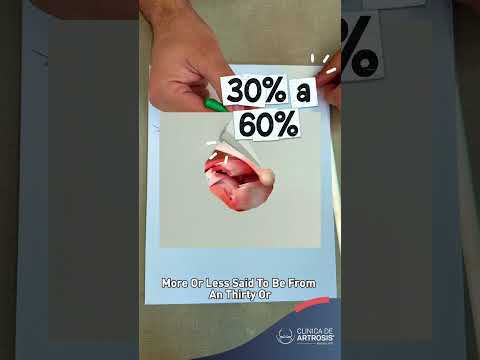
In fact, sobering medical statistics strongly indicate that between 30% and 60% of patients who undergo traditional mechanical repairs experience a subsequent, highly painful re-rupture of the exact same tendon. [01:36] The primary clinical culprit behind this exceptionally high recurrence rate is the inherently poor cellular vitality naturally found within degenerative rotator cuff tendons.
Unlike highly vascularized bodily tissues such as muscle or surface skin, tendons possess a remarkably limited internal blood supply. This severe lack of robust blood circulation strictly restricts the efficient delivery of essential growth nutrients, necessary oxygen, and specialized healing cells directly to the site of the traumatic injury. [01:23] When a tendon violently ruptures, the microscopic tissue at the leading edge of the tear is often severely degenerated, completely lacking the necessary biological components to independently mount a vigorous healing response.
| Clinical Feature | Traditional Repair Methods | Advanced Biologic Repair Protocol |
|---|---|---|
| Surgical Fixation Strategy | Mechanical anchors and tension sutures only | Precision anchors combined with bio-inductive scaffolds |
| Tissue Cellular Vitality | Relies solely on native, often heavily depleted cells | Actively repopulated using concentrated stem cells |
| Historical Re-Tear Risk | Extremely high (30% to 60% failure rate) | Significantly reduced longitudinal failure rates |
| Outer Structural Support | No outer protection, high vulnerability to friction | Collagen membrane reinforcement over the repair site |
Biologic Augmentation in Rotator Cuff Repair Surgery: The Collagen Membrane Solution
Fully recognizing the severe functional limitations of purely mechanical repairs, progressive orthopedic specialists have definitively shifted their clinical focus toward the science of biologic augmentation. This highly innovative concept involves intentionally introducing specialized external materials directly into the surgical site to actively promote and biochemically support long-term tissue regeneration. One of the absolute most significant breakthroughs within this specialized field is the surgical use of an advanced structural collagen patch.
Currently, elite orthopedic teams have achieved a major medical milestone by becoming the very first in Colombia to successfully implant a specialized collagen membrane directly on top of the newly repaired tendon. [03:26] This sophisticated, bio-compatible implant is meticulously engineered to act as a highly porous, bioactive biological scaffold.
During the minimally invasive arthroscopic procedure, the membrane is carefully and strategically positioned exactly on top of the mechanically anchored tendon. [00:03] Rather than just providing passive, static structural support, this unique bio-inductive patch actively interacts on a cellular level with the human body's natural healing mechanisms. It physically shields the vulnerable, fresh repair site from surrounding mechanical joint stress while simultaneously creating an optimized, protected microenvironment required for explosive cellular growth.
Extensive clinical research heavily supports the unprecedented efficacy of this advanced shoulder tendon repair with collagen membrane technology. The highly porous structural nature of the patch actively encourages native host cells to aggressively migrate directly into the structural matrix. As months pass, this natural bodily process gradually transforms the external implant into brand new, extremely healthy tendon-like tissue. [03:35] This biological integration visibly thickens and heavily fortifies the host tendon, significantly enhancing the overall tensile strength of the repair.
Mesenchymal Stem Cell Therapy for Rotator Cuff Tears: Repopulating Tendon Cells
While the highly engineered collagen membrane undoubtedly provides an exceptional structural scaffold for the shoulder, maximizing its ultimate regenerative potential requires introducing an active biological catalyst. To forcefully and directly address the severe lack of intrinsic cell vitality found within the damaged tendon, leading international surgeons have masterfully integrated a powerful biological tool into their modern surgical protocols. [02:26]
By harmoniously combining the mechanical anchor repair with targeted mesenchymal stem cell therapy for rotator cuff tears, surgical specialists can fundamentally alter the biological healing landscape from the inside out. Mesenchymal stem cells (MSCs) are highly potent, remarkable multipotent cells capable of spontaneously differentiating into various musculoskeletal tissues, including dense bone, smooth cartilage, and fibrous tendon.
During the live surgical procedure, these specialized, healing cells are safely harvested, highly concentrated, and meticulously infused directly into the surgical repair site and the overlying porous collagen matrix. [02:32] The primary surgical objective of this advanced biological application is to actively and aggressively repopulate the severely cellularly deficient tendon with vibrant, metabolically active healing cells. [03:15]
The Biological Mechanisms of Cellular Regeneration
Once successfully introduced into the incredibly optimal environment provided by the new collagen scaffold, these potent stem cells immediately release a highly complex cascade of essential growth factors and powerful anti-inflammatory cytokines. This potent biological signaling effectively modulates the local immune response surrounding the shoulder joint, massively reduces detrimental scar tissue formation, and rapidly accelerates the natural synthesis of high-quality collagen fibers.
By fully revitalizing the compromised tissue at a microscopic cellular level, pioneering surgeons can effectively overcome the devastating biological limitations that have historically plagued standard rotator cuff repairs for generations. [03:30] Witnessing the precise application of these cells within the protective patch highlights exactly why this multi-layered approach ensures that the repaired tissue possesses the mechanical stability needed to withstand early physical therapy motion.
Prevent Rotator Cuff Re-Tear with Stem Cells: Long-Term Success Rates
For diverse patients worldwide undergoing highly complex shoulder procedures, the ultimate definitive measure of surgical success is the long-term durability and functionality of the joint repair. The immense psychological and physical toll of experiencing a secondary tendon rupture can be absolutely devastating to a patient's quality of life. Therefore, the absolute prevention of surgical re-tears stands as the primary objective of modern orthopedic innovation.
By brilliantly utilizing advanced biologic augmentation techniques, elite specialists can now confidently offer their patients a significantly more reliable path to sustained, permanent recovery. The precise incorporation of the bio-inductive collagen membrane fundamentally alters the traditional healing trajectory in a positive manner. By securely providing an architectural framework for dense new tissue growth, the patch effectively thickens the existing tendon, drastically increasing its daily load-bearing capacity.
When directly combined with the incredibly potent regenerative capabilities of targeted stem cell infusions, the overall biological quality of the newly repaired tissue is vastly superior to anything achieved through mechanical suturing alone. [02:34] This comprehensive, cutting-edge biological strategy successfully and consistently lowers the frightening rate of tendons tearing again.
Patients who are fortunate enough to benefit from this modern dual-action treatment protocol routinely experience dramatically faster reductions in daily postoperative pain and a much more rapid restoration of optimal joint mechanics. Furthermore, detailed clinical observations strongly indicate that the newly regenerated biological tissue exhibits structural characteristics much closer to native, uninjured tendon fibers. This long-term biological fortification ensures better overall clinical results and allows individuals to confidently return to their highly active lifestyles.
Best Orthopedic Surgeon for Shoulder Injuries in Colombia: What to Look For
As international medical tourism continues to rapidly expand on a global scale, discerning patients are increasingly seeking out specialized, advanced care centers that offer unparalleled access to elite, cutting-edge therapies not always available in their home countries. Identifying the absolute best orthopedic surgeon for shoulder injuries in Colombia requires a highly careful consideration of their specialized technical expertise and their unwavering commitment to ongoing scientific innovation.
The most highly qualified surgical specialists in the region are those who actively pursue rigorous advanced training and continuously strive to integrate modern biological solutions into their daily clinical practice. When deeply evaluating potential medical providers, international and local patients should heavily prioritize surgeons who can clearly demonstrate a profound, comprehensive understanding of modern regenerative orthopedics.
A top-tier orthopedic specialist will take the required time to comprehensively explain the underlying biomechanical and cellular deficiencies of the injury, rather than merely offering a generic, outdated mechanical fix. [00:09] Forward-thinking medical providers who actively choose to innovate strictly from a rigorous scientific point of view truly represent the modern pinnacle of advanced surgical care today.
Furthermore, the state-of-the-art clinical facilities that successfully offer these advanced orthopedic procedures are typically equipped with highly sophisticated, world-class technology essential for precisely harvesting and flawlessly processing mesenchymal stem cells. By intentionally choosing a forward-thinking, scientifically advanced clinic that vigorously champions these complex biological augmentation protocols, discerning patients can confidently ensure they are receiving the absolute highest global standard of care for their complex shoulder pathologies.
Frequently Asked Questions About Innovative Rotator Cuff Repair Surgery
Navigating the intricate complexities of advanced modern orthopedic procedures can often feel incredibly overwhelming for patients who are currently facing significant, debilitating joint dysfunction. To provide maximum clarity, transparency, and assist individuals in making highly informed, empowered healthcare decisions, it is absolutely essential to address the most common patient inquiries regarding these modern surgical techniques.
Many prospective patients frequently question exactly how the biological collagen membrane fundamentally differs from traditional synthetic surgical mesh used in older procedures. The answer lies in biocompatibility. Unlike rigid synthetic meshes that permanently and uncomfortably remain inside the human body as a foreign, unnatural material, the advanced bio-inductive collagen patch is completely biocompatible and safely, naturally resorbs over a period of months. It acts purely as a highly effective temporary biological scaffold, expertly guiding the patient's own cellular activity to naturally thicken and robustly reinforce the native tendon structure before safely dissolving away entirely.
Another highly frequent patient inquiry involves the precise origin, processing, and ultimate safety of the mesenchymal stem cells specifically used in the shoulder procedure. These highly regenerative, powerful cells are entirely autologous, meaning they are carefully and ethically harvested directly from the patient's own body during the very same surgical session. This completely eliminates any risk of dangerous tissue rejection or severe adverse immune reactions.
By strictly utilizing the individual patient's own powerful biological resources, the specialized surgeon mathematically ensures the absolute safest and most highly effective method for completely revitalizing the depleted tendon tissue and reliably securing a robust, lifelong physical repair.
Ready for Advanced Shoulder Tendon Repair?
Connect directly with top orthopedic specialists and actively explore your options for innovative rotator cuff repair surgery in Colombia today. Discover how modern biologic augmentation can restore your quality of life.
Get Free QuoteView Full Video Transcript
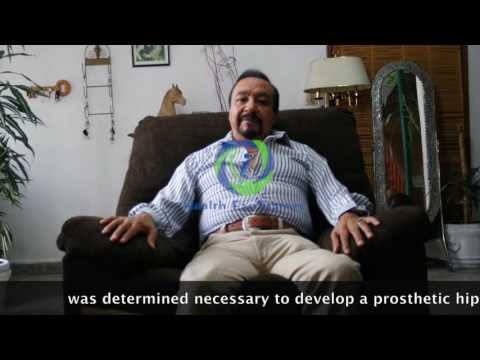
[00:00] Currently we were the first in Colombia to put on top of the repaired tendon a collagen membrane.
[00:08] Well, as we told you at the beginning of the year, we will innovate. Let's bring new things.
[00:12] We will bring new technology and we are going to do innovations from a scientific point of view.
[00:16] Good to explain a little, there are two major problems in orthopedics.
[00:19] One is cartilage wear and tear because it has very low regeneration potential.
[00:24] And the other is the rotating sleeve. Why rotator cuff?
[00:28] First let's talk a little bit about what it is. The shoulder is made up of bones, muscles, and tendons.
[00:34] Then let's talk about the bones. We have the clavicle here, what is this bone ahead of us.
[00:38] The scapula is this palette, what we colloquially call a palette. And this bone here is the humerus.
[00:46] The second is that of the scapula palette there are muscles that come and go and stick to the humerus.
[00:52] The rotator cuff is composed of four of these muscles. Those muscles stick to the palette.
[00:58] The muscle transforms into a tendon and there are four that stick to the humerus.
[01:02] There is one that sticks in front, two on top and one on the back.
[01:07] Then finally when that muscle moves, you move your arm. One rotates it and that is why it is called a rotated cuff.
[01:14] Then what we normally did was to put this tendon back in place and we put some anchors with some threads to try to carry it.
[01:23] But the big problem we encountered is that as it has few cells and little vitality, this tendon can often be broken again.
[01:33] What happens with this? This is the big problem in orthopedics.
[01:36] More or less said to be from a thirty or sixty percent of the patients we repair can be broken again.
[01:42] Then we, on that path toward finding alternatives, what we are doing right now is re-anchoring the tendon as it should be.
[01:50] But we also make a stem cell application for it. Mesenchymal these cells.
[01:55] The objective is to revive this tendon and to once again improve the tendon fracture.
[02:01] So that's more or less what we're doing right now. But today we are going to show you some of the innovations we're working on.
[02:06] Currently we were the first in Colombia to put on top of the repaired tendon a collagen membrane, "Regeneten".
[02:14] This collagen membrane, there are a number of studies which tells us that it improves tendon healing.
[02:19] And decreases us by a gigantic percentage rupture rates. Which is something we are looking for.
[02:25] We will see this collagen membrane in the videos. But we are also doing this and we are doing a repopulation of cells in the tendon.
[02:32] To improve healing. Thus lowering the rate of tendons tearing again. And in the long term to have better results.
-Package-for-Ankle-Osteoarthritis-in-Beijing,-China-by-AMCare.jpg)

-Banner-Image-(3).png)










Share this listing