


For many military personnel and first responders, the battle does not end when they return home or clock out of a grueling shift. In this powerful video, Nathan, a proud Army veteran, shares his amazing healing journey at New Path Clinic. After dedicating his life to serving others, the compounding weight of unresolved trauma left him searching for a lifeline.
His story highlights a critical reality for thousands of former service members and frontline healthcare workers who find themselves struggling with deep emotional wounds. Watch as Nathan explains how stepping away from traditional medical models and embracing alternative, holistic trauma treatments finally allowed him to experience true healing, break the chains of addiction, and completely transform his life.
Video Chapters & Quick Navigation
When society needs a hero, they call upon the military and emergency medical services. However, when those same heroes need saving, the standard systems in place frequently fail them.
Holistic trauma treatment for military veterans is rapidly emerging as a superior alternative to traditional pharmaceutical models. Understanding how deep-rooted trauma affects the mind and body is the first step toward lasting recovery and sustained mental health.
The Invisible Weight of Service and Emergency Medicine
At the beginning of his testimony [00:00], Nathan introduces himself as an Army veteran who subsequently spent over a decade on the front lines of healthcare. He states that he has been in emergency medicine work for the last 13 years of his life. This combination of military service and emergency medical response creates a unique and profound psychological burden.
Professionals in these high-stress environments are subjected to chronic exposure to trauma, severe injuries, and life-or-death scenarios on a daily basis. This relentless exposure often leads to a condition known as compassion fatigue, combined with complex post-traumatic stress disorder (C-PTSD).
The Reality of First Responder Burnout
Unlike a standard corporate job, emergency medicine requires an individual to remain in a state of hyper-arousal. The sympathetic nervous system is constantly activated, flooding the body with cortisol and adrenaline.
Over a span of 13 years, this biological response stops functioning normally. The brain becomes wired for chaos, making it nearly impossible to down-regulate and find peace in everyday civilian life.
The Downward Spiral of Trauma and Addiction
The transition from highly structured, high-adrenaline work environments to a state of emotional distress is a common pipeline for many veterans. Nathan openly shares a vulnerable truth [00:10], admitting that he was "lost, broken, hurting, addicted."
When the traditional healthcare system fails to provide adequate emotional off-boarding for medical workers and soldiers, individuals frequently turn to self-medication. Substance abuse becomes a faulty coping mechanism used to numb the pervasive mental anguish.
Why Self-Medication Happens
Addiction in the veteran community is rarely a pursuit of pleasure; it is almost always a flight from profound pain. Alcohol, prescription painkillers, and illicit substances are utilized to quiet intrusive thoughts and severe anxiety.
Unfortunately, these substances only exacerbate the underlying psychological fractures. They create a chemical dependency that traps the individual in a vicious, self-destructive loop of shame, isolation, and deteriorating physical health.
Understanding the Physiological Impact of Trauma
To fully grasp why Nathan felt completely broken, one must understand that trauma is not just a mental phenomenon; it is a physical injury to the nervous system. The phrase "the body keeps the score" accurately describes how untreated emotional wounds manifest as physical ailments.
Veterans dealing with C-PTSD often experience chronic pain, insomnia, digestive issues, and cardiovascular strain. Traditional talk therapy alone is often insufficient because it requires the patient to repeatedly vocalize their trauma, which can sometimes re-traumatize the nervous system.
| Symptom Category | Common Manifestations in Veterans |
|---|---|
| Psychological | Severe anxiety, night terrors, emotional numbness, hypervigilance. |
| Physiological | High blood pressure, chronic fatigue, muscle tension, immune suppression. |
| Behavioral | Substance abuse, self-isolation, irritability, risk-taking behaviors. |
Exploring Alternative Modalities for Veteran Healing
When traditional outpatient treatments and endless prescription refills fail to yield results, alternative holistic clinics provide a beacon of hope. Programs designed around complete systemic resets are proving highly effective for treatment-resistant PTSD.
These integrative healing models look at the patient as a whole person, addressing the mind, body, and spirit simultaneously. By stepping away from the clinical hospital environments that trigger medical professionals like Nathan, specialized clinics facilitate profound psychological breakthroughs.
- Plant Medicines and Psychedelic Therapies: Often utilized in international clinics to reset neural pathways and interrupt addictive thought patterns.
- Somatic Experiencing: Techniques designed to release trapped "fight or flight" energy directly from the physical body.
- Intensive Mindfulness Training: Helping veterans rebuild their tolerance for sitting in the present moment without panic.
Discovering the New Path Clinic Experience
Finding the right facility is a turning point in the recovery timeline. Nathan explicitly urges others to seek out this type of specialized care [00:18], stating that people need to experience "what it truly is to feel, love and to be healed."
The emphasis on the words "feel" and "love" is particularly poignant for combat veterans and emergency medics. Years of survival mode effectively shut down the emotional centers of the brain, making it difficult to feel anything other than anger or fear.
Reawakening Emotional Capacity
At specialized healing centers, the primary goal is reawakening the patient's capacity for human connection. The clinical approach is replaced with deep empathy, spiritual guidance, and unwavering community support.
This environment allows individuals to drop their defensive armor. Once the armor is removed, the authentic, underlying emotional pain can be addressed and transformed into profound personal growth.
The Transformative Power of Healing Environments
Where you heal is just as critical as how you heal. Standard psychiatric wards and stark medical offices are notoriously counterproductive for individuals whose trauma originated in emergency rooms or institutional military settings.
Holistic retreats prioritize natural, expansive environments. Proximity to the ocean, integration with nature, and peaceful surroundings actively communicate safety to a hyper-vigilant brain.
Nature as a Co-Therapist
Exposure to natural sunlight regulates circadian rhythms, directly combating the severe insomnia associated with trauma recovery. Furthermore, the auditory background of ocean waves or natural wind acts as a constant grounding mechanism.
By removing the patient from the concrete jungles and high-stress environments of their daily lives, the nervous system is finally granted the permission it needs to rest and recalibrate.
Somatic Integration and Oceanfront Sound Therapy
One of the most striking moments of Nathan's journey is captured visually near the end of his testimony. At [00:46], he is seen lying comfortably on a mat directly on the sand, facing the rolling waves of the ocean.
A practitioner is seated next to him, utilizing specialized instruments for a sound bath therapy session. This is a prime example of somatic therapy in action, utilizing specific acoustic frequencies to facilitate deep physical relaxation.
The Science Behind Sound Baths
Sound therapy is far more than a spiritual practice; it is deeply rooted in neurology. The vibrations from singing bowls or specialized tuning instruments stimulate the vagus nerve, which is the superhighway of the parasympathetic nervous system.
When the vagus nerve is activated, heart rate decreases, blood pressure stabilizes, and the brain shifts from beta waves (alert/anxious) into theta and delta waves (deep meditation/healing). For a veteran recovering from addiction, this non-invasive therapy provides natural, profound relief from physiological distress.
Taking Accountability: The Choice to Heal
No medical intervention can succeed without the active participation and willingness of the patient. Nathan passionately addresses his peers [00:30], emphasizing, "It doesn't have to be this way, you can choose... please just come and see what this can do for you."
This statement highlights the crucial paradigm shift in addiction recovery. Moving away from the identity of a helpless victim and stepping into the empowered role of an active participant in one's own healing journey.
Breaking the Chains of Fatalism
Many individuals suffering from long-term substance dependency fall into a fatalistic mindset, believing they are fundamentally broken beyond repair. Recognizing that a different path is actually available is often the hardest hurdle to clear.
Holistic clinics focus heavily on restoring this agency. By offering compassionate support rather than clinical judgment, they empower patients to make the brave choice to step into the unknown and fight for their future.
Overcoming the Stigma of Seeking Help in the Military
The cultural conditioning within military branches and emergency medical services heavily stigmatizes emotional vulnerability. Asking for help is falsely equated with weakness or an inability to perform one's duties.
This toxic stigma prevents thousands of desperately hurting individuals from accessing life-saving interventions. When leaders and veterans like Nathan speak out publicly about their struggles, they actively dismantle this dangerous narrative.
- Normalizing the Struggle: Acknowledging that trauma is a normal human reaction to abnormal events, not a character flaw.
- Redefining Strength: Highlighting that facing one's deepest inner demons requires far more courage than ignoring them.
- Creating Safe Brotherhoods: Building communities of recovery where veterans can relate to each other without fear of professional repercussions.
Life After Treatment: Rebuilding a Purpose-Driven Identity
The ultimate goal of holistic trauma recovery is not merely to stop the bad habits, but to build a life that is too beautiful to escape from. Reflecting on his progress [00:38], Nathan confidently declares that this experience has "changed my life for forever."
Sustained recovery requires the construction of a new, healthy identity. Veterans must learn who they are outside of the uniform, outside of the emergency room, and outside of their trauma.
The Ripple Effect of Healing One Veteran
When a veteran heals, the positive impact radiates outward. Families are reunited, generational trauma is halted, and communities regain valuable, resilient leaders.
The comprehensive care models seen at places like New Path Clinic provide the tools necessary for this monumental life reconstruction. They prove that no matter how deep the darkness of addiction or trauma may seem, a fulfilling, vibrant, and peaceful life is always possible for those willing to take the first step.
Are You Ready to Begin Your Healing Journey?
If you or a loved one are struggling with PTSD, trauma, or addiction, you don't have to fight this battle alone. Discover world-class holistic treatments and specialized therapy programs tailored for lasting recovery.
REQUEST MORE INFORMATION TODAY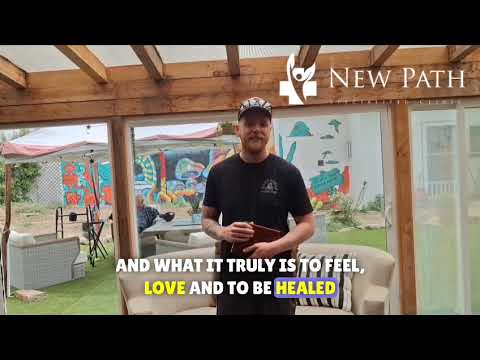



.png)
.png)
.png)




Share this listing