



Nicotine addiction remains one of the most challenging dependencies to overcome, leading many individuals to search for alternative therapeutic interventions. In recent years, plant-based medicines have emerged as a profound catalyst for neurological reset and sustained recovery. Among these options, Ibogaine is gaining international recognition for its unique ability to interrupt severe cravings and withdrawal symptoms. Patients who have struggled for decades are now exploring this natural alkaloid as a viable pathway to lasting freedom.
Because this powerful treatment is restricted in many North American jurisdictions, individuals are actively looking across borders for accessible and regulated care. Tijuana has rapidly developed into a premier destination for holistic addiction therapies due to its proximity and experienced medical teams. Many Canadians are discovering the life-changing benefits of specialized Ibogaine therapy at New Path Ibogaine in Tijuana. This destination generally offers a compassionate environment where clinical expertise meets holistic wellness to foster true healing.
Ibogaine is extracted from the root bark of the Tabernanthe iboga plant, a shrub native to Central West Africa. It has been used for centuries in traditional spiritual ceremonies before its anti-addictive properties were observed by Western science in the 1960s.
Why Canadians Choose Medical Tourism in Tijuana for Rehab
The pursuit of effective healthcare often drives patients beyond their local borders when domestic options yield limited success. For Canadians facing the relentless grip of nicotine dependence, standard cessation programs like patches or conventional pharmaceuticals frequently fall short. The appeal of medical tourism in Tijuana Mexico lies in its unique combination of advanced alternative therapies and strict clinical oversight. This dynamic allows patients to step away from their daily triggers and immerse themselves in a dedicated healing environment.
Logistical convenience also plays a monumental role in the decision-making process for international medical travelers. Tijuana is highly accessible via direct flights to San Diego, followed by a seamless and brief border crossing. Furthermore, the region hosts world-renowned physicians who specialize in safely administering alternative treatments to international patients. The comprehensive nature of these cross-border medical programs typically ensures that every aspect of a patient's physical and emotional well-being is addressed.
- Legal Accessibility: Ibogaine is unregulated and legal to administer under clinical supervision in Mexico.
- Geographic Proximity: Easily accessible for North Americans via the San Diego border.
- Expert Supervision: Access to experienced medical doctors and cardiologists specializing in addiction medicine.
- Holistic Environment: Clinics often integrate psychological support and holistic therapies into the recovery process.
How Ibogaine Treatment Resets the Brain from Nicotine Dependence
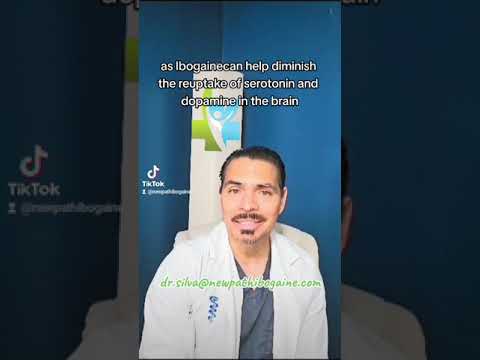
The science behind this plant medicine is deeply rooted in its profound interaction with the central nervous system. Ibogaine typically works by targeting multiple neurotransmitter sites simultaneously, including serotonin, dopamine, and highly specific nicotinic acetylcholine receptors. By binding to these receptors, the alkaloid physically blocks the neurochemical rewards usually triggered by smoking or vaping. This complex interaction effectively restores the brain's baseline chemistry, often neutralizing the overwhelming physical withdrawal symptoms.
Beyond the physical detoxification, the psychoactive properties of the medicine induce a crucial state of heightened neuroplasticity. This temporary window of brain flexibility allows patients to neurologically rewire deeply ingrained habitual behaviors associated with their addiction. Most patients experience intense, dream-like visions that help them confront and process the underlying emotional trauma fueling their substance use. Ultimately, this dual action on both the physical brain structure and the psychological state makes it a formidable tool against dependency.
Research published by MAPS indicates that a significant percentage of patients treated with Ibogaine report a complete elimination of withdrawal symptoms within the first 24 to 48 hours of administration.
Affordable Ibogaine Treatment Cost in Tijuana Versus Canada
Financial considerations play a pivotal role when evaluating advanced addiction treatments outside of conventional domestic healthcare systems. North American rehab centers often charge exorbitant out-of-pocket fees for specialized holistic programs, making them inaccessible for the average individual. In contrast, international health hubs offer highly competitive rates without compromising on medical supervision or clinical quality. Patients can strategically invest their resources into a comprehensive recovery experience rather than merely covering inflated administrative healthcare costs.
The transparent pricing models found in international facilities allow patients to plan their journey with confidence and clarity. When examining the affordable Ibogaine treatment cost in Tijuana, individuals quickly realize the immense financial value provided by these all-inclusive packages. These costs generally cover extensive medical pre-screening, continuous cardiac monitoring, psychological support, and the medicine itself. The resulting financial savings empower Canadians to allocate remaining funds toward essential post-treatment integration and ongoing therapeutic support.
| Procedure / Service Component | Average Cost in Tijuana (USD) | Comparable Cost in Canada/USA (USD) |
|---|---|---|
| Standard Ibogaine Detox (5-7 Days) | $5,000 - $8,000 | $15,000 - $25,000 (Alternative Holistic Rehab) |
| Extensive Medical Pre-Screening (EKG, Bloodwork) | Included in Package | $1,000 - $2,500 (Out-of-pocket) |
| Psychological Integration Counseling | Included in Package | $150 - $300 per session |
| In-patient Nursing and Cardiac Monitoring | Included in Package | $1,000+ per day |
What to Expect During an Ibogaine Session for Smoking Cessation
Entering a clinical environment for this level of therapy requires profound mental and physical preparation from the patient. Upon arrival, the initial phase involves comprehensive medical evaluations to ensure the body can safely handle the metabolic stress of the treatment. Once cleared, patients are introduced to their clinical team and settled into a calm, monitored setting designed to reduce sensory stimulation. This controlled environment is critical for maintaining stability during the intense internal journey that follows the medicine's administration.
The actual administration phase initiates a deeply introspective state that generally lasts between twelve to twenty-four hours. Patients often report experiencing a panoramic review of their life, allowing them to objectively view the root causes of their self-destructive behaviors. Throughout this visionary phase, trained medical staff maintain continuous cardiovascular monitoring to ensure ultimate safety. As the acute effects subside, patients typically enter a reflective recovery phase, transitioning from profound visions to quiet physical restoration.
To maximize the benefits of your session, practice meditation and deep breathing exercises in the weeks leading up to your trip. Cultivating a calm mind helps you navigate the intense visionary phases with greater ease and acceptance.
Safety Protocols at Top Ibogaine Clinics in Tijuana Mexico
Patient safety must be the absolute priority when engaging in advanced psychoactive therapies for addiction recovery. The best Ibogaine clinics in Tijuana Mexico enforce rigorous medical protocols to mitigate the known risks associated with the medicine. Because the alkaloid can impact heart rhythms, continuous electrocardiogram (EKG) monitoring and the presence of advanced life support equipment are non-negotiable standards. Board-certified physicians and experienced nurses are typically present around the clock to respond instantly to any physiological changes.
Furthermore, safety begins long before the medicine is actually administered to the patient. Extensive preliminary blood work and comprehensive cardiovascular stress tests are mandatory to identify any hidden vulnerabilities. Clinics generally refuse treatment to individuals whose medical profiles pose an unacceptable level of risk. This uncompromising commitment to clinical safety ensures that patients receive the healing they seek without compromising their fundamental health.
Ibogaine therapy carries significant cardiovascular risks, particularly the prolongation of the QT interval. It is strictly contraindicated for individuals with pre-existing heart conditions, severe psychiatric disorders, or those using certain medications. Always secure a comprehensive medical clearance before proceeding.
Psychological Support and Integration Following Ibogaine Therapy
The physical detoxification provided by the medicine represents only the first crucial step in a lifelong recovery journey. For the treatment to yield sustainable results, patients must engage deeply in the psychological integration phase following their session. This period involves actively processing the profound insights and emotional revelations experienced during the visionary state. Reputable facilities prioritize this phase by providing specialized counselors who help patients translate their experiences into actionable lifestyle changes.
Integration therapy focuses heavily on developing new coping mechanisms to replace the old reliance on nicotine. While the medicine typically eliminates the physical cravings, the psychological habit of reaching for a cigarette requires conscious retraining. Post-treatment support often includes cognitive behavioral strategies, mindfulness practices, and emotional regulation techniques. Establishing this robust psychological foundation is generally what prevents relapse and solidifies a patient's new identity as a non-smoker.
The term "integration" in psychedelic therapy refers to the conscious effort of bringing the profound lessons learned during an altered state of consciousness into everyday reality. It is considered just as important as the medicine itself.
Evaluating the Efficacy of Ibogaine in Overcoming Nicotine Addiction
Clinical observations and ongoing research consistently highlight the unique mechanisms that make this therapy effective for substance dependencies. While much of the early data focused primarily on opioid withdrawal, modern clinical practice shows promising efficacy for severe nicotine addiction. The medicine functions as an "addiction interrupter," effectively providing a hard reset for the brain's deeply ingrained reward circuitry. This mechanism offers patients a vital window of neurobiological freedom, during which establishing healthier habits becomes significantly easier.
However, medical professionals continually stress that plant-based treatments are not miraculous cures that guarantee permanent results. The efficacy of the treatment relies heavily on the patient's willingness to commit to systemic lifestyle changes post-therapy. Most patients experience a total alleviation of physical withdrawal, which is an extraordinary clinical achievement on its own. Ultimately, the long-term success of the therapy depends on how effectively the individual utilizes this newly acquired mental clarity.
A study published in the American Journal of Drug and Alcohol Abuse found that over 75% of participants experienced a drastic reduction in their craving scores immediately following Ibogaine administration.
Patient Experiences with Ibogaine for Nicotine Addiction in Tijuana
The human element of medical tourism provides the most compelling insights into the reality of cross-border addiction therapy. Listening to the voices of those who have navigated the process reveals the profound emotional and physical transformations that occur. Many individuals arrive burdened by decades of failed cessation attempts, carrying deep skepticism and emotional fatigue. Emerging from the process, these same individuals often articulate a profound sense of liberation and renewed vitality.
These diverse patient narratives consistently underscore the necessity of choosing a highly professional and compassionate clinical team. While the internal visionary experiences differ vastly from person to person, the underlying theme of neurological reset remains remarkably consistent. The testimonials below illustrate how typical medical tourists from Canada have successfully utilized this therapy. Their stories offer hope and practical perspective for anyone considering this profound medical journey.
A Breath of Fresh Air
"After smoking a pack a day for twenty years, I felt utterly trapped. Traveling for Ibogaine treatment in Tijuana Mexico was daunting, but waking up without the frantic urge to smoke was a miracle I never thought possible." – Mark, Ontario
Finding Inner Peace
"The clinical team made me feel incredibly safe. The visions were intense, showing me exactly why I used nicotine to cope with stress. I returned to Canada feeling mentally rewired and physically cleansed." – Sarah, British Columbia
Breaking the Cycle
"I tried every patch and pill on the market with no success. The therapy provided an immediate interruption to my cravings. Six months later, with consistent counseling, I haven't touched a single cigarette." – David, Alberta
A Safe Healing Environment
"The level of medical monitoring at the facility surpassed my local hospital experiences. Knowing my heart was being constantly monitored allowed me to fully surrender to the psychological healing process." – Emily, Quebec
Navigating Contraindications and Health Risks of Ibogaine Treatment
Transparency regarding the inherent risks of psychoactive medical treatments is fundamentally essential for ethical patient care. This potent alkaloid places significant metabolic and cardiovascular demands on the human body during the active metabolic phase. As previously noted, the most severe risk involves cardiac arrhythmias, which can be fatal if the patient is unmonitored or clinically unsuited for therapy. Therefore, rigorous honesty during the initial medical consultation is absolutely critical for safeguarding a patient's life.
Certain pre-existing health conditions serve as absolute barriers to safely undergoing this specific type of addiction therapy. Medical teams must carefully evaluate liver function, respiratory health, and neurological history before granting medical clearance. Additionally, patients must safely taper off specific medications, such as SSRIs or certain blood pressure drugs, prior to treatment. Adhering strictly to these medical guidelines generally guarantees that the therapeutic benefits heavily outweigh the physiological risks.
Common strict contraindications for this therapy include a history of heart failure, prolonged QT syndrome, severe liver disease, active psychiatric disorders like schizophrenia, and the concurrent use of certain psychiatric medications.
Preparing for Your Medical Travel Journey to Tijuana Mexico
Embarking on international travel for intensive medical rehabilitation demands meticulous logistical planning and emotional preparation. Patients must first ensure their travel documents, including a valid passport, are current and ready for international border crossings. Coordinating flights into San Diego and arranging secure clinical transport across the border typically streamlines the arrival experience. Eliminating travel-related stress is highly recommended, as arriving in a calm state of mind positively impacts the upcoming therapy.
Equally important is the personal preparation required to enter a clinical setting focused on profound introspection. Patients are generally advised to pack light, bringing comfortable clothing, journals, and familiar items that provide emotional comfort. It is also crucial to establish clear communication channels with loved ones back home while setting boundaries to minimize external distractions. Approaching this journey with a focused, receptive mindset significantly enhances the overall efficacy of the medical intervention.
Set an intention before your travel date. Writing down exactly why you want to overcome your nicotine addiction can serve as a powerful mental anchor during the more challenging phases of your therapeutic session.
Integrating Holistic Healing Post Ibogaine Therapy in Tijuana
The conclusion of your stay at the clinic merely marks the beginning of your renewed life as a non-smoker. The neuroplasticity triggered by the medicine provides a highly receptive state, but it must be nurtured with holistic daily practices. Incorporating nutrient-dense foods, regular physical exercise, and strict hydration helps the body continue flushing out residual toxins. These physical habits reinforce the biological reset and strengthen the nervous system against potential future stressors.
Simultaneously, building a robust support network in your local community is critical for maintaining long-term psychological stability. Engaging with integration coaches, therapists, or support groups offers a safe space to discuss the ongoing changes in your lifestyle. Many successful patients also adopt mindfulness practices, such as yoga or guided meditation, to manage daily anxieties without resorting to nicotine. This comprehensive, holistic approach to aftercare generally ensures that the profound breakthrough achieved abroad transforms into lasting domestic reality.
The brain's state of heightened neuroplasticity following treatment can last anywhere from three to six months. This extended window is the optimal time to learn new languages, adopt new fitness routines, or establish entirely new behavioral patterns.
How PlacidWay Assists Your Ibogaine Medical Tourism Journey in Tijuana
Navigating the complex landscape of international healthcare can be overwhelming for patients seeking specialized addiction therapies. Ensuring you connect with legitimate, highly credentialed facilities requires rigorous research and vetted industry knowledge. PlacidWay serves as an essential bridge, empowering patients to make informed, safe, and confident decisions regarding their medical care abroad. Our platform simplifies the research process, allowing you to focus entirely on your physical and emotional recovery.
By utilizing our comprehensive patient resources, you gain direct access to extensive clinic profiles, verified medical credentials, and transparent procedural details. We prioritize connecting you with medical centers that uphold international safety standards and prioritize compassionate patient care. Ultimately, our goal is to facilitate a seamless transition from your initial inquiry to your life-changing therapeutic intervention.
- Providing access to rigorously vetted and globally recognized medical facilities.
- Offering transparent comparison of treatment packages and clinical protocols.
- Supplying detailed profiles of board-certified physicians and specialized medical staff.
- Facilitating direct, secure communication between patients and international clinics.
- Delivering comprehensive educational resources to help patients understand complex procedures.
Frequently Asked Questions About Ibogaine Therapy in Tijuana
Making the decision to pursue advanced international addiction therapy naturally generates a multitude of complex questions. Understanding the legal, medical, and logistical aspects of the journey is crucial for informed patient consent. Reviewing common inquiries helps demystify the process and sets realistic expectations for the upcoming clinical experience.
While the following answers provide foundational knowledge, they should never replace personalized medical advice. Every individual's health profile is uniquely different, requiring tailored consultation with a licensed medical professional. Always discuss your specific medical history and addiction profile with the clinical team prior to making any commitments.
Is Ibogaine therapy legal in Tijuana, Mexico?
Yes, Ibogaine is unregulated and legal to administer by medical professionals in Mexico. Tijuana has become a central hub for clinics providing this specialized therapy under clinical supervision.
How does Ibogaine help with nicotine cravings?
Ibogaine typically works by interacting with nicotinic receptors and resetting neural pathways associated with addiction. Most patients experience a significant reduction or complete elimination of withdrawal symptoms and cravings.
Are there heart risks associated with Ibogaine?
Yes, Ibogaine can prolong the QT interval in the heart, which poses cardiovascular risks. Reputable clinics mandate strict EKGs and continuous cardiac monitoring during the treatment to mitigate these dangers.
How long does the recovery process take in Tijuana?
The primary treatment generally requires a stay of five to seven days at the clinic. However, complete psychological integration and recovery is an ongoing process that continues for months after returning home.
Can Canadians easily travel to Tijuana for medical reasons?
Canadians frequently travel to Tijuana via San Diego, crossing the border safely using medical lanes. A valid passport is required, and medical tourists generally experience a straightforward entry process.
What is included in the cost of Ibogaine treatment?
The cost typically covers medical pre-screening, the medicine itself, round-the-clock nursing care, and psychological counseling. Advanced clinical packages also include nutritional support and holistic therapies.
Does Ibogaine guarantee I will quit smoking forever?
No treatment can guarantee lifelong abstinence, as addiction involves complex psychological factors. Ibogaine provides a critical window of opportunity by resetting brain chemistry, but sustained success relies on robust aftercare.
What should I pack for my medical trip to Tijuana?
Patients are advised to pack comfortable, loose-fitting clothing, necessary medical records, and a journal for reflection. It is best to leave valuables at home and bring items that promote relaxation.
Will I experience hallucinations during the treatment?
Ibogaine is a psychoactive alkaloid, and most patients experience a deeply introspective, dream-like visionary state. This phase is generally considered crucial for processing the underlying psychological roots of addiction.
Do I need follow-up care after leaving the clinic?
Absolutely, continuous psychological support is vital for maintaining the progress achieved during treatment. Engaging with a counselor or integration specialist back home is highly recommended to prevent relapse.
References
- Multidisciplinary Association for Psychedelic Studies (MAPS). Ibogaine Therapy Overview. https://maps.org/research/ibogaine/
- Healthline. Ibogaine for Addiction: Does It Work? https://www.healthline.com/health/ibogaine-treatment
- Wikipedia. Ibogaine (Medical uses and legal status). https://en.wikipedia.org/wiki/Ibogaine




.png)
.png)
.png)








Share this listing