


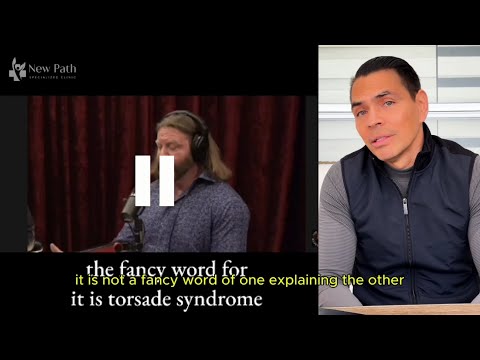
Navigating the devastating aftermath of head trauma can feel like an unwinnable battle. For extreme athletes, the physical toll often spirals into severe mental health crises that standard medicine cannot resolve. In this powerful testimonial, Bud Barnes shares his life-altering journey discovering Ibogaine treatment for traumatic brain injury (TBI). Facing debilitating depression and suicidal ideation after multiple skull fractures, traditional medical routes left him empty-handed. Watch how an innovative combination of psychedelic therapies at a specialized clinic in Mexico offered him a profound neurological reset, providing the essential tools needed to reclaim his life.
Video Chapters & Quick Navigation
The Silent Epidemic of Traumatic Brain Injuries in Extreme Sports
Professional extreme athletes, particularly those in high-impact disciplines like skateboarding, snowboarding, and BMX, routinely subject their bodies to extreme physical forces. The culture of these sports often glorifies pushing past pain and getting immediately back on the board after a severe fall. However, this stoic approach masks a silent epidemic affecting thousands of athletes worldwide. As Bud Barnes points out at [00:19] in his testimony, a long history of head injuries is an unfortunate reality for many skateboarders.
Suffering from severe traumatic brain injuries (TBIs), including three fractured skulls and countless concussions, the physical damage goes far beyond the initial, acute impact. When the brain sustains repeated trauma, the delicate axonal pathways stretch and tear. This microscopic damage triggers a cascade of chronic neuroinflammation that can last for years, long after the visible bruises have healed.
This persistent inflammation drastically alters the brain's neurochemistry. The frontal lobe, responsible for executive function, emotional regulation, and impulse control, is particularly vulnerable to impact forces. When this critical area is compromised, patients do not just experience headaches or dizziness; they undergo profound personality changes, battling dark moods that seem to have no external trigger. Understanding the biomechanics of traumatic brain injuries is the first step in recognizing why standard mental health treatments often fail to address the root cause of the suffering.
Common Long-Term Symptoms of Severe TBI
- Cognitive Deficits: Severe memory loss, brain fog, and an inability to concentrate on complex tasks.
- Emotional Dysregulation: Unpredictable mood swings, sudden outbursts of anger, and extreme irritability.
- Psychological Distress: The onset of severe, treatment-resistant depression and chronic anxiety disorders.
- Sleep Disturbances: Chronic insomnia or hypersomnia, preventing the brain from entering restorative sleep cycles.
The Downward Spiral: When Traditional Therapy and Medication Fail
The transition from a vibrant athlete to someone battling for their life behind closed doors is a harrowing journey. As the physical side effects of head trauma accumulated, they began catching up on a profound mental and emotional level [00:33]. For many TBI survivors, the physical healing of bone is just the beginning of a much darker chapter characterized by severe psychiatric distress.
This structural brain damage frequently manifests as severe depression and crippling anxiety. The brain's natural ability to produce and regulate serotonin and dopamine becomes severely impaired. In Bud's case, this chemical and structural imbalance escalated into active suicidal ideation and multiple suicide attempts. The desperation to survive leads many patients into the traditional psychiatric healthcare system, hoping for a lifeline.
Unfortunately, the standard medical route of talk therapy and daily psychiatric medications often yields disappointing results for patients with neurostructural damage. At [01:08], Bud describes the exhausting process of seeking serious help through therapists and pills, only to continually come up empty-handed. Selective Serotonin Reuptake Inhibitors (SSRIs) are designed to keep existing neurotransmitters in the synaptic cleft longer, but they do not repair the physical damage to the neurons themselves. When traditional treatments fail to address the underlying neurodegeneration, patients are left in an unbearable state of treatment-resistant depression, isolated by a medical system that has exhausted its conventional toolbox.
Understanding Ibogaine Treatment for Traumatic Brain Injury
Faced with a complete lack of viable options in the conventional medical sector, many patients turn their attention to alternative and breakthrough therapies. At [01:23], the narrative shifts toward a powerful discovery: Ibogaine treatment. But what exactly is Ibogaine, and why is it showing such unprecedented promise for patients suffering from traumatic brain injuries?
Ibogaine is a naturally occurring psychoactive alkaloid extracted from the root bark of the *Tabernanthe iboga* shrub, native to Central West Africa. For centuries, it has been used in indigenous spiritual healing ceremonies. However, modern medical science has identified its remarkable pharmacological properties. Unlike standard antidepressants that require daily dosing, Ibogaine is administered in a clinical setting as a one-time, deep-acting neurochemical intervention.
The science behind Ibogaine therapy for brain injuries is centered on neuroplasticity. Clinical research indicates that Ibogaine heavily promotes the expression of Glial Cell Line-derived Neurotrophic Factor (GDNF) in the brain. GDNF is a protein that acts like a highly potent fertilizer for the nervous system. It promotes the survival of existing neurons and actually encourages the sprouting of new neuronal pathways. For a brain heavily scarred by multiple concussions and physical trauma, this GDNF surge helps bypass damaged circuits and repair the brain's structural integrity, effectively resetting the neurological baseline.
The Synergy of Ibogaine and 5-MeO-DMT Therapy
While healing the physical structure of the brain is paramount, treating the compounded psychological trauma requires a multifaceted approach. At [02:24], Bud emphasizes that it was the combination of Ibogaine treatment and 5-MeO-DMT treatment together that facilitated his life-changing experience. This specific dual-protocol is becoming recognized as a gold standard in advanced psychedelic therapy.
If Ibogaine acts as the master reset for the brain's "hardware" by repairing neuroreceptors and reducing physical cravings or baseline depression, 5-MeO-DMT serves as a profound reset for the psychological "software." Often referred to as "the God Molecule," 5-MeO-DMT is a powerful, short-acting psychedelic compound that induces a state of complete ego dissolution. During this brief but intense experience, the default mode network (DMN) of the brain is temporarily deactivated.
This deactivation is crucial for patients trapped in cycles of severe anxiety and dark, repetitive thoughts. It allows the individual to step completely outside of their trauma-conditioned identity. Patients frequently report experiencing a profound sense of universal connection, unconditional love, and a massive release of subconscious emotional baggage. By combining these two distinct therapies, the clinic ensures that both the neurobiological damage and the deep-seated psychological wounds are simultaneously addressed, creating an ideal environment for lasting recovery.
Preparing for Psychedelic Therapy: Overcoming Fear and Stigma
Despite the incredible clinical potential of these therapies, deciding to undergo a psychedelic medical treatment is not an easy choice. Because substances like Ibogaine and 5-MeO-DMT remain classified as Schedule I in the United States, there is a massive cultural stigma and a lack of mainstream medical education surrounding them. At [02:00], Bud candidly admits that the concept of this treatment was initially completely foreign and slightly frightening to both him and his family.
This initial apprehension is a completely normal and highly protective human response. Patients do not know what the medicine will do, what the hallucinogenic state will feel like, or how the process is managed. Overcoming this fear requires intensive education and transparent communication. It demands shifting one's perspective from viewing these substances as illicit drugs to respecting them as powerful, clinical plant medicines utilized within strict medical frameworks.
The turning point for most patients is direct engagement with medical professionals. Speaking extensively with the clinical directors, administrators, and the attending medical doctors [02:12] is the vital step that transforms fear into peace of mind. A reputable clinic will never rush a patient into treatment. Instead, they provide exhaustive details about the pharmacology, the cardiac monitoring protocols, and the psychological preparation required, ensuring the patient feels completely empowered before making a decision.
Why Choose New Path Specialized Clinic in Mexico?
With Ibogaine unavailable in many Western healthcare systems, patients must navigate the world of international medical tourism. Mexico has rapidly emerged as a global sanctuary for these breakthrough alternative treatments, offering legal frameworks that allow specialized clinics to operate safely and openly. However, not all facilities are created equal, making the choice of clinic paramount to both safety and success.
At [01:36], the focus zeroes in on the New Path Specialized Clinic. What sets a premier destination apart is a strict adherence to international medical standards. Extensive research into the clinic's expertise, professionalism, and the credentials of their certified trained staff is essential. Patients seeking to heal profound brain injuries need absolute assurance that they are not just entering a spiritual retreat, but a highly equipped medical facility.
Key Differentiators of a Premier Ibogaine Clinic
| Underground/Substandard Providers | New Path Specialized Clinic Standards |
|---|---|
| Lack of pre-screening for cardiac anomalies. | Mandatory comprehensive EKG and blood panel pre-screening. |
| Administered by unqualified "shamans" without medical backup. | Managed by ACLS-certified medical doctors and registered nurses. |
| No psychological preparation or post-treatment integration. | Extensive psychological support before, during, and after the medicine. |
| Inadequate emergency equipment on site. | Fully equipped medical ward with continuous vital sign monitoring. |
The Inpatient Experience: Medical Safety and Compassionate Care
The concept of "Set and Setting" is widely recognized as the most critical variable in determining the outcome of any psychedelic therapy. "Set" refers to the patient's mindset, and "Setting" refers to the physical environment. A chaotic or medically insecure environment can trigger severe distress during an Ibogaine flood dose. Conversely, a safe, beautiful, and highly regulated environment allows the nervous system to completely relax and surrender to the healing process.
The facilities at New Path are described as nothing short of beautiful [03:21]. But beyond the aesthetics, it is the profound compassion of the medical team that truly anchors the experience. When a patient arrives broken by years of chronic depression and suicidal ideation, being treated with profound dignity is in itself a therapeutic intervention. The staff's ability to make patients feel like cherished family members [03:27] removes the sterile, isolating feeling so common in traditional psych wards.
Safety is never left to chance. During the intensive phases of the treatment, patients are 100% taken care of and monitored continuously. With medical doctors present right there in the room, ensuring all vital signs remain stable, the patient's only job is to turn inward and focus on their healing. This meticulous attention to clinical detail ensures that everything goes smoothly, effectively removing the anxiety that often surrounds medical tourism.
A New Path to Life: Recovery, Hope, and the Future
It is vital to understand that plant medicine is not a magic bullet that instantly erases all of life's difficulties. Instead, it serves as a powerful catalyst. As beautifully articulated at [02:36], the true value of the Ibogaine and 5-MeO-DMT treatments is that they give patients the tools they need to succeed. They set the neurological stage, clearing the heavy fog of depression and silencing the overwhelming noise of anxiety.
With those debilitating symptoms lifted, patients finally have the mental clarity and energetic capacity to deal with their underlying problems. Fighting dark thoughts is no longer an exhaustive daily war against a damaged brain; it becomes a manageable process of integration and healthy habit-building. This profound reset is the very definition of neuro-restoration.
For those who have lost years of their lives to the shadows of traumatic brain injuries and severe mental illness, finding a treatment that actually works feels like a resurrection. A new path to life and hope is entirely possible [03:00]. Escaping the tragic statistics of TBI-related suicides and stepping forward into a bright, functional future is the ultimate testament to the power of dedicated, specialized alternative medical care.
Ready to Reclaim Your Life from Severe Depression and TBI?
Break free from the limitations of traditional therapies. Connect with world-class specialists at trusted alternative medical clinics in Mexico to explore if Ibogaine and 5-MeO-DMT therapies are right for you. Your brighter future is waiting.
REQUEST FREE CLINIC INFORMATION







.png)
.png)
.png)








Share this listing