
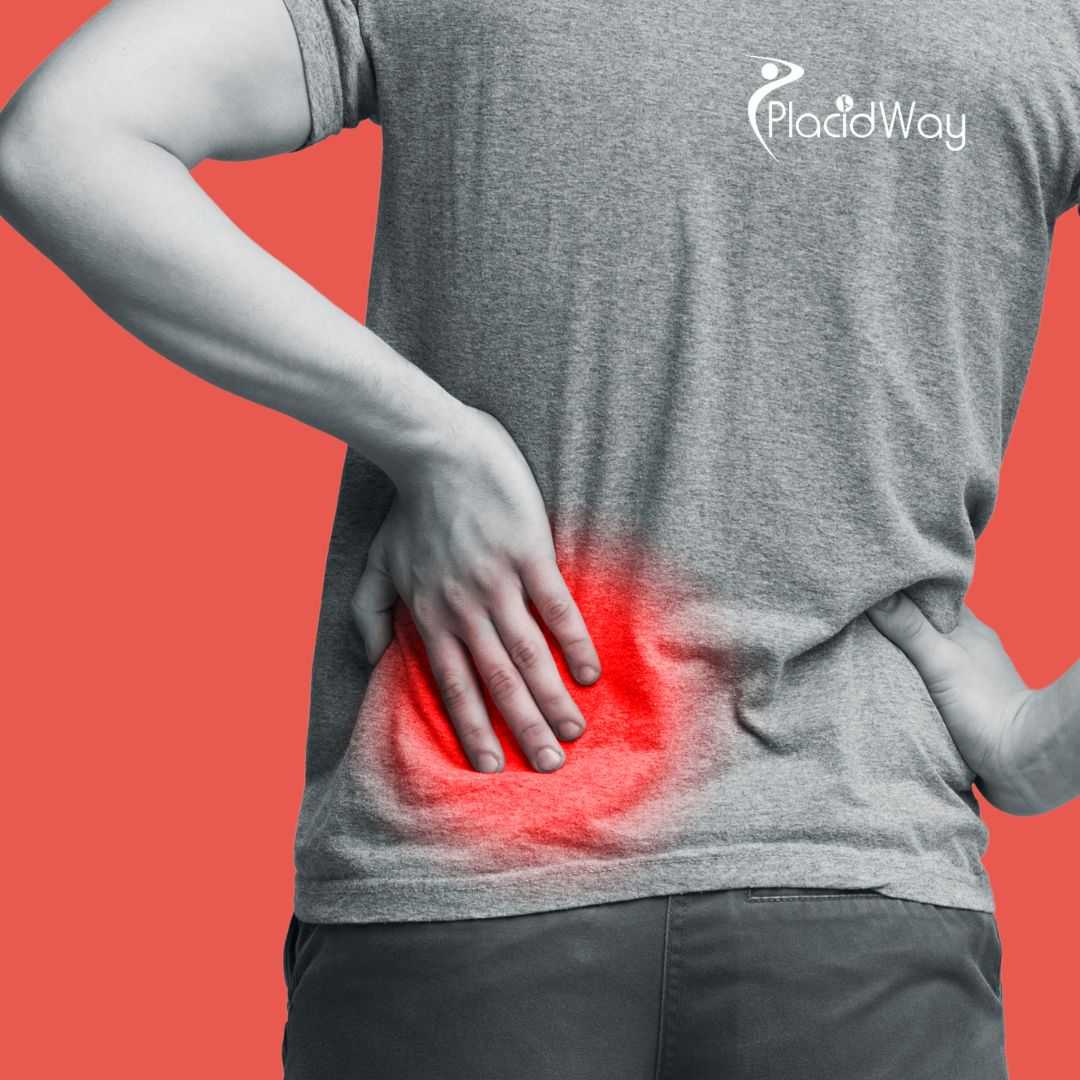
Are you tired of living with debilitating lower back pain that dictates your daily activities and limits your overall quality of life? For generations, patients suffering from chronic lumbalgia and severely herniated discs have faced a grim set of options: endure a lifetime of temporary painkillers, rely on endless physical therapy that never quite solves the root issue, or undergo highly invasive spinal fusion surgery with lengthy recovery times.
Fortunately, the landscape of modern orthopedics has dramatically evolved. Today, regenerative medicine is changing the way we heal the human spine. In this comprehensive breakdown, [00:00] Dr. Iridia, a leading specialist in traumatology and orthopedics, reveals how advanced mesenchymal stem cell therapy is being used to naturally regenerate damaged spinal discs, repair worn cartilage, and eliminate sciatic nerve pain at its source.
Video Chapters & Quick Navigation
The Hidden Epidemic of Lower Back Pain (Lumbalgia)
Lower back pain, medically referred to as lumbalgia, has quietly become one of the most pervasive medical conditions in the modern world. Millions of adults wake up every single day battling a stiff, aching, or sharply painful lower back. [00:06] As Dr. Iridia highlights, pain in the lumbar region is actually the number one reason patients seek out specialized orthopedic consultations.
This epidemic is largely driven by our contemporary lifestyles. Prolonged sitting at office desks, poor posture while scrolling on smartphones, and high-impact physical labor all contribute to the accelerated wear and tear of the spinal column. The sheer mechanical load placed on the lower back makes it highly susceptible to injury.
The socio-economic impact of chronic lower back pain is staggering. It is a leading cause of missed workdays globally and severely limits physical productivity. Beyond the physical toll, constant pain drains patients mentally, often leading to secondary conditions such as anxiety and depression. Understanding the anatomical root of this pain is the first crucial step toward achieving long-lasting relief.
Demystifying the Herniated Disc: The Core Issue
When patients complain of severe, radiating lower back pain, the underlying culprit is very frequently a herniated disc. [00:16] A herniated or bulging disc is structurally a mechanical failure of the spine's natural shock absorption system. To truly comprehend how regenerative therapies work, one must first visualize the complex anatomy of the spinal column.
The Biological Shock Absorbers
The human spine is composed of a series of stacked bones called vertebrae. Sandwiched between each of these bony structures lies an intervertebral disc. [00:20] This disc functions precisely like a heavy-duty biological shock absorber or cushion. Every time you walk, run, jump, or twist, these discs compress and expand, dissipating the physical forces that would otherwise crush your spinal bones together.
These crucial discs are not simple pieces of tissue. [00:26] They rely on two main supportive structures to stay anchored perfectly in place. The first is the articular platform. This is a specialized layer of cartilage situated at the very end of one vertebra and the beginning of the next. It provides a smooth, frictionless surface for the spinal segments to interact seamlessly.
The Fibrous Ring (Annulus Fibrosus)
The second, and arguably most important structural component, is the fibrous ring, scientifically known as the annulus fibrosus. [00:35] This tough, circular exterior covers the softer, gel-like interior of the disc. Its primary job is to encapsulate the inner cushion, maintaining its shape under immense pressure and completely preventing the gel from bulging outward.
The Downward Spiral of Disc Degeneration
Unfortunately, these spinal discs are avascular, meaning they receive very little direct blood flow. Because they lack a robust blood supply, their natural ability to heal from daily micro-traumas is incredibly limited. This is where the biological cascade of disc degeneration begins.
[00:40] Over the passage of time, driven by age, genetics, and mechanical stress, this tough fibrous ring begins to degrade. It transforms from a tight, resilient band of tissue into something much more lax and fragile. Micro-tears begin to form along its outer perimeter.
Simultaneously, the articular cartilage platforms that cap the vertebrae begin to steadily wear out. [00:45] With the protective ring weakened and the cartilage eroding, the intense downward pressure of the body forces the inner disc material to protrude. It slowly bulges outward, moving beyond its designated anatomical borders. This creates a mechanical intrusion into a highly sensitive area of the spine.
The Mechanics of Nerve Pain and Sciatica
A bulging disc on its own does not necessarily cause excruciating pain; the agony begins when that protruding disc material invades the spinal canal. This highly restricted canal is the exact passageway where highly sensitive nerve roots exit the spinal cord and branch out toward our extremities.
[00:54] When the herniated disc presses against these exiting nerves, it generates a state of constant, unrelenting friction. The body's immune system recognizes this mechanical compression as an injury and triggers a massive localized inflammatory response. The nerves become swollen, hyper-sensitive, and highly irritated.
This is precisely why a lower back issue often feels like it is attacking the legs. The compressed nerve sends chaotic pain signals down its entire pathway. Patients frequently experience shooting pains, intense burning sensations, tingling, or even severe numbness extending from the buttocks all the way down to the calves and toes—a condition widely recognized as sciatica.
The Limitations of Traditional Orthopedic Treatments
For decades, the standard protocol for managing this type of lumbalgia has remained relatively stagnant. The traditional medical approach heavily focuses on symptom management rather than addressing the actual cellular degradation of the disc itself.
[00:59] Historically, conservative treatments have revolved almost entirely around physical rehabilitation, postural corrections, and heavy reliance on pharmaceutical analgesics. While these methods have their place in an overall wellness plan, they possess distinct limitations when treating a structurally compromised disc.
Why Physical Therapy Falls Short
Physical therapy is excellent for strengthening the core musculature that surrounds and supports the spine. By improving muscle tone, patients can theoretically take some of the mechanical load off the injured discs. However, no amount of stretching or muscle building can organically sew up a torn fibrous ring or replace lost articular cartilage.
The Danger of Prolonged Painkillers
Similarly, relying on non-steroidal anti-inflammatory drugs (NSAIDs) or heavy opioid analgesics offers only a temporary chemical mask. These drugs block the pain receptors in the brain but do absolutely nothing to shrink the herniation or heal the joint. Long-term use of these medications often leads to severe gastrointestinal issues, liver strain, and in the case of opioids, the high risk of chemical dependency.
| Feature | Traditional Treatments (NSAIDs, Rehab) | Cellular Therapy (Regenerative) |
|---|---|---|
| Primary Mechanism | Masks pain and strengthens surrounding support muscles. | Directly targets cellular repair and tissue regeneration. |
| Structural Healing | None. Cannot repair torn fibrous rings. | Stimulates rebuilding of cartilage and annulus fibrosus. |
| Long-Term Outcome | Temporary relief; condition often worsens over time. | Sustainable recovery, halting or reversing degeneration. |
The Breakthrough of Cellular Therapy for Spinal Health
The frustration with these traditional limitations has paved the way for the most exciting advancement in orthopedic medicine: Regenerative Cellular Therapy. [01:11] Fortunately, modern medicine now offers the direct infiltration of mesenchymal stem cells directly into the problematic articulations of the spine.
Understanding Mesenchymal Stem Cells
Mesenchymal stem cells (MSCs) are incredibly powerful, undifferentiated biological building blocks. Unlike specialized cells that only have one function, MSCs have the unique biological capacity to transform into various types of tissue, including bone, cartilage, and fibrous connective tissue.
Beyond their ability to transform, MSCs act as powerful immune-modulators. When they are introduced to an area of severe inflammation—such as an irritated sciatic nerve root—they immediately begin releasing anti-inflammatory proteins. This paracrine signaling aggressively calms the swollen nerve, often providing rapid pain relief that far exceeds what oral medications can achieve.
The Infiltration Process
The procedure itself is minimally invasive and relies on high-tech precision. [01:15] Orthopedic specialists infiltrate the highly concentrated mesenchymal stem cells directly into the specific joint space between the compromised vertebrae. By delivering these restorative cells straight to the site of the injury, doctors bypass the body's slow and inefficient systemic healing processes.
Regenerating the Unregenerable: Healing the Disc
Once the mesenchymal stem cells successfully infiltrate the intervertebral space, the true biological magic begins. These cells actively hunt out the localized damage and initiate a comprehensive rebuilding phase that traditional doctors once thought was impossible.
[01:22] The primary goal of these cells is to regenerate the heavily worn articular cartilage. By laying down new, healthy chondrocytes (cartilage cells), the therapy restores the smooth, frictionless gliding surface between the spinal bones. This structural restoration drastically reduces the mechanical stress placed on the core of the disc.
- Repairing the Fibrous Ring: The targeted stem cells work to reinforce and regenerate the lax, torn tissues of the annulus fibrosus, tightening the protective barrier around the disc.
- Halting Disc Protrusion: [01:28] By successfully restoring this fibrous ring, the therapy physically prevents the hernia from expanding and worsening.
- Natural Retraction: As the structural integrity of the disc improves and the severe inflammation subsides, the protruding material can often retract naturally, entirely alleviating the crushing friction against the spinal nerves.
Choosing the Right Path for Your Spinal Recovery
Deciding how to treat chronic lower back pain is a pivotal moment in a patient's life. The era of immediately defaulting to highly invasive spinal fusion surgeries—procedures that permanently lock vertebrae together and severely limit future mobility—is rapidly coming to an end.
Regenerative medicine offers a scientifically backed, minimally invasive alternative that respects the body's original biomechanics. By choosing mesenchymal stem cell therapy, patients are not just masking their daily lumbalgia; they are actively investing in the long-term cellular restoration of their spinal anatomy.
This state-of-the-art procedure requires highly specialized medical professionals who understand both complex orthopedic traumatology and advanced cellular biology. [01:35] Clinics operating at the forefront of this technology provide comprehensive medical evaluations to ensure that patients are prime candidates for stem cell infiltration, setting the stage for a pain-free, fully mobile future.
Ready to Heal Your Back Pain Without Surgery?
Take the first step toward a pain-free life. Discover if you are a candidate for advanced mesenchymal stem cell therapy and permanently address the root cause of your herniated discs and lumbalgia.
REQUEST MORE INFO & A FREE QUOTE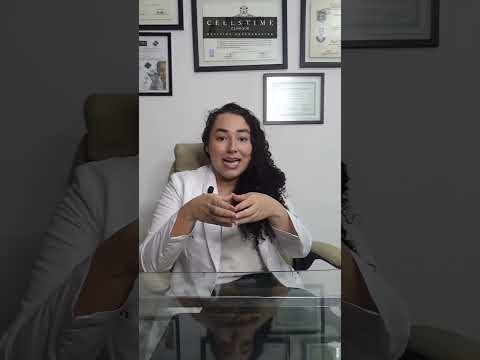




.png)
.png)
.png)
.png)




-(3).png)

.jpg)








Share this listing