
The landscape of women's health is undergoing a profound transformation, driven by unprecedented advancements in regenerative medicine. For decades, women experiencing early onset hormonal decline, unexplained infertility, or debilitating menopausal symptoms have been offered only temporary, pharmaceutical fixes. This traditional approach merely masks the underlying issues, leaving countless patients dealing with ongoing discomfort, systemic health risks, and a significantly diminished quality of life. [00:00]
Today, we are exploring a revolutionary new frontier in medical science. The remarkable potential of umbilical cord-derived mesenchymal stem cells (UC-MSCs) to repair and rejuvenate damaged ovarian tissue is changing everything we know about reproductive aging. Why settle for synthetic hormone replacements when the body's natural regenerative capabilities can be safely unlocked? Watch to learn how stem cell therapy is offering renewed hope for restoring ovarian function, regulating hormones naturally, and enhancing fertility. [00:06]
Video Chapters & Quick Navigation
Understanding Ovarian Function and the Endocrine Ecosystem
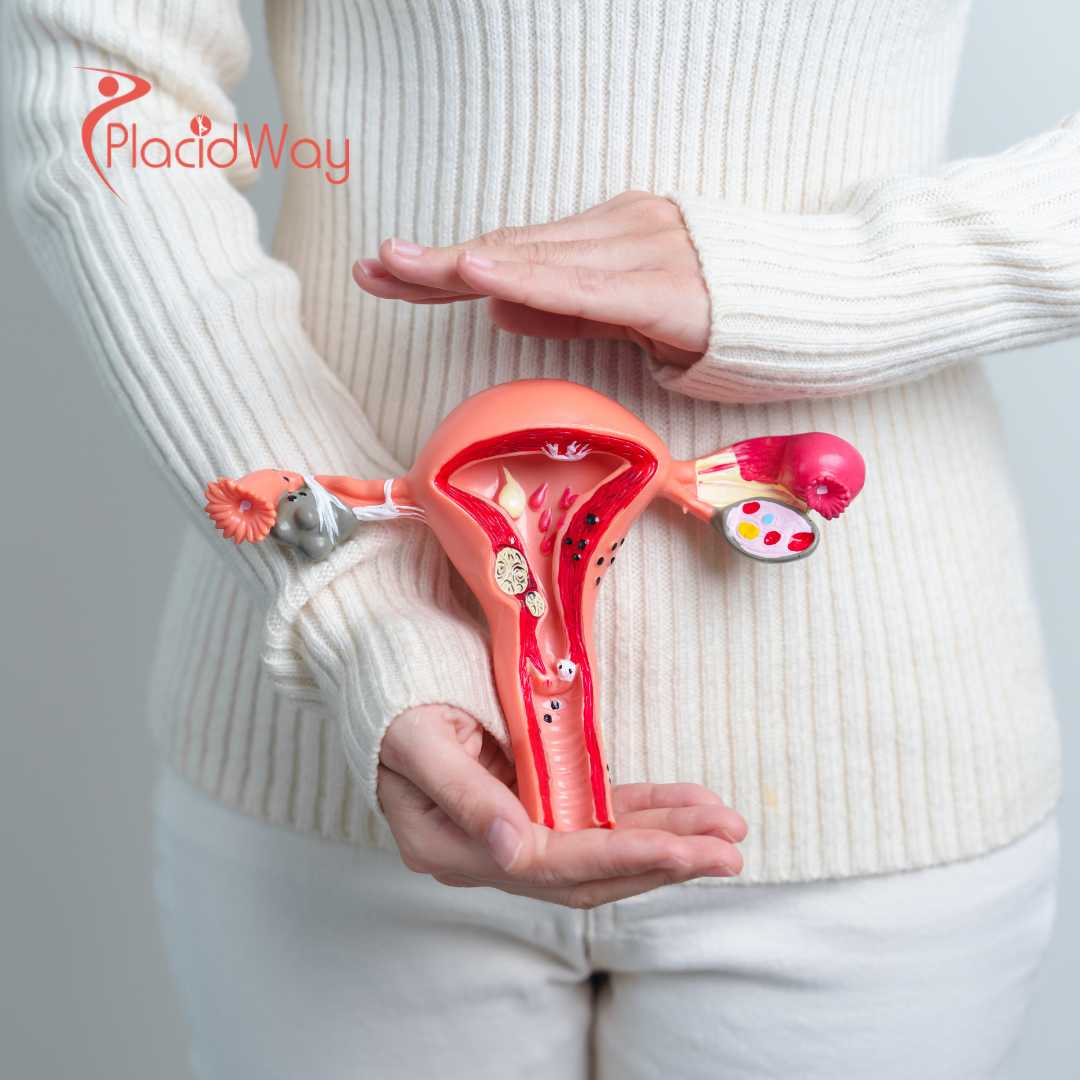
The ovaries are not merely reproductive organs; they are highly complex endocrine glands that serve as a foundational pillar of a woman's overall health. Situated carefully on either side of the uterus, these vital structures are responsible for the intricate biological task of producing essential hormones. [00:20] Chief among these critical hormones are estrogen and progesterone, which actively govern numerous bodily systems. These hormones orchestrate a wide array of physiological processes that extend far beyond the basic regulation of monthly menstrual cycles.
The Critical Role of Estrogen in Female Physiology
Estrogen is often thought of merely as the hormone responsible for female characteristics, but its biological duties are far more extensive and life-sustaining. This powerful hormone acts as a master regulator for the musculoskeletal system, ensuring that bone turnover remains stable and preventing the rapid loss of bone mass. Without adequate estrogen, women face a severely elevated risk of osteopenia and debilitating skeletal fractures as they age.
Furthermore, estrogen provides a highly protective shield for the cardiovascular system throughout a woman's reproductive years. It helps to keep blood vessels flexible, promotes healthy circulation, and actively lowers the accumulation of dangerous arterial plaques. [00:27] The sudden drop in estrogen production is precisely why cardiovascular disease risk skyrockets for women following natural or induced menopause. Beyond the physical body, estrogen is also essential for maintaining memory, focus, and emotional regulation within the brain.
How Progesterone Complements and Balances the System
While estrogen often takes the spotlight, progesterone is its equally vital biological partner, ensuring that the entire endocrine system operates in perfect harmony. Progesterone is primarily known for its role in preparing the endometrial lining of the uterus for the implantation of a fertilized egg. It is the hormone that actively sustains and protects early pregnancy, making it absolutely indispensable for maintaining natural fertility.
However, progesterone's profound benefits extend significantly beyond the realm of immediate reproduction and gestation. It acts as a natural antagonist to estrogen, preventing a condition known as estrogen dominance, which can lead to uncontrolled cellular proliferation. Additionally, progesterone has a remarkably calming effect on the central nervous system, promoting deep, restorative sleep and mitigating severe mood swings.
The Complex Causes of Ovarian Disruption and Dysfunction
Unfortunately, the intricate and delicate function of the ovaries can be severely disrupted by a variety of medical conditions and unavoidable life events. These disruptions act as a catalyst for systemic health failures, rapidly accelerating the aging process on a cellular level. Understanding the root cause of these disruptions is the first critical step toward finding an effective regenerative treatment.
Premature Ovarian Insufficiency (POI)
Premature ovarian insufficiency is a devastating medical diagnosis characterized by the cessation of normal ovarian function before a woman reaches the age of 40. [00:36] Unlike natural menopause, which is a gradual biological certainty, POI can strike completely without warning, drastically altering the trajectory of a young woman's life. This sudden condition results in the profound loss of both natural hormone production and precious reproductive capacity.
The exact etiology of premature ovarian insufficiency can be incredibly complex, often involving genetic predispositions or undetected chromosomal abnormalities. In many cases, it is driven by an overactive autoimmune response, where the body's immune system mistakenly identifies the ovarian tissue as a foreign threat. This relentless inflammatory assault rapidly destroys the ovarian reserve, leaving patients with limited traditional medical options.
Natural Menopause and Gonadotoxic Treatments
Natural menopause is another major life transition that permanently disrupts ovarian function and halts the body's natural reproductive timeline. As women age, the number of viable follicles in the ovaries naturally depletes, leading to a significant and irreversible drop in hormone production. [00:43] While this is a natural biological process, the rapid decline in vital hormones causes debilitating symptoms that severely impact a woman's daily quality of life.
Additionally, medical interventions designed to save lives can inadvertently cause severe, permanent damage to the reproductive organs. Cancer treatments, particularly chemotherapy and targeted radiation therapy, are notorious for their aggressive gonadotoxic effects. These life-saving treatments blindly target rapidly dividing cells, which tragically results in unintended collateral damage to the irreplaceable ovarian follicles.
The Systemic Impact of Hormonal Imbalances on Women's Health
The disruption of ovarian function, regardless of the underlying cause, leads to significant hormonal imbalances that manifest in a multitude of distressing systemic symptoms. Women experiencing these shifts often feel as though their bodies are rapidly changing beyond their control. [00:49] Identifying and acknowledging these symptoms is vital for seeking the appropriate regenerative medical care.
Physical and Psychological Toll
Patients frequently report experiencing severe vasomotor symptoms, such as debilitating hot flashes and intense night sweats, which actively disrupt restorative sleep patterns. The systemic loss of hormonal equilibrium also takes a heavy toll on mental and emotional health. This biological deficit frequently leads to unexplained mood swings, high-functioning anxiety, clinical depression, and persistent cognitive fog.
Common clinical signs of severe hormonal imbalance include:
- Menstrual Irregularities: Experiencing completely irregular or consistently missed menstrual periods.
- Vasomotor Instability: Sudden, intense hot flashes and night sweats that disrupt daily functioning.
- Psychological Distress: Uncharacteristic mood swings, increased irritability, and depressive episodes.
- Physical Changes: Noticeable loss of skin elasticity, joint pain, and chronic, unexplained fatigue.
The Heartbreaking Reality of Infertility
Perhaps most devastating for many women is the direct impact ovarian dysfunction has on their natural reproductive capabilities. Ovarian failure or premature insufficiency is a leading global cause of complex female infertility. [00:56] The inability to conceive naturally, coupled with the systemic health issues caused by severe hormone deficiency, creates an immense emotional burden.
Traditional fertility treatments often fail when the underlying ovarian tissue is too damaged or depleted to produce viable eggs. Women find themselves trapped in a cycle of failed In Vitro Fertilization (IVF) attempts, struggling to find solutions that address the root cellular problem. This urgent medical void is precisely what makes regenerative stem cell therapy such a groundbreaking development.
The Regenerative Medicine Revolution in Women's Health
For decades, the global standard of care for addressing ovarian dysfunction has relied heavily on traditional hormone replacement therapy (HRT). While HRT can be temporarily effective at managing superficial symptoms, it completely fails to address the root cause of the problem. Synthetic hormones do absolutely nothing to repair the damaged, aging, or inflamed ovarian tissue itself.
In recent years, the advanced medical community has aggressively turned its attention to regenerative medicine to solve this complex issue. Researchers are exploring stem cell therapy as a highly promising strategy to actively repair and rejuvenate damaged ovarian tissue. [01:06] Unlike traditional treatments that merely mask systemic symptoms, regenerative therapies aim to restore the body's innate ability to heal and self-regulate.
This massive shift from basic symptom management to true cellular tissue regeneration represents one of the most exciting breakthroughs in the history of women's health. By directly targeting the ovaries at a microscopic level, clinicians are opening the door to revolutionary therapies. These treatments hold the incredible potential to actively reverse the devastating effects of premature ovarian insufficiency and age-related decline.
Unlocking the Power of Umbilical Cord-Derived Mesenchymal Stem Cells (UC-MSCs)
Among the various types of cellular therapies currently being studied, umbilical cord-derived mesenchymal stem cells (UC-MSCs) have quickly emerged as the premier biological candidates for ovarian rejuvenation. These highly specialized, pristine cells are carefully harvested from the Wharton's jelly of the umbilical cord following a healthy, full-term live birth. Because they are ethically sourced and possess a highly robust proliferative capacity, UC-MSCs are considered exceptionally promising.
The Science of Paracrine Signaling
What makes UC-MSCs so biologically extraordinary is that they function as incredibly powerful, microscopic healers. [01:14] They operate primarily through a mechanism known as paracrine signaling, which means they secrete a potent, targeted cocktail of bioactive molecules directly into their surrounding environment. These vital secretions include essential growth factors, regulatory cytokines, and powerful anti-inflammatory molecules that actively support comprehensive tissue repair.
When introduced precisely into the damaged ovarian environment, these advanced stem cells immediately initiate a profound healing response. They actively stimulate angiogenesis, which is the vital biological formation of fresh, new blood vessels within the tissue. [01:24] This heavily improved blood flow is absolutely critical, as it ensures that the starving ovarian tissue finally receives the oxygen and vital nutrients necessary for rapid cellular regeneration.
| Treatment Feature | Hormone Replacement Therapy (HRT) | UC-MSC Stem Cell Therapy |
|---|---|---|
| Primary Mechanism | Symptom masking via daily exogenous synthetic or bioidentical hormone administration. | Cellular repair and active regeneration of damaged tissue to restore endogenous function. |
| Impact on Fertility | Does not improve underlying egg quality, restore ovarian reserve, or aid in natural conception. | May promote neo-folliculogenesis, awaken dormant follicles, and greatly enhance natural fertility. |
| Duration of Action | Requires continuous, uninterrupted daily usage indefinitely to maintain temporary effects. | Minimally invasive, targeted procedure designed for long-term, sustained biological healing. |
Rebuilding Ovarian Tissue and Restoring Natural Hormone Production
The absolute core benefit of utilizing stem cell therapy for premature ovarian insufficiency lies in its unique potential to actively rebuild physically damaged ovarian tissue. When the vital stroma of the ovary is severely damaged by natural aging, toxic chemotherapy, or relentless autoimmune conditions, the organ loses its structural integrity. UC-MSCs intelligently migrate to these specific areas of biological injury and aggressively facilitate targeted structural repair.
As the microenvironment of the ovarian tissue begins to heal, the body can gradually and safely restore its own natural hormone production. [01:31] This physiological restoration is an absolute game-changer for women who have been relying entirely on external, synthetic hormones to function. By reawakening the body's own internal estrogen and progesterone manufacturing plants, patients may begin to experience a highly natural regulation of their menstrual cycles.
Furthermore, this incredible natural restoration can significantly reduce the frequency and severity of debilitating menopause symptoms. [01:36] Women undergoing advanced regenerative treatments have reported remarkable, life-altering improvements in managing severe hot flashes, night sweats, and depressive mood swings. By directly resolving the root cellular cause of the hormonal deficit, stem cell therapy offers a much more sustainable and deeply holistic approach to managing reproductive aging.
Promoting Folliculogenesis and Enhancing Natural Fertility Chances
For a vast majority of young women, the most heartbreaking and psychologically taxing consequence of ovarian dysfunction is the sudden inability to conceive a child. The ovaries act as the protective vault for the ovarian reserve—the finite pool of primordial follicles that will eventually develop into mature, viable eggs. When this delicate reserve is heavily damaged or prematurely depleted, natural fertility plummets drastically.
Cutting-edge medical research strongly indicates that these powerful stem cells may actively promote the growth of new follicles. [01:43] By intentionally releasing highly specific growth factors such as Vascular Endothelial Growth Factor (VEGF), UC-MSCs can successfully awaken deeply dormant follicles. Furthermore, they help to biologically rescue follicles that are in the early, reversible stages of programmed cell death (apoptosis).
This profound regenerative cellular process has the incredible potential to improve fertility chances naturally, allowing women with POI a fighting chance to conceive with their own genetics. [01:49] Even in complex cases where natural conception remains highly challenging, establishing a healthier ovarian environment can dramatically enhance the overall efficacy of assisted reproductive treatments. By drastically improving the underlying quality of the ovarian tissue, stem cell therapy provides a crucial supportive foundation for advanced IVF procedures.
The Critical Role of Inflammation Reduction in Ovarian Healing
Systemic, chronic inflammation is increasingly recognized by the global medical community as a major underlying driver of premature biological aging and severe organ dysfunction. The delicate tissues of the ovaries are exceptionally vulnerable to this inflammatory damage. Aggressive inflammatory cytokines can quickly create a highly toxic microenvironment within the ovary, rapidly accelerating the depletion of the follicle reserve and destroying normal endocrine signaling.
One of the most biologically valuable properties of UC-MSCs is their profound, natural immunomodulatory capabilities. These advanced stem cells may significantly and rapidly reduce localized inflammation within the pelvic cavity. [01:55] By actively altering the destructive behavior of immune cells, UC-MSCs effectively shift the ovarian environment from a toxic, pro-inflammatory state to a highly conducive, anti-inflammatory healing state.
This massive reduction in chronic inflammation actively protects the surviving, healthy ovarian cells from suffering any further damage. [02:03] By completely neutralizing the toxic inflammatory environment, the stem cells create a much more highly supportive and thriving ovarian ecosystem. This robust protective effect is particularly crucial for women suffering from autoimmune-related premature ovarian insufficiency, preventing the body from further attacking its own reproductive tissue.
Navigating the Treatment: A Minimally Invasive Option for Patients
Historically, complex medical interventions dealing directly with the ovaries have often involved highly invasive surgical procedures characterized by long recovery times and significant physical risks. The advent of modern, targeted stem cell therapy represents a massive paradigm shift toward much more patient-friendly, low-risk medical interventions. This allows women to prioritize their reproductive health without undergoing severe surgical trauma.
If you or someone you deeply care about is currently struggling with the realities of ovarian dysfunction, it is vital to understand that stem cell therapy is considered a remarkably minimally invasive procedure. [02:07] The therapeutic cells are typically administered via highly targeted, ultrasound-guided injections or simple systemic intravenous (IV) infusions. This sophisticated approach entirely eliminates the need for large surgical incisions, heavy general anesthesia, and prolonged, painful hospital stays.
The overarching, primary clinical goal of this minimally invasive approach is to actively restore your body's natural, internal hormone balance. [02:16] Rather than just superficially masking the uncomfortable symptoms with daily pharmaceuticals, this therapy aims for true biological correction. Patients can frequently resume their normal daily activities very shortly after the procedure, making it a highly accessible and practical option for busy women seeking to aggressively treat their ovarian health.
Exploring Your Options and The Future of Ongoing Research
The exciting field of regenerative reproductive medicine is advancing globally at an incredibly rapid pace. While the initial clinical results observed by physicians so far are highly encouraging, it is vital to acknowledge that medical science is continuously evolving. While extensive research is ongoing, stem cell therapy using UC-MSCs holds truly incredible potential to change the standard of care forever. [02:24]
For millions of women worldwide, this biological breakthrough means that regaining proper hormonal balance, actively improving natural fertility, and massively enhancing overall quality of life are becoming increasingly attainable medical realities. [02:32] We are rapidly moving towards a brighter medical future where an early menopause diagnosis or treatment-induced ovarian failure does not have to be viewed as a permanent, irreversible life sentence.
The journey to achieving optimal health requires highly active participation and deeply informed decision-making. It is absolutely crucial to stay educated and always consult with highly qualified, forward-thinking medical professionals to see exactly what regenerative path is best for you. [02:38] By taking a proactive, empowered stance on your reproductive health, you open the door to living a vibrant, hormonally balanced, and deeply fulfilling life.
Ready to Restore Your Hormonal Balance Naturally?
PlacidWay Medical Tourism connects you with world-class regenerative medicine clinics offering advanced, safe UC-MSC stem cell therapies. Take the first empowered step towards restoring your natural ovarian function and enhancing your fertility. Let us help you navigate your personalized treatment options with leading global medical experts.
GET A FREE QUOTE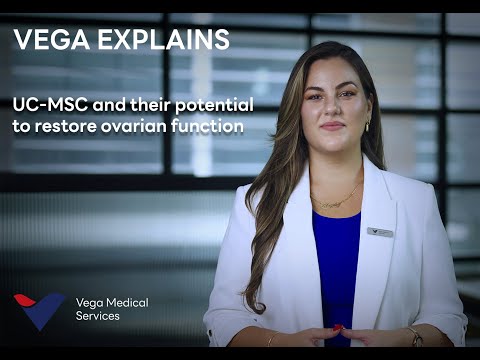






.png)

.png)

.png)
.jpg)

-(9).png)








Share this listing