
When faced with a severe blood cancer diagnosis, finding the right medical care quickly is absolutely paramount. Seeking advanced Acute Leukemia Treatment in Turkey offers patients access to cutting-edge medical infrastructure, comprehensive bone marrow transplant programs, and specialized oncology care.
Patients seeking world-class hematology care are discovering a renewed sense of hope abroad. Read on to explore how renowned specialists, comprehensive support systems, and state-of-the-art medical facilities are saving lives globally.
Table of Contents & Quick Navigation
Understanding Acute Leukemia: Diagnosis and the Need for Urgent Care
The Aggressive Nature of Blood Cancers
Acute leukemia is a highly aggressive form of blood cancer that originates deep within the bone marrow. It occurs when the body begins producing an overwhelming volume of abnormal, immature white blood cells at a staggering pace. These malignant cells quickly multiply and crowd out healthy red blood cells, functional white blood cells, and platelets, leading to a catastrophic collapse of the body's immune and circulatory functions.
Because the disease moves so swiftly, leaving the condition untreated is incredibly dangerous. Patients typically experience a rapid onset of severe symptoms that demand immediate medical evaluation. Unexplained bruising, persistent high fevers, chronic fatigue, and frequent infections are often the first physiological red flags.
Identifying the Warning Signs and Early Diagnosis
Receiving a diagnosis of acute leukemia can be an incredibly daunting and emotional experience. The psychological impact of suddenly facing a life-threatening illness can leave patients and their families feeling overwhelmed. However, determining the exact subtype of leukemia—whether it is Acute Myeloid Leukemia (AML) or Acute Lymphoblastic Leukemia (ALL)—is the essential first step toward recovery.
Advanced diagnostic protocols are strictly required to map out the cancer's profile. Comprehensive blood panels, flow cytometry, and bone marrow biopsies allow specialized oncologists to analyze the genetic makeup of the malignant cells. Armed with this highly specific data, doctors can formulate an aggressive, targeted treatment plan to push the disease into remission.
Why Immediate Intervention is Non-Negotiable
Time is the most critical variable when treating acute blood cancers. A delayed response can drastically narrow the clinical window for a successful intervention. This urgency frequently pushes patients living in countries with overburdened healthcare systems to look internationally for immediate admission to a top-tier oncology ward.
Why Medical Tourism in Turkey is a Lifeline for Blood Cancer Patients
World-Class Healthcare Infrastructure
Over the past two decades, Turkey has rapidly emerged as a dominant global powerhouse for complex medical treatments, specifically in the fields of hematology and oncology. The Turkish Ministry of Health has overseen billions of dollars in investments, ensuring their medical infrastructure rivals the very best institutions found in the United States, the United Kingdom, and Germany. This transformation has made the country a primary destination for life-saving medical tourism.
For international patients suffering from aggressive diseases, finding immediate and highly capable care is a matter of survival. Seeking treatment abroad provides expedited access to advanced medical procedures that may otherwise involve prohibitive waiting lists domestically.
JCI-Accredited Medical Sanctuaries
The credibility of accredited Turkish hospitals is cemented by rigorous international standards, such as the Joint Commission International (JCI) seal of approval. JCI accreditation guarantees that a facility adheres to the strictest global standards regarding patient safety, clinical protocols, and facility hygiene. For patients undergoing intense chemotherapy or bone marrow transplants, this level of clinical excellence is absolutely vital.
Furthermore, these hospitals are uniquely designed to accommodate the influx of medical tourists. Dedicated international patient departments act as a bridge between foreign patients and medical staff, eliminating administrative friction and ensuring that high-risk oncology patients can begin their treatments promptly upon arrival.
Specialized Oncology Centers: A Global Hub for Advanced Hematology
State-of-the-Art Hematology Wards
Among elite medical facilities, specialized tertiary centers stand out as dedicated sanctuaries for treating complex hematological disorders. These facilities are internationally renowned for housing some of the most technologically advanced oncology and bone marrow transplant units.
The facility is engineered specifically to protect highly vulnerable, immunocompromised patients. Transplant wards are equipped with cutting-edge HEPA filtration systems to ensure positive air pressure, which drastically reduces the risk of airborne infections. This highly controlled, sterile environment is a fundamental requirement for patients undergoing severe immune system depletion.
Multidisciplinary Tumor Boards
One of the core strengths of advanced oncology centers is their reliance on multidisciplinary tumor boards. A patient's case is never evaluated by just a single doctor. Instead, a collaborative team of hematologists, surgical oncologists, radiologists, and pathologists meet to discuss the nuances of the leukemia diagnosis.
This collaborative approach ensures that every possible therapeutic avenue is considered before finalizing a treatment protocol. From targeted biologic therapies to allogeneic stem cell transplants, the combined expertise of the medical board guarantees a comprehensive and customized roadmap to remission.
The Role of Expert Hematologists: Advanced Approaches to Care
Unmatched Clinical Expertise
The success of any complex oncology treatment relies heavily on the clinical expertise and experience of the lead physician. In the realm of bone marrow transplants, precision and deep specialization are non-negotiable. Leading hematologists bring extensive international training, having completed fellowships at prestigious medical institutions across the United States and Europe.
They bring a wealth of knowledge regarding advanced stem cell harvesting, human leukocyte antigen (HLA) matching, and managing the severe complexities of graft-versus-host disease (GVHD).
Building Vital Patient-Doctor Trust
Beyond technical brilliance, exceptional bedside manner plays a pivotal role in a patient's recovery journey. Enduring leukemia treatment requires immense emotional endurance, and trusting the medical team alleviates a significant amount of psychological stress.
Doctors actively involve patients in their healing process, clearly explaining each phase of the treatment to eliminate the fear of the unknown. When a patient feels valued and understood, their overall resilience and response to clinical therapies often dramatically improve.
The Bone Marrow Transplant Process: From Admission to Recovery Milestones
Phase 1: Pre-Transplant Conditioning
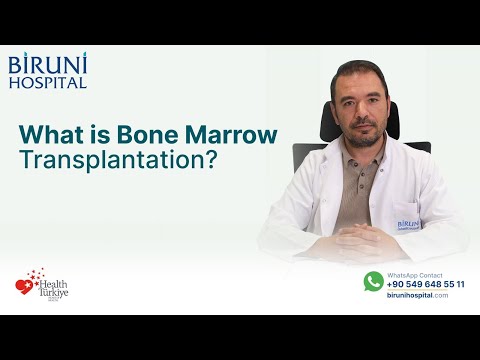
A bone marrow transplant, also known as a stem cell transplant, is a rigorous, multi-phased medical marathon. The process begins with the "conditioning" phase, which is arguably the most physically taxing part of the journey. During this stage, the patient receives ultra-high doses of targeted chemotherapy, sometimes combined with full-body radiation therapy.
The goal of conditioning is two-fold: completely eradicate the malignant leukemia cells hiding within the bone marrow, and intentionally suppress the patient's immune system. This immunosuppression is vital to prevent the body from rejecting the new, healthy donor stem cells once they are introduced.
Phase 2: The Stem Cell Infusion
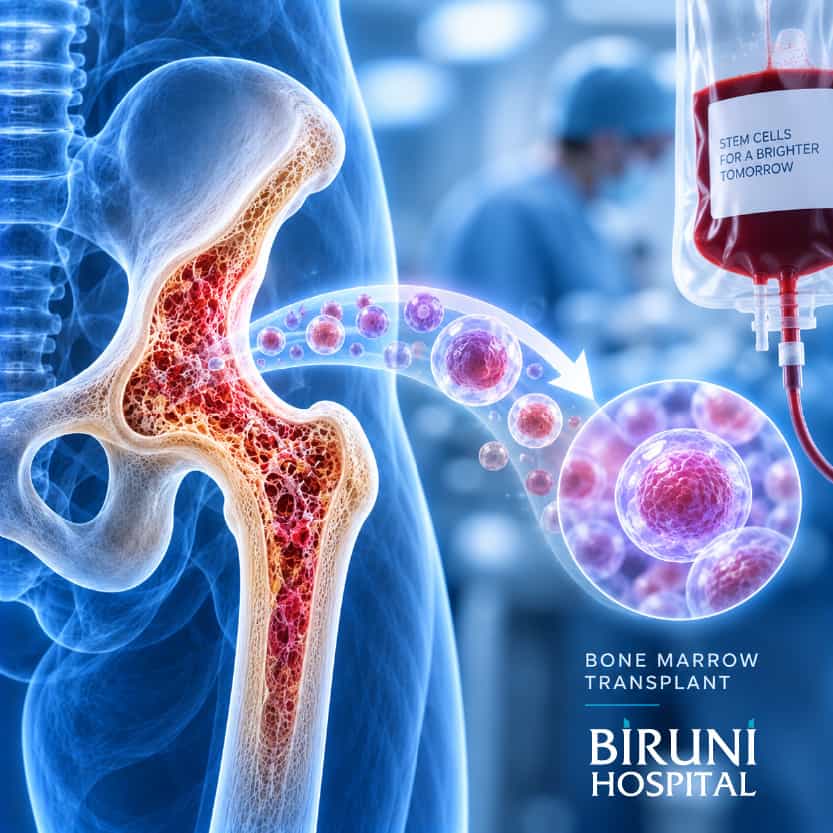
Following the conditioning phase, the actual transplant takes place. Surprisingly, this step is not a surgical operation but rather resembles a standard blood transfusion. Healthy, fully matched stem cells—either from a meticulously screened donor or previously harvested from the patient—are infused directly into the bloodstream through a central venous catheter.
These incredibly intuitive stem cells naturally migrate through the bloodstream and anchor themselves into the empty cavities of the bone marrow. Once settled, they begin the miraculous task of generating brand new, healthy red blood cells, white blood cells, and platelets.
Phase 3: Engraftment and Deep Isolation
The weeks immediately following the infusion are highly critical. This period, known as engraftment, requires the patient to live in strict hospital isolation because their immune system is effectively non-existent. During this vulnerable time, the medical staff monitors the patient around the clock, administering prophylactic antibiotics and antivirals to prevent life-threatening infections.
Phase 4: Long-Term Success and Monitoring
Recovery extends far beyond hospital discharge. As the new immune system gradually strengthens, patients undergo extensive outpatient monitoring to ensure the leukemia remains in remission and to watch for signs of GVHD. Celebrating survival milestones marks a major turning point, as patients regain their strength, well-being, and vitality.
Cost Comparison: Affordable Leukemia Treatment in Turkey vs. Western Nations
Breaking Down the Financial Barriers
Beyond the immense physical and emotional toll, acute leukemia often brings crippling financial devastation. In the United States and parts of Western Europe, the total cost of a bone marrow transplant, including prolonged hospital stays and specialized medications, can easily exceed half a million dollars. Even with robust insurance policies, out-of-pocket expenses frequently bankrupt families.
Turkey has revolutionized global access to these life-saving procedures by offering transparent, highly competitive pricing without ever compromising clinical quality. The lower operational costs of specialized Turkish medical facilities, combined with favorable currency exchange rates, allow international patients to save up to 70% compared to Western prices.
| Treatment Location | Estimated Cost (USD) | Typical Wait Time | Package Inclusions |
|---|---|---|---|
| United States | $350,000 - $800,000 | 3 - 6 Months | Standard Care, Excludes Travel & Housing |
| United Kingdom | $150,000 - $300,000 | Varies (NHS delays common) | Standard Care, Limited Availability |
| Turkey (Accredited Centers) | $40,000 - $80,000 | Immediate / Expedited | Full Treatment, Hospital Stay, Translator, VIP Transfers |
All-Inclusive Oncology Packages
Medical tourism platforms like PlacidWay assist patients by securing all-inclusive treatment packages. These bundles typically cover the cost of the stem cell transplant, extensive pre-operative screenings, required hospital stays in isolated wards, and essential post-operative medications. By eliminating hidden medical fees, families can focus entirely on supporting their loved one rather than stressing over escalating invoices.
The Power of Positivity: Psychological Resilience During Cancer Treatment
Maintaining Mental Fortitude
Surviving acute leukemia is as much a psychological battle as it is a physical one. Psycho-oncology studies repeatedly confirm that patients who maintain a resilient, positive mindset experience lower levels of stress hormones, which can actively benefit immune system recovery. Approaching the diagnosis with determination rather than despair is vital.
While battling the disease presents severe challenges, maintaining mental strength and refusing to give up improves overall endurance. Joining support groups, seeking counseling, and leaning on family can fortify this necessary inner strength.
Becoming an Active Participant in Healing
Bringing positive energy into the clinical environment profoundly impacts the healing process. Greeting the medical staff with optimism and cooperating closely with care teams helps create an uplifting atmosphere.
This dynamic positively influences the standard of care. Doctors and nurses work tirelessly under immense pressure; a cooperative patient helps reinvigorate the entire ward, turning the experience from one of victimization into an empowered journey toward survival.
Seamless Medical Travel: Translators, Coordination, and Support Systems
Overcoming the Language Barrier
The prospect of navigating a foreign country while battling a life-threatening illness deters many from seeking help abroad. However, elite Turkish hospitals have meticulously engineered their international patient programs to completely eliminate these logistical anxieties. Language is never a barrier; dedicated medical translators are assigned to patients from the moment they arrive.
Having a native speaker present during complex medical consultations ensures that patients fully understand their treatment options, medication schedules, and recovery protocols.
End-to-End Logistical Support
Organizing international medical transport requires precise coordination, which is where medical tourism facilitators step in as invaluable assets. Coordinators handle everything from securing rapid medical visas and booking emergency flights to arranging VIP airport pickups via private ambulance.
Additionally, they assist in organizing comfortable, long-term accommodation near the hospital for accompanying family members. This comprehensive safety net ensures that the patient's singular focus remains on surviving and thriving, rather than worrying about hotel bookings or logistics.
Why International Patients Are Choosing Turkish Hospitals for Complex Diseases
Bridging Healthcare Gaps Globally
For patients residing in regions where localized healthcare options for hyper-specialized procedures like bone marrow transplants are limited or underfunded, looking abroad is often a clinical necessity. Rather than enduring long wait lists or limited medical resources locally, traveling to Turkey provides immediate access to advanced medical technology.
The convenience of direct international flights to Istanbul makes this a highly practical and efficient medical corridor for patients worldwide.
Creating a Pathway to Remission
The stark reality is that fighting acute leukemia does not allow for geographical limitations. Waiting for local healthcare infrastructure to catch up is simply not an option when dealing with an aggressive blood cancer. Seeking global options serves as a beacon of hope for countless individuals facing similar devastating diagnoses.
By stepping outside traditional borders and utilizing established medical tourism networks, patients can connect with world-class hematologists and achieve successful clinical outcomes.
Ready to Begin Your Healing Journey in Turkey?
PlacidWay Medical Tourism connects you with top-rated oncology centers, offering world-class leukemia treatment and bone marrow transplants at affordable prices. Let us handle the complex travel details while you focus entirely on your health and recovery.
GET A FREE QUOTE
.png)

.png)
.png)
.png)
.jpg)
.jpg)
.jpg)
.jpg)








Share this listing