
Undergoing major dental restoration is a significant clinical and personal milestone. In this brief experience, a patient shares his profound gratitude for the comprehensive restorative work completed by his clinical team.
Quick Takeaway: A successful dental restoration requires both clinical precision and a strong doctor-patient relationship. Finding a dedicated clinical team helps ensure that major procedures, such as full-arch restorations, are planned carefully and tailored to the individual's long-term oral health needs.
The Importance of Trust in Restorative Dentistry
When a patient requires extensive dental work, the experience extends far beyond a routine checkup. Restoring a damaged or missing smile involves intricate clinical planning, specialized materials, and a deep level of trust between the patient and the provider. For many individuals, the deterioration of their oral health brings significant anxiety, making the choice of a dental clinic a crucial decision.
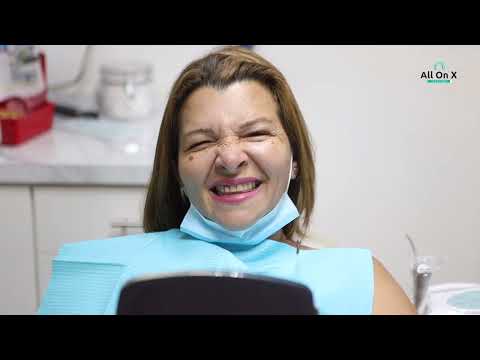
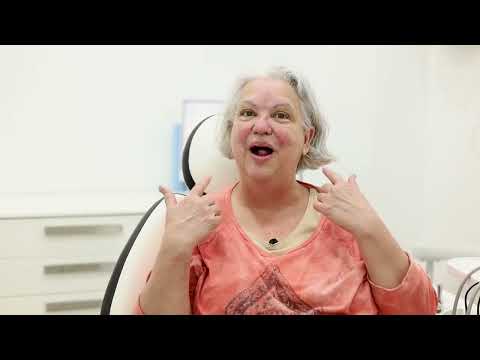
In this video, the patient expresses immediate and genuine appreciation for his doctor at Care Smile Center. Rather than focusing on the technical specifications of the prosthetic, the primary emotion is relief and gratitude. This highlights an often-overlooked aspect of dental tourism and major restorations: the psychological comfort that comes from feeling heard, respected, and properly cared for by the clinical team.
"Thank you very much to the doctor who did this work for me. I am very grateful... You did a very good job, Doctor."
A successful outcome is not just measured by the physical placement of crowns or implants, but by how the patient feels adapting to their new bite and smile. Trust is established during the initial consultation, reinforced during the clinical procedure, and validated during the final fitting.
Understanding Major Dental Restorations
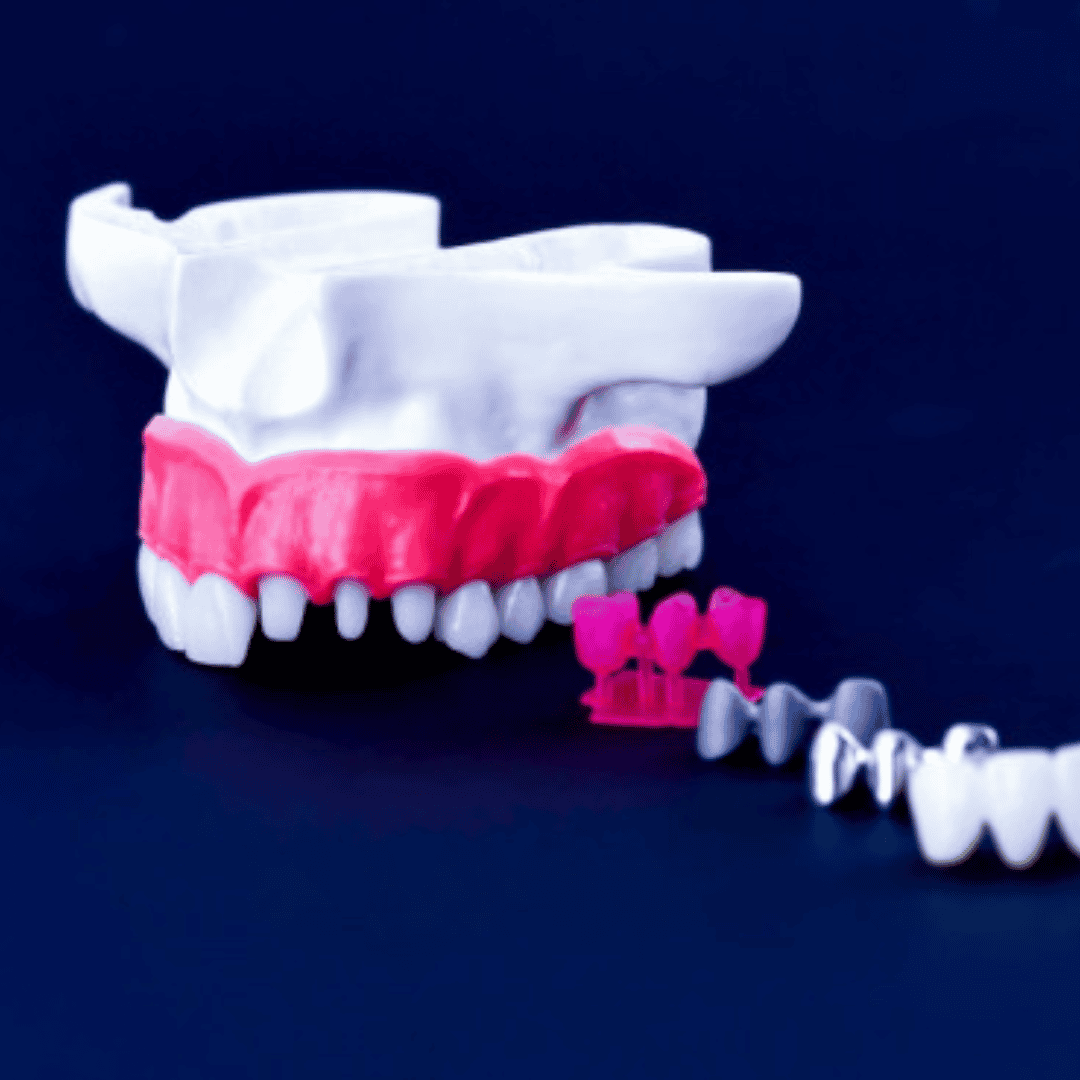
The brief clinical footage shows a full prosthetic arch, indicating that the patient underwent a comprehensive restorative procedure. Major restorations, such as All-on-4 implants or fixed hybrid dentures, are designed for patients who have lost most or all of their natural teeth in an arch. Unlike traditional removable dentures, these solutions are often anchored securely to dental implants, providing a permanent, stable foundation.
Transitioning to a full-arch restoration is a complex medical process. It requires careful evaluation of bone density, gum health, and bite alignment. The goal is to recreate the natural function of the teeth, allowing the patient to speak clearly, chew properly, and smile confidently.
| Type of Dental Care | Clinical & Practical Reality |
|---|---|
| Routine Maintenance | Involves cleanings, minor fillings, and preventive care. Recovery is immediate, and treatment is generally completed in a single visit. |
| Single Restorations | Addresses isolated issues using crowns, veneers, or single implants. Requires precise shade matching and targeted structural support. |
| Full-Arch Restorations | Replaces an entire row of teeth. Involves complex surgical planning, temporary prosthetics, and an adjustment period to adapt to the new bite mechanics. |
The Role of Clinical Photography in Treatment Planning
In modern dentistry, the visual aspects of a smile are meticulously planned before any physical work begins. During the video, the doctor is seen using a professional camera equipped with a ring flash to photograph the patient. This is not merely for before-and-after marketing; it is a critical diagnostic tool.
Clinical photography allows the dental team to analyze facial symmetry, lip lines, and the natural resting posture of the jaw. By capturing detailed images, a prosthodontist can use digital smile design software to map out the exact proportions needed for the new prosthetic. This ensures that the final restoration looks natural and complements the patient's unique facial structure, rather than appearing bulky or artificial.
The Stages of Comprehensive Dental Care
Patients traveling for significant restorative dentistry often have questions about the timeline and workflow. While every treatment plan is customized based on individual bone health and specific clinical needs, a full-arch restoration generally follows a structured pathway.
The process begins with 3D CBCT scans, digital impressions, and clinical photography. The team evaluates bone volume and designs the future prosthetic.
If implants are required, the foundational posts are placed into the jaw. In many cases, a temporary acrylic prosthetic is provided so the patient does not leave without teeth while healing occurs.
Osseointegration—the process where the bone fuses with the implant—typically takes several months. During this time, the patient follows a modified diet to protect the temporary restoration.
Once healing is complete, the final, highly durable prosthetic (often made of zirconia or reinforced porcelain) is securely attached, and final bite adjustments are made.
What to Look for When Choosing a Dental Provider
For international patients considering dental tourism, finding a clinic that can safely manage complex cases is vital. High-quality restorative care requires a multidisciplinary approach, often involving general dentists, oral surgeons, and prosthodontists working together under one roof.
When evaluating a facility for major dental work, several foundational elements should be verified to ensure a safe and predictable outcome.
- In-House Technology: Clinics equipped with their own CBCT scanners and digital design tools can diagnose and adjust treatments rapidly, which is especially important for patients traveling from abroad with limited timeframes.
- Clear Communication: The ability to freely communicate concerns, pain levels, and aesthetic preferences is essential. Bilingual staff or dedicated patient coordinators help bridge any potential gaps.
- Specialized Focus: Major restorations require specific surgical and prosthodontic skills. Clinics that dedicate a significant portion of their practice to full-arch cases are generally better equipped to handle unexpected clinical challenges.
Adapting to a New Prosthetic Smile
The moments captured in a patient testimonial often reflect the immediate joy of seeing the final result. However, patients should understand that adapting to a major dental restoration is a gradual process. Even with perfectly planned procedures, the mouth requires time to adjust to the new structural reality.
Initially, patients may experience slight changes in their speech as the tongue adapts to the contours of the new teeth. Certain sounds may require a brief period of retraining. Additionally, the biting force will feel different. While implant-supported restorations offer a strong bite similar to natural teeth, the sensory feedback—how the teeth "feel" when they touch—is altered.
Consistent oral hygiene remains just as important for prosthetics as it does for natural teeth. While ceramic crowns cannot develop cavities, the surrounding gum tissue and underlying bone must be kept scrupulously clean to prevent peri-implantitis, an inflammatory condition that can threaten the stability of the restoration. Water flossers, specialized brushes, and regular professional cleanings are standard requirements for long-term success.
Before committing to a comprehensive dental restoration abroad, ensure you understand the necessary post-care protocols. Ask the clinic how follow-up care is managed once you return home, and whether they can coordinate with a local dentist for routine maintenance and long-term monitoring.
The Long-Term Impact of Restoring Function
The patient's closing remarks—a simple, heartfelt acknowledgment of a "very good job"—speak to the ultimate goal of any medical intervention: improving quality of life. Dental issues often cause individuals to hide their smile, avoid certain social situations, or alter their diet in ways that negatively impact their overall nutrition.
By restoring the structural integrity of the mouth, patients frequently experience a renewed sense of confidence. The removal of chronic dental pain and the ability to chew comfortably are practical improvements that influence daily well-being. While the clinical journey involves careful planning, temporary stages, and an adjustment period, the long-term benefits of a secure, healthy bite provide lasting value to the patient.
Discuss Your Dental Restoration Options With a Specialist
Understanding which dental procedure matches your clinical needs is the first step toward a functional, lasting smile. PlacidWay helps coordinate your treatment inquiries, securely collects your dental records and x-rays for review, and connects you with verified international dental specialists for a personalized medical evaluation.
Request a Specialist ConsultationView Video Transcript
0:00 - Thank you very much to the doctor who did this work for me.
0:03 - I am very grateful.
0:04 - In fact, I already told him once,
0:06 - You did a very good job, Doctor.


























Share this listing