
For decades, physically active individuals, amateur athletes, and avid weightlifters have accepted chronic pain and progressive inflexibility as the inevitable cost of a life well-lived. If you have spent years pushing your body to its physical limits through rigorous sports and heavy resistance training, you are likely familiar with the persistent, nagging joint pain that traditional medicine struggles to resolve. However, the landscape of orthopedic recovery is rapidly shifting. Advanced stem cell therapy for chronic pain and sports injuries offers a groundbreaking, non-surgical alternative to regenerate damaged tissue rather than simply masking symptoms.
Today, regenerative medicine is empowering patients to reclaim their mobility, improve their sleep, and drastically boost their daily energy levels. Through personalized cellular treatments at specialized clinics like Rejuvstem, patients are experiencing profound systemic improvements. Read on to discover how cutting-edge cellular medicine can permanently alter your approach to long-term physical wellness and joint preservation.
Video Chapters & Quick Navigation
The Hidden Cost of an Active Lifestyle: Chronic Pain and Inflexibility
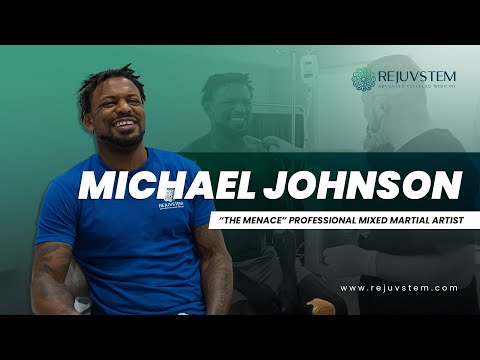
Living an active lifestyle is universally prescribed for cardiovascular health and mental well-being, but high-impact sports and heavy weightlifting place extraordinary stress on the human musculoskeletal system. As highlighted by the patient's testimony, [00:00] "Over the years, I've been very physically active lifting weights, playing sports, and I've started to have some chronic issues." This is a reality shared by millions of athletes globally.
The repetitive strain of lifting heavy loads, sudden changes in direction on the sports field, and inadequate recovery periods lead to micro-traumas within the joints. Over time, these micro-traumas compound. The body's natural healing mechanisms become overwhelmed, leading to the degradation of articular cartilage, chronic inflammation of the tendons, and the formation of stiff, inflexible scar tissue.
The Biomechanics of Joint Wear and Tear
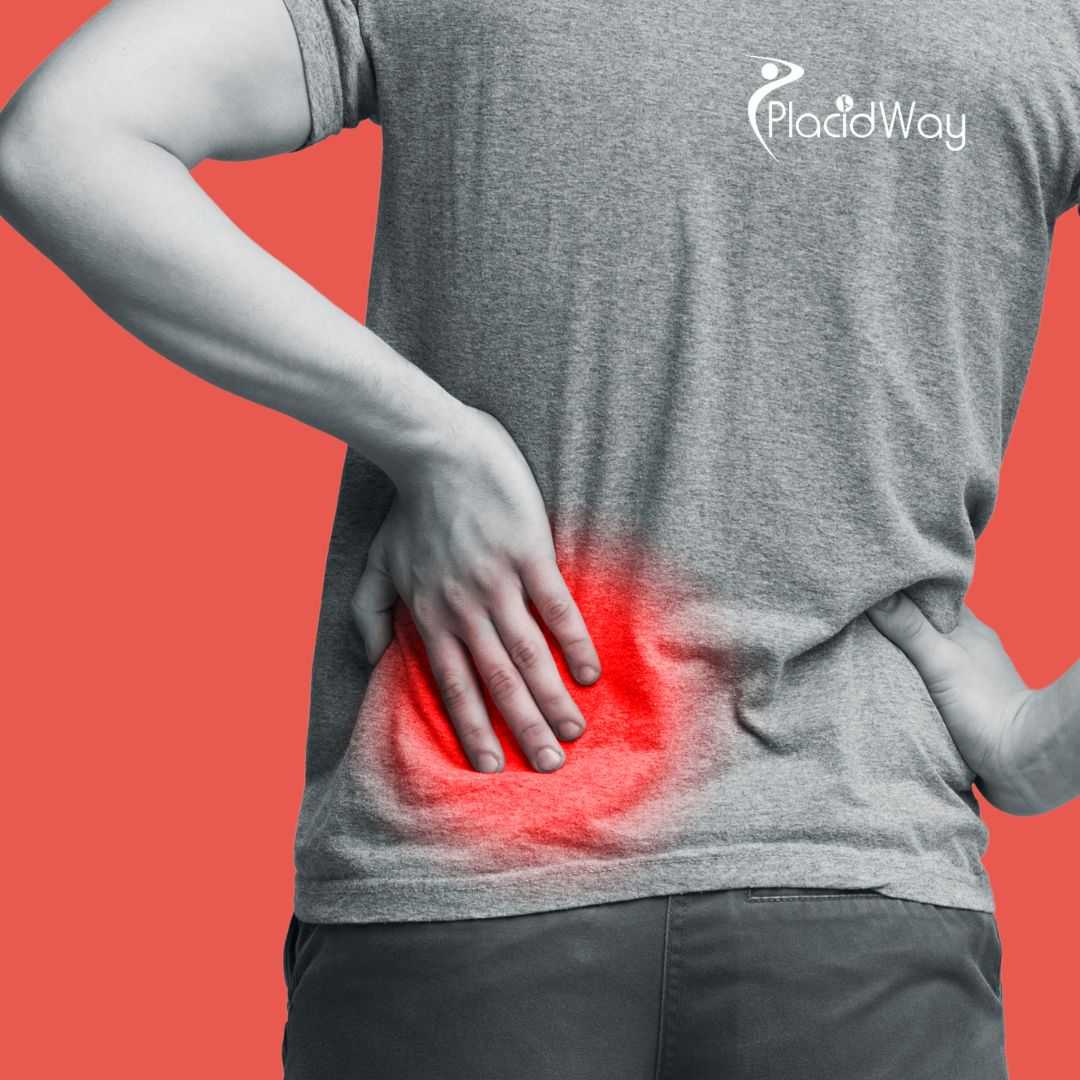
When cartilage—the smooth, frictionless tissue covering the ends of bones—begins to wear away, the resulting bone-on-bone friction causes severe pain and dramatic loss of flexibility. As the patient noted, the primary symptoms resulting from this physical wear are [00:07] "mostly pain, inflexibility." This inflexibility is not merely a nuisance; it fundamentally alters biomechanics.
Altered biomechanics force surrounding muscles and joints to overcompensate, creating a cascading effect of secondary injuries throughout the kinetic chain. An inflexible hip, for instance, often results in lower back pain or knee instability, trapping the individual in a frustrating cycle of chronic discomfort that severely diminishes their quality of life.
The Limitations of Conventional Orthopedic Treatments
Faced with chronic joint issues, most patients begin a predictable and often disappointing journey through the conventional healthcare system. The standard protocol typically involves a sequence of conservative treatments that prioritize symptom management over root-cause resolution. It is common to rely on Non-Steroidal Anti-Inflammatory Drugs (NSAIDs), physical therapy, and eventual corticosteroid injections.
While physical therapy is a vital component of any recovery, it cannot regrow lost cartilage or heal severely degraded tendons. Medication provides temporary relief but carries significant long-term side effects, including gastrointestinal issues and cardiovascular risks. As the patient astutely realized during their journey, [00:09] "I kept investigating it, and I thought none of this stuff is going away that's bothering me."
The Illusion of Corticosteroid Relief
Corticosteroid injections are frequently offered as a solution for severe inflammation. However, modern medical literature indicates that while steroids rapidly reduce inflammation, repeated injections actually accelerate the deterioration of joint cartilage. They provide the illusion of healing by shutting off pain receptors, which often leads athletes to return to activity prematurely, causing even more profound structural damage.
| Treatment Approach | Mechanism of Action | Long-Term Outcome |
|---|---|---|
| NSAIDs & Painkillers | Chemically blocks pain signals to the brain and reduces minor swelling. | Masks symptoms; risk of organ damage with prolonged usage. |
| Corticosteroid Injections | Suppresses the local immune response to forcefully eliminate inflammation. | Temporary relief; proven to degrade cartilage and weaken tendons over time. |
| Arthroscopic Surgery | Mechanically removes damaged tissue or attempts to repair torn structures. | Alters joint biomechanics; requires extensive rehabilitation; risk of scar tissue. |
| Stem Cell Therapy | Introduces regenerative cells that signal tissue repair and reduce systemic inflammation. | Promotes actual biological healing, structural regeneration, and long-lasting pain relief. |
What is Stem Cell Therapy and How Does it Repair Tissue?
The realization that traditional methods are fundamentally flawed is exactly [00:14] "what led me to get Stem cell therapy." Advanced cellular medicine represents a paradigm shift in how we approach chronic orthopedic conditions. Instead of cutting out damaged tissue or numbing the pain, regenerative medicine utilizes the body's intrinsic biological machinery to heal itself.
Mesenchymal Stem Cells (MSCs) are the cornerstone of regenerative orthopedic therapies. These powerful, undifferentiated cells act as the general contractors of the human body. When injected into a damaged joint, such as a knee, shoulder, or hip, they seek out areas of high inflammation and structural degradation.
The Mechanisms of Cellular Healing
Once at the injury site, stem cells orchestrate a complex healing response known as the paracrine effect. They release potent growth factors, cytokines, and exosomes that instruct the local, damaged cells to begin repairing themselves. Furthermore, MSCs possess profound immunomodulatory properties.
They actively down-regulate the hostile, chronic inflammatory environment that prevents natural healing, resetting the joint environment from destructive to constructive. This biological reset promotes angiogenesis—the formation of new blood vessels—which brings vital oxygen and nutrients to tissues like cartilage and ligaments that typically suffer from poor natural blood supply.
Finding the Right Provider: The Rejuvstem Clinic Experience
The success of regenerative medicine is heavily dependent on the expertise of the clinic and the quality of the biologic materials used. Not all stem cell clinics are created equal. Thorough research is essential when selecting a provider, which is why the patient confidently noted, [00:16] "I thought rejuvstem was more in line with what I really wanted to do."
Rejuvstem has established itself as a leader in advanced cellular medicine by prioritizing patient safety, ethical cell sourcing, and evidence-based treatment protocols. Unlike clinics that offer a one-size-fits-all injection, top-tier regenerative facilities conduct comprehensive biochemical and structural assessments before creating a treatment roadmap.
A Patient-Centric Approach to Healing
Living with chronic pain is stressful, and navigating novel medical treatments can be overwhelming. High-quality clinics eliminate this friction by prioritizing the patient experience. The patient remarked that [00:21] "they were accommodating with my schedule, with getting me in when they could." This level of accessibility and dedicated customer service is a hallmark of world-class medical facilities.
When clinics value a patient's time and individual needs, it fosters an environment of trust. A relaxed, confident patient experiences lower levels of cortisol (the stress hormone), which actually improves the body's receptiveness to cellular therapies. A seamless administrative process is the first step toward a successful medical outcome.
Beyond Pain Relief: Systemic Benefits of Advanced Cellular Medicine
While most patients seek out stem cell therapy strictly for joint pain and inflexibility, the results frequently transcend localized orthopedic relief. Because mesenchymal stem cells possess systemic anti-inflammatory capabilities, they often generate holistic health improvements that patients did not anticipate.
The testimonial highlights this incredible side effect perfectly: [00:30] "I sleep a lot better. I just think my body's functioning a lot better and I feel already like I have more energy." This dramatic shift in overall vitality is one of the most compelling reasons athletes and active individuals are turning to regenerative treatments.
The Link Between Reduced Inflammation and Restorative Sleep
Chronic pain is notorious for disrupting the sleep cycle. Even if you don't fully wake up, micro-arousals caused by joint discomfort prevent you from entering deep, restorative REM sleep. When stem cell therapy repairs the joint and eliminates the pain generator, patients finally achieve uninterrupted sleep.
Furthermore, high levels of systemic inflammation create a constant background drain on the body's energy reserves. The immune system is essentially working overtime, exhausting the individual. By neutralizing this chronic inflammation, cellular medicine frees up massive amounts of biological energy. This is why patients quickly feel revitalized, cognitively sharper, and physically ready to resume their active lifestyles.
Navigating Medical Tourism for Regenerative Treatments
For many patients in the United States, Canada, and the United Kingdom, accessing the most advanced forms of stem cell therapy can be hindered by restrictive local regulations or exorbitant domestic costs. This reality has fueled the rapid growth of medical tourism for regenerative medicine. By traveling abroad to world-class medical hubs, patients can access expanded cellular treatments that utilize highly potent, ethically sourced cells at a fraction of the cost.
Facilitators like PlacidWay Medical Tourism specialize in bridging this gap. They connect chronic pain sufferers with internationally accredited clinics like Rejuvstem. These medical travel programs are designed to be entirely stress-free, often including airport transfers, luxury accommodations, bilingual patient coordinators, and comprehensive pre-trip medical consultations.
Quality of Care Beyond Borders
There is a common misconception that traveling for medical care requires compromising on quality. The exact opposite is true in the realm of regenerative medicine. Elite international clinics frequently boast state-of-the-art cGMP (Current Good Manufacturing Practice) compliant laboratories. Their medical staff regularly attend global symposiums and collaborate with leading researchers, ensuring their treatment protocols represent the absolute cutting edge of cellular biology.
Preparing for Your Regenerative Medicine Journey and Treatment Plan
Successful stem cell therapy is not a single event; it is a meticulously planned process. A key factor in patient satisfaction is transparency and education. As highlighted in the video, a major benefit of choosing a premium clinic is their dedication to [00:25] "laying out the full plan, of the treatments that I would get. And they're easy to work with."
Before you even board a plane or step foot in a clinic, you will typically undergo a rigorous telehealth consultation. Doctors will review your recent MRI or X-ray imaging, assess your medical history, and evaluate the specific biomechanics of your sports injuries. Based on this data, a customized protocol is designed.
- Pre-Treatment Optimization: Patients are often advised on specific nutritional adjustments, hydration protocols, and the cessation of certain anti-inflammatory medications to prepare the body's microenvironment.
- Image-Guided Delivery: The actual injections are never performed blindly. Top clinics utilize precise ultrasound or fluoroscopic guidance to ensure the stem cells are deposited exactly into the damaged tissue.
- Post-Treatment Protocol: Following the procedure, a specific timeline for rest, gentle mobility, and eventually, a phased return to weightlifting and sports is provided to ensure optimal cellular integration.
Real Results and Patient Satisfaction in Cellular Medicine
The ultimate measure of any medical intervention is patient outcome and satisfaction. For individuals who have spent years feeling trapped by chronic joint pain, the liberation provided by successful stem cell therapy is life-changing. The ability to return to the gym, pick up a golf club, or simply walk up the stairs without wincing restores a profound sense of personal freedom.
The sentiment expressed by the patient is one echoed by thousands who have chosen the regenerative path: [00:37] "yeah. The whole experience was good. You know, I, I really don't have anything bad to say." When advanced science, compassionate care, and personalized treatment plans converge, the results speak for themselves.
If chronic inflexibility and pain are dictating the terms of your life, it is time to stop masking the symptoms and start repairing the damage at a cellular level. Regenerative medicine is not just about extending your athletic career; it is about drastically improving the overall quality of your life, energy, and daily function.
Ready to Overcome Chronic Pain and Regain Your Active Lifestyle?
Stop letting sports injuries and joint inflexibility hold you back. PlacidWay connects you with globally recognized regenerative medicine clinics like Rejuvstem for highly effective, cost-efficient stem cell therapy. Discover your personalized treatment plan today.
REQUEST YOUR FREE CONSULTATION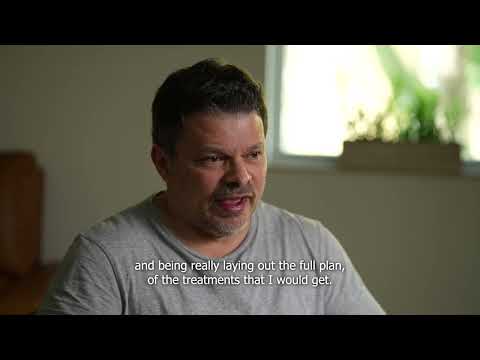



.png)
.png)
.png)


.png)

.jpg)
-(3).png)








Share this listing