


Living with the daily discomfort of loose teeth can deeply affect your overall quality of life. Many individuals delay essential treatment due to severe dental anxiety and the terrifying expectation of intense surgical pain. However, modern restorative dentistry has completely revolutionized the international patient experience. By utilizing advanced clinical techniques, securing a high-quality, permanent smile is far more comfortable than you ever imagined. This comprehensive guide explores the reality of painless full mouth dental implant restorations, uncovering how cutting-edge dental facilities handle complex extractions and implant installations with absolute precision.
Video Chapters & Quick Navigation
The Severe Burden of Gaping and Shifting Teeth
When evaluating the necessity of advanced dental restoration, understanding the root cause of tooth mobility is absolutely essential. As highlighted by the patient at [00:42], experiencing gaping teeth that progressively move and eventually fall out is a hallmark symptom of severe periodontal disease. This insidious condition occurs when untreated bacterial plaque hardens into calculus, severely irritating the gingival tissues and triggering an aggressive inflammatory response.
Over time, this chronic inflammation does not simply affect the gums; it systematically destroys the underlying alveolar bone that serves as the foundation for your teeth. Once this critical bone mass is lost, the teeth lose their structural anchor, causing them to drift, create unsightly gaps, and become excessively loose. The biomechanical consequences of this shifting are devastating to your overall oral health.
As the teeth move out of their natural alignment, your bite collapses, which can lead to severe temporomandibular joint (TMJ) disorders, chronic headaches, and a restricted diet. Furthermore, the psychological impact of losing teeth and displaying wide dental gaps can completely erode a person's self-confidence. Addressing this extensive damage requires more than just superficial cosmetic fixes; it demands a comprehensive, full mouth dental implant restoration process to halt bone loss and restore functional stability.
Why Patients Seek Specialized International Dental Clinics
The landscape of global healthcare has dramatically shifted, leading thousands of individuals to seek out the best dental clinics for international patients. When faced with exorbitant local costs or extensive waiting periods for complex oral surgeries, many patients look beyond their borders. As noted at [00:46], patients frequently travel long distances to access specialized centers like Tower Dental Clinic, where advanced restorative dentistry is performed with exceptional efficiency.
Access to World-Class Specialists and Technology
Top-tier international dental facilities are equipped with state-of-the-art diagnostic technology that is often unavailable or highly expensive at standard local practices. This includes high-resolution 3D Cone Beam Computed Tomography (CBCT) scanners, which provide crucial three-dimensional mapping of the patient's jawbone, nerves, and sinus cavities. This level of technological integration ensures that every single dental implant placement is executed with microscopic precision, drastically reducing the risk of surgical complications.
The Importance of a Compassionate Clinical Environment
Beyond the impressive technology, the human element of international dental care plays a massive role in patient satisfaction. Traveling abroad for medical procedures can be inherently stressful, which is why premium clinics prioritize exceptional hospitality. Experiencing a highly professional yet exceptionally warm environment, where the medical team goes out of their way to ensure comfort, transforms a daunting medical trip into a positive, life-changing journey.
The Crucial Role of Prosthetic Adjustment Sessions
A common misconception about dental implants is that the surgery itself is the final step of the process. In reality, the surgical placement of the titanium roots is only half the battle. As mentioned at [00:54], undergoing several dedicated sessions strictly for adjustments is a mandatory phase of high-quality restorative dentistry. This critical stage is known as the prosthetic or restorative phase, and it dictates the long-term success of your new smile.
During these vital adjustment appointments, the prosthodontist meticulously fine-tunes the patient's occlusion, which refers to how the upper and lower teeth meet when the jaw is closed. If a customized dental crown is placed even a millimeter too high, it can introduce excessive occlusal trauma to the underlying titanium implant. This traumatic force can disrupt the delicate bone integration process, ultimately leading to premature implant failure and significant discomfort.
Additionally, the dental implant adjustment phase timeline involves precise aesthetic customization. The clinical team evaluates the shape, size, and exact shade of the new restorations to ensure they perfectly complement the patient's natural facial structure. By taking impressions, utilizing digital smile design software, and making micro-adjustments in real-time, the dental team guarantees that the final prosthetic teeth feel as natural as they look.
Shattering the Myth of Dental Implant Pain
Perhaps the most profound revelation for prospective patients is understanding the actual pain levels associated with oral surgery. The fear of agonizing pain is the primary deterrent for millions of people who desperately need restorative care. However, as strongly emphasized at [01:11], the reality is that complex procedures like a full mouth teeth extraction and implant installation are overwhelmingly painless when performed by skilled specialists.
To understand why this painless tooth extraction process is possible, one must look at the anatomical structure of the human jaw. The alveolar bone, where the titanium implants are surgically placed, actually contains very few nerve endings compared to the highly sensitive tissues of the gums or the roots of natural teeth. Once the localized area is thoroughly numbed using modern, highly effective anesthetics, the bone itself registers absolutely no sharp pain during the drilling or placement process; patients typically only feel a mild sensation of pressure.
Furthermore, elite dental professionals utilize atraumatic extraction techniques. Instead of forcefully pulling severely decayed teeth, which heavily damages the surrounding bone and soft tissue, surgeons use specialized instruments to gently coax the tooth out of its socket. This delicate approach significantly minimizes post-operative swelling and drastically accelerates the overall healing timeline. Paired with strict post-surgical protocols involving prescribed anti-inflammatory medications, the recovery phase is typically far milder than patients anticipate.
Overcoming Severe Dental Anxiety Before Surgery
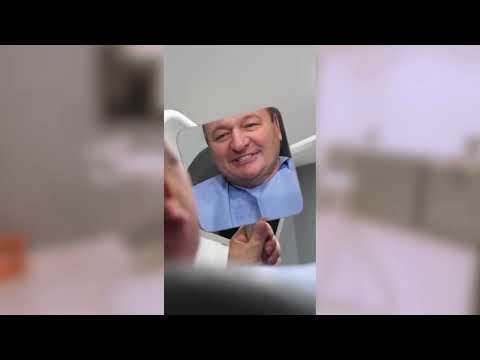
Odontophobia, or severe dental anxiety, is a recognized psychological barrier that traps patients in a vicious cycle of avoiding the dentist, leading to worsening oral health, which in turn creates even more anxiety. Acknowledging this fear is the first step to conquering it. Reflecting on the patient's realization at [01:16], most individuals discover that their intense dread leading up to the procedure was entirely unfounded, realizing they were terrified for absolutely no reason.
- Transparent Clinical Communication: Top-rated surgeons excel at explaining every single step of the surgical process in clear, non-threatening language, eliminating the fear of the unknown.
- Advanced Sedation Dentistry Options: For patients with extreme anxiety, clinics offer various levels of sedation, ranging from mild nitrous oxide (laughing gas) to deep intravenous (IV) sedation, ensuring patients remain completely relaxed or lightly asleep during the procedure.
- Calming Environmental Design: Modern international clinics are deliberately designed to feel more like high-end wellness spas rather than clinical hospitals, utilizing soothing colors, natural light, and noise-canceling headphones to block out the high-pitched sounds of dental instruments.
By effectively combining these advanced dental anxiety management techniques, specialized clinics actively dismantle the psychological barriers preventing patients from achieving optimal health. Overcoming severe dental anxiety for surgery is entirely possible when you are supported by an empathetic and highly trained medical team.
Understanding the Long-Term Benefits of Dental Implants
Choosing to undergo permanent restorative dentistry is one of the most impactful investments you can make for your long-term physical health. Unlike traditional removable dentures, which merely sit on top of the gums and often slip during speaking or chewing, permanent dental implants are surgically anchored directly into the jawbone. This critical structural difference provides unparalleled stability and restores up to 99% of your natural biting force.
One of the most scientifically significant benefits of dental implants is their ability to stimulate the alveolar bone through a biological process called osseointegration. When you chew with natural teeth or titanium implants, the physical pressure sends vital signals to the jawbone, instructing the body to continue regenerating bone cells in that area. Traditional dentures fail to provide this stimulation, resulting in rapid bone resorption, which leads to a sunken, prematurely aged facial appearance.
Additionally, premium permanent prosthetics crafted from advanced materials like monolithic zirconia or lithium disilicate are highly resistant to staining and completely immune to dental decay (cavities). With proper maintenance, these high-end restorations can easily last a lifetime, freeing patients from the endless cycle of replacing temporary dental bridges, relining loose dentures, and suffering through recurrent toothaches.
The Step-by-Step Dental Implant Procedure Timeline
Navigating the complex world of restorative dentistry becomes significantly easier when you have a clear roadmap of the exact clinical timeline. While every patient's biological healing rate varies, top-rated dental centers adhere to a strict, highly standardized multi-phase protocol to guarantee maximum implant success rates.
| Clinical Phase | Detailed Process & Patient Experience |
|---|---|
| 1. Initial Consultation & 3D Imaging | The specialist conducts a comprehensive oral examination and takes detailed 3D CBCT scans to precisely evaluate jawbone density, locate vital nerves, and digitally map the optimal implant placement locations. |
| 2. Painless Extractions & Surgical Placement | Under profound local anesthesia or IV sedation, failing teeth are atraumatically extracted. The biocompatible titanium implant posts are then meticulously placed directly into the healthy jawbone. |
| 3. Osseointegration (Healing Phase) | Over the next 3 to 6 months, the jawbone biologically fuses with the surface of the titanium implants. During this crucial healing window, patients wear temporary aesthetic crowns to maintain their smile. |
| 4. Abutment Connection & Impression | Once fully integrated, small connector pieces called abutments are attached to the implants. Ultra-precise digital or physical impressions are taken to craft the final, permanent ceramic teeth. |
| 5. Final Prosthetic Fitting & Adjustments | The permanent custom crowns or full-arch bridges are secured. The dentist performs multiple bite adjustments over several sessions to ensure perfect occlusion and outstanding aesthetic harmony. |
Essential Aftercare for Permanent Dental Restorations
Securing a flawless, functional smile through advanced implantology is a massive achievement, but maintaining that success requires dedicated, lifelong aftercare. Although titanium implants and zirconia crowns cannot develop bacterial cavities, the surrounding gum tissue and underlying alveolar bone remain susceptible to infection. The most significant threat to your new smile is a condition known as peri-implantitis, a destructive inflammatory disease similar to periodontitis that targets the tissues directly surrounding the implant.
To prevent this complication, strictly following daily dental implant aftercare instructions is non-negotiable. Patients must transition to using high-quality interdental brushes and specialized water flossers to completely eradicate trapped food particles and plaque from underneath the prosthetic bridges. Using a low-abrasive gel toothpaste is highly recommended to prevent scratching the polished surface of the custom ceramic crowns, which can inadvertently create microscopic breeding grounds for harmful bacteria.
Furthermore, scheduling routine professional dental cleanings and comprehensive clinical check-ups every six months is absolutely vital for long-term dental implant maintenance. During these appointments, your hygienist will use specialized titanium or plastic scaling instruments designed specifically to clean around implants without damaging them. By combining immaculate at-home oral hygiene with dedicated professional oversight, you ensure that your painless, beautiful dental restorations will confidently last for decades to come.
Ready to Reclaim Your Smile Without the Pain?
Stop letting dental anxiety and the fear of extreme costs hold you back from the healthy, radiant smile you deserve. PlacidWay Medical Tourism connects you directly with top-tier, internationally accredited dental clinics offering state-of-the-art, completely painless full-mouth restorations at a fraction of the cost. Let us handle the complex logistics while you focus entirely on your transformation.
GET YOUR FREE DENTAL QUOTE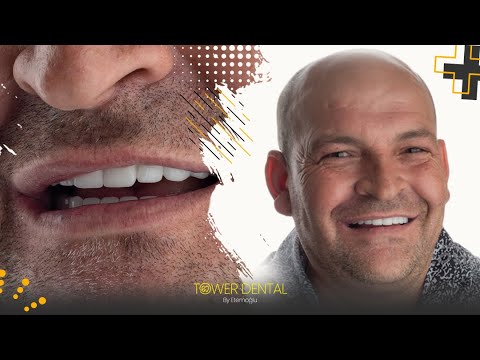





.png)












Share this listing