
Patients seeking restorative dentistry frequently explore international clinics to mitigate the high expenses associated with complex oral surgeries. Securing an affordable smile makeover and full mouth dental implants procedure in Turkey presents a clinically viable and economically sound alternative to domestic treatments. World-class dental facilities abroad combine elite medical expertise with accessible pricing structures designed specifically for international patients.
Advanced dental tourism goes beyond simple cost reduction to offer highly specialized surgical interventions. Leading international dental centers prioritize individualized treatment protocols utilizing top-tier titanium fixtures and advanced ceramics. Understanding the structural and biological processes behind these restorations allows patients to make informed decisions regarding their long-term oral health investments.
Video Chapters & Quick Navigation
- 1. The Economics of Dental Tourism Abroad
- 2. Step-by-Step Surgical Timeline
- 3. Advanced Diagnostic Technologies
- 4. Evaluating All-on-4 vs All-on-6 Systems
- 5. Restorative Materials Comparison
- 6. Managing Jawbone Density Deficiencies
- 7. The Patient Experience and Clinic Comfort
- 8. International Price Comparisons
- 9. Post-Operative Maintenance Protocols
- 10. Organizing Your Medical Travel Itinerary
The Economics of Dental Tourism Abroad
Dental care costs have escalated significantly across North America and Europe, forcing thousands of patients to delay essential restorative treatments. This hesitation often results in severe localized bone loss, impaired mastication function, and deteriorating overall oral health. Pursuing a full mouth dental implants procedure abroad provides an immediate clinical solution to these compounding physical issues.
International clinics frequently operate with lower overhead costs, reduced administrative burdens, and different regulatory fee structures. These economic factors allow high-end facilities to pass substantial financial savings directly to the consumer without compromising the quality of surgical hardware. Consequently, patients receive premium titanium implants and custom-milled prosthetics at a fraction of standard domestic prices.
Many specialized practices cater exclusively to international clientele by bundling surgical fees with local accommodation and ground transportation. This packaged approach streamlines the logistical burden, allowing the patient to focus entirely on their surgical recovery and healing process. Specialized medical tourism agencies coordinate these logistics to ensure seamless continuity of care across borders.
Step-by-Step Surgical Timeline for Implants
The journey toward full mouth restoration requires multiple distinct clinical phases spaced over several months. The initial phase involves the strategic surgical extraction of any remaining decayed or structurally compromised natural teeth. Once the dental arches are cleared, the surgeon meticulously prepares the alveolar ridge to receive the titanium implant posts.
Surgical placement of the fixtures requires precise angulation and depth control to maximize primary stability within the cortical bone. After the posts are anchored, the patient enters a mandatory healing period known as osseointegration, which typically lasts between three to six months. During this critical biological phase, the surrounding bone cells adhere directly to the micro-roughened surface of the titanium implant.
Following successful osseointegration, a secondary minor procedure exposes the implants to attach connecting elements called abutments. These abutments serve as the structural foundation for the final prosthetic bridge or individual ceramic crowns. The final phase involves taking digital impressions to manufacture a highly durable, custom-designed fixed bridge that restores full mechanical function.
Temporary Prosthetics During Healing
Patients are never left without functional teeth during the extensive osseointegration healing period. Surgeons routinely provide temporary acrylic dentures or immediate-load provisional bridges to maintain facial aesthetics and basic chewing capability. These temporary structures protect the surgical sites from excess pressure while the underlying bone fortifies around the new titanium roots.
Advanced Diagnostic Technologies in Implantology
Modern restorative dentistry relies heavily on state-of-the-art diagnostic imaging to eliminate surgical guesswork and prevent nerve damage. Prior to any incisions, specialists utilize Cone Beam Computed Tomography (CBCT) to capture highly detailed, three-dimensional views of the maxillofacial structures. This technology provides precise measurements of bone width, height, and overall density.
Digital intraoral scanners have largely replaced traditional, uncomfortable alginate putty impressions used in older clinical settings. These handheld digital wands capture thousands of surface images per second to construct an exact virtual replica of the patient's oral cavity. The resulting digital files are transferred directly to computer-aided design (CAD) software for surgical stent fabrication.
By utilizing computer-guided surgical templates, implantologists can execute flapless surgeries that minimize soft tissue trauma and reduce post-operative swelling. The surgical guide dictates the exact drill trajectory, ensuring the titanium fixture perfectly avoids the mandibular nerve canal and maxillary sinus cavities. This level of technological integration significantly elevates the long-term success rates of complex restorative surgeries.
Evaluating All-on-4 vs All-on-6 Systems
The All-on-4 dental implant system represents a revolutionary protocol that rehabilitates an entirely edentulous jaw using only four strategically positioned fixtures. The two posterior implants are angled at approximately 45 degrees to avoid anatomical limitations and maximize contact with denser anterior bone. This specific angulation frequently eliminates the need for invasive bone grafting procedures prior to surgery.
Conversely, the All-on-6 system utilizes six titanium posts per arch, providing a higher degree of mechanical support and load distribution. This configuration is generally recommended for patients possessing sufficient bone volume who exert heavy biting forces due to bruxism or strong masseter muscles. The additional fixtures offer enhanced stability and a safety net should a single implant fail to integrate.
Selecting the appropriate system depends entirely upon a comprehensive clinical evaluation by an experienced maxillofacial surgeon. Factors influencing this decision include the patient's age, bone morphology, opposing dentition, and specific aesthetic goals. Both methodologies successfully secure a fixed, full-arch prosthesis that functions identically to natural, healthy teeth.
Restorative Materials Comparison for Final Crowns
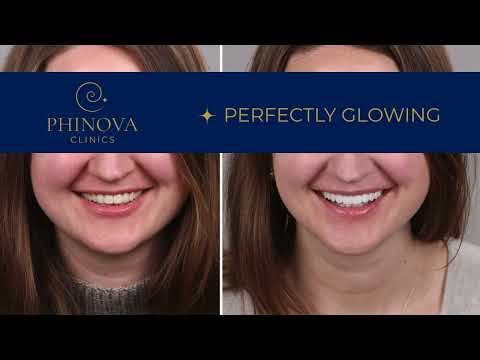
The longevity and visual appeal of a smile makeover depend heavily on the specific materials selected for the final prosthetic restorations. High-quality international dental clinics prioritize biocompatible materials that resist plaque accumulation and mimic the natural translucency of human enamel. Zirconia and E-max lithium disilicate represent the current gold standards in modern cosmetic dentistry.
Zirconia is a crystalline oxide of zirconium known for its exceptional flexural strength and resistance to mechanical fracturing. Monolithic zirconia bridges are typically utilized for the posterior segments of the mouth where heavy mastication forces are continuously applied. Modern milling techniques have significantly improved the aesthetic properties of zirconia, allowing for seamless color matching with adjacent dentition.
E-max restorations provide unparalleled aesthetic results, making them the preferred choice for individual anterior crowns and cosmetic veneers. The lithium disilicate glass-ceramic material scatters light exactly like natural dentin, creating a lifelike appearance that is impossible to achieve with older porcelain-fused-to-metal (PFM) crowns. A well-designed treatment plan often combines zirconia frameworks with E-max layering for optimal strength and beauty.
The Milling and Fabrication Process
Once the digital design is finalized, the data is transmitted to sophisticated in-house CAD/CAM milling units. These machines precisely carve the custom restorations from solid blocks of raw ceramic material within a matter of hours. This accelerated fabrication process drastically reduces turnaround times, which is highly beneficial for patients traveling internationally on a strict schedule.
Managing Jawbone Density Deficiencies
Prolonged tooth absence triggers a biological process called resorption, where the body reabsorbs the inactive jawbone tissue. Severe resorption presents a major clinical obstacle for implant placement, as the titanium fixtures require an adequate foundation for primary stability. To counteract this deficiency, surgeons perform various ridge augmentation procedures using sterile bone grafting materials.
A sinus lift, or maxillary sinus floor augmentation, is a specific type of grafting procedure performed in the upper premolar and molar regions. The surgeon gently elevates the delicate sinus membrane and packs particulate bone graft material into the newly created space. Over the course of several months, this material calcifies and integrates with the patient's native bone to create sufficient vertical height for long implants.
Bone graft materials are categorized based on their origin, including autografts (patient's own bone), allografts (donor bone), and xenografts (bovine or porcine bone). Synthetic alloplasts are also widely utilized as an osteoconductive scaffold to encourage natural cellular regeneration. The strategic application of these grafting techniques ensures even patients with severe atrophy can successfully receive fixed implant restorations.
The Patient Experience and Clinic Comfort
Modern international dental centers are architecturally designed to alleviate the anxiety typically associated with extensive oral surgery. As seen at [00:00], patients often wait in relaxing, contemporary environments that resemble boutique hotels rather than clinical waiting rooms. This intentional environmental design helps lower blood pressure and mentally prepares the patient for their upcoming consultation.
The most profound moment of the restorative journey occurs during the final prosthetic delivery and seating. At [00:07], the immediate emotional payoff becomes visible when a patient inspects their newly reconstructed smile in a handheld mirror. This powerful moment signifies the end of functional limitations and the restoration of personal confidence.
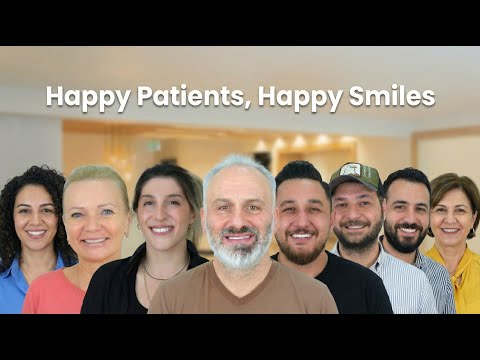
Strong interpersonal relationships are frequently forged between international patients and their dedicated clinical teams. By [00:13], patients openly share joyful interactions with the staff, reflecting genuine satisfaction with the surgical outcome. These positive experiences underscore the high level of personalized hospitality integrated into premium medical tourism packages.
Sedation and Pain Management
Complex surgical interventions mandate rigorous pain management protocols to ensure complete patient comfort throughout the procedure. Depending on the patient's anxiety levels and the procedure's duration, options range from profound local anesthesia to intravenous (IV) conscious sedation. IV sedation induces a state of deep relaxation, allowing hours of complex surgery to feel as though only minutes have passed.
International Price Comparisons for Dental Work
Conducting a thorough financial analysis is a critical step for anyone considering a full mouth dental implants procedure abroad. The disparity in pricing between Western nations and prominent dental tourism destinations is driven by cost of living, not a reduction in medical standards. Clinics abroad source the exact same premium implant brands—such as Straumann, Nobel Biocare, and Osstem—used by top-tier local practitioners.
A single dental implant with a standard ceramic crown can easily exceed $4,500 in the United States or the United Kingdom. Conversely, the exact same specialized treatment plan utilizing identical surgical hardware may cost between $800 and $1,200 in established medical tourism hubs. When calculating the expenses for a complete dual-arch restoration, the total savings can routinely surpass tens of thousands of dollars.
| Dental Treatment Type | Estimated Cost (US/UK) | Estimated Cost (Abroad) |
|---|---|---|
| Single Titanium Implant (Post Only) | $2,000 - $3,000 | $400 - $700 |
| Zirconia Crown (Per Tooth) | $1,200 - $2,500 | $200 - $400 |
| All-on-4 System (Per Arch) | $25,000 - $35,000 | $4,500 - $7,000 |
| Bone Grafting (Per Quadrant) | $800 - $1,500 | $150 - $300 |
Post-Operative Maintenance Protocols
The long-term success of an affordable smile makeover relies completely on strict adherence to post-operative hygiene protocols. Although titanium implants and ceramic crowns are impervious to biological decay, the surrounding gingival tissues remain highly susceptible to bacterial infection. A condition known as peri-implantitis can develop if plaque is allowed to accumulate around the implant collar, potentially leading to bone loss and implant failure.
Patients must adopt a rigorous daily mechanical cleaning routine utilizing specialized tools designed specifically for implant bridges. Water flossers are highly recommended to flush out trapped food particles beneath the fixed prosthesis without traumatizing the soft tissues. Interdental brushes and specialized implant floss are required to clean the tight proximal spaces between the abutments effectively.
Routine professional maintenance is equally critical to ensuring the longevity of complex oral restorations. Patients are advised to schedule comprehensive dental cleanings and panoramic X-ray evaluations every six months with their local practitioner. These routine assessments allow clinicians to monitor bone levels, verify occlusal balance, and address minor issues before they develop into systemic complications.
Dietary Adjustments During Osseointegration
Immediately following the placement of titanium implants, patients are restricted to a soft-food diet to prevent micro-movements of the surgical fixtures. Consuming hard, crunchy, or excessively chewy foods during the primary healing phase can disrupt the delicate cellular bonding process. Once full osseointegration is confirmed and the final monolithic zirconia restorations are seated, patients can safely return to an unrestricted, normal diet.
Organizing Your Medical Travel Itinerary
Successfully planning an international trip for restorative dentistry requires meticulous attention to logistical details. Patients should compile all relevant medical records, current medication lists, and recent panoramic X-rays to transmit to the designated clinic prior to booking flights. Remote clinical evaluations allow the surgical team to formulate an accurate preliminary treatment plan and provide a realistic cost estimate.
Coordinating travel dates requires factoring in sufficient time for initial consultations, the surgical procedure, and necessary post-operative follow-ups before returning home. Reputable international clinics often provide dedicated patient coordinators who assist with securing comfortable accommodations situated closely to the medical facility. These coordinators also arrange private ground transfers between the airport, hotel, and clinic to minimize travel-related stress.
- Verify Medical Credentials: Always confirm the operating surgeon's international board certifications and specialized training in advanced implantology.
- Check Passport Validity: Ensure your passport remains valid for at least six months beyond your intended date of travel to avoid entry restrictions.
- Review Warranty Policies: Reputable clinics provide clear, written warranties covering the structural integrity of their titanium implants and custom prosthetic crowns.
- Plan for Multiple Visits: Understand that full arch restorations typically require at least two separate international trips separated by a three to six-month healing phase.
Securing a comprehensive smile makeover and full mouth dental implants procedure in Turkey empowers patients to regain their oral functionality and aesthetic confidence. By leveraging advanced CAD/CAM technology, highly skilled surgical intervention, and premium restorative materials, international clinics deliver exceptional medical outcomes. Careful preparation and strict adherence to maintenance protocols ensure these transformative results provide a lifetime of functional benefits.
Ready to Transform Your Smile?
Connect with top-rated international dental clinics to receive a personalized treatment plan and detailed cost estimate for your restorative procedure.
Get Free QuoteView Video Transcript & Timeline
[00:00] Visual: Patients shown relaxing and consulting in a modern, brightly lit clinic waiting room environment.
[00:04] Visual: A panoramic view displaying the contemporary interior design of the international dental facility.
[00:07] Visual: A male patient holds up a dark hand mirror, revealing a bright, perfectly restored smile and reacting with sheer happiness.
[00:10] Visual: Another patient checks her mobile device while waiting comfortably for her final consultation.
[00:13] Visual: A smiling older woman interacting joyfully in the dental chair, highlighting the warm, patient-centered clinical experience.
.png)


.png)

.png)
.png)
.png)
.png)


.jpg)
.jpg)
.jpg)
.jpg)








Share this listing