


Welcome to our comprehensive medical guide on one of the most prevalent yet misunderstood cardiovascular conditions affecting millions worldwide. Managing hypertension, commonly known as high blood pressure, is absolutely critical for maintaining long-term cardiovascular health and preventing life-threatening complications. In a highly informative interview, Dr. Enrique Alcázar, a distinguished interventional cardiologist, shares his expert clinical insights on identifying, diagnosing, and effectively treating this silent but dangerous condition. If you want to protect your heart health, understand the underlying mechanisms of arterial damage, and learn how to implement effective lifestyle modifications, this detailed guide provides everything you need to know.
Video Chapters & Quick Navigation
- The Physiology of Blood Pressure
- Hypertension as a Chronic Condition
- The Silent Killer: Lack of Symptoms
- Recognizing Vague Warning Signs
- The Incidental Discovery
- Advanced Diagnostic Techniques
- Multifactorial Treatment Approach
- Essential Lifestyle Modifications
- The Pharmacological Arsenal
- Impact of Co-Existing Conditions
- Crucial Screening Recommendations
- Long-Term Cardiac Care
The Physiology of Blood Pressure and Circulation
Before diving into the complex medical nature of high blood pressure, it is essential to understand the fundamental physiology of how blood circulates throughout the human body. Blood pressure is the physical force exerted by circulating blood against the inner walls of the body's arteries. These arteries are the major blood vessels responsible for delivering oxygen-rich blood from the heart to all vital organs and tissues.
Every time the heart muscle contracts, it actively pumps blood into this vast circulatory network, creating what is known as systolic pressure. When the heart rests between beats and fills with blood, the pressure within the arteries naturally drops, resulting in the diastolic pressure reading. A healthy cardiovascular system relies on arteries being flexible, elastic, and free from internal blockages to maintain a steady, optimal flow.
However, when this delicate balance is disrupted, the pressure within the vascular system begins to steadily rise. This increased pressure forces the heart to work significantly harder to circulate blood, setting the stage for long-term cardiovascular complications. Managing this intricate system requires a deep understanding of how dietary, environmental, and genetic factors influence arterial health over time.
Defining Hypertension as a Chronic Degenerative Condition
In the provided video interview, interventional cardiologist Dr. Enrique Alcázar clearly defines hypertension as a chronic degenerative condition. This medical classification means that the disease progresses slowly over time, continuously degrading the structural integrity of the cardiovascular system. According to Dr. Alcázar, the primary characteristic of this condition is an abnormal increase in the tone or stiffness of the arterial walls [00:27].
When blood vessels lose their natural elasticity, they become rigid, creating elevated resistance against the flowing blood. This relentless, high-pressure environment causes microscopic damage to the delicate inner lining of the arteries, clinically known as the endothelium. As these microscopic tears develop, cholesterol and other inflammatory substances in the blood can easily accumulate within the damaged areas, accelerating the dangerous process of atherosclerosis.
Furthermore, the heart muscle is forced to physically pump against this increased vascular resistance every single second of the day. Over time, this intense mechanical workload can cause the heart muscle to thicken abnormally, a dangerous physiological adaptation known as left ventricular hypertrophy [00:42]. Recognizing this degenerative cycle is the first crucial step toward actively protecting your long-term cardiac health.
The Silent Killer: Why Lack of Symptoms is Dangerous
One of the most alarming aspects of high blood pressure is its completely asymptomatic nature during the early and moderate stages of the disease. Medical professionals universally refer to hypertension as the "silent killer" precisely because the vast majority of patients experience absolutely no noticeable symptoms [01:06]. A person can live for years, or even decades, with dangerously elevated blood pressure without ever feeling sick or physically compromised.
This lack of immediate physical discomfort creates a dangerous false sense of security, causing individuals to severely neglect routine medical checkups. While the patient feels perfectly healthy on the outside, their internal organs are being continuously battered by highly pressurized blood flow. The kidneys, brain, eyes, and heart are all highly susceptible to this chronic, invisible vascular damage.
By the time physical symptoms finally begin to manifest, irreversible organ damage may have already occurred. This is exactly why medical professionals passionately advocate for regular, preventative cardiovascular screenings regardless of how healthy a patient claims to feel. Treating the condition strictly based on visible illness is a fundamentally flawed and highly risky approach.
Recognizing the Vague Warning Signs
While chronic hypertension generally remains completely hidden, there are rare instances where the condition produces subtle physical warning signs. When these symptoms do eventually appear, Dr. Alcázar notes that they are notoriously vague, non-specific, and easily mistaken for minor everyday ailments [01:24]. Patients often report experiencing persistent headaches, unexplained bouts of dizziness, or a sudden ringing in the ears known clinically as tinnitus.
Occasional nausea and generalized fatigue can also be subtle indicators of elevated cardiovascular strain affecting the body's equilibrium. Because these symptoms are so incredibly common, most people intuitively attribute them to lack of sleep, poor hydration, or excessive workplace stress. An individual might easily take an over-the-counter painkiller for their headache without ever suspecting that their blood pressure is reaching critically dangerous levels.
This overlapping of symptoms highlights exactly why individuals should never rely solely on subjective physical sensations to gauge their cardiovascular health. Understanding that feeling unwell is not a reliable metric for blood pressure control is paramount for preventative cardiac care.
The Incidental Discovery of Hypertension
Because reliable physical symptoms are virtually nonexistent, the initial discovery of high blood pressure is almost always entirely incidental. Countless patients receive their first hypertension diagnosis completely by chance during an unrelated medical visit or routine checkup [01:39]. A mandatory pre-employment physical, an annual wellness exam, or a simple trip to the clinic for a common cold can suddenly reveal alarming blood pressure metrics.
This incidental detection is often a highly surprising and confusing moment for the patient, who generally feels perfectly normal at the time of the reading. It can be incredibly difficult for a patient to accept that they require long-term medical intervention when they are not experiencing any noticeable physical pain or discomfort. However, trusting the clinical data over subjective feelings is absolutely vital.
The frequent accidental discovery of this chronic condition underscores the absolute necessity of proactive preventative healthcare across all age groups. Relying on sheer luck or an unrelated illness to prompt a blood pressure reading is an incredibly risky approach to cardiovascular disease prevention.
Advanced Diagnostic Techniques and Ambulatory Monitoring
Diagnosing hypertension involves much more than a single, isolated reading from a traditional blood pressure cuff. While an initial elevated reading in the doctor's office is a strong indicator of a potential issue, it is rarely enough to confirm a chronic diagnosis on its own [02:01]. Blood pressure naturally fluctuates drastically throughout the day based on stress levels, physical activity, and dietary choices like caffeine consumption.
Therefore, medical professionals often require multiple readings taken on different days to establish a consistent pattern of cardiovascular strain. For more complex or borderline clinical cases, cardiologists utilize a highly advanced diagnostic tool known as MAPA, which translates to Ambulatory Blood Pressure Monitoring. This sophisticated methodology involves the patient wearing a portable blood pressure device that automatically inflates and records readings at regular intervals over a continuous 24-hour period [02:14].
The MAPA test is incredibly valuable for identifying "white-coat hypertension," a psychological phenomenon where a patient's blood pressure spikes solely due to the anxiety of being in a medical clinical environment. Conversely, it can also detect "masked hypertension," where blood pressure appears deceptively normal in the clinic but remains dangerously high during daily activities. Gathering this comprehensive 24-hour data allows cardiologists to make highly accurate, evidence-based diagnostic decisions regarding a patient's cardiovascular health.
The Multifactorial Treatment Approach for High Blood Pressure
When it comes to treating high blood pressure, Dr. Alcázar clarifies a crucial medical reality: you cannot necessarily prevent the onset of the condition itself, but you can actively prevent its devastating systemic complications [02:45]. Successfully managing hypertension requires a robust, multifactorial treatment strategy that addresses the patient's entire lifestyle alongside clinical interventions. There is no single "magic pill" that can instantly cure high blood pressure; instead, it demands a lifelong, dedicated commitment to comprehensive health management.
The overarching goal of any effective hypertension treatment plan is to drastically lower the individual's risk of severe cardiovascular events. Unmanaged high blood pressure is a leading global cause of sudden myocardial infarctions, debilitating ischemic strokes, and end-stage chronic renal failure. By combining aggressive lifestyle interventions with targeted medical therapies, patients can successfully stabilize their blood pressure and protect their vital internal organs from irreversible harm.
Understanding the severe consequences of leaving the condition untreated is often the primary motivator for patients to adhere to their medical protocols. Below is a detailed breakdown of the major organs impacted by uncontrolled hypertension and the severe medical complications that can rapidly arise.
Essential Lifestyle Modifications for Blood Pressure Control
The absolute foundation of any effective hypertension treatment plan is a radical shift in daily lifestyle habits. Dietary modifications play an incredibly dominant role in managing arterial tension, with a massive clinical emphasis placed on drastically reducing daily sodium intake [03:00]. Patients are strongly encouraged to adopt heart-healthy eating patterns, such as the DASH (Dietary Approaches to Stop Hypertension) diet, which prioritizes fresh vegetables, whole grains, and lean proteins.
Beyond strict dietary changes, consistent cardiovascular exercise is a highly potent natural remedy for lowering elevated blood pressure. Engaging in moderate aerobic activities like brisk walking, swimming, or cycling helps to permanently strengthen the heart muscle and naturally improve overall vascular elasticity. Furthermore, eliminating highly toxic habits such as cigarette smoking and excessive alcohol consumption is an absolutely non-negotiable step in the recovery process.
The chemical compounds found in commercial tobacco smoke actively damage arterial walls and cause immediate, severe vascular constriction, completely undermining any positive pharmacological treatment efforts. To effectively manage blood pressure through diet, patients must learn to identify and avoid common sources of hidden sodium in their daily meals.
- Processed and Cured Meats: Deli slices, bacon, hot dogs, and commercial sausages are notoriously packed with sodium used strictly for long-term preservation.
- Canned Soups and Broths: Even seemingly healthy canned vegetable soups can easily contain over half of your daily recommended sodium limit in a single, small serving.
- Fast Food and Restaurant Meals: Commercial kitchens heavily rely on excessive amounts of added salt to enhance flavor profiles rapidly and cheaply.
- Salty Condiments and Sauces: Soy sauce, ketchup, barbecue sauce, and pre-made salad dressings are highly concentrated sources of hidden dietary sodium.
The Pharmacological Arsenal: Individualizing Medication
When disciplined lifestyle modifications alone are insufficient to achieve healthy blood pressure targets, cardiologists must turn to their extensive pharmacological arsenal. Modern cardiovascular medicine offers a wide variety of highly effective antihypertensive medications specifically designed to lower blood pressure through completely different physiological mechanisms [03:14]. Some medications actively work by relaxing the constricted blood vessels, while others directly prompt the kidneys to eliminate excess sodium and fluid from the body.
Dr. Alcázar strongly stresses that the prescription of these potent medications is never a simple one-size-fits-all approach. Treatment plans must be meticulously individualized based entirely on the patient's unique medical history, age, and co-existing risk factors [03:29]. Finding the exact right medication, or combination of medications, often requires a period of careful clinical trial and observation by a specialized medical professional.
Understanding how these different drug classes operate can heavily empower patients to engage in meaningful conversations with their healthcare providers regarding their treatment. Below is an overview of the most commonly utilized antihypertensive medication classes and their primary mechanisms of action.
The Impact of Co-Existing Health Conditions on Treatment
The presence of co-existing health conditions radically alters the approach a cardiologist takes when carefully designing a hypertension management strategy. Conditions like hyperlipidemia (high cholesterol), diabetes mellitus, and chronic obesity act as dangerous multiplier forces, exponentially increasing the patient's risk of experiencing a catastrophic cardiovascular event. When a patient physically presents with multiple metabolic risk factors, the medical intervention must be significantly more aggressive and comprehensive from day one.
Cardiologists must carefully select antihypertensive drugs that do not negatively interact with other vital medications the patient may already be taking. Managing this highly delicate pharmacological balance requires a highly sophisticated understanding of internal medicine, organ function, and drug metabolization. For example, a hypertensive patient who also suffers from chronic kidney disease will firmly require a very specific class of drugs that uniquely protects renal function while simultaneously lowering systemic pressure.
Patients with deeply complex medical profiles are routinely subjected to rigorous, ongoing blood testing and organ function monitoring. This intense clinical scrutiny guarantees that their highly customized treatment protocol remains both exceptionally safe and highly effective over the course of their lifetime.
Crucial Screening Recommendations for the General Population
The most shocking and urgent statistic shared during the expert interview is that up to 40% of the entire population may currently be living with undiagnosed high blood pressure [03:45]. This massive public health crisis is heavily driven by a widespread lack of clinical awareness and highly inconsistent medical screening practices among younger adults. To successfully combat this silent epidemic, strict medical guidelines suggest that routine blood pressure monitoring should begin much earlier in life than most people intuitively realize.
Dr. Alcázar strongly recommends that all seemingly healthy adults begin receiving routine, professional blood pressure checks at least every two years starting closely between the ages of 18 and 20 [03:55]. This critical early baseline testing allows vigilant medical professionals to easily identify subtle upward trends in arterial pressure long before they ever reach dangerous clinical thresholds. Early detection consistently provides the invaluable, golden opportunity to successfully implement dietary and exercise interventions that can entirely prevent the future need for lifelong pharmaceutical treatment.
Ignoring this fundamental screening advice drastically increases the likelihood of suffering irreversible arterial damage. Preventative screening remains the absolute most cost-effective and powerful tool in the ongoing global fight against cardiovascular disease.
Long-Term Monitoring and Proactive Cardiac Care
For individuals who have already unfortunately received a formal hypertension diagnosis, the expected standard of care requires much more rigorous and highly frequent clinical monitoring. These diagnosed patients must stringently maintain continuous, periodic follow-ups with their dedicated healthcare provider to constantly adjust their ongoing medications and ensure their lifestyle modifications remain highly effective over the long term [04:06]. Blood pressure is never a purely static measurement; it changes highly dynamically in direct response to age, sudden weight fluctuations, and varying psychological stress levels.
Successful long-term cardiac care fundamentally relies heavily on continuous patient education and active, willing medical compliance. Patients are strongly encouraged to actively purchase a medically validated home blood pressure monitor to faithfully track their daily numbers and share this highly critical data with their medical team. Taking absolute ownership of your cardiovascular health through regular home monitoring, strict adherence to prescribed medication, and a fiercely disciplined lifestyle is the ultimate key to living a long, vibrant life completely free from hypertensive complications.
The journey to excellent cardiovascular health is an ongoing, lifelong marathon rather than a rapid sprint. By forming a strong, trusting partnership with a skilled medical professional, patients can successfully navigate the complexities of high blood pressure and radically secure their cardiovascular future.
Take Control of Your Cardiovascular Health Today
If you are struggling to manage your high blood pressure or seeking expert interventional cardiology consultations, PlacidWay Medical Tourism seamlessly connects you with world-class medical facilities globally. Secure premium healthcare solutions and preventative cardiovascular care at highly transparent prices.
REQUEST YOUR FREE MEDICAL QUOTE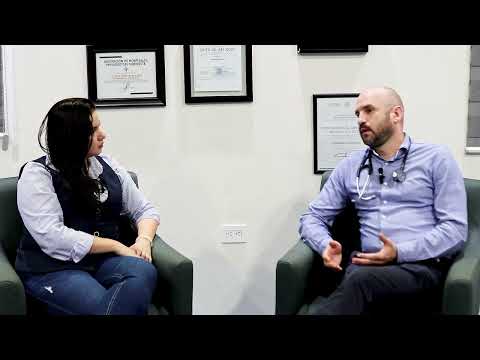







.png)










Share this listing